

















Table of Contents
MBA: Leading at the intersection of technology and business
Human Resources: Technology as an ally in talent management
Digital Marketing: Connecting with the consumer in the age of personalisation
Key Technologies: AI, Big Data and Cybersecurity
The impact of technology on the legal sector
Industrial Transformation: Innovation in Logistics and Sustainability
Innovation in Occupational Health and Safety: Technology for a Safer Environment
Digital health: Technology in the service of wellbeing
Conclusion: Technology and business, the duo driving success
Now more than ever, a business’s growth is intrinsically linked to its capacity for technological innovation. Technological tools enable everything from process automation to in-depth data analysis for making informed business decisions, thereby offering an unrivalled competitive advantage.
It is in this digital environment that companies strive to remain at the cutting edge.
MBA: Leading at the intersection of technology and business
Integrating technology into a business strategy is no simple process. It requires leaders who understand both the technological aspects and the ever-evolving market challenges. This is where the MBA becomes a crucial tool.
An MBA is not just an academic qualification ; it is a catalyst that transforms both your career and your ability to lead in this digitalised world. This programme equips you to operate at the intersection of business and technology, providing you with the tools you need to lead in a business landscape that is advancing by leaps and bounds.
What makes an MBA essential in this context?
- Strategic vision: On an MBA, you’ll learn to identify how new technologies impact business decisions. From the implementation of big data to process automation, you’ll develop the ability to anticipate technological trends that could redefine the industry.
- Adaptability: The business world is unpredictable, and companies need leaders capable of responding to uncertainty. An MBA prepares you to be flexible and make quick decisions that guide your team through constant change, particularly in relation to digital transformation.
- Effective leadership: It is not enough simply to understand technology; you must also inspire your team to adopt these tools and make a tangible impact. An MBA trains you not only to understand technological trends, but also to lead change and utilise these technologies effectively.
Technology at the heart of the MBA
The real difference between successful business leaders and those who fall behind lies in the ability to integrate technology into organisational strategy. That is why, when you choose an MBA, you are opting for an education that goes beyond mere technical knowledge; you are choosing to lead through technology.
The UAX Online MBA specialises precisely in this. It not only prepares you to lead a company’s global strategy, but also to understand the direct impact that digitalisation has on decision-making. In this fast-paced business environment, having a clear vision and technological skills is essential for taking on leadership roles where digital innovation and data management are the cornerstones of success.
Furthermore, the UAX MBA offers three professional certificates in key areas of technology, developed in collaboration with giants such as Google and IBM. These certificates give you a unique advantage to stand out in an increasingly competitive business world:
- Data-Driven Company: You will learn how to use big data and analytical technologies to improve decision-making.
- Cybersecurity for Business: In a digital environment, security is crucial. With this certificate, you will acquire the knowledge needed to protect company data.
- Journey to Cloud: Understand how adopting the cloud can transform organisations’ technology infrastructure.
And that’s not all – you’ll also have access to training in cutting-edge tools such as Salesforce and project management, which are essential for any manager in the digital age.
If you’re ready to take the next step and become a leader who not only understands technology but also uses it to drive business strategy, an MBA is the springboard you need.
Human Resources: Technology as an ally in talent management
Business success starts with people. Today, technology not only boosts operational efficiency but is also revolutionising talent management in the field of Human Resources (HR).
In an increasingly digitalised environment, technological tools not only transform processes but also foster personal development and organisational growth. In this context, companies that integrate technology into their HR strategies succeed in creating a more agile working environment, one that is adaptable to change and, above all, more focused on the wellbeing and success of their staff.

Technology at the service of Human Resources
In a world moving at a rapid pace towards automation, human resources management is becoming an essential competitive advantage. The use of new technologies in HR goes beyond simply automating tasks: these tools enable the discovery of valuable insights that improve strategic decision-making and transform the impact that HR teams have on the organisation. Some of the most relevant applications include:
- People Analytics for data-driven decisions: As the saying goes, ‘what isn’t measured can’t be improved ’. People Analytics tools People Analytics enable the analysis of large volumes of data on employee performance, satisfaction and retention. With these tools, organisations can identify patterns in staff turnover, anticipate recruitment needs and optimise costs, all based on real-time, up-to-date data, leading to more informed and accurate decisions.
- Process automation: Tools such as SAP SuccessFactors or Workday are transforming the way HR teams manage day-to-day administrative tasks, such as recruitment, absence management and report generation. These platforms free up valuable time, allowing HR professionals to focus on more strategic activities, such as shaping organisational culture and retaining talent.
- Artificial Intelligence (AI) in the employee experience: Virtual assistants that answer questions about internal policies, or algorithms that personalise training programmes, are creating more enriching experiences for employees. AI not only optimises employees’ interaction with digital platforms but also personalises their experience, helping organisations adapt to the individual needs of each team member.
- Learning Management Systems (LMS): In a constantly evolving world, adaptability is becoming a crucial skill. LMS platforms enable the design of continuous training programmes that are tailored to employees’ skills and career goals. This not only fosters their professional growth but also helps retain key talent, boosting motivation and loyalty within the organisation.
The future of HR: digital and people-centred leaders
For technology to be a true driver of success in Human Resources, it is essential to have digital leaders who understand how to integrate technology with a human-centred approach. In this context, the Master’s in Human Resources Management at UAX prepares you , through flexible online learning , to lead the digital transformation of the HR department. You will learn to incorporate disruptive technologies such as Artificial Intelligence and Big Data to design HR strategies that prioritise employees’ wellbeing and development, ensuring that technology drives human growth within the company.
The programme is designed to teach you how to optimise talent management with a modern approach, combining technology and leadership to make informed decisions that have a positive impact on the people in your team. In today’s business world, managing human resources in the traditional way is no longer enough. You need to be able to integrate innovative tools that transform the way you work and how your staff experience their working environment.
Digital marketing: Connecting with consumers in the age of personalisation
In the world of marketing, technology not only improves existing strategies but completely reinvents them. In the digital age, the brands that manage to connect with their consumers in a personalised way are the ones gaining ground. Thanks to digital tools, marketing strategies now allow for unprecedented levels of personalisation and efficiency.
In this section, we explain how technology is revolutionising the way brands interact with their audiences and how you can capitalise on this transformation to stand out in the market.
Technology applied to digital marketing
The Business Intelligence has brought about a radical change in the fields of marketing and sales. Now, with the power of Big Data, marketing is at the forefront of advanced analytics, using data techniques to gain deep insights into consumer behaviour. Companies that fail to take advantage of these tools are leaving room for their competitors to get ahead. Here are some of the most significant ways in which technology is changing the game:
- Advanced analytics with Google Analytics and other tools: These days, there’s no need to guess what your customers are looking for. Tools such as Google Analytics provide accurate data on your customers’ behaviour, preferences and purchasing patterns. This helps you make more informed decisions and measure the impact of your campaigns in real time.
- Marketing automation: Platforms such as HubSpot or Marketo make managing complex campaigns much simpler. Automate emails, track leads and personalise your messages with just a few clicks. This automation not only saves time but also ensures a consistent and relevant experience for your customers, thereby strengthening their relationship with your brand.
- Personalisation with Artificial Intelligence (AI): AI has taken personalisation to the next level. Tools such as product recommendations or intelligent chatbots tailor the user experience to their individual interests and needs. A clear example is how Netflix uses algorithms to suggest content based on viewing history, creating a unique and relevant experience. AI-driven personalisation boosts consumer engagement and satisfaction.
- Augmented reality and immersive experiences: Augmented reality (AR) is transforming the way consumers interact with brands. Imagine being able to virtually try out a piece of furniture in your home or see how a garment would look on you without having to go to the shop. AR creates immersive experiences that are not only engaging but also forge a stronger emotional connection with the brand, increasing the likelihood of conversion.
- Hyper-precise targeting: Tools such as Facebook Ads or Google Ads allow you to create campaigns targeted at extremely specific audiences, based on demographics, interests and behaviour. This enables you to maximise your return on investment (ROI) by ensuring your messages reach the right people at the right time, thereby optimising the results of each campaign.
The future of digital marketing: Professionals equipped to lead the transformation
Digital marketing is being driven by technology, but it also requires highly skilled professionals who know how to utilise these tools strategically. In this dynamic and competitive world, businesses need digital marketing experts who can integrate technological innovation with a customer-centric approach.
The UAX Master’s in Digital Marketing , delivered online, is designed to equip you with the skills, tools and knowledge you need to excel in this constantly changing environment. You will learn to combine technological innovation with customer-centred strategies, ensuring the success of your campaigns and positioning you as a leader in the digital marketing of the future.
Key technologies: AI, Big Data and Cybersecurity
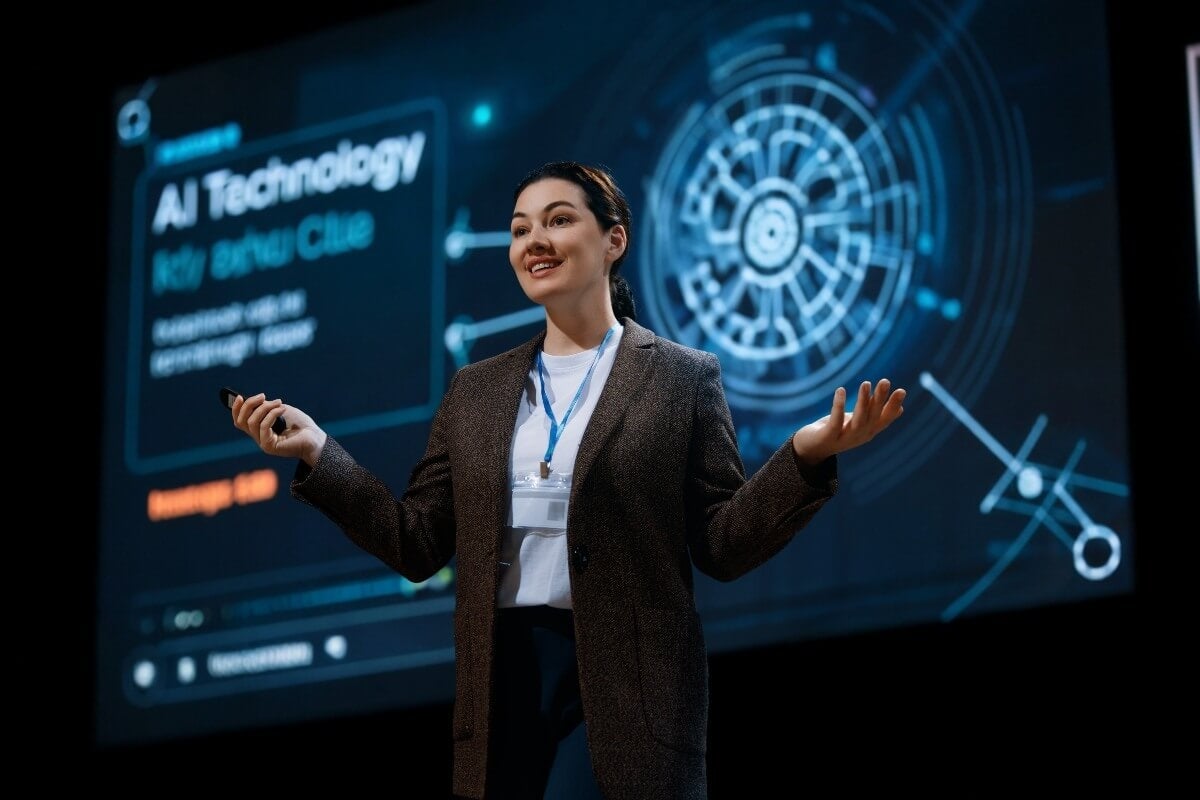
Today’s businesses operate in an environment where technology is not just a resource, but the driving force behind their transformation. Artificial Intelligence and Big Data , just like Cybersecurity, not only optimise processes but also redefine the way organisations compete and evolve in the market.
Mastery of these technologies is an indispensable competitive advantage for professionals seeking to lead innovation.
Artificial Intelligence (AI): The Power of Intelligent Automation
AI has evolved from being a trend to becoming a key differentiating factor for businesses. Tools such as Tableau and Power BI enable real-time data analysis, whilst machine learning algorithms optimise everything from supply chains to sales strategies.
But the true value of AI lies in its strategic application. It is not just about implementing technology, but about knowing how to apply it within a business context to create competitive advantages. This is where professionals with a Business & Tech , make the difference.
Furthermore, PwC’s 2024 Global Artificial Intelligence in Employment Barometer reveals that AI specialists can earn up to 25 per cent more than the average in other sectors. The demand is clear: whoever masters AI will dominate the labour market of the future.
Big Data: Turning information overload into business intelligence
Today, the challenge is not a lack of information, but an excess of unstructured data. In this scenario, Big Data becomes the key to transforming this information overload into strategic, data-driven decisions.
The most highly valued professionals are not just those who understand what Big Data is , but those who know how to distinguish between, apply and optimise these technologies to improve decision-making. The ability to design an efficient data architecture and manage data ingestion with precision will be an essential skill in any sector.
Platforms such as Apache Hadoop are already helping companies turn raw data into tangible competitive advantages, illustrating how technology applied to data analytics drives innovation in practice.
Cybersecurity: The defence against digital threats
In a hyper-connected world, cybersecurity is no longer just a technical issue, but a strategic priority for businesses. Protecting critical data not only safeguards corporate information, but also builds trust among customers, who rely on their transactions, payments and sensitive information being protected.
From preventing ransomware attacks to managing crises arising from security breaches, cybersecurity has become a cornerstone of business continuity. In this context, digital security experts are in greater demand than ever, and businesses are seeking professionals capable of anticipating threats and designing robust protection strategies.
Join the tech elite with UAX
Companies are engaged in a technological race where only the best-prepared professionals manage to stand out. To lead this transformation, you need specialised training, practical skills and a strategic vision that enables you to turn technology into a real competitive advantage.
At UAX, we offer 100% online Master’s programmes, designed to turn you into an expert in the key areas that are shaping the future of business:
You will obtain an official qualification backed by the prestige of UAX, tailored to the demands of the global market.
The impact of technology on the legal sector
Digital transformation is not only revolutionising the way legal services are delivered, but is also creating opportunities to optimise processes, reduce errors and improve the client experience.
Legal Tech: Innovation that transforms the law
The concept of Legal Tech encompasses all the technological tools that are modernising legal practice. Imagine you are a solicitor or barrister and have to manage dozens of cases at the same time. Case management platforms, powered by artificial intelligence, have become indispensable allies. These tools not only organise information efficiently but can also predict outcomes based on historical data.
Furthermore, automated contract generation systems have drastically reduced the time it takes to draft legal documents. And what about contract review? AI also helps to identify problematic clauses or inconsistencies that might go unnoticed by the human eye.
Automation and cybersecurity: Pillars of legal success
Another technological advance that is making a real difference is robotic process automation (RPA ). This technology enables the automation of repetitive and administrative tasks, such as document filing or the management of procedural deadlines, thereby reducing errors and saving time.
Furthermore, legal cybersecurity has become a priority. Protecting clients’ sensitive data is more than just a legal obligation: it is a fundamental pillar of trust and reputation. Implementing advanced encryption and multi-factor authentication ensures the confidentiality and integrity of information.
Digital compliance: Adapt or fall behind
Regulations are evolving at a dizzying pace, and compliance has become a strategic necessity. Digital compliance tools facilitate internal audits and ensure compliance with laws and regulations, helping to avoid penalties and guaranteeing transparent and secure management.
Prepare for the future of law with our Online Master’s in Law and Legal Practice. It includes a Certificate in the Digital Transformation of Law, where you will learn about AI, cybersecurity and compliance to lead in a constantly evolving sector.
Industrial transformation: Innovation in logistics and sustainability
Industry is undergoing an unprecedented transformation thanks to technology. From optimising logistics to promoting sustainable practices, companies that integrate innovation in these areas not only reduce costs but also increase their competitiveness and environmental commitment.
Smart logistics: Efficiency, speed and precision
Logistics logistics is the driving force behind global trade, and technology is redefining its future. Here are some of the innovations that are making a difference:
- Blockchain for traceability and trust: It ensures total transparency throughout the supply chain, optimising just-in-time operations in international trade and reducing costly errors.
- IoT for real-time monitoring: Connected sensors enable precise control of temperature, location and the status of shipments, which are essential in sectors such as pharmaceuticals and food.
- AI for route optimisation: Advanced algorithms analyse traffic and weather to reduce delivery times, operational costs and carbon footprint.
- Smart, automated warehouses: Robots and digital management systems increase efficiency, reduce errors and optimise available space.
Sustainability: Technology working for the planet
Companies must not only be profitable but also environmentally responsible. Here are some of the key technologies for a more sustainable future:
- Renewable energy and smart grids: Digitalisation enables the management of clean energy consumption in real time, accelerating the transition towards more sustainable models.
- GIS for environmental planning: Geographic Information Systems (GIS) help identify optimal locations for renewable energy infrastructure, minimising its environmental impact.
- Digital twins for energy efficiency: Simulating industrial processes makes it possible to detect and correct waste before it occurs, reducing emissions and energy consumption.
- Circular economy and digitalisation: Innovative platforms facilitate the reuse of materials and the reduction of waste, promoting sustainable business models.
Be part of the change with UAX
At the Alfonso X El Sabio University (UAX) , we know that the key to this transformation lies in training professionals with strategic and technological vision. Our 100% online programmes, such as the Master’s in Renewable Energy and Master’s in Integrated Management Systems (SIG) , prepare you to lead in a world where innovation and sustainability go hand in hand.
Innovation in Health and Safety at Work: Technology for a Safer Environment
Health and safety at work has evolved from being a legal obligation to becoming a strategic pillar for businesses. In a world where work-life balance and wellbeing in the workplace are increasingly valued, technology is revolutionising Occupational Health and Safety (OHS). Today, traditional measures are no longer enough: digitalisation and artificial intelligence are transforming the way we prevent accidents and protect workers.
Technology Applied to OSH
Technological innovations have taken prevention to a whole new level. Here are some of the key tools that are redefining safety at work:
- IoT and real-time monitoring: Smart sensors detect toxic gases, extreme temperatures and dangerous movements, issuing alerts before an accident occurs.
- Virtual simulations and augmented reality: These enable safe training in controlled environments. Operators can practise operating heavy machinery or reacting to emergencies without exposing themselves to real risks.
- Big Data and artificial intelligence: Advanced algorithms analyse historical data to predict equipment failures and risky behaviour, drastically reducing workplace accidents.
- Mobile apps and digital platforms: These facilitate safety inspections, incident logging and real-time reporting, improving occupational health and safety management from any device.
Lead the digital transformation in occupational health and safety with UAX
The implementation of these technologies requires trained professionals who know how to integrate innovation into occupational safety management. With the UAX Master’s in Occupational Health and Safety , you will specialise in the use of digital tools, data analysis and advanced strategies to ensure safer and more efficient working environments.
Digital health: Technology at the service of wellbeing
The digital transformation is revolutionising the healthcare sector, optimising medical care, reducing costs and improving the patient experience. New technologies are not only streamlining processes, but are also redefining the future of healthcare.
Technological innovations that are changing healthcare
Digitalisation in the healthcare sector is not a new concept, but its widespread implementation has been accelerated by advances such as:
Here are some of the digital solutions that are making a difference:
- E-health platforms : These connect patients and healthcare professionals remotely, enabling virtual consultations, secure access to medical records and real-time monitoring of chronic conditions.
- Telemedicine: Goodbye to geographical barriers and long waiting times. It is now possible to receive medical care from anywhere, with the same quality as an in-person consultation.
- Predictive analytics using AI and big data: This enables the anticipation of disease outbreaks, the personalisation of treatments and improved hospital efficiency, reducing costs and saving lives.
- Wearables and smart devices: Watches, wristbands and gadgets that monitor vital signs in real time, providing key data for medical decision-making.
UAX: Training leaders in digital health
The greatest challenge in this technological revolution is not innovation itself, but the lack of professionals equipped to manage it. At UAX, we understand that the healthcare system of the future needs leaders with strategic vision and advanced technological knowledge.
That is why we offer the Master’s in Healthcare Management , designed to train specialists capable of leading the digital transformation in the healthcare sector.
Conclusion: Technology and business – the duo that drives success
In today’s business world, technology is not just a tool; it is the driving force behind change. From hyper-personalised marketing to HR automation, via cybersecurity and digital transformation, every advance redefines how companies create value, optimise processes and make an impact.
To stand out and lead, you need more than just knowledge: it requires comprehensive training that combines technological skills with strategic vision. The MBA and r the specialised master’s programmes at UAX are not just an academic investment, but the key to becoming a leader equipped to tackle the challenges of the digital future.