See all Online Master's Degrees in Health
See all Master's Degrees in Engineering
Most searched curriculums
Own Degree
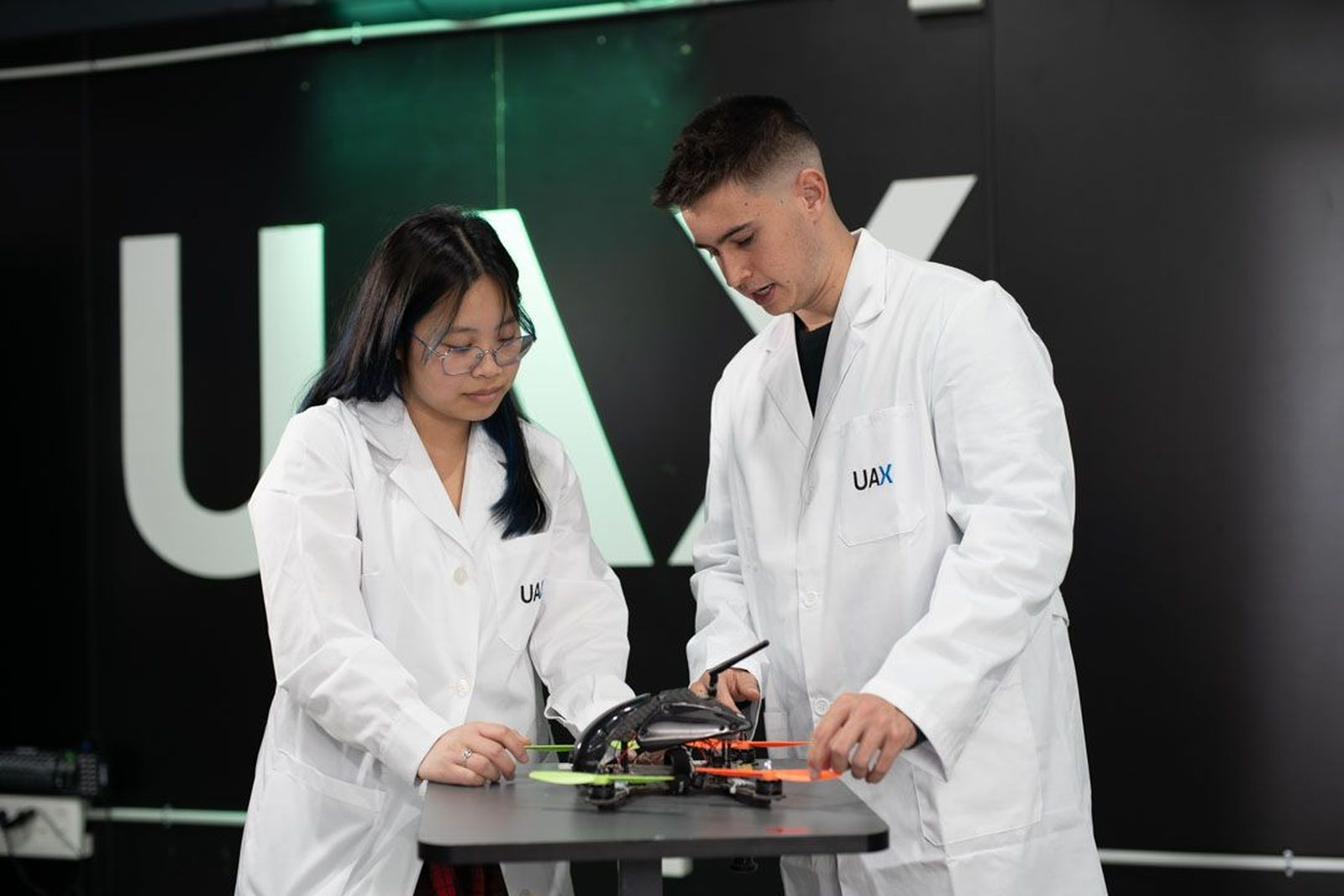
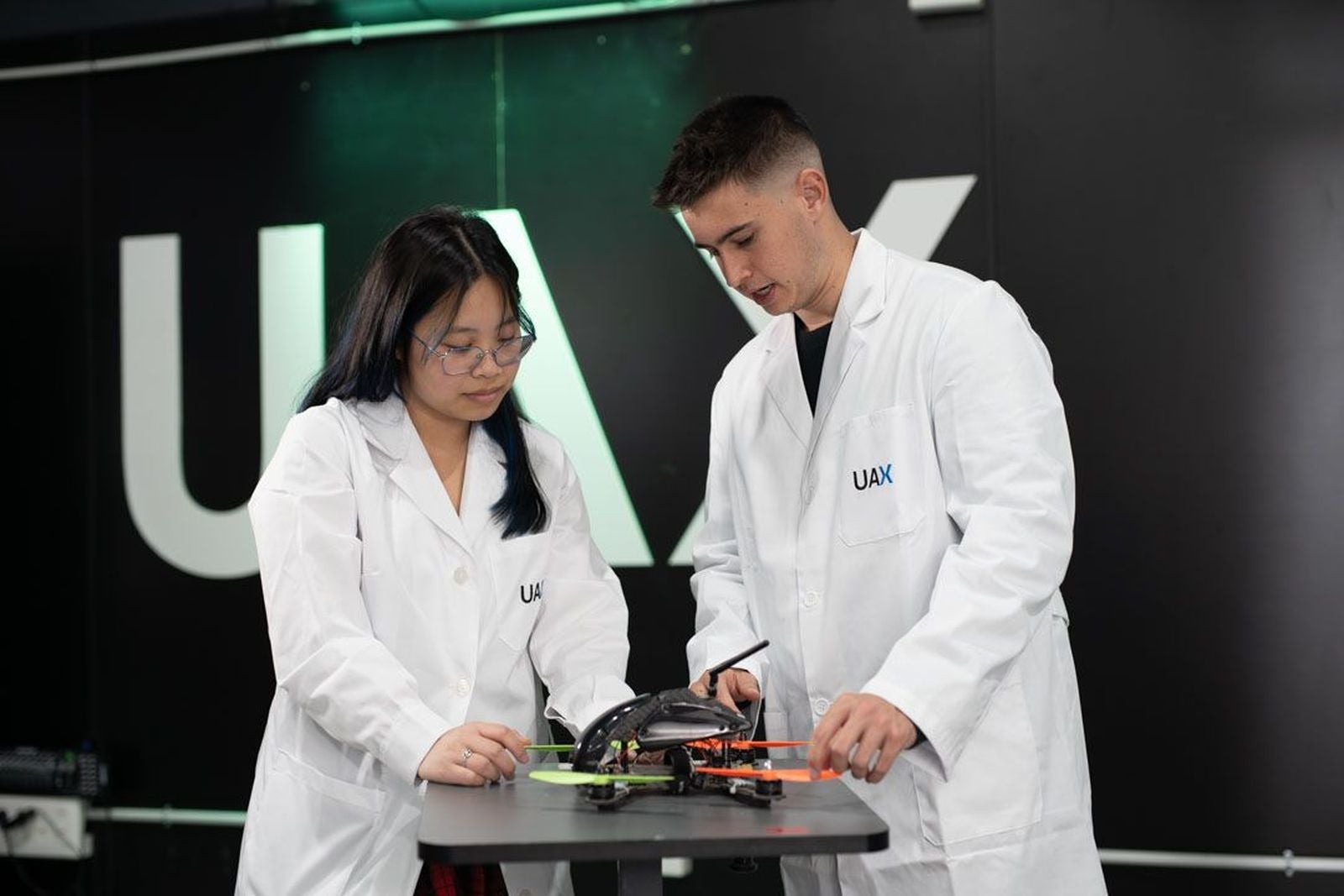
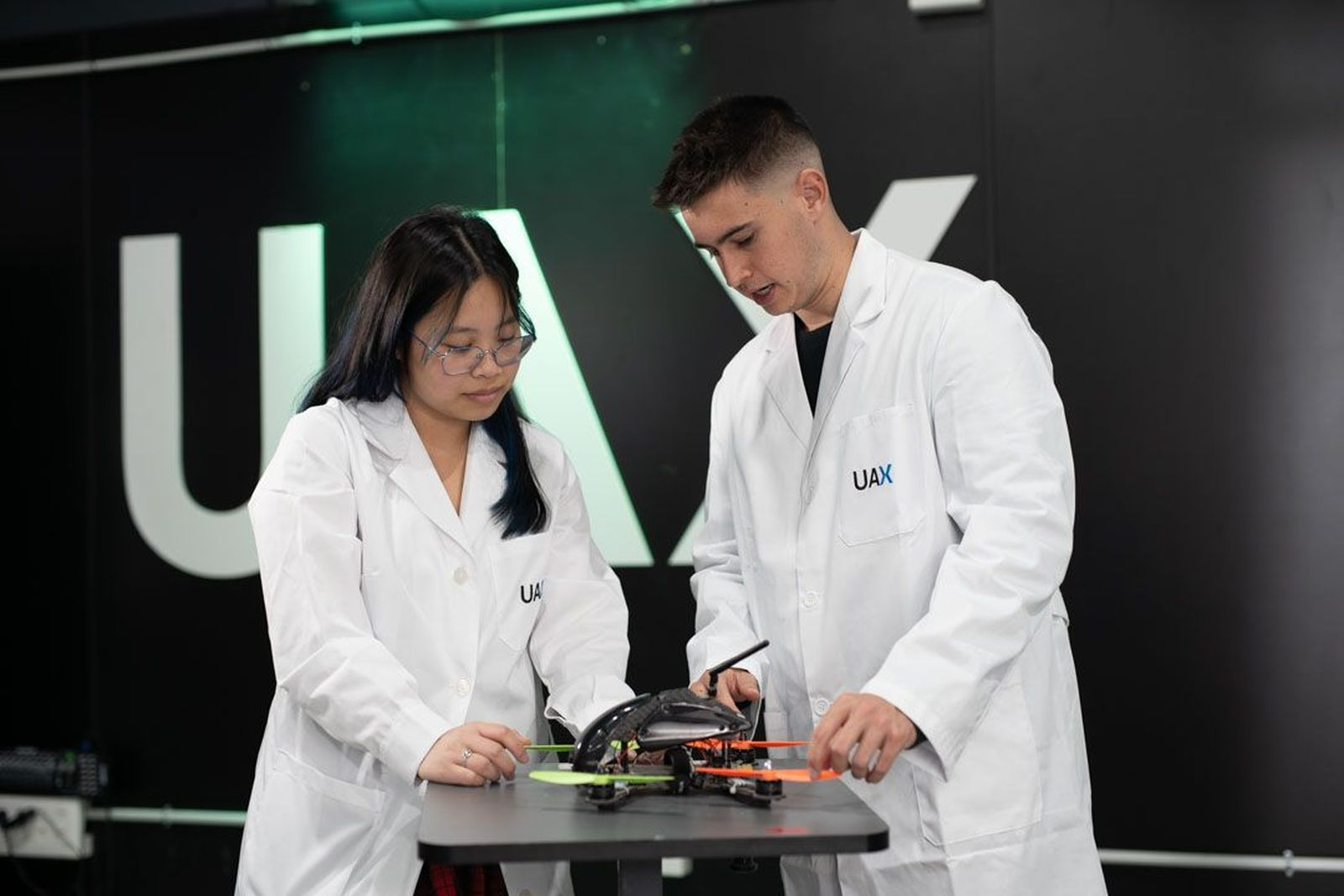
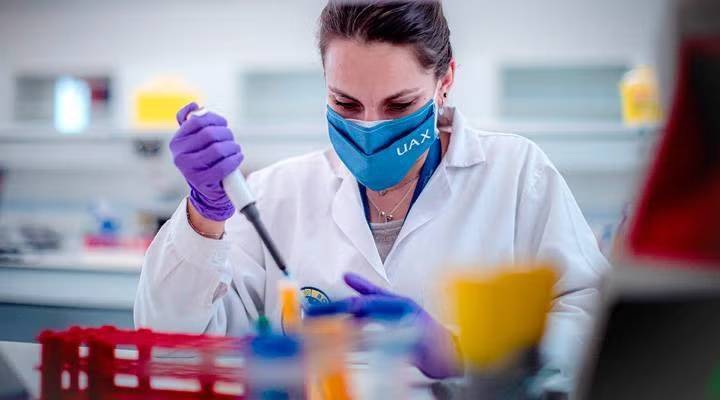
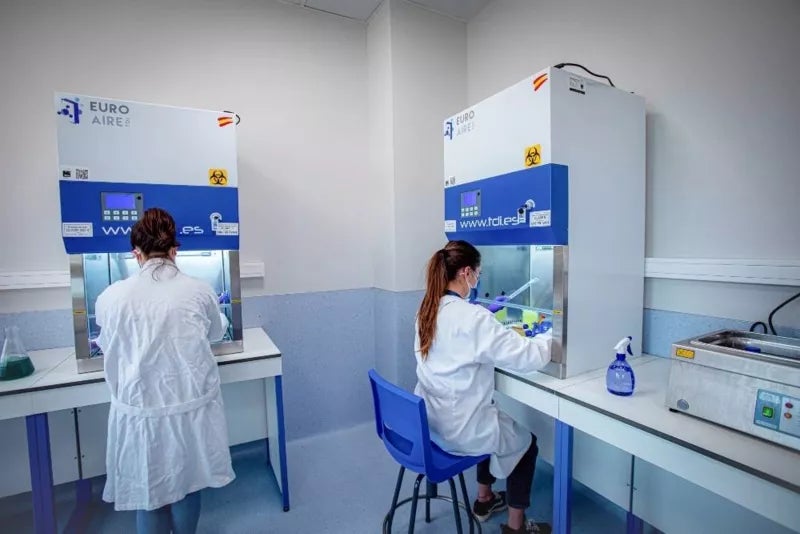
Start your university studies with this training course, the best facilities and teachers who are active professionals and researchers.
Study the Access to Medicine Programme to acquire the knowledge and skills necessary to secure your place in the Bachelor's Degree in Medicine. Alfonso X el Sabio University is firmly committed to providing students with excellent training in Medicine.
To this end, you will be provided with practical training from day one, the best facilities and lecturers who are active professionals and researchers. In return, we look for a high level of demand from our students. Therefore, we have designed this programme in order to facilitate your access to the degree with guaranteed success.
During this course, you will carry out different activities in order to get closer to your vocation from the first day:
If you are an international student, you will be reinforced in the language you will have to use during your university years and in the specific terminology of the degree. Mastering this language to a good level is an essential requirement, it will help you to pass your exams, it will open the doors to work experience in hospitals and clinics and it will also allow you to communicate with your future patients fluently.
Alfonso X el Sabio University is firmly committed to providing students with the excellent training required to gain access to the degree. In return, we look for a level of demand in our students that is in line with the practice of medicine.
You will gain the necessary knowledge to face your first year at university. If you successfully complete this course we guarantee you access to the Degree in Medicine.
Medicine Entry Programme
First Year
ANNUAL SUBJECTS
| Code | Subjects | Character* | ECTS | ||||
|---|---|---|---|---|---|---|---|
| 80323 | Human Anatomy | OB | 12 | ||||
Human AnatomyCódigo: 80323 Imprimir Year 1. Annual module. Compulsory. 12 credits. Profesores
Objectives To understand the structural organisation of the human body, identifying the different levels of biological organisation, from the cell to the systems and apparatuses that make up the organism. To learn about the morphology, location, anatomical relationships and macroscopic characteristics of the organs, tissues, apparatuses and systems of the human body. To identify and describe the anatomy of the main body systems, relating their structure to the functions they perform under normal conditions. To use anatomical terminology and the spatial orientation criteria employed in the health sciences correctly for the precise description of bodily structures and regions. Assessment Criteria Exams will be multiple-choice, comprising 30 questions. Each question will have 4 possible answers, only one of which is correct. INCORRECT ANSWERS ARE DEDUCTED. (3 incorrect answers deduct 1 correct answer or a proportional part thereof). There will be a fifth option labelled ‘blank answer’, which should be selected when the student does not know the answer; this option has no numerical value, i.e. it neither adds to nor deducts from the score. There will be 2 tests: - Each test will account for 80 per cent of the marks for the topics being assessed. - 20 per cent corresponds to the submission of the Anatomy Workbook, submitted correctly, completed and uploaded by the set deadlines and in the ‘Assignments’ section for each topic (once the deadline has passed, this section will be closed and workbooks submitted after the deadline will not be accepted). The workbooks must be handwritten (not typed on a computer). Work sent to the ‘messages’ section, via ‘email’, etc., will NOT be taken into account. ONLY IN THE ‘ASSIGNMENTS’ SECTION AND BY THE SPECIFIED DATE. They will be marked individually; in other words, the mark will correspond to the number of tasks successfully submitted (if you do not wish to, you do not need to copy the question). Students who achieve a mark of 5.0 or higher in one of the tests will have completed the topics corresponding to that section, for both the ordinary and supplementary examination sessions. Students whose mark is between 4.0 and 4.9 will have the opportunity to make up for this in the other assessment; if the sum of both marks, divided by two, reaches 5.0, they will have passed the material covered in both assessments. If this average does not reach the aforementioned 5.0, they must sit the ordinary or supplementary examination, covering only the topics from the assessment in which their mark was below 5. Students who achieve a mark below 4.0 in an exam will not be able to average this with the other assessment, as it is considered non-compensable. Teaching Methodology Students may attend tutorials with the Department’s lecturers who teach their group, at the times set by each lecturer, which will be published on the course’s virtual campus. Calendar Contents Topic 1. Introduction to human anatomy, morphology and histology Fundamental concepts, methods of study and anatomical terminology. Body planes, axes and regions. Superficial anatomy and imaging-based anatomy. Topic 2. Structural organisation of the human body Levels of biological organisation. Cellular and tissue structure. Basic tissues of the human body. Topic 3. Development and bodily organisation General embryology and morphogenesis. Growth, development and ageing. Normal anatomical variability. Topic 4. The Skeletal System Organisation of bone tissue. Structure, classification and development of bones. Osteogenesis and bone remodelling. Topic 5. Joints and biomechanics Classification and structure of joints. Body movements. Fundamentals of biomechanics. Topic 6. Muscular system Organisation of muscle tissue. Classification and function of muscles. Structural and functional adaptation. Topic 7. Head and neck Osteology and musculature. Sense organs. Upper aerodigestive tract. Basic clinical anatomy. Topic 8. Central Nervous System Brain and spinal cord. Meninges and ventricular system. Functional anatomical organisation. Topic 9. Peripheral and Autonomic Nervous Systems Cranial and spinal nerves. Autonomic nervous system. Sensory and motor integration. Topic 10. Thorax Thoracic wall and mediastinum. Thoracic anatomical relationships. Basic clinical anatomy. Topic 11. Heart External and internal morphology. Chambers, valves and the conduction system. Blood supply, innervation and embryonic development. Topic 12. The vascular and lymphatic systems Arteries, veins and blood circulation. Large vessels. Organisation of the lymphatic system. Topic 13. Respiratory system Upper and lower respiratory tracts. Lungs and pleura. Vascularisation, innervation and embryonic development. Topic 14. Abdomen Abdominal wall and peritoneum. Digestive system and associated organs. Vessels, nerves and the abdominal lymphatic system. Topic 15. Pelvis and perineum Bony pelvis and joints. Pelvic viscera. Pelvic floor and perineum. Topic 16. Limbs Anatomy of the upper and lower limbs. Osteology, arthrology and myology. Vascularisation, innervation and embryonic development. Anatomical basis of gait and grasping. Recommended reading • Porter R. The Greatest Benefit to Mankind: A Medical History of Humanity. London: Harper Collins; 1997. • Nuland SB. Doctors: The Biography of Medicine. New York: Vintage Books; 1989. • Singer C. A Short History of Anatomy and Physiology. New York: Dover Publications; 1957. • Ackerknecht EH. A Short History of Medicine. Baltimore: Johns Hopkins University Press; 1982. • Booth CC. A short history of clinical medicine. J R Coll Physicians Lond. 1997;31(6):719–724. • North M. Andreas Vesalius and the Anatomy of Antiquity. Medical History. 2013;57(3):464–466. • Tan SY, Tatsumura Y. Alexander Fleming (1881–1955): Discoverer of penicillin. Singapore Med J. 2015;56(7):366–367. • Nobel Prize Outreach AB. Marie Curie – Biographical. The Nobel Prize. Available at: https://www.nobelprize.org • Klug A. Rosalind Franklin and the discovery of the structure of DNA. Nature. 1968;219:808–810. Prerequisites There are no prerequisites. |
|||||||
| 80325 | Study Techniques | OB | 2 | ||||
Study TechniquesCódigo: 80325 Imprimir Year 1. Annual module. Compulsory. 2 credits. Profesores
|
|||||||
| 80327 | Spanish | OB | 8 | ||||
SpanishCódigo: 80327 Imprimir Year 1. Annual module. Compulsory. 8 credits. Profesores
Objectives •Learning and practising the various language skills in Spanish: grammar, speaking and listening, writing and reading comprehension. •Expanding vocabulary. •Mastery of formal and informal registers. •Understanding the cultural aspects necessary for effective communication in Spanish •Writing simple texts Assessment Criteria -Continuous assessment: Written and oral tests -Regular assessment: Final examinations (oral and written) -Supplementary examination session: Final examinations (oral and written) Teaching methodology Content is presented by topic, with outlines and exercises provided by the lecturer and expanded upon in class Compulsory use of a textbook and workbook Support from audiovisual materials Oral presentations by students Course Schedule - Introducing oneself, asking for and giving personal information - Saying hello and goodbye - Describing people, things and places -Expressing likes and preferences -Expressing possession and relationships -Expressing obligation -Describing past experiences and recounting past events -Express planned actions, whether completed or not -Expressing symptoms of an illness -Expressing agreement and disagreement -Talking about the future and plans -Making predictions -Giving orders and instructions -Suggesting dates and invitations -Giving advice -Asking for and giving an opinion -Talking about general topics in a simple way Prerequisites International students whose mother tongue is not Spanish. Entry requirements International students whose mother tongue is not Spanish. Assessment CONTINUOUS ASSESSMENT The assessment process will consist of verifying and evaluating the student’s acquisition of the competences. To this end, the following assessment activities will be used to determine the extent to which each of the listed competences has been mastered: First term o Test 1: listening and reading comprehension (10%) o Test 2: written examination (20%) If students have failed any of these tests, they may sit each of the tests during the ordinary January examination session. Second term: o Assessment 3: written exam (10%) o Test 4: oral exam (30%) o Assessment 5: written exam (30%) Students must achieve a minimum mark of 5 in both Assessment 4 and Assessment 5 to pass the module through continuous assessment. If they do not achieve this, they must sit the exams in the ordinary examination period and/or the supplementary examination period. Furthermore, it is compulsory to sit ALL the assessments forming part of the continuous assessment. Finally, to have the continuous assessment counted, students must have a minimum attendance rate of 80 per cent in each term. REGULAR EXAM SESSION o Oral exam: 40% o Written exam: 60% Students must sit both examinations and achieve a mark of at least 5 in both the oral and written examinations (which will also include reading comprehension, listening comprehension and written expression). If they fail to do so, they must sit the supplementary examination. SUPPLEMENTARY EXAMINATION o Oral exam: 40% o Written exam: 60% Students must sit both examinations and achieve a mark of at least 5 in both the oral and written examinations (which will also include reading comprehension, listening comprehension and written expression). |
|||||||
| 80329 | Scientific English | OB | 8 | ||||
Scientific EnglishCódigo: 80329 Imprimir Year 1. Annual module. Compulsory. 8 credits. Profesores
Objectives To provide an introduction to the specific English used in the Health Sciences, enabling students to communicate and participate successfully in contexts and situations related to their future profession where English is the language of communication. Skills acquired: - The ability to communicate in English, both orally and in writing, with patients and/or carers as well as with fellow professionals, adapting the register to suit the situation and purpose of the communication. - The ability to create safe and comfortable environments for patients and/or carers through the use of language. - The ability to search for, understand and process content related to the Health Sciences in order to produce further content, and to present this orally and/or in writing, using technology, both individually and in groups, and always in a responsible manner. - Ability to explore, select and utilise technological tools for searching for, processing and sharing content, as well as for their responsible use and the management of content in a manner that respects authorship. - Ability to participate responsibly in collaborative work. Learning Outcomes - Understanding and production of oral and written texts in English, with content related to the Health Sciences, written in professional language (e.g. descriptions of: professions in the field of the Health Sciences in terms of roles and responsibilities; ‘diseases, their symptoms and signs’, ‘medical histories’, etc.). - Effective verbal communication with patients and/or carers and colleagues through various channels (face-to-face, by telephone, by email, amongst others). - Taking relevant and accurate notes on the spot, being able to identify vital information and record it using abbreviations. - Drafting texts with appropriate use of format and language (e.g. referral letters, case histories, abstracts, etc.) necessary for carrying out medical, dental and veterinary work. - Adapting register and pragmatic strategies to communicative situations involving patients and/or carers and/or professional colleagues, so as to optimise the effectiveness of gathering and conveying information relevant to the diagnosis and treatment of patients and their wellbeing. Assessment Criteria To assess students’ learning and their achievement of the proposed objectives, the following aspects will be taken into account for each of the three modules into which the course is divided, in the proportions indicated in brackets: - Attitude (10 per cent): students’ punctuality, responsibility, participation, initiative, willingness to collaborate, etc., during each module will be assessed. - Assigned tasks (30 per cent): individual and group tasks. - Exam (60%). It is important to note that, in order to be eligible to sit the exam, students must have attended at least 80 per cent of the teaching hours for each module. Teaching Methodology Communicative and interactive, aimed at achieving the following learning outcomes: - Comprehension and production of oral and written texts in English, covering content related to Health Sciences, written in professional language (e.g. descriptions of: professions in the field of Health Sciences in terms of roles and responsibilities; ‘diseases, their symptoms and signs’, ‘medical records’, etc.). - Effective verbal interaction with patients and/or carers and colleagues through various channels (face-to-face, by telephone, by email, amongst others). - Taking relevant and accurate notes on the spot, knowing how to identify vital information and record it using abbreviations. - Drafting texts with appropriate use of format and language (e.g. referral letters, case histories, abstracts, etc.) necessary for carrying out medical, dental and veterinary work. - Adapting register and pragmatic strategies to communicative situations involving patients and/or carers and/or professional colleagues, so as to optimise the effectiveness of gathering and conveying information relevant to patients’ diagnosis, treatment and well-being. Course Content The module is divided into three thematic blocks: Block 1: Terminology specific to the Health Sciences Block 2: In the consultation Block 3: Medical records and other scientific texts Description of the content Vocabulary - Vocabulary relating to: professions within the field of Health Sciences; human and animal anatomy; diseases, symptoms and signs; treatments; etc. - Vocabulary for describing patients in terms relevant to their diagnosis and treatment (age, gender, chronic conditions, etc.). - Affixes of Latin and/or Classical Greek origin, used to form technical vocabulary in the field of Health Sciences. - Irregular plural forms of technical terms specific to the Health Sciences. - Units of measurement (e.g. time, volume, dose, etc.). Grammatical - Present Simple: used for descriptive and historical purposes. - Present Perfect and Simple Past for narrating events. - Interrogative structures: open and closed, direct and indirect. - Question tags. - Expressing intention (I’d like, I’m going to). - Instructions and recommendations (imperative, ‘should’, etc.) - Expressing time: start, duration, frequency, etc. - Expressing quantity: amounts. - Pragmatics - Introductions. - Small talk. - Creating a safe and comfortable atmosphere. - Checking that the information provided/received has been properly understood. - Making polite requests. - Asking for favours. - Resolving communication difficulties. Bibliography Basic: 1. Milner, M. English for Health Sciences. Heinle. Cengage Learning. 2006. ISBN: 9781413020892 |
|||||||
| TOTAL: | 30 | ||||||
FIRST FOUR-MONTH PERIOD
| Code | Subjects | Character* | ECTS | ||
|---|---|---|---|---|---|
| 80326 | Biology | OB | 6 | ||
BiologyCódigo: 80326 Imprimir Course 1: First-semester module. Compulsory. 6 credits. Profesores
Objectives To understand the different forms of cellular organisation (prokaryotic and eukaryotic organisation). To understand the structure and organisation of the prokaryotic cell. To understand the structure and organisation of the eukaryotic cell, its organelles and the function of each one. To understand the cell cycle, the processes of cell division and cell death. To understand the structure of the genome within the cell and the organisation of DNA. To understand the molecular basis of the processes of replication, transcription and translation. To understand the transmission of hereditary traits, Mendelian genetics and the processes of genetic recombination. Assessment Criteria GENERAL ASSESSMENT CRITERIA FOR THE BIOLOGY MODULE 1. Exams: 75% of the mark. 2. Continuous assessment: 25% of the mark. EXAM FORMAT 1. During the course, there will be two compulsory mid-term examinations. 2. The dates of these exams will be announced by the course coordinator via a notice on the virtual campus:3. 3. The exams will consist of a multiple-choice test comprising 30 questions, each with five options, only one of which is correct. There is no negative marking, but a minimum of 12 correct answers is required to achieve a mark of 5 out of 10. 4. A mark lower than 5 in either mid-term exam may be offset by the mark from the other mid-term exam and/or the seminar mark, provided that the mark for each exam is at least 3 out of 10. 5. If the final mark is below 5, the student must retake the failed mid-term exam(s) in the January examination session. 6. If the final mark is below 5 but the mid-term exams have been passed, the student must sit both mid-term exams in the January examination session to improve their marks. 7. During the examinations, the use of any reference materials, calculators or mobile phones will NOT be permitted. CONTINUOUS ASSESSMENT This will consist of a presentation during the seminars (which is COMPULSORY) and/or literature review assignments submitted via the Virtual Campus, as well as the student’s attendance and participation. REGULAR EXAMINATION PERIOD (JANUARY): Students whose overall course mark is below 5 must sit this resit. There will be one exam for each part (mid-term) that has been failed. The final mark will take into account the marks from the Continuous Assessment, applying the corresponding weightings. If the final mark is 5 or above, the student will have passed the module. If a student fails (or does not sit) the January exam, they will have to sit the exam in the Extraordinary Examination Period in May. EXTRAORDINARY EXAMINATION SESSION (MAY/JUNE): Students whose mark, following the Ordinary Examination Period, is below 5 must sit this examination period. There will be one exam for each part (partial) in which they have failed. The final mark will be calculated by applying the relevant weightings and taking into account the mark for Continuous Assessment. If the final mark is 5 or above, the student will have passed the module. Teaching Methodology Lectures Small-group seminars Presentation assignments Literature review assignments Course Content Topic 1. Chemical composition of the cell. Cellular organisation. Topic 2. Main macromolecules. Topic 3. Biological membranes. Topic 4. Membrane transport. Topic 5. Extracellular matrix and cell junctions. Topic 6. Cytoskeleton. Topic 7. Endoplasmic reticulum, Golgi apparatus and peroxisomes. Topic 8. Mitochondria and chloroplasts. Topic 9. The nucleus. The cell cycle. Genes and inheritance. Topic 10. Replication, transcription and translation. Ribosomes. Prerequisites None required Requirements Completion of the compulsory examinations. Submission of any assignments deemed compulsory Attendance at face-to-face classes Assessment CONTINUOUS ASSESSMENT This will consist of a presentation during seminars (which will be COMPULSORY) and/or literature review assignments submitted via the Virtual Campus, as well as student attendance and participation. Bibliography Core: 1. Alberts et al. Introduction to Cell Biology Panamericana. 2023. ISBN: 978-607-8546- 2. Cooper et al. The Cell Marbán. 2021. ISBN: 9788471019479 Supplementary: 3.- Feduchi Canosa E, Romero Magdalena C, Yáñez Conde E, García-Hoz Jiménez C. Biochemistry. Essential Concepts. 3rd ed. Médica Panamericana. 2025. ISBN: 9788491106807 |
|||||
| 80328 | Statistics | OB | 6 | ||
StatisticsCódigo: 80328 Imprimir Course 1: First-term module. Compulsory. 6 credits. Profesores
Objectives The course aims to introduce students to the basic concepts of statistics, with a focus on the health sciences, so that they can successfully complete their first year at university. Assessment Criteria Assessment of the module will be based on a range of practical exercises in which students will be required to demonstrate their ability to solve statistical problems by applying the theoretical concepts covered in class. Teaching Methodology Classes will consist of lectures in which the lecturer will present the theory, illustrating it with examples, and seminars in which students will solve problems set by the lecturer, with the lecturer’s assistance where necessary. Course Schedule Topic 1: Descriptive statistics (3 weeks) Topic 2: Probability (3 weeks) Topic 3: Probability distributions (3 weeks) Topic 4: Linear regression (2 weeks) Prerequisites Basic calculus Requirements None Assessment REGULAR EXAM SESSION The following assessment tests will be held during the course: - Test 1 (20% of the final mark) - Test 2 (20% of the final mark) - Submission of assignments and class exercises (20% of the final mark) - Final course examination (40% of the final mark) SUPPLEMENTARY EXAMINATION 100 per cent of the mark will be based on the final course examination. |
|||||
| 80572 | Immunology | OB | 6 | ||
ImmunologyCódigo: 80572 Imprimir Course 1: First-semester module. Compulsory. 6 credits. Profesores
Objectives 1. To understand the general organisation of the immune system, its organs and main components. 2. To understand the mechanisms of innate and adaptive immunity. 3. To understand the concept of immune memory and the basis of vaccines. 4. To identify relevant clinical examples where immunology plays a key role (allergies, autoimmunity, immunodeficiencies, transplants, cancer). 5. To foster students’ interest in and motivation towards immunology. Assessment Criteria To pass the module in the standard assessment period, students must: 1. Have successfully passed the final examination. 2. Achieve an overall mark of 5 points or higher, bearing in mind that the following will be assessed: a) The final exam will account for 70 per cent of the course mark. This exam will consist of multiple-choice questions. Points will be deducted for incorrect answers (-33.3 per cent) and a mark of at least 5 is required for the continuous assessment mark to be taken into account. b) Continuous assessment will account for 30 per cent of the mark. This assessment includes the mid-term exam mark (15%) and the research project mark (15%). The mid-term exam is an exemption exam; therefore, students who pass it will not be required to be examined on that part of the syllabus in the final exam. In order for this mark to be taken into account, attendance must be at least 70 per cent. Students who do not pass in the ordinary examination session must sit an exam covering the entire syllabus in the supplementary examination session. In this session, the mark obtained in the corresponding exam will be the sole element of assessment. This exam will be a multiple-choice test, and marks will be deducted for incorrect answers (33.3 per cent). The exam mark will account for 100 per cent of the final mark, and a mark of 5 points or higher is required to pass. Teaching Methodology The module is divided into two parts: - Sessions: Theoretical teaching of the course syllabus will be delivered using audiovisual aids. Simple clinical examples will be provided, and participatory activities will be carried out to aid understanding of the syllabus. - Projects: students will be organised into working groups to carry out research on a topic related to the course, which they must present to the rest of the class at the end of the term. Course Schedule Block I. Fundamentals of Immunology Topic 1. Introduction and basic concepts. Basic concepts in immunology. Functions of the immune system. Antigens and pathogens. Topic 2. Cells and organs of the immune system. Cells responsible for innate and adaptive immunity. Primary and secondary lymphoid organs. Block II. Innate Immunity Topic 3. Innate defence mechanisms I. Characteristics of the innate immune response. Key components: phagocytes and complement. Characteristics and function of phagocytic cells. Topic 4. Innate defence mechanisms II. Complement: pathways, functions and regulation. Inflammatory response. Concepts of opsonisation and chemotaxis. Block III. Adaptive Immunity Topic 5. Histocompatibility molecules. Types of histocompatibility antigens (type I and II). Structure and expression of MHC molecules. Antigen presentation. Relationship with transplants. Topic 6. Antigen receptors and their clonal diversity. B-cell and T-cell receptors. Antibodies and mechanisms of diversity: rearrangement and differentiation mechanisms. Topic 7. B-lymphocytes. B-lymphocyte activation, maturation and germinal centres. Topic 8. Antibodies. Structure of antibodies. Isotypes, allotypes and idiotypes. Classes of immunoglobulins and their functions. Clinical applications. Topic 9. T lymphocytes. Activation and differentiation of T lymphocytes. Costimulation. Cytotoxicity. Block IV. Regulation and memory Topic 10. Cytokines and chemokines. Classification and functions. Role in immunity and pathology. Topic 11. Tolerance and immune memory. The concept of tolerance. Central and peripheral tolerance. Immune memory and vaccines. Block V. Immunopathology and clinical applications Topic 12. Immunopathology. Allergies, hypersensitivity types I–IV, autoimmune diseases, immunodeficiencies. Topic 13. Clinical applications: transplants and immunotherapy. Rejection, cancer immunotherapy, current and future vaccines. Bibliography Core: 1. Abul K. Abbas, Andrew H. Lichtman, Shiv Pillai Cellular and Molecular Immunology Elsevier. 2022. ISBN: 9788413822068 2. Isabel Olazabal Olarreaga, José Antonio Arias Navalón Basic Immunology for Medicine Elsevier. 2018. ISBN: 9788491133315 3. Jenni Punt, Sharon A. Stranford, Patricia P. Jones and Judith A. Owen KUBY. Immunology McGraw Hill Interamericana. 2020. ISBN: 9781456273798 4. Regueiro Gonzalez, Martínez Naves (et al). IMMUNOLOGY: Biology and pathology of the immune system. 5th ed. Panamericana. 2021. ISBN: 9788491104216 |
|||||
| TOTAL: | 18 | ||||
SECOND FOUR-MONTH TERM
| Code | Subjects | Character* | ECTS | ||
|---|---|---|---|---|---|
| 80330 | Biochemistry | OB | 6 | ||
BiochemistryCódigo: 80330 Imprimir Course 1. Second-term module. Compulsory. 6 credits. Profesores
Objectives 1. To understand the structures of biomolecules and their transformations within the cell. 2. To acquire a basic understanding of molecular biology. 3. To understand the structure and properties of cell membranes. 4. To understand the structure and properties of enzymes. 5. To understand basic laboratory procedures used in biochemistry and molecular biology, including the use of scientific equipment. 6. To assess the biological risks associated with the use of substances and the relevant laboratory processes. 7. To understand the relationship between biomolecules, drugs and medicines, as well as other products and raw materials of health-related interest for human or veterinary use Assessment Criteria ASSESSMENT THROUGHOUT THE COURSE. Throughout the course, students will sit a total of two examinations. The theory mark will correspond to the average of these examinations. The student’s mark will be calculated taking into account: 80% Average mark from the exams 20% Assessment of activities during the course, practical work and attendance. If a student achieves a mark of five or above, they will have passed the module and will not need to sit any further examinations; the resulting mark will be their final mark. REGULAR EXAM SESSION If a student has not passed the module during the academic year, they will be eligible for a standard resit, during which they will be examined on the part or parts of the module in which they failed. The final mark will consist of 100% of the exam mark (averaged with any parts previously passed) from the ordinary examination session. EXTRAORDINARY EXAMINATION SESSION If a student has not passed the module in the ordinary resit, they will be entitled to an extraordinary resit, in which they will be examined on the part or parts of the module in which they failed. The final mark will consist entirely of the exam mark (which will be averaged with any parts previously passed) from the supplementary examination session. Teaching Methodology Learning activities: Lectures. Seminars. Consultations. Course Content BIOCHEMISTRY PROGRAMME I. – INTRODUCTION TO BIOCHEMISTRY 1. The concept of biochemistry. Historical development and current overview. 2. Molecular composition of living organisms. Organisation of living matter. Cell organelles. Biomolecules. Water. Molecular interactions II. CARBOHYDRATES 3. Carbohydrates: concept and classification. Monosaccharides: structure and physical and chemical properties. Monosaccharide derivatives. Disaccharides of biological interest. 4. Polysaccharides: homopolysaccharides and heteropolysaccharides. Proteoglycans. III. LIPIDS 5. Lipids: concept and classification. Fatty acids: structure and properties. 6. Structure and properties of acylglycerides, phosphoacylglycerides, sphingolipids and waxes. 7. Prostaglandins and derivatives. Isoprene derivatives: terpenes, carotenes, vitamins A, E and K. Sterols and derivatives: cholesterol, bile acids, steroid hormones and vitamin D. IV. – NUCLEIC ACIDS 8. Nitrogenous bases. Nucleosides and nucleotides: structure and function. 9. Deoxyribonucleic acid (DNA): structure and properties. Ribonucleic acid (RNA): types, structure and properties. V. – PROTEINS 10. Amino acids: general structure, classification and properties. 11. Peptide bond: structure and properties. Peptides of biological interest. 12. Structural levels of proteins. Primary structure. Sequencing methods. Secondary structure: helical and sheet-folded structures. Structural levels of proteins (III). Tertiary structure. Quaternary structure. 13. Properties, purification and classification of proteins. Prerequisites A Science A-level or at least a basic knowledge of Chemistry and Biology is required. Requirements No specific requirements are necessary. Assessment ASSESSMENT BY COURSE. Throughout the course, students will sit a total of two exams. The theory mark will be the average of these exams. The student’s mark will be calculated taking into account: 70% Average mark from the exams 30% Assessment of activities during the course, including practical work, assignments and attendance. If a student achieves a mark of five or above, they will have passed the course and will not need to sit any further examinations; the resulting mark will be their final mark. |
|||||
| 80333 | Human Pathology | OB | 8 | ||
Human PathologyCódigo: 80333 Imprimir Course 1: Second-term module. Compulsory. 8 credits. Profesores
Objectives The aim of this module is to familiarise students with the general concepts of Human Pathology, introducing them to the various systems and organs of the human body, how diseases develop, and the most relevant clinical presentations. Assessment Criteria ASSESSMENT SYSTEM: 1. THEORY EXAM: 60% of the final mark. 2. CONTINUOUS ASSESSMENT: this will consist of a seminar assignment and student participation. It accounts for 40 per cent of the mark. Exam criteria: • EXAM There will be a single multiple-choice exam comprising 30 questions Each incorrect answer will result in a deduction of 0.15 A mark of 6 is required to pass the test Students who fail the exam in the REGULAR sitting will have to sit the EXTRAORDINARY sitting. • FINAL GRADE The module will be passed if both the continuous assessment and the examinations are passed, with a mark of 6 required in both parts. • EXTRA BONUS POINTS These are awarded to students for their attendance at classes and their attitude, work and effort throughout the course. For students who have passed the module and have earned these points, they will be taken into account to improve their mark. They do not count towards changing a fail to a pass, but once the course has been passed, they will be taken into account. Teaching Methodology Face-to-face lectures Activities outside class hours (homework). Seminars Forums Independent study In-person assessment Calendar contents SYLLABUS TOPIC 1. INTRODUCTION TO HUMAN PATHOLOGY TOPIC 2. INFLAMMATION, REPAIR AND CELL DEATH. TOPIC 3. HAEMATOLOGICAL DISEASES. TOPIC 4. PATHOLOGY OF THE DIGESTIVE SYSTEM. TOPIC 5. PATHOLOGY OF THE CARDIOVASCULAR SYSTEM. TOPIC 6. PATHOLOGY OF THE RESPIRATORY SYSTEM. TOPIC 7. PATHOLOGY OF THE KIDNEY AND URINARY TRACT TOPIC 8. DISEASES OF THE ENDOCRINE SYSTEM. BIBLIOGRAPHY: 1. Pérez Arellano, José Luis. Sisinio de Castro. Manual of General Pathology, 8th edition, 2020, Elsevier España, S.L.U. 2.- Anand, Atul, BSc (MedSci) Hons. The Essentials of Pathology, 3rd edition, 2011, Elsevier España, S.L. Entry requirements A Science A-level or at least a basic knowledge of Chemistry, Biochemistry and Cell Biology is required. Knowledge of English is an advantage for reading a review article or accessing a website written in that language. Basic computer skills are required to use word processors, databases, create PowerPoint presentations and access data on the Internet. Assessment Assignments submitted in class, seminars and participation in forums. These will be marked on a scale of 0–10 based on the following criteria: appropriate presentation, vocabulary, originality, effort and adherence to the learning objectives. Weighting in the final mark: 40% Assignments due outside of class hours must be submitted via the virtual campus in the designated area. Each assignment must be submitted within one week. If it is not received within this timeframe, the assignment will be marked as failed, unless there is a valid reason for the delay. In the event of a valid reason, the student will be informed of the new submission deadline. |
|||||
| 80573 | Genetics | OB | 6 | ||
GeneticsCódigo: 80573 Imprimir Course 1: Second-term module. Compulsory. 6 credits. Profesores
Calendar Contents TOPIC 1: Genetic terminology. TOPIC 2: Mendel’s experiments TOPIC 3: Modifications to Mendelian principles: Interactions, variations, penetrance and lethal genes TOPIC 4: Linkage and recombination. TOPIC 5: Chromosomal theory of inheritance. TOPIC 6: Nature, structure and organisation of hereditary material. TOPIC 7: Replication TOPIC 8: Transcription. TOPIC 9: Translation. Assessment Mid-term test End-of-course exam Problem-solving Attendance with a respectful attitude and active participation |
|||||
| TOTAL: | 20 | ||||
*Character: BT: Basic Training, Ob: Required, Op: Optional
The objective of the Access to Medicine Programme is to guarantee the necessary training to be able to take the degree. Through the subjects we have designed for your training, in addition to acquiring knowledge, you will begin to live the university experience. During the course, you will receive constant guidance from the teaching and professional team of the UAX.
If your mother tongue is Spanish, you will have the subject of Scientific English, which will allow you to reach the appropriate level for the analysis of technical texts in your future professional field in this language.
On the other hand, if your mother tongue is not Spanish, in addition to the training hours of all the subjects in this language, you will have Spanish as an additional subject. The aim is for you to achieve a communicative level that will enable you to get by in the theory classes and in the external internships of your future degree.
Complete our form, give us a call or request a visit to UAX. We’re excited to show you everything we’ve prepared for you.
A professional from our university will offer guidance and help you select the path that aligns best with your interests.
Enrol in your courses, meet the deadlines and follow the payment procedures to secure your place and fulfil the legal admission requirements.
You’re now part of UAX! Prepare to embark on a unique educational journey where you’ll take centre stage. Welcome to your university!
We need to know a little about you so that we can give you a personalised service.
All fields are required
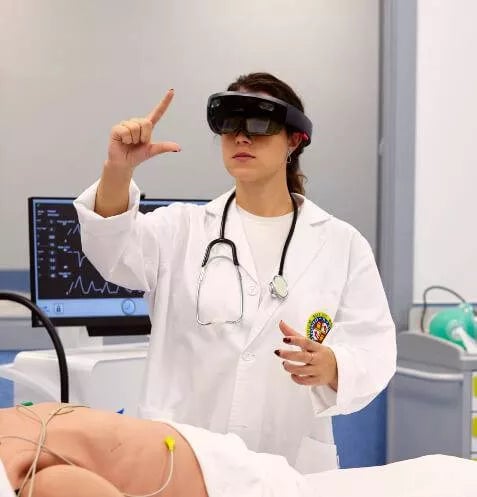
At UAX we know that studying is an investment, which is why we give you the resources to access our qualifications. Learn about some of our scholarships and grants:
A unique centre in Spain to complete your training in the most innovative, well-rounded way. Find out more
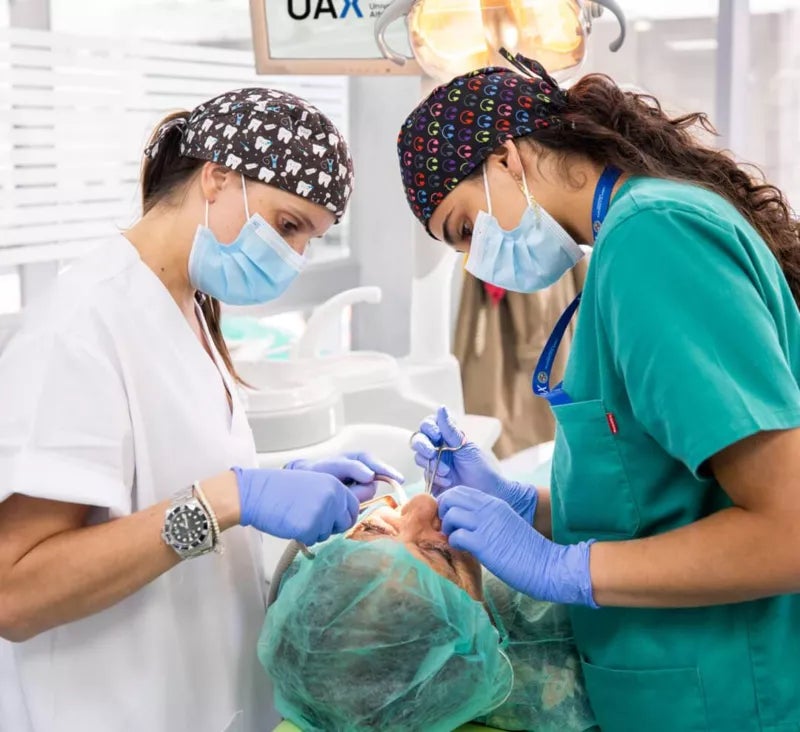
First healthcare facility created by UAX to provide you with the most comprehensive training focused on real-world practice. Find out more
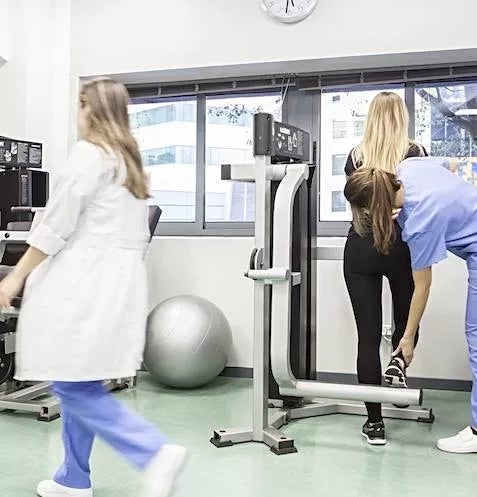
Using the most innovative medical resources, it aims to offer the best diagnosis and treatment of real patients. Find out more
You may also be interested in
Degree in Medicine

In collaboration with:

Start:
September
Length:
6 years