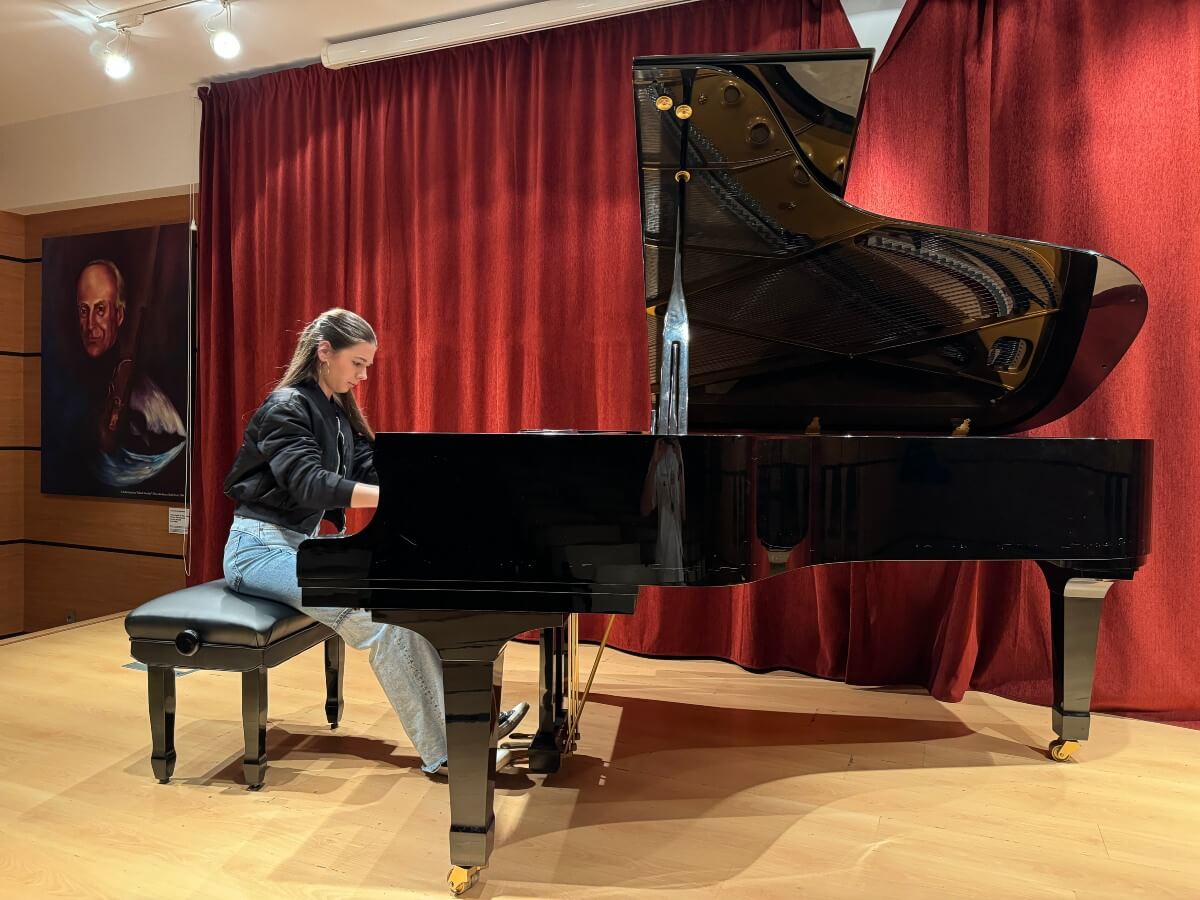
Start your music career and develop your full potential from day one, accompanied by internationally renowned professionals. Our programme is designed for you to enjoy intensive instrumental practice, using more than 11,000 m2 of specialised facilities. Join a unique educational experience with UAX that will prepare you to excel in the world of music.
What will you learn on the Classical Music Performance course?
With the Bachelor’s Degree in Musical Performance at Alfonso X el Sabio University, you’ll be prepared to realise your full potential through a programme centred on instrumental practice from day one.
You will receive personalised attention from a teaching staff comprising educators and concert performers of recognised national and international standing, and you will be able to undertake up to 6 hours a day of guided performance practice in our specialist facilities, covering over 11,000 m² and featuring 40 practice rooms.
You’ll develop essential skills in performance, communication and improvisation, and benefit from our international partnerships with more than five prestigious European universities.
Take the next step in your professional career and train at Spain’s leading music faculty, with over 20 years’ experience.
What will you learn on the Music Performance degree?
On the UAX Bachelor’s Degree in Musical Performance, you’ll have the opportunity to turn your passion for music into a successful professional career. If you want to develop your talent in a dynamic and professional environment, this programme is ideal for you. Throughout your music degree at UAX, you’ll acquire a solid technical and artistic grounding that will enable you to excel in the world of musical performance.
Advanced instrumental and vocal technique
Musical language and theory
Ensemble performance
History of classical music
Aural training and musical analysis
Improvisation and musical creativity
Stage presence and artistic communication
Technology applied to music
The methodology of the UAX Bachelor’s Degree in Musical Performance combines theoretical classes, individual and group practical sessions, and activities in real-world settings, such as concerts and artistic projects. With a personalised approach, it will enable you to develop both your musical skills and your creative and artistic abilities, so that you can successfully tackle the challenges of the professional world.
Teaching staff
Iván Martín
Piano
In his double facet of conducting and performing, he collaborates with the main Spanish orchestras and with others such as the London Philharmonic Orchestra, the Berliner Konzerthausorchester, the Wiener Kammerorchester or the Orchestre de Paris, among others.
David Salinas
Clarinet and bass clarinet
A solid international education and an outstanding career as a soloist, chamber musician and teacher characterise this performer, who also specialises in the bass clarinet. Trained in Bilbao, Rotterdam and New York, he has performed in some of the most prestigious concert halls in Europe and Japan, collaborating with leading orchestras and premiering works by prominent contemporary composers. He combines his artistic career with an intensive teaching programme at conservatoires, higher education institutions and centres for high-achieving musicians.
Damià Arenas
Double bass. Streicher School.
A double bassist with the RTVE Symphony Orchestra and Choir since 1999, he trained with Ferran Sala, Ludwig Streicher and Tom Martin. He combines his artistic career with an extensive teaching career and is the author of the method *Pasajes Orquestales para Contrabajo* (Boileau Publishers, 2024).
Cristina Cavalli
Piano
An Italian pianist, she trained under the guidance of teachers such as Sergio Fiorentino, Pier Narciso Masi and Marisa Somma. Her work as a soloist and teacher has led her to collaborate with leading institutions and festivals (including the Shanghai Symphony Hall, Auditorium Parco della Musica, St Martin-in-the-Fields and Sala Verdi, amongst others), giving concerts and masterclasses in various countries across Europe, Asia and the Americas.
Pilar Rius
Guitarist and cultural manager specialising in contemporary music.
As Director of the Ex Corde International Festival, she has enjoyed a distinguished international career as a performer and has premiered more than 50 works. She is currently Head of Studies at the Faculty of Music and Performing Arts at UAX and a board member of MUSICÓN.
Jorge Herrera Santander
Guitarist
A Peruvian guitarist with an outstanding international career, who has performed at venues such as the Berlin Philharmonic, the Elbphilharmonie in Hamburg and the Auditorio Nacional in Madrid. Trained at the Royal Conservatoire of Music in Madrid, he combines his concert career with university teaching and is one of the leading figures in Ibero-American guitar today.
Ivan Martín
Principal Viola, Community of Madrid Orchestra
Principal viola with the Community of Madrid Orchestra (ORCAM) since 1998, he trained in Spain, at the Harid Conservatory (USA) and at The Juilliard School in New York. He combines his work as an orchestral musician, soloist and chamber musician with a distinguished teaching career, and has been recognised with awards such as the Fulbright Award and the SGAE Prize.
María Martínez
Cello
Having trained in London, Cologne and the United States under renowned teachers, she has built an outstanding international career as a soloist and chamber musician. She also specialises in period performance and collaborates with prestigious ensembles, having performed at major festivals and concert halls across Europe and the US. She combines her artistic work with teaching at the Royal Conservatoire of Music in Madrid.
Juanjo Guillem
Solo percussionist, orchestral musician, teacher, composer and organiser.
A solo percussionist, composer and teacher, he is a leading figure in contemporary percussion. Having trained in Valencia, Barcelona, Madrid, Strasbourg and Manchester, he is a soloist with the Spanish National Orchestra, a lecturer at the CSKG and the UAX, and is actively involved in international concert and teaching activities.
Pilar Fontalba
Oboe
The first woman to hold a professorship in oboe in Spain, she combines a long and distinguished international career as a soloist – particularly in contemporary music – with an intense commitment to teaching and artistic creation. As principal oboist with the Navarre Symphony Orchestra, a member of leading ensembles and a promoter of innovative projects, she has premiered numerous works and performed at major European festivals.
Andrea Pérez
Cello
Having trained in London, Cologne and the United States under renowned teachers, she has built an outstanding international career as a soloist and chamber musician. She also specialises in historical performance and collaborates with prestigious ensembles, having performed at major festivals and concert halls across Europe and the US. She combines her artistic career with teaching at the Royal Conservatoire of Music in Madrid.
Alberto Urroz
Piano
One of the most outstanding, singular and multifaceted Spanish musicians of his generation; acclaimed pianist with an international career as soloist, active performer of chamber music, pianist accompanying great singers in recital and dance companies and dancers in important festivals.
Irene Núñez
Viola player
A violist with an international education at the Amsterdam Conservatoire and an extensive career in orchestral and chamber music. She regularly performs with ORCAM and other leading national and international orchestras, combining her performing career with teaching and projects in early music and chamber music.
Jonatan Sevilla
Tuba
Having graduated with an Extraordinary Award and first-class honours, he completed his training in Madrid and Amsterdam. He has performed with leading young and professional national and international orchestras, and pursues an active teaching career as a tuba teacher in the Community of Madrid, combining performance, research and projects such as the Madrid Brass Band.
Harold Hernandez
Tuba
Doctor "cum laude". Artist/Ambassador of Wessex Tubas and Mercer&Barker mouthpieces.Superior Teacher of Tuba and Lyric Singing, Master in Heritage Management and Educational Direction. He has developed his career in Europe and Latin America and is a tuba player with the OCC of Cordoba. Director of the Master's Degree in Instrumental Pedagogy at the UAX. Doctorate tutor in Mexico and Cuba. Author of the book Tubas y yo vengo and the blog "inBBflat". He participates in international congresses and collaborates in specialised media.
Xaro Martínez
Bassoon
She is a principal bassoonist with the Community of Madrid Orchestra and Choir, having trained in Madrid and Germany, and has experience in youth and international orchestras. She has held soloist posts in Finland and Seville and has won awards at prestigious national and international competitions.
Noelia García Cerros
Trumpet
With a degree and a Master’s in music research, she pursues an active career as a performer and teacher. She works with the Spanish National Orchestra and Choir and has taken part in various symphonic ensembles and international projects, combining her artistic work with teaching at professional conservatoires in the Community of Madrid.
Information on the Bachelor’s Degree in Musical Performance
Syllabus
Organised into 4 courses, the academic programme of the UAX Bachelor's Degree in Music Performance aims to master the technique and interpretation of your instrumental speciality. As well as the different teaching methodologies and the historical and theoretical aspects necessary for maximum knowledge applied to performance.
Composer and Sound Artist - Professor of Music Technology - Sonologist - Disseminator of music composition assisted with new technologies
Professor of music technology at the Real Conservatorio Superior de Música de Madrid in the specialities of Sonology and Composition. Professor of music production at UAX. ProProProfessor of the Master in Performing Arts at the Universidad Polite¿cnica de Madrid. Head of the sound module. PhD in electroacoustic composition from the NOVARS music research centre at the University of Manchester (UK) under the title Spectral Diffusion and Spectral Energy in Computer Aided Composition: Sculpting Space in Time.
.
Objectives
It is guaranteed that, upon completion of the Bachelor’s Degree in Music, students will be fully prepared to:
1. Apply all their knowledge, both theoretical and practical, demonstrating a thorough understanding, in order to begin their professional career. They will possess the artistic maturity and independence required for each of the professional roles they may undertake.
2. Apply all the knowledge acquired in a professional manner, whilst demonstrating the ability to critically assess and evaluate their own work. They will possess a proven and assessed knowledge of all periods and styles within their specialism.
3. To continue their training through the Master’s degree in performance, in order to continue gathering the information, data and practical experience essential for their technical and artistic development.
4. Demonstrate a high degree of personal autonomy, enabling them to continue developing their skills and to begin working in the professional sphere, progressing through self-directed learning and self-discipline.
Competencies
Basic and general competences:
CG1 – Ability to analyse and synthesise
CG11 – Problem-solving
CG5 – Information management skills
CB1 – Students have demonstrated that they possess and understand knowledge in a field of study building on the foundations of general secondary education; this is typically at a level which, whilst drawing on advanced textbooks, also includes some aspects requiring knowledge from the cutting edge of their field of study
CB2 – Students are able to apply their knowledge to their work or profession in a professional manner and possess the competences typically demonstrated through the formulation and defence of arguments and the resolution of problems within their field of study
CB3 – Students should be able to gather and interpret relevant data (usually within their field of study) in order to make judgements that include reflection on relevant social, scientific or ethical issues
CB4 – Students should be able to communicate information, ideas, problems and solutions to both specialist and non-specialist audiences
CB5 – Students should have developed the learning skills necessary to undertake further study with a high degree of autonomy
Specific Competences:
CE2 – Ability to recognise musically and analyse the formal and harmonic characteristics of different musical periods
CE23 – Ability to analyse and understand musical phenomena
CE1 - Ability to acquire the necessary and compulsory knowledge of music theory
CE14 - Ability to search for and select any type of source material and score for the in-depth study and research of the works to be performed
Learning Outcomes
• Understanding of the concepts and techniques specific to the modules the student chooses to undertake
• To provide the musical knowledge essential for any graduate in arts-related studies.
• Ability to engage in artistic and aesthetic reasoning and musical thinking.
• Ability to engage in abstract reasoning and logical thinking
• Ability to solve highly complex technical and musical problems.
• To foster in students the capacity for abstraction, rigour, analysis and synthesis.
• To know and understand the fundamentals of music.
Course content
Knowledge of music theory; fundamentals of applied harmony. Development of skills and acquisition of knowledge to facilitate students’ musical perception, creation, performance, reflection and documentation. Development of aural skills, concentration whilst listening, memory and musical intelligence. Common module for all pathways.
Teaching activities
1) Classroom-based presentation of concepts related to the topics comprising each subject and problem-solving exercises to enable students to learn how to tackle them, as well as other face-to-face sessions. 100% face-to-face
2) Activities of increasing difficulty that enable students to gradually develop the ability to work independently in solving subject-specific problems. 100% face-to-face
3) Completion of individual or group assignments outside the classroom. 0% face-to-face
4) Personal study, preparing for concerts, rehearsals, reading, etc., either individually or in groups. 0% face-to-face
5) Assessment tests. 100% face-to-face
Assessment system and criteria
Without prejudice to any other requirements that may be specified in the relevant course syllabus, as a general rule, failure to attend more than 70 per cent of the course’s teaching activities—which require the student’s physical or virtual presence—will result in the loss of the right to continuous assessment during the ordinary examination period. In this case, the examination to be held during the official period set by the University will be the sole assessment criterion, with the weighting specified in the course syllabus.
----
1) Assessment will be based on practical exercises carried out in small groups or individually, as well as on students’ performance in the classroom whilst undertaking these exercises. 30%
2) Submission of theoretical and practical assignments. 35%
3) For skills requiring knowledge of the course content, a series of written examinations and practical tests will be set to cover the range of learning activities carried out in the classroom. (Written and/or practical assessments throughout the semester, to assess the technical skills associated with the subject matter acquired through the student’s individual study). 35%
MARKING AND RUBRIC: each minor flaw in the various assignments, activities and examinations will result in a deduction of 0.5 out of 10. No work submitted after the last day of class will be marked.
Doctor in English Language and Linguistics and Master's Degree in Translation and Interculturality, he focuses his academic work on the study and teaching of specialised translation and the acquisition of linguistic skills in interdisciplinary contexts.
He has taught courses at Nankai University, focusing on the development of skills for understanding seminars on disciplines outside Spanish grammar, combining linguistic practice with theoretical analysis.
Among his main publications is Traducción Técnica, Español-Inglés/Inglés-Español (BA-AB), a teaching material designed to facilitate the learning of the subject of Technical Translation from both a theoretical and practical approach, contributing to the comprehensive training of students in the professional handling of specialised languages and contexts.
Objectives
To acquire the necessary skills using existing methods to achieve a C1 level in English, with particular emphasis on individual expression (spoken and written), the communicative process (speaking and listening), the correct use of spoken and written language (accuracy, coherence and appropriateness, lexical accuracy, spelling, vocabulary, pronunciation and creativity), and reading texts (reading, comprehension and critical thinking).
Skills
General and Basic Skills:
CG3 – Knowledge of a foreign language
CG5 – Information management skills
Basic Competences: CB1 – Students must have demonstrated that they possess and understand knowledge in an area of study building on the foundations of
general secondary education, and is typically at a level which, whilst drawing on advanced textbooks, also includes
certain aspects requiring knowledge drawn from the cutting edge of their field of study
CB2 – That students are able to apply their knowledge to their work or vocation in a professional manner and possess the
skills typically demonstrated through the development and defence of arguments and the resolution of problems within
their field of study
CB3 – Students should be able to gather and interpret relevant data (usually within their field of study)
in order to make judgements that include reflection on relevant social, scientific or ethical issues
CB4 - Students should be able to communicate information, ideas, problems and solutions to both specialist and non-specialist
specialist
CB5 – Students should have developed the learning skills necessary to undertake further study
with a high degree of autonomy
Specific Competences:
CE21 – Knowledge of foreign languages.
Learning outcomes
1. Proficiency in a foreign language
2. Carrying out work on specific topics.
3. Knowledge of professional procedures.
4. Knowledge of work methodology.
Course description
The content of this module is designed to enable students to acquire the skills and competences in reading comprehension, listening comprehension, speaking and writing that will allow them to function effectively in a professional context in a foreign language. Specifically, the course focuses on developing reading comprehension, listening comprehension, oral production and written production in English within the field of modern music.
Teaching activities
1) Classroom-based presentation of concepts related to the topics covered in each module and problem-solving exercises to help students understand how to tackle these topics, as well as other face-to-face sessions. 100% face-to-face
2) Activities of increasing difficulty enabling students to gradually develop the ability to work independently on solving subject-specific problems. 100% face-to-face
3) Completion of individual or group assignments outside the classroom. 0% face-to-face
4) Personal study, preparing for concerts, rehearsals, reading, etc., either individually or in groups. 0% face-to-face
5) Assessment tests. 100% face-to-face
6) 7- Online activities on the e-learning platform, such as downloading materials, listening exercises, sheet music, self-assessment tests, participation in forums and chat. 0% face-to-face
Assessment system and criteria
Without prejudice to any other requirements that may be specified in the relevant course syllabus, as a general rule, failure to attend more than 70 per cent of the course’s teaching activities—which require the student’s physical or virtual presence—will result in the loss of the right to continuous assessment during the standard examination period. In this case, the examination to be held during the official period set by the University will be the sole assessment criterion, with the weighting specified in the course syllabus.
----
ASSESSMENT SYSTEM:
1. Assessment will be based on practical interpretative exercises or the submission and defence of case studies carried out in small groups or individually: 50%
2. Submission of theoretical and practical activities and reports on their completion: 35%
3. For skills requiring knowledge of the course content, a series of written examinations and practical tests
covering the full range of classroom-based learning activities. (Written and/or practical assessments throughout the semester, to assess the technical skills associated with the course content acquired through the student’s independent study): 15%
The assessment systems used to verify and evaluate students’ acquisition of competences can be divided into two types:
- E1: Written tests throughout the semester to assess the technical skills associated with the subject, acquired through the student’s individual study.
- E3: Problem-solving, completing assignments, drafting reports, and presenting and defending case studies or projects (individually or in small groups).
The assessment process will be carried out with the aim of achieving the learning outcomes set out in the course description.
The assessments carried out will primarily evaluate two language skills (listening comprehension and oral expression).
To assess these skills, the following tests will be carried out:
• Vocabulary exercises (applied to oral presentation).
• Preparation and delivery of presentations on topics relating to the workplace and academia.
• Listening comprehension tests.
• Speaking tests.
CONTINUOUS ASSESSMENT
Students will be assessed through continuous assessment, as follows:
Practical exercises and partial assignments (Reading, Listening, Grammar, Vocabulary): 50%
Submission of theoretical and practical assignments and oral presentations: 35% (If a student passes the oral test with a minimum mark of 5 in class, this mark will be carried over to the main examination session)
Written test (Writing): 15%
Once all continuous assessment tests have been completed, if the overall average mark in any of these tests is below 2.5, the mark cannot be included in the overall average. In this case, the final mark will be a maximum of 3 and, therefore, the student must sit the corresponding ordinary examination session.
IMPORTANT:
Should a student have failed to sit any of the mid-term assessments or fail them, the ordinary examination will count for 100 per cent. In this case, students will be assessed as follows:
It is guaranteed that, upon completion of the Bachelor’s Degree in Music, students will be fully prepared to:
1. Apply all their knowledge, both theoretical and practical, demonstrating a thorough understanding, so that they may begin their professional career. They will possess the artistic maturity and independence required for each of the professional roles they may undertake.
2. Apply all the knowledge acquired in a professional manner, whilst demonstrating the ability to critically assess and evaluate their own work. They will possess a proven and assessed knowledge of all periods and styles within their specialism.
3. To continue their training through the Master’s degree in performance, in order to continue gathering the information, data and practical experience essential for their technical and artistic development.
4. Demonstrate a high degree of personal autonomy, enabling them to continue developing their skills and to begin working in the professional sphere, progressing through self-directed learning and self-discipline.
Competencies
Basic and General Competencies:
CG11 – Problem-solving
CG12 – Teamwork
CG14 – Knowledge of communication and leadership techniques
CG5 – Information management skills
CG7 – Independent learning
CG8 – Creativity, Leadership, Initiative and Entrepreneurial Spirit
CB1 - Students have demonstrated that they possess and understand knowledge in a field of study building on the foundations of general secondary education, typically at a level which, whilst drawing on advanced textbooks, also includes some aspects requiring knowledge from the cutting edge of their field of study
CB2 – Students should be able to apply their knowledge to their work or profession in a professional manner and possess the skills typically demonstrated through the formulation and defence of arguments and the resolution of problems within their field of study
CB3 – Students should be able to gather and interpret relevant data (usually within their field of study) in order to make judgements that include reflection on relevant social, scientific or ethical issues
CB4 – Students should be able to communicate information, ideas, problems and solutions to both specialist and non-specialist audiences
CB5 – Students should have developed the learning skills necessary to undertake further study with a high degree of autonomy
Specific competences:
CE16 – Ability to use fingering, pedal technique and perform the various types of touch required in the piano repertoire for the piano course, and ability to use fingering and bowing in the string instrument repertoire, as well as the correct selection of technique and appropriate bowing
CE18 – Ability to memorise
CE20 – Sufficient knowledge and understanding of the mechanics and construction of the instrument to enable a correct assessment of its sound and functioning
CE25 – Knowledge of a specific choral and orchestral repertoire
CE4 – Ability to exercise musical judgement
CE8 – Sufficient ability to sight-read and perform a piece correctly
CE9 - Ability to develop and deepen interpretative knowledge using the most appropriate study method
CE10 - Ability to analyse and reflect on all knowledge acquired in order to convey it effectively and apply that knowledge to professional practice
CE11 - Sufficient ability and knowledge to work in the music sector in any field related to performance and to adapt to different working environments
CE12 - Ability to develop all the knowledge required for ensemble work in orchestras, choirs and chamber music
CE15 - Adequate postural control and the necessary relaxation for instrumental practice
Learning outcomes
• To address interdisciplinary topics and work as part of a team to solve complex problems.
• To provide the musical culture essential for any graduate in arts-related studies.
• Ability to apply the knowledge acquired to the resolution of musical and technical problems.
• Ability to engage in artistic and aesthetic reasoning and musical thinking.
• Ability to solve highly complex technical and musical problems.
• To know and understand the main techniques of instrumental or vocal ensemble performance.
• To be familiar with the main choral or orchestral repertoire.
Description of the course content
Practical experience in various types of orchestral, vocal and mixed ensembles.
In-depth study of the skills involved in understanding and responding to the conductor’s instructions, and integrating into the ensemble, through an exploration of the choral and orchestral repertoire.
Further development of skills relating to understanding and responding to instructions within a medium-sized ensemble, and integration into the ensemble, through an exploration of 20th- and 21st-century repertoire.
Development of rehearsal habits and techniques.
Collaboration in establishing interpretative criteria, rapport and collective work.
Work by instrument sections.
Knowledge of the orchestral repertoire.
Training activities
1) Classroom-based presentation of concepts relating to the topics comprising each subject and problem-solving exercises enabling students to understand how to tackle them, as well as other face-to-face sessions. 100% face-to-face
2) Activities of increasing difficulty enabling students to gradually develop the ability to work independently in solving subject-specific problems. 100% face-to-face
3) Completion of individual or group assignments outside the classroom. 0% face-to-face
4) Personal study, preparing for concerts, rehearsals, reading, etc., either individually or in groups. 0% face-to-face
5) Assessment tests. 100% face-to-face
Assessment system and criteria
Without prejudice to any other requirements that may be specified in the relevant course syllabus, as a general rule, failure to attend more than 70 per cent of the course’s teaching activities—which require the student’s physical or virtual presence—will result in the loss of the right to continuous assessment during the standard examination period. In this case, the examination to be held during the official period set by the University will be the sole assessment criterion, with the weighting specified in the course syllabus.
----
REGULAR EXAMINATION PERIOD
1) Assessment will be based on practical interpretative exercises or the submission and defence of case studies carried out in small groups or individually, as well as students’ performance in the classroom whilst undertaking these tasks. 40%
2) Submission of theoretical and practical activities and reports on their completion. 40%
3) For skills requiring knowledge of the course content, a series of written examinations and practical tests will be set to cover the range of learning activities carried out in the classroom. (Written and/or practical assessments throughout the semester, to assess the technical skills associated with the subject matter acquired through the student’s individual study). 20%
- Attendance at the orchestra rehearsals scheduled during the academic year is compulsory.
EXTRAORDINARY EXAMINATION SESSION
Any student who has not passed the module in the ordinary assessment period must sit an ordinary examination, which will account for 100% of the final mark. The examination will consist of an individual performance of a selection of works or excerpts studied during the academic year.
Doctor in Musicology and Advanced Flamenco Studies from the UCM and the US. Flutist, musicologist and researcher specialising in flamenco, jazz and popular urban music, she also has a Master's degree in Spanish and Latin American Music and training in Flute and Jazz.
With six years' experience at the Alfonso X el Sabio University, she teaches Harmony, Ear Training, Sight-reading, Chamber Music and Combo, as well as directing final-year projects. His teaching and research career also covers music didactics, improvisation and interdisciplinarity in music.
He has published research on instrumental flamenco, the work of Falla and Zuloaga, and the teaching of flamenco and jazz, as well as directing research projects and doctoral theses.
.
Objectives
1. To apply all knowledge, both theoretical and practical, demonstrating a thorough understanding of the subject matter, in order to begin carrying out their professional work. To possess the artistic maturity and independence required to apply this knowledge to each of the roles they are called upon to fulfil.
2. To apply all the knowledge acquired in a professional manner, whilst demonstrating the ability to self-critique and evaluate the work being carried out. This should be underpinned by a proven and assessed understanding of all periods and styles within their specialism.
3. To continue their training through the Master’s degree in performance, in order to continue gathering the information, data and practical experience essential for their technical and artistic development.
4. Demonstrate a high degree of personal autonomy, enabling them to continue developing their skills and to begin working in the professional sphere, progressing through self-directed learning and self-discipline.
Competencies
Basic and General Competencies:
CG1 Ability to analyse and synthesise
CG9 Commitment to quality
CG11 Problem-solving
CB1 – That students have demonstrated that they possess and understand knowledge in an area of study which builds on the foundations of
general secondary education, and is typically found at a level which, whilst drawing on advanced textbooks, also includes
certain aspects requiring knowledge from the cutting edge of their field of study
CB2 – That students are able to apply their knowledge to their work or vocation in a professional manner and possess the
skills typically demonstrated through the development and defence of arguments and the resolution of problems within
their field of study
CB3 – Students should be able to gather and interpret relevant data (usually within their field of study)
in order to make judgements that include reflection on relevant social, scientific or ethical issues
CB4 - Students should be able to communicate information, ideas, problems and solutions to both specialist and non-specialist audiences
specialist
CB5 – Students should have developed the learning skills necessary to undertake further study
with a high degree of autonomy
Specific Competencies:
CE6. The ability to express oneself musically through technical and interpretative skills, based on one’s own artistic vision.
CE8. Sufficient ability to sight-read and perform music correctly.
CE10. The ability to analyse and reflect on all the knowledge acquired in order to convey it effectively and to apply that knowledge to professional practice.
CE17. Ability to execute phrasing, articulation, dynamics and all other elements inherent to the work’s distinctive style.
Learning outcomes
• Understanding of the concepts and techniques specific to the modules the student chooses to study
• Proficiency in the techniques and tools specific to the course area studied.
• Ability to apply the knowledge acquired to problem-solving.
• To foster in students the capacity for abstraction, rigour, analysis and synthesis.
• Ability to solve highly complex technical problems.
• Knowledge and understanding of the main techniques of vocal practice and aural training.
Course content description
Vocal practice involving reading, intonation and the performance of exercises.
Analysis of various elements through sight-reading and listening.
Understanding and expanding knowledge of musical terminology, notation and notation systems.
Understanding and expanding knowledge of the fundamentals and structure of musical language. Repertoire and variety of styles and genres.
Development of aural skills relating to the specific content of the subject through exercises, ‘live’ listening sessions and the use of information and communication technologies.
Transcription of rhythmic, melodic and harmonic passages, as well as other musical elements.
Recognition of keys.
Written or verbal commentary on the most relevant aspects of a musical excerpt.
Training activities
1) Classroom-based presentation of concepts related to the sub-subjects comprising each module and problem-solving exercises enabling students to learn how to tackle them, as well as other face-to-face sessions. 100% face-to-face
2) Activities of increasing difficulty enabling students to gradually develop the ability to work independently on solving subject-specific problems. 100% face-to-face
3) Completion of individual or group assignments outside the classroom. 0% face-to-face
4) Personal study, preparing for concerts, rehearsals, reading, etc., either individually or in groups. 0% face-to-face
5) Assessment tests. 100% face-to-face
Assessment system and criteria
Without prejudice to any other requirements that may be specified in the relevant course syllabus, as a general rule, failure to attend more than 70 per cent of the course’s teaching activities—which require the student’s physical or virtual presence—will result in the loss of the right to continuous assessment during the standard examination period. In this case, the examination to be held during the official period set by the University will be the sole assessment criterion, with the weighting specified in the course syllabus.
----
1) Assessment will be based on practical interpretative exercises or the submission and defence of case studies carried out in small groups or individually, as well as students’ performance in the classroom whilst undertaking these tasks. 35%
2) Submission of theoretical and practical activities and reports on their progress. 35%
3) For skills requiring knowledge of the course content, a series of written examinations and practical assessments will be set to cover the full range of learning activities carried out in the classroom. (Written and/or practical assessments throughout the semester, to assess the technical competences associated with the course content acquired through the student’s independent study). 30%
Doctor in Musicology. Teacher specialising in Music Education, with a degree in Music History and Science. Specialist in early music, medieval codicology and musical palaeography. She has recently developed the research project "Sounds of the past" at UAX. Her main lines of research focus on Early Music, musical iconography, musical pedagogy and educational innovation.
Objectives
It is guaranteed that, upon completion of the Bachelor’s Degree in Music, students will be fully prepared to:
1. Apply all their knowledge, both theoretical and practical, demonstrating a thorough understanding, so that they can begin their professional career. They will possess the artistic maturity and independence required for each of the professional roles they may undertake.
2. Apply all the knowledge acquired in a professional manner, whilst demonstrating the ability to critically assess and evaluate their own work. They will possess a proven and assessed knowledge of all periods and styles within their specialism.
3. To continue their training through the Master’s degree in performance, in order to continue gathering the information, data and practical experience essential for their technical and artistic development.
4. Demonstrate a high degree of personal autonomy, enabling them to continue developing their skills and to begin working in the professional sphere, progressing through self-directed learning and self-discipline.
Competencies
General Competencies:
GC1 – Ability to analyse and synthesise
CG15 – Ability to integrate into other cultures
CG2 – Oral and written communication in their native language
CB1 – That students have demonstrated knowledge and understanding in an area of study building on the foundations of
general secondary education, and is typically at a level which, whilst drawing on advanced textbooks, also includes
certain aspects requiring knowledge drawn from the cutting edge of their field of study
CB2 – That students are able to apply their knowledge to their work or vocation in a professional manner and possess the
skills typically demonstrated through the development and defence of arguments and the resolution of problems within
their field of study
CB3 – Students should be able to gather and interpret relevant data (usually within their field of study)
in order to make judgements that include reflection on relevant social, scientific or ethical issues
CB4 - Students should be able to communicate information, ideas, problems and solutions to both specialist and non-specialist
specialist
CB5 – Students should have developed the learning skills necessary to undertake further study
with a high degree of autonomy
Specific Competences:
CE2 – Ability to recognise musically and analyse the formal and harmonic characteristics of different musical periods
CE3 – Knowledge of the history of music and art, aesthetics and the cultural movements of each period
CE4 – Ability to form a musical judgement
CE1 – Ability to acquire the necessary and compulsory knowledge of music theory
Learning Outcomes
• Understanding of the concepts and techniques specific to the modules the student chooses to study
• Writing reports on the proposed case studies
• Ability to engage in artistic and aesthetic reasoning and musical thinking
• To develop in students the capacity for abstraction, rigour, analysis and synthesis.
• Knowledge and understanding of the main movements in the history of music
Description of the course content
Knowledge of the fundamental movements and trends in the history of music: artistic, cultural and social aspects.
Fundamental knowledge of music in relation to culture, from a historical and systematic perspective.
Analysis and interpretation of the social contexts in which this phenomenon occurs.
Integration of research and interpretation to achieve a comprehensive understanding of the phenomenon of musical practice.
Teaching activities
1) Classroom-based presentation of concepts related to the topics comprising each subject and problem-solving exercises enabling students to learn how to tackle them, as well as other face-to-face sessions. 100% face-to-face
2) Activities of increasing difficulty that enable students to gradually develop the ability to work independently in solving subject-specific problems. 100% face-to-face
3) Completion of individual or group assignments outside the classroom. 0% face-to-face
4) Personal study, preparing for concerts, rehearsals, reading, etc., either individually or in groups. 0% face-to-face
5) Assessment tests. 100% face-to-face
6) Online activities on the e-learning platform, such as downloading materials, listening exercises, sheet music, self-assessment tests, participation in forums and chat. 0% face-to-face
Assessment system and criteria
Without prejudice to any other requirements that may be specified in the relevant course syllabus, as a general rule, failure to attend more than 70 per cent of the course’s teaching activities—which require the student’s physical or virtual presence—will result in the loss of the right to continuous assessment during the standard examination period. In this case, the examination to be held during the official period set by the University will be the sole assessment criterion, with the weighting specified in the course syllabus.
----
1) For learning outcomes involving proficiency in the use of the instrument, assessment will be based on practical performance exercises or the submission and defence of case studies carried out in small groups or individually, as well as the student’s performance in the classroom whilst undertaking these tasks. 20%
2) Submission of theoretical and practical activities and reports on their progress. 20%
3) For competences involving knowledge of the course content, a series of written examinations and practical tests will be set to assess the range of learning activities carried out in the classroom. (Written and/or practical assessments throughout the semester, to assess the technical competences associated with the course content acquired through the student’s independent study). 60%
Guitarist and pedagogue, director of the Ex Corde International Guitar Festival and president of the AMM. Trained at the RCSMM and in Germany on a Humboldt scholarship, she specialises in contemporary music. She has premiered more than 50 works, recorded 3 CDs and performed internationally in solo and chamber projects. Professor and head of studies at the UAX, she is studying for a doctorate at the UAM and a master's degree in cultural management at the UNIR.
Objectives
It is guaranteed that, upon completion of the Bachelor’s Degree in Music, students will be fully prepared to:
1. Apply all their knowledge, both theoretical and practical, demonstrating a thorough understanding, so that they may begin their professional career. They will possess the artistic maturity and independence required for each of the professional roles they may undertake.
2. Apply all the knowledge acquired in a professional manner, whilst demonstrating the ability to critically assess and evaluate their own work. They will possess a proven and assessed understanding of all periods and styles within their specialism.
3. To continue their training through the Master’s degree in performance, in order to continue gathering the information, data and practical experience essential for their technical and artistic development.
4. Demonstrate a high degree of personal autonomy, enabling them to continue developing their skills and to begin working in the professional sphere, progressing through self-directed learning and self-discipline.
Competencies
General Competencies (GC)
(In drawing up these competences, relevant course descriptions in the field of Arts and Humanities have been taken into account)
Basic and General Competencies:
GC10 – Technical and interpretative ability
GC7 – Independent learning
CG9 – Commitment to quality
CB1 – Students have demonstrated that they possess and understand knowledge in an area of study building on the foundations of general secondary education; this is typically at a level which, whilst drawing on advanced textbooks, also includes certain aspects requiring knowledge from the cutting edge of their field of study
CB2 – That students are able to apply their knowledge to their work or vocation in a professional manner and possess the competences typically demonstrated through the formulation and defence of arguments and the resolution of problems within their field of study
CB3 – Students should be able to gather and interpret relevant data (usually within their field of study) in order to make judgements that include reflection on relevant social, scientific or ethical issues
CB5 - Students should have developed the learning skills necessary to undertake further study with a high degree of autonomy
Specific competences of the degree programme:
CE20 – Sufficient knowledge and understanding of the mechanics and construction of the instrument to enable a proper assessment of its sound and functioning
CE24 – Knowledge of a specific instrumental repertoire
CE4 – Ability to exercise musical judgement
CE6 - The ability to convey musical expression through technical and interpretative skills, based on one’s own
artistic vision
CE9 – Ability to develop and deepen interpretative knowledge using the most appropriate method of study
CE10 - Ability to analyse and reflect on all acquired knowledge in order to convey it effectively and
assess this knowledge for professional practice
CE13 - Ability to present the repertoire correctly, both technically and interpretatively, in the context of a
concert
Learning outcomes
• Understanding of the concepts and techniques specific to the modules the student chooses to undertake
• Proficiency in the techniques and tools specific to the course area studied.
• To provide the musical knowledge essential for any graduate in arts-related studies.
• Ability to apply the knowledge acquired to the resolution of musical and technical problems.
• Ability to engage in artistic and aesthetic reasoning and musical thinking.
• Ability to solve highly complex technical and musical problems.
• Knowledge and understanding of the main techniques of instrumental performance.
• To be familiar with the main instrumental repertoire
Description of the course content
Refinement of artistic, musical and technical skills, enabling students to tackle the performance of each instrument’s repertoire for each specialisation at the level required to complete the Bachelor’s degree in Performance. Knowledge of the interpretative criteria applicable to this repertoire, in accordance with its stylistic evolution. Stage presence. Synthesis and mastery of the fundamental aspects of professional musical performance. Development of a personal style as a performer and of creative maturity. Basic knowledge of the construction, maintenance, acoustic behaviour
and characteristics of the instrument in each specialisation.
Specialisations:
A. Piano, guitar, accordion, harp
B. Strings: violin, viola, cello, double bass
C. Wind instruments: flute, oboe, clarinet, bassoon, trombone, saxophone, trumpet, French horn, euphonium, English horn.
D. Percussion.
E. Voice
Training activities
1) Classroom-based presentation of concepts relating to the topics covered in each subject and the resolution of technical, interpretative or theoretical problems, enabling students to learn how to tackle them, as well as other face-to-face sessions: 100% face-to-face
2) Activities of increasing difficulty enabling students to gradually develop the ability to work independently in resolving subject-specific problems: 100% face-to-face
3) Completion of individual or group assignments outside the classroom: 0% face-to-face
4) Personal study, performing concerts, rehearsals, reading, etc., either individually or in groups: 0% face-to-face
5) Assessment tests: 100% face-to-face
Assessment system and criteria
Without prejudice to any other requirements that may be specified in the relevant course syllabus, as a general rule, failure to attend more than 70 per cent of the course’s teaching activities requiring the student’s physical or virtual presence will result in the loss of the right to continuous assessment during the standard examination period. In this case, the examination to be held during the official period set by the University will be the sole assessment criterion, with the weighting specified in the course syllabus.
----
Assessment will be based on practical interpretative exercises or the submission and defence of case studies carried out in small groups or individually: 60%
Submission of theoretical and practical activities and reports on their progress: 30%
For skills requiring knowledge of the course content, a series of written examinations and practical assessments will be set to cover the range of learning activities carried out in the classroom. (Written and/or practical assessments throughout the semester, to assess the technical competences associated with the subject matter acquired through the student’s individual study): 10%
EXTRAORDINARY EXAMINATION SESSION
Any student who has not passed the module in the ordinary assessment period must sit an ordinary examination, which will account for 100% of the final mark. The examination will consist of an individual performance of a selection of works or excerpts studied during the course.
Guitarist and pedagogue, director of the Ex Corde International Guitar Festival and president of the AMM. Trained at the RCSMM and in Germany on a Humboldt scholarship, she specialises in contemporary music. She has premiered more than 50 works, recorded 3 CDs and performed internationally in solo and chamber projects. Professor and head of studies at the UAX, she is studying for a doctorate at the UAM and a master's degree in cultural management at the UNIR.
Objectives
It is guaranteed that, upon completion of the Bachelor’s Degree in Music, students will be fully prepared to:
1. Apply all their knowledge, both theoretical and practical, demonstrating a thorough understanding, so that they may begin their professional career. They will possess the artistic maturity and independence required for each of the professional roles they may undertake.
2. Apply all the knowledge acquired in a professional manner, whilst demonstrating the ability to critically assess and evaluate their own work. They will possess a proven and assessed knowledge of all periods and styles within their specialism.
3. To continue their training through the Master’s degree in performance, in order to continue gathering the information, data and practical experience essential for their technical and artistic development.
4. Demonstrate a high degree of personal autonomy, enabling them to continue developing their skills and to begin working in the professional sphere, progressing through self-directed learning and self-discipline.
Competencies
Basic and General Competencies:
CG1 – Capacity for analysis and synthesis
CG12 – Teamwork
CG15 – Ability to integrate into other cultures
CB1 – Students have demonstrated that they possess and understand knowledge in a field of study building on the foundations of general secondary education; this is typically at a level which, whilst drawing on advanced textbooks, also includes certain aspects requiring knowledge from the cutting edge of their field of study
CB2 – That students are able to apply their knowledge to their work or profession in a professional manner and possess the competences typically demonstrated through the development and defence of arguments and the resolution of problems within their field of study
CB3 – Students should be able to gather and interpret relevant data (usually within their field of study) in order to make judgements that include reflection on relevant social, scientific or ethical issues
CB5 – Students should have developed the learning skills necessary to undertake further study with a high degree of autonomy
Specific competences:
CE16 – Ability to use fingering, pedal technique and perform the various types of touch required in the piano repertoire for the piano pathway, and ability to use fingering and bowing in the string instrument repertoire, as well as the correct selection of technique and appropriate bow stroke
CE17 – Ability to execute phrasing, articulation, dynamics and all elements inherent to the style of the work
CE18 – Ability to memorise
CE6 – Ability to convey musical expression through technical and interpretative skills, based on one’s own artistic vision
CE9 - Ability to develop and deepen interpretative knowledge using the most appropriate method of study
CE11 - Sufficient ability and knowledge to work in the music sector in any field related to performance and to adapt to different working environments
CE13 - Ability to present the repertoire correctly, both technically and interpretatively, in the context of a concert
Learning outcomes
• To address interdisciplinary topics and work as part of a team to solve complex problems.
• To provide the musical culture essential for any graduate in arts-related studies.
• The ability to apply the knowledge acquired to the resolution of musical and technical problems.
• Ability to engage in artistic and aesthetic reasoning and musical thinking.
• Ability to solve highly complex technical and musical problems.
• To know and understand the main techniques of ensemble instrumental performance.
• To be familiar with the main chamber music repertoire.
Course content
In-depth study of the specific aspects of chamber music performance.
Development of skills relating to the understanding and execution of the gestures necessary for ensemble coordination, and the ability to control not only one’s own part but also the overall result of the ensemble
through engagement with the repertoire.
Development of rehearsal habits and techniques.
Collaboration in establishing interpretative criteria, rapport and collective work.
Knowledge of the chamber music repertoire.
Training activities
1) Classroom-based presentation of concepts relating to the topics covered in each module and problem-solving exercises to enable students to understand how to tackle them, as well as other face-to-face sessions. 100% face-to-face
2) Activities of increasing difficulty enabling students to gradually acquire the ability to work independently in solving subject-specific problems. 100% face-to-face
3) Completion of individual or group assignments outside the classroom. 0% face-to-face
4) Personal study, preparing for concerts, rehearsals, reading, etc., either individually or in groups. 0% face-to-face
5) Assessment tests. 100% face-to-face
Assessment system and criteria
Without prejudice to any other requirements that may be specified in the relevant course syllabus, as a general rule, failure to attend more than 70 per cent of the course’s teaching activities—which require the student’s physical or virtual presence—will result in the loss of the right to continuous assessment during the standard examination period. In this case, the examination to be held during the official period set by the University will be the sole assessment criterion, with the weighting specified in the course syllabus.
----
1) Assessment will be based on practical interpretative exercises or the submission and defence of case studies carried out in small groups or individually, as well as students’ performance in the classroom whilst undertaking these tasks. 40%
2) Submission of theoretical and practical activities and reports on their progress. 40%
3) For skills requiring knowledge of the course content, a series of written examinations and practical tests will be set to assess the range of learning activities carried out in the classroom. (Written and/or practical assessments throughout the semester, to assess the technical competences associated with the subject matter acquired through the student’s independent study). 20%
A class attendance rate of over 80 per cent is required to pass the module.
Bibliography
Essential:
1. Marín López, Miguel Ángel
Joseph Haydn and the string quartet
Alianza. 2009.
ISBN: 9788420682693
2. Martin Linde, Hanz
A Short Guide to the Ornamentation of Music from the 16th–18th Centuries
Melos. 2007.
ISBN: 9789876112116
3. Rosen, Charles
The Classical Style: Haydn, Mozart, Beethoven
Alianza. 2015.
ISBN: 9788420697406
4. Salas Merino, Vicente
The History of Chamber Music and its Combinations
Vision Net, Publisher. 2005.
ISBN: 9788498210132
5. Torres del Rincón, Marta
In Unison: An Essential Guide to the Practice of Chamber Music
Dr. Paula García Talaván : Diplômée en Philologie Hispanique et en Théorie de la Littérature et Littérature Comparée, Docteur de l'Université de Salamanque et de l'Université Paris Sorbonne, agréé en tant que Professeur d'Université Privée. She is Professor of Communication and Spanish Language at the University Alfonso X el Sabio since 2016. Elle a participé au projet de recherche "Innovation technologique dans l'enseignement des langues" (TICELE). réf. 1.012.024 (projet d'innovation pédagogique, Santander-UAX 2021). Actuellement, elle fait partie du projet de i+D+i "Écrivains latino-américains dans les pays socialistes européens pendant la guerre froide" (ELASOCII). MICINN-AEI, Réf : PID2023-149252NB-I00.
Dra. Paula García Talaván: Licenciada en Filología Hispánica y Teoría de la Literatura y Literatura Comparada, doctora por la Universidad de Salamanca y la Universidad Paris Sorbonne, acreditada como Profesora de Universidad Privada. She is Professor of Communication and Spanish Language at the University Alfonso X el Sabio since 2016. She has participated in the research project ¿Innovación tecnológica en la enseñanza de lenguas¿ (TICELE). ref. 1.012.024 (proyecto de innovación docente, Santander¿UAX 2021). Currently is part of the r&d+i Latin American writers in the socialist European countries during the cold war¿ (ELASOC II).MICINN-AEI, Ref: PID2023-149252NB-I00.
University teacher specialising in Communication and Spanish as a Foreign Language, with teaching experience in international contexts. Graduate in English Studies (UAM) and with two official master's degrees in Spanish Language and Teacher Training. She has been a lecturerat Sichuan International Studies University (China) thanks to the prestigious MAEC-AECID grant from the Ministry of Foreign Affairs, European Union and Cooperation of Spain, teacher of Spanish in business environments in London and examiner of all DELE levels at the Instituto Cervantes in Beijing. She has a C1 level in English and A2 in Chinese. She is currently continuing her training and research in the field of Spanish Language and Literature.
Objectives
The main aim of the ‘Professional Communication Techniques’ module is to develop the communication skills of musicians who will need to communicate in various professional contexts. By taking this module, students will be able to introduce themselves, conduct an interview, present their work individually or as part of a team, describe a musical work and use a range of linguistic registers.
Prerequisites
None specified.
Competencies
Not applicable.
Learning outcomes
RCG2 Develops interpersonal skills in oral and written communication for the presentation of programmes, knowledge and group work in the field of modern music.
(Skills)
RCG11 Develops teamwork skills, with the aim of adapting effectively to the various interdisciplinary contexts typical of the field of modern music production, performance and dissemination.
(Skills)
RVODS Is able to develop effective communication, teamwork, analytical thinking, creativity and ethical leadership from a cross-disciplinary perspective, clearly inspired by democratic principles and values, as well as the Sustainable Development Goals, in order to thrive in a professional environment with integrity.
(Competence)
Description of course content
The course focuses on developing students’ interpersonal communication skills, their capacity for analysis and synthesis, and basic communication and information management techniques. Students acquire the skills and competences in reading comprehension, listening comprehension, oral expression and written expression that will enable them to function effectively in a professional context.
1. Introduction to Communication
1.1. Communication theory
1.2. Communication Channels
1.3. Communication strategies
2. Oral Communication
2.1. Verbal communication
2.2. Non-verbal communication
2.3. Presentations
2.4. Types of discourse and structures
3. Written communication
3.1. Textual properties and modes
3.2. Writing techniques
3.3. Summary techniques
3.4. Types of texts
4. Specialised communication
4.1. Specialised communication in the field of music
4.2. Introduction to academic work
Learning activities
Activities of increasing difficulty that enable students to gradually develop the ability to work independently in solving subject-specific problems.
Completion of individual or group assignments outside the classroom.
Assessment system and criteria
Without prejudice to any other requirements that may be set out in the relevant course syllabus, as a general rule, failure to attend more than 70 per cent of the course’s learning activities—which require the student’s physical or virtual presence—will result in the loss of the right to continuous assessment during the standard examination period. In this case, the examination to be held during the official period set by the University will be the sole assessment criterion, with the weighting specified in the course syllabus.
----
ASSESSMENT CRITERIA:
Completion of set practical work and exercises
Submission of individual and/or group assignments
Exams testing knowledge of the subject matter, problem-solving, reasoning, analysis of case studies, and the completion of projects or case studies, etc.
The assessment process will consist of verifying and evaluating the student’s acquisition of the competences. To this end, the following assessment activities will be used to determine the degree to which each of the listed competences has been mastered:
a) By type:
1. Completion of practical work and set exercises:
1.1. Coursera (5%)
1.2. Content tests (5%)
1.3. Summary (10%)
1.4. Discourse analysis (10%)
2. Presentation of individual and/or group assignments:
2.1. Oral presentation (30%). Minimum mark: 5
3. Exams testing knowledge of the subject matter (40%). Minimum mark: 5
b) Based on performance over the course of the two terms:
First term
o Continuous assessment test: Coursera (5%)
o Continuous assessment test (5%): test on the content covered in the module and on Coursera. 15 questions (multiple-choice and short-answer)
o Oral presentation (30%). Minimum mark: 5
Second term
o Continuous assessment test (10%): summary
o Continuous assessment test (10%): discourse analysis
o Written exam (40%). Minimum mark: 5
To be eligible for continuous assessment marks, students must have a minimum attendance rate of 70 per cent.
Students who have not passed the module through continuous assessment or in the ordinary examination session (oral presentation + written exam) must sit the examination in the supplementary session:
Supplementary sitting (100%). Students required to sit the supplementary sitting must take both parts of the examination: oral and written.
Practical exercises on types of discourse and structures
12
SM
Coursera (Week 3)
13
MG
Textual properties and modes. Types of text
14
SM
Practical exercises on textual properties and modes. Text types
15
EV
Assessment Test – CO11Q
5
16
EV
Assessment Test – CO11Q
17
MG
Presentations
18
SM
Oral presentation practice. Presentations
19
MG
Presentations
20
SM
Oral presentation practice. Presentations
21
SM
Oral presentation practice. Presentations
22
SM
Oral presentation practice. Presentations
23
CN
Revision and questions
24
SM
Revision and queries
25
EV
Assessment Test – CO21Q
5
26
EV
Assessment Test - CO21Q
27
SM
Revision and questions
28
CN
Revision and queries
29
MG
Introduction to academic writing
30
SM
Practical: Academic work
31
SM
Revision and Q&A
32
CN
Revision and queries
33
EV
Assessment Test – Q1 Mid-term Exam
30
34
MG
Writing Techniques
35
SM
Practical Writing Techniques
36
MG
Summary techniques
37
SM
Practical exercise: summary (I)
38
SM
Practical: summary (II)
39
SM
Practical: summary (III)
40
EV
Assessment Test – CO12Q
10
41
EV
Assessment Test – CO12Q
42
MG
Specialist Communication
43
SM
Practical work: podcasts, radio, video
44
MG
Specialised communication
45
SM
Practical work: music dossier, social media, programme notes
46
MG
Specialised communication
47
SM
Practical work: music criticism, events
48
MG
Specialist communication
49
SM
Practical: CV, cover letter, personal profile
50
SM
Revision and questions
51
CN
Revision and queries
52
MG
Discourse analysis
53
SM
Practical: discourse analysis (I)
54
SM
Practical: discourse analysis (II)
55
SM
Practical: discourse analysis (III)
56
EV
Assessment Test – CO22Q
10
57
EV
Assessment Test – CO22Q
58
MG
Specialist Communication
59
SM
Practical work: business correspondence and quotations
60
SM
Revision and questions
61
CN
Revision and queries
62
EV
Assessment Test – Q2 Final Exam
40
Bibliography
Core:
1. Instituto Cervantes
The Book of Correct Spanish. Keys to Speaking and Writing Spanish Well.
Espasa. 2012.
ISBN: 978-84-670-41
Supplementary:
2.- Alcalde, Jesús
Music and Communication. Basic Points of Contact
Fragua. 2007.
ISBN: 9788470742316
3.- De Aguilera, Miguel, (ed.)
Communication and Music 1: Language and Media
UOC (Open University of Catalonia). 2008.
ISBN: 9788497887205
4. Hermida, José
Speaking Without Words: How to Master Any Situation Through Gestures
5th ed. Fragua. 2010.
ISBN: 9788484608912
5. – Instituto Cervantes
The 500 Most Frequently Asked Questions about Spanish
Espasa. 2013.
ISBN: 978-84-670-39
6. Merayo Pérez, Arturo
A Practical Course in Oral Communication Techniques
2nd ed. Madrid: Tecnos, 2008. 2008.
ISBN: 9788430937363
7. REYES, Graciela
How to Write Well in Spanish: A Writing Guide
Madrid: Arco Libros, 1999. 1999.
ISBN: 8476353278
8. Victoriano Darias de las Heras
Music and the Media
Dykinson S.L. 2018.
ISBN: 978-84-9148-7
Others:
9. Alcoba, S.
Oral Expression
Barcelona: Ariel, 2000. 2000.
ISBN: 8434428512
10. Djamil Tony Kahale Carrillo
Music and Equality through its Lyrics
Dykinson S.L. 2021.
ISBN: 9788413902937
11. Gómez Torrego, Leonardo
Speaking and Writing Correctly
Arco Libros. 2006.
ISBN: 978-84-7635-8
12. Guijarro, T. and Muela, C.
Music, the Voice, Sound Effects and Silence in Advertising
Dossat. 2000.
ISBN: 8489656657
13. Montolío, Estrella
A Practical Guide to Academic Writing
Ariel. 2000.
ISBN: 8434428679
14. Royal Spanish Academy
Spelling of the Spanish Language
Espasa-Calpe. 2010.
ISBN: 9788467034264
Links
Body language: The body reveals what the mind conceals. Jordi Reche – Non-verbal communication has a considerably greater impact than words in most situations. And people are often not even remotely aware
of this. Every gesture, every glance, every posture shapes a
first impression. Your body language affects the people around you, how you relate to them and how they treat you. And, of course, it affects you.
Learn to communicate your ideas. Leonardo Daniel Tlaloni Zepeda – Communication depends on what you feel, what you think and who you are. Discover the elements which, in his experience, are essential for successful communication or conveying a message in any context.
A love of opera through musical outreach – The musician and outreach specialist, Ramón Gener, is able to introduce us to a world that awakens our curiosity, stirring something deep within us and making us feel.
- To recognise the graphical representation of sound and its notation in Western musical notation.
- To identify and use each of the basic rhythmic symbols.
- To understand the role of melody within a musical work.
- To recognise and interpret the importance of harmony within the tonal system.
Prerequisites
None
Learning outcomes
RCE3. Understands the theoretical and practical principles of musical expression, such as melody, rhythm, harmony, counterpoint and texture, in order to analyse musical scores correctly.
Composer and Sound Artist - Professor of Music Technology - Sonologist - Disseminator of music composition assisted with new technologies
Professor of music technology at the Real Conservatorio Superior de Música de Madrid in the specialities of Sonology and Composition. Professor of music production at UAX. ProProProfessor of the Master in Performing Arts at the Universidad Polite¿cnica de Madrid. Head of the sound module. PhD in electroacoustic composition from the NOVARS music research centre at the University of Manchester (UK) under the title Spectral Diffusion and Spectral Energy in Computer Aided Composition: Sculpting Space in Time.
.
Objectives
It is guaranteed that, upon completion of the Bachelor’s Degree in Music, students will be fully prepared to:
1. Apply all their knowledge, both theoretical and practical, demonstrating a thorough understanding, in order to begin their professional career. They will possess the artistic maturity and independence required for each of the professional roles they may undertake.
2. Apply all the knowledge acquired in a professional manner, whilst demonstrating the ability to critically assess and evaluate their own work. They will possess a proven and assessed knowledge of all periods and styles within their specialism.
3. To continue their training through the Master’s degree in performance, in order to continue gathering the information, data and practical experience essential for their technical and artistic development.
4. Demonstrate a high degree of personal autonomy, enabling them to continue developing their skills and to begin working in the professional sphere, progressing through self-directed learning and self-discipline.
Competencies
Basic and general competences:
CG1 – Ability to analyse and synthesise
CG11 – Problem-solving
CG5 – Information management skills
CB1 – Students have demonstrated that they possess and understand knowledge in a field of study building on the foundations of general secondary education; this is typically at a level which, whilst drawing on advanced textbooks, also includes some aspects requiring knowledge from the cutting edge of their field of study
CB2 – Students are able to apply their knowledge to their work or profession in a professional manner and possess the competences typically demonstrated through the formulation and defence of arguments and the resolution of problems within their field of study
CB3 – Students should be able to gather and interpret relevant data (usually within their field of study) in order to make judgements that include reflection on relevant social, scientific or ethical issues
CB4 – Students should be able to communicate information, ideas, problems and solutions to both specialist and non-specialist audiences
CB5 – Students should have developed the learning skills necessary to undertake further study with a high degree of autonomy
Specific Competences:
CE2 – Ability to recognise musically and analyse the formal and harmonic characteristics of different musical periods
CE23 – Ability to analyse and understand musical phenomena
CE1 - Ability to acquire the necessary and compulsory knowledge of music theory
CE14 - Ability to search for and select any type of source material and score for the in-depth study and research of the works to be performed
Learning Outcomes
• Understanding of the concepts and techniques specific to the modules the student chooses to undertake
• To provide the musical knowledge essential for any graduate in arts-related studies.
• Ability to engage in artistic and aesthetic reasoning and musical thinking.
• Ability to engage in abstract reasoning and logical thinking
• Ability to solve highly complex technical and musical problems.
• To foster in students the capacity for abstraction, rigour, analysis and synthesis.
• To know and understand the fundamentals of music.
Course content
Knowledge of music theory; fundamentals of applied harmony. Development of skills and acquisition of knowledge to facilitate students’ musical perception, creation, performance, reflection and documentation. Development of aural skills, concentration whilst listening, memory and musical intelligence. Common module for all pathways.
Teaching activities
1) Classroom-based presentation of concepts related to the topics comprising each subject and problem-solving exercises to enable students to learn how to tackle them, as well as other face-to-face sessions. 100% face-to-face
2) Activities of increasing difficulty that enable students to gradually develop the ability to work independently in solving subject-specific problems. 100% face-to-face
3) Completion of individual or group assignments outside the classroom. 0% face-to-face
4) Personal study, preparing for concerts, rehearsals, reading, etc., either individually or in groups. 0% face-to-face
5) Assessment tests. 100% face-to-face
Assessment system and criteria
Without prejudice to any other requirements that may be specified in the relevant course syllabus, as a general rule, failure to attend more than 70 per cent of the course’s teaching activities—which require the student’s physical or virtual presence—will result in the loss of the right to continuous assessment during the standard examination period. In this case, the examination to be held during the official period set by the University will be the sole assessment criterion, with the weighting specified in the course syllabus.
----
1) Assessment will be based on practical exercises carried out in small groups or individually, as well as on students’ performance in the classroom whilst undertaking these exercises. 30%
2) Submission of theoretical and practical assignments. 35%
3) For skills requiring knowledge of the course content, a series of written examinations and practical tests will be set to cover the range of learning activities carried out in the classroom. (Written and/or practical assessments throughout the semester, to assess the technical skills associated with the subject matter acquired through the student’s individual study). 35%
MARKING AND RUBRIC: each minor flaw in the various assignments, activities and examinations will result in a deduction of 0.5 out of 10. No work submitted after the last day of class will be marked.
Year 2. Annual module. Foundation course. 6 credits.
Profesores
Luis Orlando
Poulter
Rodríguez
- Coordinador
Jorge
Justo
Prieto
Objectives
To acquire the necessary skills using existing methods to achieve a C1 level in English, with particular emphasis on individual expression (spoken and written), the communicative process (speaking and listening), the correct use of spoken and written language (accuracy, coherence and appropriateness, lexical accuracy, spelling, vocabulary, pronunciation and creativity), and reading texts (reading, comprehension and critical thinking).
Skills
General and Basic Skills:
CG3 – Knowledge of a foreign language
CG5 – Information management skills
Basic Competences: CB1 – Students must have demonstrated that they possess and understand knowledge in a field of study building on the foundations of
general secondary education, and is typically at a level which, whilst drawing on advanced textbooks, also includes
certain aspects requiring knowledge drawn from the cutting edge of their field of study
CB2 – That students are able to apply their knowledge to their work or vocation in a professional manner and possess the
skills typically demonstrated through the development and defence of arguments and the resolution of problems within
their field of study
CB3 – Students should be able to gather and interpret relevant data (usually within their field of study)
in order to make judgements that include reflection on relevant social, scientific or ethical issues
CB4 - Students should be able to communicate information, ideas, problems and solutions to both specialist and non-specialist
specialist
CB5 – Students should have developed the learning skills necessary to undertake further study
with a high degree of autonomy
Specific Competences:
CE21 – Knowledge of foreign languages.
Learning outcomes
1. Proficiency in a foreign language
2. Carrying out work on specific topics.
3. Knowledge of professional procedures.
4. Knowledge of work methodology.
Course description
The content of this module is designed to enable students to acquire the skills and competences in reading comprehension, listening comprehension, speaking and writing that will allow them to function effectively in a professional context in a foreign language. Specifically, the course focuses on developing reading comprehension, listening comprehension, oral production and written production in English within the field of modern music.
Teaching activities
1) Classroom-based presentation of concepts related to the topics covered in each module and problem-solving exercises to help students understand how to tackle these topics, as well as other face-to-face sessions. 100% face-to-face
2) Activities of increasing difficulty enabling students to gradually develop the ability to work independently on solving subject-specific problems. 100% face-to-face
3) Completion of individual or group assignments outside the classroom. 0% face-to-face
4) Personal study, preparing for concerts, rehearsals, reading, etc., either individually or in groups. 0% face-to-face
5) Assessment tests. 100% face-to-face
6) 7- Online activities on the e-learning platform, such as downloading materials, listening exercises, sheet music, self-assessment tests, participation in forums and chat. 0% face-to-face
Assessment system and criteria
Without prejudice to any other requirements that may be specified in the relevant course syllabus, as a general rule, failure to attend more than 70 per cent of the course’s teaching activities—which require the student’s physical or virtual presence—will result in the loss of the right to continuous assessment during the standard examination period. In this case, the examination to be held during the official period set by the University will be the sole assessment criterion, with the weighting specified in the course syllabus.
----
ASSESSMENT SYSTEM:
1. For competences involving knowledge of course content, a series of written examinations and practical assessments will be set to cover the range of teaching activities carried out in the classroom. (Written and/or practical tests throughout the semester, to assess the technical competences associated with the subject matter acquired through the student’s individual study): 55%
2. Submission of theoretical and practical activities and reports on their completion: 35%
3. Assessment will be based on practical interpretative exercises or the submission and defence of case studies carried out in small groups or individually: 10 per cent
The assessment methods used to verify and evaluate students’ acquisition of skills can be divided into two types:
- E1: Written tests throughout the semester, to assess the technical skills associated with the module acquired through the student’s independent study.
- E3: Problem-solving, completing assignments, drafting reports, and presenting and defending case studies or projects (either individually or in small groups).
The assessment process will be carried out with the aim of achieving the learning outcomes set out in the course description.
The assessments carried out will primarily evaluate three language skills (listening comprehension, oral expression and written expression).
To assess these skills, the following tests will be carried out:
• Vocabulary exercises (applied to oral and written expression).
• Preparation and delivery of presentations on topics relating to the workplace and academia.
• Listening comprehension tests.
• Speaking tests.
CONTINUOUS ASSESSMENT – 70% attendance required
Students will be assessed through continuous assessment, provided they have attended 70 per cent of the classes, as follows:
Practical exercises and two mid-term exams (Reading, Listening, Grammar, Vocabulary, Writing): 55 per cent [25 per cent first mid-term and 30 per cent second mid-term]
Submission of theoretical and practical assignments and two oral presentations: 35% [15% first oral and 20% second oral] (If a student passes the oral assessment with a minimum mark of 5 in class, this mark will be carried over to the main examination session)
Lecturer’s assessment and classwork or Coursera course: 10%
Once all continuous assessment tests have been completed, if the overall average mark in any of these tests is below 3, no average will be calculated. Therefore, the student must sit the corresponding ordinary examination session.
IMPORTANT:
If a student has not taken any of the mid-term assessments, has failed them, or has not attended 70 per cent of the classes, the ordinary examination will account for 100 per cent of the mark. In this case, students will be assessed as follows:
Assessment testing multiple skills 50 per cent
Oral presentation 50 per cent
FINAL EXAM: EXTRAORDINARY SESSION
Students will be assessed as follows:
Assessment of various skills: 50 per cent
Oral presentation 50%
Bibliography
Core:
1. Helen Stephenson, Lewis Lansford & Paul Dummett
It is guaranteed that, upon completion of the Bachelor’s Degree in Music, students will be fully prepared to:
1. Apply all their knowledge, both theoretical and practical, demonstrating a thorough understanding, in order to begin their professional career. They will possess the artistic maturity and independence required for each of the professional roles they may undertake.
2. Apply all the knowledge acquired in a professional manner, whilst demonstrating the ability to critically assess and evaluate their own work. They will possess a proven and assessed knowledge of all periods and styles within their specialism.
3. To continue their training through the Master’s degree in performance, in order to continue gathering the information, data and practical experience essential for their technical and artistic development.
4. Demonstrate a high degree of personal autonomy, enabling them to continue developing their skills and to begin working in the professional sphere, progressing through self-directed learning and self-discipline.
Competencies
Basic and General Competencies:
CG11 – Problem-solving
CG12 – Teamwork
CG14 – Knowledge of communication and leadership techniques
CG5 – Information management skills
CG7 – Independent learning
CG8 – Creativity, Leadership, Initiative and Entrepreneurial Spirit
CB1 - Students have demonstrated that they possess and understand knowledge in a field of study building on the foundations of general secondary education, typically at a level which, whilst drawing on advanced textbooks, also includes some aspects requiring knowledge from the cutting edge of their field of study
CB2 – Students should be able to apply their knowledge to their work or profession in a professional manner and possess the skills typically demonstrated through the formulation and defence of arguments and the resolution of problems within their field of study
CB3 – Students should be able to gather and interpret relevant data (usually within their field of study) in order to form judgements that include reflection on relevant social, scientific or ethical issues
CB4 – Students should be able to communicate information, ideas, problems and solutions to both specialist and non-specialist audiences
CB5 – Students should have developed the learning skills necessary to undertake further study with a high degree of autonomy
Specific competences:
CE16 – Ability to use fingering, pedal technique and perform the various types of touch required in the piano repertoire for the piano course, and ability to use fingering and bowing in the string instrument repertoire, as well as the correct selection of technique and appropriate bowing
CE18 – Ability to memorise
CE20 – Sufficient knowledge and understanding of the mechanics and construction of the instrument to enable a correct assessment of its sound and functioning
CE25 – Knowledge of a specific choral and orchestral repertoire
CE4 – Ability to exercise musical judgement
CE8 – Sufficient ability to sight-read and perform a piece correctly
CE9 - Ability to develop and deepen interpretative knowledge using the most appropriate study method
CE10 - Ability to analyse and reflect on all knowledge acquired in order to convey it effectively and apply that knowledge to professional practice
CE11 - Sufficient ability and knowledge to work in the music sector in any field related to performance and to adapt to different working environments
CE12 - Ability to develop all the knowledge required for ensemble work in orchestras, choirs and chamber music
CE15 - Adequate postural control and the necessary relaxation for instrumental practice
Learning outcomes
• To address interdisciplinary topics and work as part of a team to solve complex problems.
• To provide the musical culture essential for any graduate in arts-related studies.
• Ability to apply the knowledge acquired to the resolution of musical and technical problems.
• Ability to engage in artistic and aesthetic reasoning and musical thinking.
• Ability to solve highly complex technical and musical problems.
• To know and understand the main techniques of instrumental or vocal ensemble performance.
• To be familiar with the main choral or orchestral repertoire.
Description of the course content
Practical experience in various types of orchestral, vocal and mixed ensembles.
In-depth study of the skills involved in understanding and responding to the conductor’s instructions, and integrating into the ensemble, through an exploration of the choral and orchestral repertoire.
Further development of skills relating to understanding and responding to instructions within a medium-sized ensemble, and integration into the ensemble, through an exploration of 20th- and 21st-century repertoire.
Development of rehearsal habits and techniques.
Collaboration in establishing interpretative criteria, rapport and collective work.
Work by instrument sections.
Knowledge of the orchestral repertoire.
Training activities
1) Classroom-based presentation of concepts relating to the topics comprising each subject and problem-solving exercises enabling students to understand how to tackle them, as well as other face-to-face sessions. 100% face-to-face
2) Activities of increasing difficulty enabling students to gradually develop the ability to work independently in solving subject-specific problems. 100% face-to-face
3) Completion of individual or group assignments outside the classroom. 0% face-to-face
4) Personal study, preparing for concerts, rehearsals, reading, etc., either individually or in groups. 0% face-to-face
5) Assessment tests. 100% face-to-face
Assessment system and criteria
Without prejudice to any other requirements that may be specified in the relevant course syllabus, as a general rule, failure to attend more than 70 per cent of the course’s teaching activities—which require the student’s physical or virtual presence—will result in the loss of the right to continuous assessment during the standard examination period. In this case, the examination to be held during the official period set by the University will be the sole assessment criterion, with the weighting specified in the course syllabus.
----
REGULAR EXAMINATION PERIOD
1) Assessment will be based on practical interpretative exercises or the submission and defence of case studies carried out in small groups or individually, as well as students’ performance in the classroom whilst undertaking these tasks. 40%
2) Submission of theoretical and practical activities and reports on their completion. 40%
3) For skills requiring knowledge of the course content, a series of written examinations and practical tests will be set to cover the full range of learning activities carried out in the classroom. (Written and/or practical assessments throughout the semester, to assess the technical skills associated with the subject matter acquired through the student’s individual study). 20%
- Attendance at the orchestra rehearsals scheduled during the academic year is compulsory.
EXTRAORDINARY EXAMINATION SESSION
Any student who has not passed the module in the ordinary assessment period must sit an ordinary examination, which will account for 100% of the final mark. The examination will consist of an individual performance of a selection of works or excerpts studied during the academic year.
Doctor by the UNED. ANECA-accredited lecturer (tenured lecturer, assistant lecturer and private university lecturer). Senior Lecturer in Composition and Instrumentation. Senior Lecturer in Solfeggio, Transposition and Piano Accompaniment. Professor of piano ¿Composer with a solid background in scientific research in the field
Doctor in Musicology. Master's Degree in Spanish and Latin American Music. Graduate in piano. Member of the research project MadMusic-CM. Espacios, géneros y públicos de la música en Madrid, ss. XVII-XX. Main lines of research: Spanish Musical theatre of the 18th century, Women and Music in the 18th century.
MadMusic-CM.
Objectives
It is guaranteed that, upon completion of the Bachelor’s Degree in Music, students will be fully prepared to:
1. Apply all their knowledge, both theoretical and practical, demonstrating a thorough understanding, in order to begin their professional career. They will possess the artistic maturity and independence required for each of the professional roles they may undertake.
2. Apply all the knowledge acquired in a professional manner, whilst demonstrating the ability to critically assess and evaluate their own work. They will possess a proven and assessed knowledge of all periods and styles within their specialism.
3. To continue their training through the Master’s degree in performance, in order to continue gathering the information, data and practical experience essential for their technical and artistic development.
4. Demonstrate a high degree of personal autonomy, enabling them to continue developing their skills and to begin working in the professional sphere, progressing through self-directed learning and self-discipline.
Competencies
General Competencies (GC)
GC1 – Ability to analyse and synthesise
GC11 – Problem-solving
GC12 – Teamwork
GC2 – Oral and written communication in one’s native language
GC5 – Information management skills
CG6 – Critical reasoning
CB1 - Students have demonstrated that they possess and understand knowledge in a field of study building on the foundations of general secondary education; this is typically at a level which, whilst drawing on advanced textbooks, also includes some aspects requiring knowledge from the cutting edge of their field of study
CB2 - Students are able to apply their knowledge to their work or profession in a professional manner and possess the skills typically demonstrated through the formulation and defence of arguments and the resolution of problems within their field of study
CB3 – Students should be able to gather and interpret relevant data (usually within their field of study) in order to make judgements that include reflection on relevant social, scientific or ethical issues
CB4 – Students should be able to communicate information, ideas, problems and solutions to both specialist and non-specialist audiences
CB5 – Students should have developed the learning skills necessary to undertake further study with a high degree of autonomy
Specific competences:
CE3 – Knowledge of the history of music and art, aesthetics and the cultural movements of each period
CE4 – Ability to exercise musical judgement
CE5 - Ability to understand the importance of musical creation as the basis for the communication of ideas
Learning outcomes
• To use the vocabulary, codes and concepts inherent to the artistic field.
• Critically understand the theory, evolution and current discourse on aesthetic values, as well as the social dimension of art.
• Understand and evaluate artistic discourses in relation to one’s own work.
• Be familiar with research methodology covering sources, analysis, interpretation and synthesis.
• To be familiar with and understand the main aesthetic trends in music
• Ability to engage in artistic and aesthetic reasoning and musical thinking.
• Identify artistic and/or socio-cultural issues, as well as the factors that give rise to specific artistic discourses.
• To present complex artistic problems and projects clearly, both orally and in writing
Course content
Basic concepts of Art History.
Introduction to historical methods. Parameters and models.
Historiographical diversity, in formal, iconographic, anthropological, social and economic terms. Art movements and manifestos.
Art in relation to society and culture, and shifts in aesthetic paradigms.
Historical knowledge and critical assessment of the various trends and movements relating to musical aesthetics.
Fundamental understanding of music in relation to culture, from an aesthetic perspective.
Analysis and interpretation of the social contexts in which this phenomenon occurs.
Stylistic approaches and requirements associated with performance.
Teaching activities
1) Classroom-based presentation of concepts related to the topics comprising each subject and problem-solving exercises enabling students to learn how to tackle them, as well as other face-to-face sessions. 100% face-to-face
2) Activities of increasing difficulty enabling students to gradually develop the ability to work independently in solving subject-specific problems. 100% face-to-face
3) Completion of individual or group assignments outside the classroom. 0% face-to-face
4) Personal study, preparing for concerts, rehearsals, reading, etc., either individually or in groups. 0% face-to-face
5) Assessment tests. 100% face-to-face
6) Online activities on the e-learning platform, such as downloading materials, listening exercises, sheet music, self-assessment tests, participation in forums and chat. 0% face-to-face
Assessment system and criteria
Without prejudice to any other requirements that may be specified in the relevant course syllabus, as a general rule, failure to attend more than 70 per cent of the course’s teaching activities—which require the student’s physical or virtual presence—will result in the loss of the right to continuous assessment during the standard examination period. In this case, the examination to be held during the official period set by the University will be the sole assessment criterion, with the weighting specified in the course syllabus.
----
1) Assessment will be based on practical interpretative exercises or the submission and defence of case studies carried out in small groups or individually, as well as students’ performance in the classroom whilst undertaking these tasks (10%).
2) Submission of theoretical and practical activities and reports on their completion (30 per cent).
3) For skills requiring knowledge of the course content, a series of written examinations and practical tests will be set to assess the range of learning activities carried out in the classroom. (Written and/or practical assessments throughout the semester, to assess the technical competences associated with the course content acquired through the student’s independent study) (60%).
Guitarist and pedagogue, director of the Ex Corde International Guitar Festival and president of the AMM. Trained at the RCSMM and in Germany on a Humboldt scholarship, she specialises in contemporary music. She has premiered more than 50 works, recorded 3 CDs and performed internationally in solo and chamber projects. Professor and head of studies at the UAX, she is studying for a doctorate at the UAM and a master's degree in cultural management at the UNIR.
Objectives
It is guaranteed that, upon completion of the Bachelor’s Degree in Music, students will be fully prepared to:
1. Apply all their knowledge, both theoretical and practical, demonstrating a thorough understanding, in order to begin their professional career. They will possess the artistic maturity and independence required for each of the professional roles they may undertake.
2. Apply all the knowledge acquired in a professional manner, whilst demonstrating the ability to critically assess and evaluate their own work. They will possess a proven and assessed knowledge of all periods and styles within their specialism.
3. To continue their training through the Master’s degree in performance, in order to continue gathering the information, data and practical experience essential for their technical and artistic development.
4. Demonstrate a high degree of personal autonomy, enabling them to continue developing their skills and to begin working in the professional sphere, progressing through self-directed learning and self-discipline.
Competencies
General Competencies:
GC1 – Ability to analyse and synthesise
CG15 – Ability to integrate into other cultures
CG2 – Oral and written communication in their native language
CB1 – That students have demonstrated knowledge and understanding in an area of study building on the foundations of
general secondary education, and is typically at a level which, whilst drawing on advanced textbooks, also includes
certain aspects requiring knowledge drawn from the cutting edge of their field of study
CB2 – That students are able to apply their knowledge to their work or vocation in a professional manner and possess the
skills typically demonstrated through the development and defence of arguments and the resolution of problems within
their field of study
CB3 – Students should be able to gather and interpret relevant data (usually within their field of study)
in order to make judgements that include reflection on relevant social, scientific or ethical issues
CB4 - Students should be able to communicate information, ideas, problems and solutions to both specialist and non-specialist audiences
specialist
CB5 – Students should have developed the learning skills necessary to undertake further study
with a high degree of autonomy
Specific Competences:
CE2 – The ability to recognise musically and analyse, in terms of form and harmony, the different musical periods
CE3 – Knowledge of the history of music and art, aesthetics and the cultural movements of each period
CE4 – Ability to exercise musical judgement
CE1 – Ability to acquire the necessary and compulsory knowledge of music theory
Learning Outcomes
• Understanding of the concepts and techniques specific to the modules the student chooses to study
• Writing reports on the proposed case studies
• Ability to engage in artistic and aesthetic reasoning and musical thinking
• To develop in students the capacity for abstraction, rigour, analysis and synthesis.
• Knowledge and understanding of the main movements in the history of music
Description of the course content
Knowledge of the fundamental movements and trends in the history of music: artistic, cultural and social aspects.
Fundamental knowledge of music in relation to culture, from a historical and systematic perspective.
Analysis and interpretation of the social contexts in which this phenomenon occurs.
Integration of research and interpretation to achieve a comprehensive understanding of the phenomenon of musical practice.
Teaching activities
1) Classroom-based presentation of concepts related to the topics comprising each subject and problem-solving exercises enabling students to learn how to tackle them, as well as other face-to-face sessions. 100% face-to-face
2) Activities of increasing difficulty that enable students to gradually develop the ability to work independently in solving subject-specific problems. 100% face-to-face
3) Completion of individual or group assignments outside the classroom. 0% face-to-face
4) Personal study, preparing for concerts, rehearsals, reading, etc., either individually or in groups. 0% face-to-face
5) Assessment tests. 100% face-to-face
6) Online activities on the e-learning platform, such as downloading materials, listening exercises, sheet music, self-assessment tests, participation in forums and chat. 0% face-to-face
Assessment system and criteria
Without prejudice to any other requirements that may be specified in the relevant course syllabus, as a general rule, failure to attend more than 70 per cent of the course’s teaching activities—which require the student’s physical or virtual presence—will result in the loss of the right to continuous assessment during the standard examination period. In this case, the examination to be held during the official period set by the University will be the sole assessment criterion, with the weighting specified in the course syllabus.
----
1) For learning outcomes involving proficiency in the use of the instrument, assessment will be based on practical performance exercises or the submission and defence of case studies carried out in small groups or individually, as well as the student’s performance in the classroom whilst undertaking these tasks. 20%
2) Submission of theoretical and practical activities and reports on their progress. 20%
3) For competences involving knowledge of the course content, a series of written examinations and practical tests will be set to assess the range of learning activities carried out in the classroom. (Written and/or practical assessments throughout the semester, to assess the technical competences associated with the course content acquired through the student’s independent study). 60%
Doctor in Educational Sciences after analysing in his doctoral thesis the evolution of digital competence in students of the Degree in Primary and Infant Education at the Autonomous University of Madrid. He has 10 years of teaching and research experience in the area of Educational Technology. She currently teaches full time at the International University of La Rioja and part time at the Antonio de Nebrija University. She also directs TFM at Alfonso X University and Isabel I University. During the 6 years that he collaborated with the Edelvives publishing house as Digital Pedagogical Advisor, he has participated in the development and implementation of more than 100 educational innovation projects in public and private centres and institutions throughout Spain and Latin America linked to the field of educational robotics and the development of digital teaching skills. In the research field, he focuses his work on the development of digital competences and the STEAM approach for the development of transversal competences through educational robotics. In recent years, she has taken specialisation courses mainly linked to the Transmedia approach and the development of scientific articles.
Telecommunications engineer, composer and music producer, with training in piano, musical language, electroacoustic composition and music therapy. He has more than 25 years of professional experience in music and sound and 15 years of teaching experience. In this field, his work focuses on the integration of music, technology and artistic expression in educational contexts, encouraging creativity and experimentation. He has developed projects in dance, theatre and video games, recognised with Laus and Möbius Awards, and record productions for which he has been nominated for the Premios de la Música and the Premios Max de las Artes Escénicas.
Doctor in Psychology from the Complutense University of Madrid (UCM) and Master's Degree in Musical Performance and Performative Research from the Alfonso X el Sabio University (UAX). His musical training includes the Professional Piano Degree at the Professional Conservatory of Music in Majadahonda and advanced studies in Piano and Composition at the Escuela Creativa in Madrid.
He has an extensive teaching career in the field of modern music, teaching subjects such as Piano, Modern Harmony, Advanced Ear Training, Improvisation Techniques and Basic Computing. His research work focuses on the effects of music on emotions and personality, as well as on Latin jazz pedagogy. She has published several articles on music therapy, stage anxiety and emotional intelligence in musical performers.
Objectives
It is guaranteed that, upon completion of the Bachelor’s Degree in Music, students will be fully prepared to:
1. Apply all their knowledge, both theoretical and practical, demonstrating a thorough understanding, in order to begin their professional career. They will possess the artistic maturity and independence required for each of the professional roles they may undertake.
2. Apply all the knowledge acquired in a professional manner, whilst demonstrating the ability to critically assess and evaluate their own work. They will possess a proven and assessed knowledge of all periods and styles within their specialism.
3. To continue their training through the Master’s degree in performance, in order to continue gathering the information, data and practical experience essential for their technical and artistic development.
4. Demonstrate a high degree of personal autonomy, enabling them to continue developing their skills and to begin working in the professional sphere, progressing through self-directed learning and self-discipline.
Competencies
Basic and General Competencies:
CG4 – IT skills relevant to the field of study
CG5 – Information management skills
CB1 – Students have demonstrated that they possess and understand knowledge in a field of study that builds on the foundations of
general secondary education, and is typically at a level which, whilst drawing on advanced textbooks, also includes
certain aspects requiring knowledge from the cutting edge of their field of study
CB2 – That students are able to apply their knowledge to their work or vocation in a professional manner and possess the
skills typically demonstrated through the development and defence of arguments and the resolution of problems within
their field of study
CB3 – Students should be able to gather and interpret relevant data (usually within their field of study)
in order to make judgements that include reflection on relevant social, scientific or ethical issues
CB4 - Students should be able to communicate information, ideas, problems and solutions to both specialist and non-specialist audiences
specialist
CB5 – Students should have developed the learning skills necessary to undertake further study
with a high degree of autonomy
Cross-cutting Competences:
CT1 - Knowledge and mastery of the basic concepts of user computing, making efficient use of the
most common office software applications. Cross-curricular
CT2 – Ability to identify new technologies as teaching tools for communication and
professional performance
Specific Competencies:
CE22 – Ability to use new technologies applied in the music sector
Learning outcomes
1. Proficiency in a foreign language.
2. Carrying out projects on specific topics.
3. Knowledge of professional procedures.
4. Knowledge of working methodology
Course content
Information systems, data analysis and retrieval, etc.
Document management.
Document layout using software and the creation of templates and styles. Introduction to, handling, organisation and filtering of data.
Creation and configuration of a complete presentation.
Basic concepts of multimedia elements for professional use.
Training activities
1. Classroom-based presentation of concepts relating to the topics comprising each subject and the resolution of technical, interpretative or theoretical problems, enabling students to learn how to tackle them, as well as other face-to-face sessions. 30 hours, 100% face-to-face.
2. Activities of increasing difficulty enabling students to gradually develop the ability to work independently in solving subject-specific problems. 30 hours, 100% face-to-face.
3. Completion of individual or group assignments outside the classroom. 30 hours, 0% face-to-face.
4. Personal study, performing in concerts, rehearsals, reading, etc., either individually or in groups. 30 hours, 0% face-to-face.
5. Assessment tests. 20 hours. 100% face-to-face.
6. Online activities on the e-learning platform, such as downloading materials, listening exercises, sheet music, self-assessment tests, participation in forums and chat. 10 hours, 0% face-to-face.
Assessment system and criteria
Without prejudice to any other requirements that may be specified in the relevant course syllabus, as a general rule, failure to attend more than 70 per cent of the course’s teaching activities—which require the student’s physical or virtual presence—will result in the loss of the right to continuous assessment during the standard examination period. In this case, the examination to be held during the official period set by the University will be the sole assessment criterion, with the weighting specified in the course syllabus.
----
Ordinary examination period
Throughout the academic year, the following will take place:
1. Assessment will be based on practical interpretative exercises or the submission and defence of case studies carried out in small groups or individually: 50%
2. Submission of theoretical and practical activities and reports on their progress: 35%
3. For skills requiring knowledge of the course content, a series of written examinations and practical tests will be set to cover the range of learning activities carried out in the classroom. (Written and/or practical assessments throughout the semester, to assess the technical competences associated with the course content acquired through the student’s independent study): 15%
Extraordinary examination session
Students will be required to complete an assignment consisting of transcribing a musical score using the Sibelius music notation software, which will account for 50% of the mark. They must also sit a multiple-choice written exam, which will account for 15% of the mark, and submit the aforementioned assignment consisting of the creation of a website, which will account for 35% of the mark. Any part or parts that the student has passed in the June sitting will be retained should they sit this sitting.
Guitarist and pedagogue, director of the Ex Corde International Guitar Festival and president of the AMM. Trained at the RCSMM and in Germany on a Humboldt scholarship, she specialises in contemporary music. She has premiered more than 50 works, recorded 3 CDs and performed internationally in solo and chamber projects. Professor and head of studies at the UAX, she is studying for a doctorate at the UAM and a master's degree in cultural management at the UNIR.
Objectives
It is guaranteed that, upon completion of the Bachelor’s Degree in Music, students will be fully prepared to:
1. Apply all their knowledge, both theoretical and practical, demonstrating a thorough understanding, so that they may begin their professional career. They will possess the artistic maturity and independence required for each of the professional roles they may undertake.
2. Apply all the knowledge acquired in a professional manner, whilst demonstrating the ability to critically assess and evaluate their own work. They will possess a proven and assessed knowledge of all periods and styles within their specialism.
3. To continue their training through the Master’s degree in performance, in order to continue gathering the information, data and practical experience essential for their technical and artistic development.
4. Demonstrate a high degree of personal autonomy, enabling them to continue developing their skills and to begin working in the professional sphere, progressing through self-directed learning and self-discipline.
Competencies
General Competencies (GC)
(In drawing up these competences, relevant course descriptions in the field of Arts and Humanities have been taken into account)
Basic and General Competencies:
GC10 – Technical and interpretative ability
GC7 – Independent learning
CG9 – Commitment to quality
CB1 – Students have demonstrated that they possess and understand knowledge in an area of study building on the foundations of general secondary education; this is typically at a level which, whilst drawing on advanced textbooks, also includes certain aspects requiring knowledge from the cutting edge of their field of study
CB2 – That students are able to apply their knowledge to their work or vocation in a professional manner and possess the competences typically demonstrated through the formulation and defence of arguments and the resolution of problems within their field of study
CB3 – Students should be able to gather and interpret relevant data (usually within their field of study) in order to make judgements that include reflection on relevant social, scientific or ethical issues
CB5 - Students should have developed the learning skills necessary to undertake further study with a high degree of autonomy
Specific competences of the degree programme:
CE20 – Sufficient knowledge and understanding of the mechanics and construction of the instrument to enable a proper assessment of its sound and functioning
CE24 – Knowledge of a specific instrumental repertoire
CE4 – Ability to exercise musical judgement
CE6 - The ability to convey musical expression through technical and interpretative skills, based on one’s own
artistic vision
CE9 – Ability to develop and deepen interpretative knowledge using the most appropriate method of study
CE10 - Ability to analyse and reflect on all acquired knowledge in order to convey it effectively and
assess this knowledge for professional practice
CE13 - Ability to present the repertoire correctly, both technically and interpretatively, in the context of a
concert
Learning outcomes
• Understanding of the concepts and techniques specific to the modules the student chooses to undertake
• Proficiency in the techniques and tools specific to the course area studied.
• To provide the musical knowledge essential for any graduate in arts-related studies.
• Ability to apply the knowledge acquired to solving musical and technical problems.
• Ability to engage in artistic and aesthetic reasoning and musical thinking.
• Ability to solve highly complex technical and musical problems.
• Knowledge and understanding of the main techniques of instrumental performance.
• To be familiar with the main instrumental repertoire
Description of the course content
Refinement of artistic, musical and technical skills, enabling students to tackle the performance of each instrument’s repertoire for each specialisation at the level required to complete the Bachelor’s degree in Performance. Knowledge of the interpretative criteria applicable to this repertoire, in accordance with its stylistic evolution. Stage presence. Synthesis and mastery of the fundamental aspects of professional musical performance. Development of a personal style as a performer and of creative maturity. Basic knowledge of the construction, maintenance, acoustic behaviour
and characteristics of the instrument in each specialisation.
Specialisations:
A. Piano, guitar, accordion, harp
B. Strings: violin, viola, cello, double bass
C. Wind instruments: flute, oboe, clarinet, bassoon, trombone, saxophone, trumpet, French horn, euphonium, English horn.
D. Percussion.
E. Voice
Training activities
1) Classroom-based presentation of concepts relating to the topics covered in each subject and the resolution of technical, interpretative or theoretical problems, enabling students to learn how to tackle them, as well as other face-to-face sessions: 100% face-to-face
2) Activities of increasing difficulty enabling students to gradually develop the ability to work independently in resolving subject-specific problems: 100% face-to-face
3) Completion of individual or group assignments outside the classroom: 0% face-to-face
4) Personal study, performing concerts, rehearsals, reading, etc., either individually or in groups: 0% face-to-face
5) Assessment tests: 100% face-to-face
Assessment system and criteria
Without prejudice to any other requirements that may be specified in the relevant course syllabus, as a general rule, failure to attend more than 70 per cent of the course’s teaching activities requiring the student’s physical or virtual presence will result in the loss of the right to continuous assessment during the standard examination period. In this case, the examination to be held during the official period set by the University will be the sole assessment criterion, with the weighting specified in the course syllabus.
----
Assessment will be based on practical interpretative exercises or the submission and defence of case studies carried out in small groups or individually: 60%
Submission of theoretical and practical activities and reports on their progress: 30%
For skills requiring knowledge of the course content, a series of written examinations and practical assessments will be set to cover the full range of learning activities carried out in the classroom. (Written and/or practical assessments throughout the semester, to assess the technical competences associated with the subject matter acquired through the student’s individual study): 10%
EXTRAORDINARY EXAMINATION SESSION
Any student who has not passed the module in the ordinary assessment period must sit an ordinary examination, which will account for 100% of the final mark. The examination will consist of an individual performance of a selection of works or excerpts studied during the course.
Guitarist and pedagogue, director of the Ex Corde International Guitar Festival and president of the AMM. Trained at the RCSMM and in Germany on a Humboldt scholarship, she specialises in contemporary music. She has premiered more than 50 works, recorded 3 CDs and performed internationally in solo and chamber projects. Professor and head of studies at the UAX, she is studying for a doctorate at the UAM and a master's degree in cultural management at the UNIR.
Objectives
It is guaranteed that, upon completion of the Bachelor’s Degree in Music, students will be fully prepared to:
1. Apply all their knowledge, both theoretical and practical, demonstrating a thorough understanding, in order to begin their professional career. They will possess the artistic maturity and independence required for each of the professional roles they may undertake.
2. Apply all the knowledge acquired in a professional manner, whilst demonstrating the ability to critically assess and evaluate their own work. They will possess a proven and assessed knowledge of all periods and styles within their specialism.
3. To continue their training through the Master’s degree in performance, in order to continue gathering the information, data and practical experience essential for their technical and artistic development.
4. Demonstrate a high degree of personal autonomy, enabling them to continue developing their skills and to begin working in the professional sphere, progressing through self-directed learning and self-discipline.
Competencies
Basic and General Competencies:
CG1 – Capacity for analysis and synthesis
CG12 – Teamwork
CG15 – Ability to integrate into other cultures
CB1 – Students have demonstrated that they possess and understand knowledge in a field of study building on the foundations of general secondary education; this is typically at a level which, whilst drawing on advanced textbooks, also includes certain aspects requiring knowledge from the cutting edge of their field of study
CB2 – That students are able to apply their knowledge to their work or profession in a professional manner and possess the competences typically demonstrated through the development and defence of arguments and the resolution of problems within their field of study
CB3 – Students should be able to gather and interpret relevant data (usually within their field of study) in order to make judgements that include reflection on relevant social, scientific or ethical issues
CB5 – Students should have developed the learning skills necessary to undertake further study with a high degree of autonomy
Specific competences:
CE16 – Ability to use fingering, pedal technique and perform the various types of touch required in the piano repertoire for the piano pathway, and ability to use fingering and bowing in the string instrument repertoire, as well as the correct selection of technique and appropriate bow stroke
CE17 – Ability to execute phrasing, articulation, dynamics and all elements inherent to the style of the work
CE18 – Ability to memorise
CE6 – Ability to convey musical expression through technical and interpretative skills, based on one’s own artistic vision
CE9 - Ability to develop and deepen interpretative knowledge using the most appropriate method of study
CE11 - Sufficient ability and knowledge to work in the music sector in any field related to performance and to adapt to different working environments
CE13 - Ability to present the repertoire correctly, both technically and interpretatively, in the context of a concert
Learning outcomes
• To address interdisciplinary topics and work as part of a team to solve complex problems.
• To provide the musical culture essential for any graduate in arts-related studies.
• The ability to apply the knowledge acquired to the resolution of musical and technical problems.
• Ability to engage in artistic and aesthetic reasoning and musical thinking.
• Ability to solve highly complex technical and musical problems.
• To know and understand the main techniques of ensemble instrumental performance.
• To be familiar with the main chamber music repertoire.
Course content
In-depth study of the specific aspects of chamber music performance.
Development of skills relating to the understanding and execution of the gestures necessary for ensemble coordination, and the ability to control not only one’s own part but also the overall result of the ensemble
through engagement with the repertoire.
Development of rehearsal habits and techniques.
Collaboration in establishing interpretative criteria, rapport and collective work.
Knowledge of the chamber music repertoire.
Training activities
1) Classroom-based presentation of concepts relating to the topics covered in each module and problem-solving exercises to enable students to understand how to tackle them, as well as other face-to-face sessions. 100% face-to-face
2) Activities of increasing difficulty enabling students to gradually acquire the ability to work independently in solving subject-specific problems. 100% face-to-face
3) Completion of individual or group assignments outside the classroom. 0% face-to-face
4) Personal study, preparing for concerts, rehearsals, reading, etc., either individually or in groups. 0% face-to-face
5) Assessment tests. 100% face-to-face
Assessment system and criteria
Without prejudice to any other requirements that may be specified in the relevant course syllabus, as a general rule, failure to attend more than 70 per cent of the course’s teaching activities—which require the student’s physical or virtual presence—will result in the loss of the right to continuous assessment during the standard examination period. In this case, the examination to be held during the official period set by the University will be the sole assessment criterion, with the weighting specified in the course syllabus.
----
1) Assessment will be based on practical interpretative exercises or the submission and defence of case studies carried out in small groups or individually, as well as students’ performance in the classroom whilst undertaking these tasks. 40%
2) Submission of theoretical and practical activities and reports on their progress. 40%
3) For skills requiring knowledge of the course content, a series of written examinations and practical tests will be set to assess the range of learning activities carried out in the classroom. (Written and/or practical assessments throughout the semester, to assess the technical competences associated with the subject matter acquired through the student’s individual study). 20%
A class attendance rate of over 80 per cent is required to pass the module.
Bibliography
Essential:
1. Marín López, Miguel Ángel
Joseph Haydn and the string quartet
Alianza. 2009.
ISBN: 9788420682693
2. Martin Linde, Hanz
A Short Guide to the Ornamentation of Music from the 16th–18th Centuries
Melos. 2007.
ISBN: 9789876112116
3. Rosen, Charles
The Classical Style: Haydn, Mozart, Beethoven
Alianza. 2015.
ISBN: 9788420697406
4. Salas Merino, Vicente
The History of Chamber Music and its Combinations
Vision Net, Publisher. 2005.
ISBN: 9788498210132
5. Torres del Rincón, Marta
In Unison: An Essential Guide to the Practice of Chamber Music
It is guaranteed that, upon completion of the Bachelor’s Degree in Music, students will be fully prepared to:
1. Apply all their knowledge, both theoretical and practical, demonstrating a thorough understanding, so that they can begin their professional career. They will possess the artistic maturity and independence required for each of the professional roles they may undertake.
2. Apply all the knowledge acquired in a professional manner, whilst demonstrating the ability to critically assess and evaluate their own work. They will possess a proven and assessed knowledge of all periods and styles within their specialism.
3. To continue their training through the Master’s degree in performance, in order to continue gathering the information, data and practical experience essential for their technical and artistic development.
4. Demonstrate a high degree of personal autonomy, enabling them to continue developing their skills and to begin working in the professional sphere, progressing through self-directed learning and self-discipline.
Competencies
Basic and General Competencies:
CG11 – Problem-solving
CG12 – Teamwork
CG14 – Knowledge of communication and leadership techniques
CG5 – Information management skills
CG7 – Independent learning
CG8 – Creativity, leadership, initiative and entrepreneurial spirit
CB1 - Students have demonstrated that they possess and understand knowledge in a field of study building on the foundations of general secondary education, typically at a level which, whilst drawing on advanced textbooks, also includes some aspects requiring knowledge from the cutting edge of their field of study
CB2 – Students should be able to apply their knowledge to their work or profession in a professional manner and possess the skills typically demonstrated through the formulation and defence of arguments and the resolution of problems within their field of study
CB3 – Students should be able to gather and interpret relevant data (usually within their field of study) in order to make judgements that include reflection on relevant social, scientific or ethical issues
CB4 – Students should be able to communicate information, ideas, problems and solutions to both specialist and non-specialist audiences
CB5 – Students should have developed the learning skills necessary to undertake further study with a high degree of autonomy
Specific competences:
CE16 – Ability to use fingering, pedal technique and perform the various types of touch required in the piano repertoire for the piano course, and ability to use fingering and bowing in the string instrument repertoire, as well as the correct selection of technique and appropriate bowing
CE18 – Ability to memorise
CE20 – Sufficient knowledge and understanding of the mechanics and construction of the instrument to enable a correct assessment of its sound and functioning
CE25 – Knowledge of a specific choral and orchestral repertoire
CE4 – Ability to exercise musical judgement
CE8 – Sufficient ability to sight-read and perform a piece correctly
CE9 - Ability to develop and deepen interpretative knowledge using the most appropriate study method
CE10 - Ability to analyse and reflect on all knowledge acquired in order to convey it effectively and apply that knowledge to professional practice
CE11 - Sufficient ability and knowledge to work in the music sector in any field related to performance and to adapt to different working environments
CE12 - Ability to develop all the knowledge required for ensemble work in orchestras, choirs and chamber music
CE15 - Adequate postural control and the necessary relaxation for instrumental practice
Learning outcomes
• To address interdisciplinary topics and work as part of a team to solve complex problems.
• To provide the musical culture essential for any graduate in arts-related studies.
• Ability to apply the knowledge acquired to the resolution of musical and technical problems.
• Ability to engage in artistic and aesthetic reasoning and musical thinking.
• Ability to solve highly complex technical and musical problems.
• To know and understand the main techniques of instrumental or vocal ensemble performance.
• To be familiar with the main choral or orchestral repertoire.
Description of the course content
Practical experience in various types of orchestral, vocal and mixed ensembles.
In-depth study of the skills involved in understanding and responding to the conductor’s instructions, and integrating into the ensemble, through an exploration of the choral and orchestral repertoire.
Further development of skills relating to understanding and responding to instructions within a medium-sized ensemble, and integration into the ensemble, through an exploration of 20th- and 21st-century repertoire.
Development of rehearsal habits and techniques.
Collaboration in establishing interpretative criteria, rapport and collective work.
Work by instrument sections.
Knowledge of the orchestral repertoire.
Training activities
1) Classroom-based presentation of concepts relating to the topics comprising each subject and problem-solving exercises enabling students to understand how to tackle them, as well as other face-to-face sessions. 100% face-to-face
2) Activities of increasing difficulty enabling students to gradually develop the ability to work independently in solving subject-specific problems. 100% face-to-face
3) Completion of individual or group assignments outside the classroom. 0% face-to-face
4) Personal study, preparing for concerts, rehearsals, reading, etc., either individually or in groups. 0% face-to-face
5) Assessment tests. 100% face-to-face
Assessment system and criteria
Without prejudice to any other requirements that may be specified in the relevant course syllabus, as a general rule, failure to attend more than 70 per cent of the course’s teaching activities—which require the student’s physical or virtual presence—will result in the loss of the right to continuous assessment during the standard examination period. In this case, the examination to be held during the official period set by the University will be the sole assessment criterion, with the weighting specified in the course syllabus.
----
REGULAR EXAMINATION PERIOD
1) Assessment will be based on practical interpretative exercises or the submission and defence of case studies carried out in small groups or individually, as well as students’ performance in the classroom whilst undertaking these tasks. 40%
2) Submission of theoretical and practical activities and reports on their completion. 40%
3) For skills requiring knowledge of the course content, a series of written examinations and practical tests will be set to cover the range of learning activities carried out in the classroom. (Written and/or practical assessments throughout the semester, to assess the technical skills associated with the subject matter acquired through the student’s individual study). 20%
- Attendance at the orchestra rehearsals scheduled during the academic year is compulsory.
EXTRAORDINARY EXAMINATION SESSION
Any student who has not passed the module in the ordinary assessment period must sit an ordinary examination, which will account for 100% of the final mark. The examination will consist of an individual performance of a selection of works or excerpts studied during the academic year.
It is guaranteed that, upon completion of the Bachelor’s Degree in Music, students will be fully prepared to:
1. Apply all their knowledge, both theoretical and practical, demonstrating a thorough understanding, so that they may begin their professional career. They will possess the artistic maturity and independence required for each of the professional roles they may undertake.
2. Apply all the knowledge acquired in a professional manner, whilst demonstrating the ability to critically assess and evaluate their own work. They will possess a proven and assessed knowledge of all periods and styles within their specialism.
3. To continue their training through the Master’s degree in performance, in order to continue gathering the information, data and practical experience essential for their technical and artistic development.
4. Demonstrate a high degree of personal autonomy, enabling them to continue developing their skills and to begin working in the professional sphere, progressing through self-directed learning and self-discipline.
Competencies
Basic and General Competencies:
CG10 – Technical and interpretative ability
CB1 – Students have demonstrated that they possess and understand knowledge in an area of study that builds on the foundations of
general secondary education, and is usually at a level which, whilst drawing on advanced textbooks, also includes
certain aspects requiring knowledge from the cutting edge of their field of study
CB2 – That students are able to apply their knowledge to their work or vocation in a professional manner and possess the
skills typically demonstrated through the development and defence of arguments and the resolution of problems within
their field of study
CB3 – Students should be able to gather and interpret relevant data (usually within their field of study)
in order to make judgements that include reflection on relevant social, scientific or ethical issues
CB5 - Students should have developed the learning skills necessary to undertake further study
with a high degree of autonomy
Specific Competences:
CE17 – Ability to execute phrasing, articulation, dynamics and all aspects of the work’s distinctive style
CE21 – Knowledge of foreign languages
CE4 – Ability to exercise musical judgement
CE5 – Ability to understand the importance of musical creation as the basis for conveying an idea
CE6 - Ability to convey musical expression through technical and interpretative skills, based on one’s own
artistic vision
CE12 – Ability to develop all the knowledge required for ensemble work in orchestras, choirs and chamber music
CE13 - Ability to perform the repertoire correctly, both technically and interpretatively, in the context of a
concert
Learning outcomes
• Understanding of the concepts and techniques specific to the modules the student chooses to undertake
• To provide the musical culture essential for any graduate in arts-related studies.
• Ability to engage in artistic and aesthetic reasoning and musical thinking.
• Ability to resolve highly complex technical and musical problems.
• Knowledge and understanding of the main techniques of vocal performance.
• Familiarity with the main vocal repertoire.
Course content
Vocal training for the specific development of aural skills.
Improvement of the performer’s melodic ability through the voice.
Knowledge and study of a wide-ranging vocal repertoire and accompaniment styles from different periods and genres. Activities complementary to performance that are directly linked to the practice of performing with the voice. Understanding the variety of stylistic approaches and requirements associated with performance, adaptable to the voice and to different styles and performance traditions.
Training activities
1) Classroom-based presentation of concepts related to the topics comprising each subject and problem-solving exercises enabling students to learn how to tackle them, as well as other face-to-face sessions. 100% face-to-face
2) Activities of increasing difficulty enabling students to gradually develop the ability to work independently in solving subject-specific problems. 100% face-to-face
3) Personal study, performing in concerts, rehearsals, recitals, etc., either individually or in groups. 0% face-to-face
4) Assessment tests. 100% face-to-face
Assessment system and criteria
Without prejudice to any other requirements that may be specified in the relevant course syllabus, as a general rule, failure to attend more than 70 per cent of the course’s teaching activities—which require the student’s physical or virtual presence—will result in the loss of the right to continuous assessment during the standard examination period. In this case, the examination to be held during the official period set by the University will be the sole assessment criterion, with the weighting specified in the course syllabus.
----
1) Assessment will be based on practical interpretative exercises or the submission and defence of case studies carried out in small groups or individually, as well as students’ performance in the classroom whilst undertaking these tasks. 60%
2) Submission of theoretical and practical activities and reports on their completion. 30%
3) For competences involving knowledge of the course content, a series of written examinations and practical tests will be set to cover the range of learning activities carried out in the classroom. (Written and/or practical assessments throughout the semester, to assess the technical competences associated with the subject matter acquired through the student’s independent study). 10%
Composer. PhD in Humanities, Language and Culture. Master's Degree in Musical Creation and Performance. He has taught courses in Composition and Musical Analysis for institutions such as the Joven Orquesta Nacional de España (JONDE). His main lines of research are: Analysis, Composition Musical Thought and Aesthetics, Psychoacoustics.
Objectives
1. To apply all knowledge, both theoretical and practical, demonstrating a thorough understanding of the subject matter, in order to begin carrying out their professional work. To possess the artistic maturity and independence required to apply this knowledge to each of the roles they are called upon to fulfil.
2. To apply all the knowledge acquired in a professional manner, whilst demonstrating the ability to self-critique and evaluate the work being carried out. This should be underpinned by a proven and assessed understanding of all periods and styles within their specialism.
3. To continue their training through the Master’s degree in performance, in order to continue gathering the information, data and practical experience essential for their technical and artistic development.
4. Demonstrate a high degree of personal autonomy, enabling them to continue developing their skills and to begin working in the professional sphere, progressing through self-directed learning and self-discipline.
Competencies
General Competencies (GC)
(In drawing up these competences, relevant course descriptions in the field of Arts and Humanities have been taken into account)
General Competencies:
GC1 Ability to analyse and synthesise
GC2 Oral and written communication in the native language
GC3 Knowledge of a foreign language
CG4 Computer skills relevant to the field of study
CG5 Information management skills
CG6 Critical reasoning
CG7 Independent learning
CG8 Creativity, leadership, initiative and entrepreneurial spirit
CG9 Commitment to quality
CG10 Technical and interpretative skills
CG11 Problem-solving
CG12 Teamwork
CG13 Understanding of the educational context
In addition, our University incorporates other competencies, such as:
CG14. Knowledge of communication and leadership techniques
CG15. Ability to integrate into other cultures
Specific competences of the degree programme
CE1. Ability to acquire the necessary and compulsory knowledge of music theory.
CE2. The ability to recognise by ear and analyse, in terms of form and harmony, the different musical periods.
CE3. Knowledge of the history of music and art, aesthetics and the cultural movements of each era.
CE4. Ability to form a musical judgement.
CE5. Ability to understand the importance of musical creation as the basis for conveying an idea.
CE6. Ability to express oneself musically through technical and interpretative skills, based on one’s own artistic vision.
CE7. Ability to improvise using technical and theoretical skills.
CE8. Sufficient ability to sight-read and perform music correctly.
CE9. Ability to develop and deepen interpretative knowledge using the most appropriate method of study.
CE10. The ability to analyse and reflect on all the knowledge acquired in order to convey it effectively and to apply that knowledge to professional practice.
CE11. Sufficient ability and knowledge to work in the music sector in any field related to performance and to adapt to different working environments.
CE12. Ability to develop all the knowledge required for ensemble work in orchestras, choirs and chamber music.
CE13. The ability to perform the repertoire correctly, both technically and interpretatively, in the context of a concert.
CE14. The ability to search for and select any type of source material and score for the in-depth study and research of the works to be performed.
CE15. The ability to maintain correct posture and achieve the necessary relaxation for instrumental practice.
CE16. Ability to use fingering, pedalling and perform the various playing techniques required in the piano repertoire for the piano programme, and ability to use fingering and bowing in the repertoire for string instruments, as well as the correct selection of technique and appropriate bowing.
CE17. Ability to execute phrasing, articulation, dynamics and all elements inherent to the style of the piece.
CE18. Ability to memorise.
CE19. Knowledge of the various technical schools of piano and string playing, as applicable.
CE20. Sufficient knowledge and understanding of the mechanics and construction of the instrument to enable a correct assessment of its tone and functioning.
CE21. Knowledge of foreign languages.
CE22. Ability to use new technologies applied in the music sector.
CE23. Ability to analyse and understand musical performance.
CE24. Knowledge of a specific instrumental repertoire.
CE25. Knowledge of a specific choral and orchestral repertoire.
Learning outcomes
• Understanding of the concepts and techniques specific to the modules the student chooses to study
• To provide the musical culture essential for any graduate in arts-related studies.
• Ability to engage in artistic and aesthetic reasoning and musical thinking.
• Ability to engage in abstract reasoning and logical thinking
• Ability to solve highly complex technical and musical problems.
• To foster in students the capacity for abstraction, rigour, analysis and synthesis.
• To know and understand the fundamentals of music.
Course content
Knowledge of music theory. Fundamentals of applied harmony. Repertoire analysis. Development of skills and acquisition of knowledge to facilitate students’ musical perception, creation, performance, reflection and documentation. Development of aural skills, concentration whilst listening, memory and musical intelligence. Common module for all pathways.
Teaching activities
1) Classroom-based presentation of concepts relating to the subjects comprising each module and the resolution of technical, interpretative or theoretical problems, enabling students to learn how to tackle them, as well as other face-to-face sessions.
2) Activities of increasing difficulty that enable students to gradually acquire the ability to work independently in resolving subject-specific problems.
3) Completion of individual or group assignments outside the classroom.
4) Personal study, performing in concerts, rehearsals, reading, writing reports, etc., either individually or in groups.
5) Assessment tests.
Assessment system and criteria
Without prejudice to any other requirements that may be set out in the relevant course syllabus, as a general rule, failure to attend more than 70 per cent of the course’s teaching activities—which require the student’s physical or virtual presence—will result in the loss of the right to continuous assessment during the standard examination period. In this case, the examination to be held during the official period set by the University will be the sole assessment criterion, with the weighting specified in the course syllabus.
----
1) Completion and submission of an analytical assignment at the end of the first term summarising the content, assignments and practical work carried out, as well as a series of exercises set during that period to develop the general objectives. (30%)
2) At the end of the second term, a summary examination covering the knowledge acquired throughout the course, as well as a meaningful analysis of the syllabus covered during the course in line with the general objectives. (35%)
3) Completion and submission of three case studies throughout the course and a class notebook at the end of the course. These assignments will examine various specific issues relating to the topics covered in class. In the first term, two of these case studies will be completed, with each assignment accounting for 10 per cent of the total mark, except for the first case study, which will account for 0.5 per cent. In the second term, the third case study and the class notebook will be completed, with both accounting for 10 per cent of the final mark.
4) A class attendance rate of over 80 per cent is required to pass the module in the main examination session.
Guitarist and pedagogue, director of the Ex Corde International Guitar Festival and president of the AMM. Trained at the RCSMM and in Germany on a Humboldt scholarship, she specialises in contemporary music. She has premiered more than 50 works, recorded 3 CDs and performed internationally in solo and chamber projects. Professor and head of studies at the UAX, she is studying for a doctorate at the UAM and a master's degree in cultural management at the UNIR.
Objectives
It is guaranteed that, upon completion of the Bachelor’s Degree in Music, students will be fully prepared to:
1. Apply all their knowledge, both theoretical and practical, demonstrating a thorough understanding, in order to begin their professional career. They will possess the artistic maturity and independence required for each of the professional roles they may undertake.
2. Apply all the knowledge acquired in a professional manner, whilst demonstrating the ability to critically assess and evaluate their own work. They will possess a proven and assessed knowledge of all periods and styles within their specialism.
3. To continue their training through the Master’s degree in performance, in order to continue gathering the information, data and practical experience essential for their technical and artistic development.
4. Demonstrate a high degree of personal autonomy, enabling them to continue developing their skills and to begin working in the professional sphere, progressing through self-directed learning and self-discipline.
Competencies
General Competencies (GC)
(In drawing up these competences, relevant course descriptions in the field of Arts and Humanities have been taken into account)
Basic and General Competencies:
GC10 – Technical and interpretative ability
GC7 – Independent learning
CG9 – Commitment to quality
CB1 – Students have demonstrated that they possess and understand knowledge in an area of study building on the foundations of general secondary education; this is typically at a level which, whilst drawing on advanced textbooks, also includes certain aspects requiring knowledge from the cutting edge of their field of study
CB2 – That students are able to apply their knowledge to their work or vocation in a professional manner and possess the competences typically demonstrated through the formulation and defence of arguments and the resolution of problems within their field of study
CB3 – Students should be able to gather and interpret relevant data (usually within their field of study) in order to make judgements that include reflection on relevant social, scientific or ethical issues
CB5 - Students should have developed the learning skills necessary to undertake further study with a high degree of autonomy
Specific competences of the degree programme:
CE20 – Sufficient knowledge and understanding of the mechanics and construction of the instrument to enable a proper assessment of its sound and functioning
CE24 – Knowledge of a specific instrumental repertoire
CE4 – Ability to exercise musical judgement
CE6 - The ability to convey musical expression through technical and interpretative skills, based on one’s own
artistic vision
CE9 – Ability to develop and deepen interpretative knowledge using the most appropriate method of study
CE10 - Ability to analyse and reflect on all acquired knowledge in order to convey it effectively and
assess this knowledge for professional practice
CE13 - Ability to present the repertoire correctly, both technically and interpretatively, in the context of a
concert
Learning outcomes
• Understanding of the concepts and techniques specific to the modules the student chooses to undertake
• Proficiency in the techniques and tools specific to the course area studied.
• To provide the musical knowledge essential for any graduate in arts-related studies.
• Ability to apply the knowledge acquired to the resolution of musical and technical problems.
• Ability to engage in artistic and aesthetic reasoning and musical thinking.
• Ability to solve highly complex technical and musical problems.
• Knowledge and understanding of the main techniques of instrumental performance.
• To be familiar with the main instrumental repertoire
Description of the course content
Refinement of artistic, musical and technical skills, enabling students to tackle the performance of each instrument’s repertoire for each specialisation at the level required to complete the Bachelor’s degree in Performance. Knowledge of the interpretative criteria applicable to this repertoire, in accordance with its stylistic evolution. Stage presence. Synthesis and mastery of the fundamental aspects of professional musical performance. Development of a personal style as a performer and of creative maturity. Basic knowledge of the construction, maintenance, acoustic behaviour
and characteristics of the instrument in each specialisation.
Specialisations:
A. Piano, guitar, accordion, harp
B. Strings: violin, viola, cello, double bass
C. Wind instruments: flute, oboe, clarinet, bassoon, trombone, saxophone, trumpet, French horn, euphonium, English horn.
D. Percussion.
E. Voice
Training activities
1) Classroom-based presentation of concepts relating to the topics covered in each subject and the resolution of technical, interpretative or theoretical problems, enabling students to learn how to tackle them, as well as other face-to-face sessions: 100% face-to-face
2) Activities of increasing difficulty enabling students to gradually develop the ability to work independently in resolving subject-specific problems: 100% face-to-face
3) Completion of individual or group assignments outside the classroom: 0% face-to-face
4) Personal study, performing concerts, rehearsals, reading, etc., either individually or in groups: 0% face-to-face
5) Assessment tests: 100% face-to-face
Assessment system and criteria
Without prejudice to any other requirements that may be specified in the relevant course syllabus, as a general rule, failure to attend more than 70 per cent of the course’s teaching activities requiring the student’s physical or virtual presence will result in the loss of the right to continuous assessment during the standard examination period. In this case, the examination to be held during the official period set by the University will be the sole assessment criterion, with the weighting specified in the course syllabus.
----
Assessment will be based on practical interpretative exercises or the submission and defence of case studies carried out in small groups or individually: 60%
Submission of theoretical and practical activities and reports on their progress: 30%
For skills requiring knowledge of the course content, a series of written examinations and practical tests will be set, covering the full range of learning activities carried out in the classroom. (Written and/or practical assessments throughout the semester, to assess the technical skills associated with the subject matter acquired through the student’s independent study): 10%
EXTRAORDINARY EXAMINATION SESSION
Any student who has not passed the module in the ordinary assessment period must sit an ordinary examination, which will account for 100% of the final mark. The examination will consist of an individual performance of a selection of works or excerpts studied during the course.
Guitarist and pedagogue, director of the Ex Corde International Guitar Festival and president of the AMM. Trained at the RCSMM and in Germany on a Humboldt scholarship, she specialises in contemporary music. She has premiered more than 50 works, recorded 3 CDs and performed internationally in solo and chamber projects. Professor and head of studies at the UAX, she is studying for a doctorate at the UAM and a master's degree in cultural management at the UNIR.
Objectives
It is guaranteed that, upon completion of the Bachelor’s Degree in Music, students will be fully prepared to:
1. Apply all their knowledge, both theoretical and practical, demonstrating a thorough understanding, in order to begin their professional career. They will possess the artistic maturity and independence required for each of the professional roles they may undertake.
2. Apply all the knowledge acquired in a professional manner, whilst demonstrating the ability to critically assess and evaluate their own work. They will possess a proven and assessed knowledge of all periods and styles within their specialism.
3. To continue their training through the Master’s degree in performance, in order to continue gathering the information, data and practical experience essential for their technical and artistic development.
4. Demonstrate a high degree of personal autonomy, enabling them to continue developing their skills and to begin working in the professional sphere, progressing through self-directed learning and self-discipline.
Competencies
Basic and General Competencies:
CG1 – Capacity for analysis and synthesis
CG12 – Teamwork
CG15 – Ability to integrate into other cultures
CB1 – Students have demonstrated that they possess and understand knowledge in a field of study building on the foundations of general secondary education; this is typically at a level which, whilst drawing on advanced textbooks, also includes some aspects requiring knowledge from the cutting edge of their field of study
CB2 – That students are able to apply their knowledge to their work or profession in a professional manner and possess the competences typically demonstrated through the development and defence of arguments and the resolution of problems within their field of study
CB3 – Students should be able to gather and interpret relevant data (usually within their field of study) in order to make judgements that include reflection on relevant social, scientific or ethical issues
CB5 – Students should have developed the learning skills necessary to undertake further study with a high degree of autonomy
Specific competences:
CE16 – Ability to use fingering, pedal technique and perform the various types of touch required in the piano repertoire for the piano course, and ability to use fingering and bowing in the string instrument repertoire, as well as the correct selection of technique and appropriate bowing
CE17 – Ability to execute phrasing, articulation, dynamics and all elements inherent to the style of the work
CE18 – Ability to memorise
CE6 – Ability to convey musical expression through technical and interpretative skills, based on one’s own artistic vision
CE9 - Ability to develop and deepen interpretative knowledge using the most appropriate method of study
CE11 - Sufficient ability and knowledge to work in the music sector in any field related to performance and to adapt to different working environments
CE13 - Ability to present the repertoire correctly, both technically and interpretatively, in the context of a concert
Learning outcomes
• To address interdisciplinary topics and work as part of a team to solve complex problems.
• To provide the musical culture essential for any graduate in arts-related studies.
• The ability to apply the knowledge acquired to the resolution of musical and technical problems.
• Ability to engage in artistic and aesthetic reasoning and musical thinking.
• Ability to solve highly complex technical and musical problems.
• To know and understand the main techniques of ensemble instrumental performance.
• To be familiar with the main chamber music repertoire.
Course content
In-depth study of the specific aspects of chamber music performance.
Development of skills relating to the understanding and execution of the gestures necessary for ensemble coordination, and the ability to control not only one’s own part but also the overall result of the ensemble
through engagement with the repertoire.
Development of rehearsal habits and techniques.
Collaboration in establishing interpretative criteria, rapport and collective work.
Knowledge of the chamber music repertoire.
Training activities
1) Classroom-based presentation of concepts relating to the topics covered in each module and problem-solving exercises to enable students to understand how to tackle them, as well as other face-to-face sessions. 100% face-to-face
2) Activities of increasing difficulty enabling students to gradually acquire the ability to work independently in solving subject-specific problems. 100% face-to-face
3) Completion of individual or group assignments outside the classroom. 0% face-to-face
4) Personal study, preparing for concerts, rehearsals, reading, etc., either individually or in groups. 0% face-to-face
5) Assessment tests. 100% face-to-face
Assessment system and criteria
Without prejudice to any other requirements that may be specified in the relevant course syllabus, as a general rule, failure to attend more than 70 per cent of the course’s teaching activities—which require the student’s physical or virtual presence—will result in the loss of the right to continuous assessment during the standard examination period. In this case, the examination to be held during the official period set by the University will be the sole assessment criterion, with the weighting specified in the course syllabus.
----
1) Assessment will be based on practical interpretative exercises or the submission and defence of case studies carried out in small groups or individually, as well as students’ performance in the classroom whilst undertaking these tasks. 40%
2) Submission of theoretical and practical activities and reports on their progress. 40%
3) For skills requiring knowledge of the course content, a series of written examinations and practical tests will be set to assess the range of learning activities carried out in the classroom. (Written and/or practical assessments throughout the semester, to assess the technical competences associated with the subject matter acquired through the student’s individual study). 20%
A class attendance rate of over 80 per cent is required to pass the module.
Bibliography
Essential:
1. Marín López, Miguel Ángel
Joseph Haydn and the string quartet
Alianza. 2009.
ISBN: 9788420682693
2. Martin Linde, Hanz
A Short Guide to the Ornamentation of Music from the 16th–18th Centuries
Melos. 2007.
ISBN: 9789876112116
3. Rosen, Charles
The Classical Style: Haydn, Mozart, Beethoven
Alianza. 2015.
ISBN: 9788420697406
4. Salas Merino, Vicente
The History of Chamber Music and its Combinations
Vision Net, Publisher. 2005.
ISBN: 9788498210132
5. Torres del Rincón, Marta
In Unison: An Essential Guide to the Practice of Chamber Music
Doctor in Musicology. Teacher specialising in Music Education, with a degree in Music History and Science. Specialist in early music, medieval codicology and musical palaeography. She has recently developed the research project "Sounds of the past" at UAX. Her main lines of research focus on Early Music, musical iconography, musical pedagogy and educational innovation.
Objectives
It is guaranteed that, upon completion of the Bachelor’s Degree in Music, students will be fully prepared to:
1. Apply all their knowledge, both theoretical and practical, demonstrating a thorough understanding, in order to begin their professional career. They will possess the artistic maturity and independence required for each of the professional roles they may undertake.
2. Apply all the knowledge acquired in a professional manner, whilst demonstrating the ability to critically assess and evaluate their own work. They will possess a proven and assessed knowledge of all periods and styles within their specialism.
3. To continue their training through the Master’s degree in performance, in order to continue gathering the information, data and practical experience essential for their technical and artistic development.
4. Demonstrate a high degree of personal autonomy, enabling them to continue developing their skills and to begin working in the professional sphere, progressing through self-directed learning and self-discipline.
Competencies
Basic and General Competencies:
CG11 – Problem-solving
CG13 – Understanding of the educational context
CG5 – Information management skills
CB1 – That students have demonstrated that they possess and understand knowledge in an area of study which builds on the foundations of
general secondary education, and is typically at a level which, whilst drawing on advanced textbooks, also includes
certain aspects requiring knowledge from the cutting edge of their field of study
CB2 – That students are able to apply their knowledge to their work or vocation in a professional manner and possess the
skills typically demonstrated through the development and defence of arguments and the resolution of problems within
their field of study
CB3 – Students should be able to gather and interpret relevant data (usually within their field of study)
in order to make judgements that include reflection on relevant social, scientific or ethical issues
CB5 - Students should have developed the learning skills necessary to undertake further study
with a high degree of autonomy
Specific Competencies:
CE16 – Ability to finger, pedalise and execute the various playing techniques found in the piano repertoire for the piano programme
and the ability to use fingering and bowing in the string instrument repertoire, as well as the correct selection of technique and
appropriate bowing
CE17 – Ability to execute phrasing, articulation, dynamics and all aspects of the work’s distinctive style
CE19 – Knowledge of the various schools of piano and string technique, as applicable
CE13 – Ability to present the repertoire correctly, both technically and interpretatively, in the context of a
concert
CE14 – Ability to locate and select any type of source material and score for in-depth study and research into the
works to be performed
CE15 - Appropriate posture and the necessary relaxation for instrumental practice
Learning outcomes
· Understanding of the concepts and techniques specific to the modules the student chooses to undertake
· Writing reports on the proposed case studies.
· Proficiency in the techniques and tools specific to the course area studied.
· Acquisition of the musical knowledge essential for any graduate in arts-related studies.
· Ability to apply the knowledge acquired to the resolution of musical and technical problems.
· Capacity for artistic and aesthetic reasoning and musical thinking.
· Ability to solve highly complex technical and musical problems.
· Knowledge and understanding of the main pedagogical approaches to instrumental teaching
Description of the content
Fundamental principles of the various methodologies and pedagogical approaches in music education.
Teaching materials and resources for the proposed learning pathways.
Problem-solving.
Research as a resource for continuing professional development: planning, methodologies and sources, etc.
Teamwork strategies.
The teacher as a facilitator in the construction of knowledge.
Training activities
1- Classroom-based presentation of concepts relating to the topics comprising each subject and the resolution of technical, interpretative or theoretical problems, enabling students to learn how to tackle them, as well as other face-to-face sessions: 100% face-to-face
2- Activities of increasing difficulty enabling students to gradually develop the ability to work independently in solving subject-specific problems: 100% face-to-face attendance
3- Completion of individual or group assignments outside the classroom: 0% face-to-face attendance
4- Personal study, performing concerts, rehearsals, reading, etc., either individually or in groups: Face-to-face attendance 0%
5- Assessment tests: 100% face-to-face attendance
Assessment system and criteria
Without prejudice to any other requirements that may be specified in the relevant course syllabus, as a general rule, failure to attend more than 70 per cent of the course’s teaching activities—which require the student’s physical or virtual presence—will result in the loss of the right to continuous assessment during the standard examination period. In this case, the examination to be held during the official period set by the University will be the sole assessment criterion, with the weighting specified in the course syllabus.
----
1) Assessment will be based on practical interpretative exercises or the submission and defence of theoretical and practical case studies carried out in small groups or individually, as well as students’ performance in the classroom whilst undertaking these tasks. 25%
2) Submission of theoretical and practical activities and reports on their progress. 50%
3) For skills requiring knowledge of the course content, a series of written examinations and practical tests will be set to assess the range of learning activities carried out in the classroom. (Written and/or practical assessments throughout the semester, to assess the technical competences associated with the subject matter acquired through the student’s individual study). 25%
Minimum attendance for the standard assessment period: 70 per cent. Failure to meet this requirement will result in the loss of continuous assessment marks.
Bibliography
Essential:
1.- Díaz, Maravillas
Creativity as a cross-cutting element in the educational process
Amarú ;. 1998.
ISBN: 848196106X
2. García Calero, Pilar
Innovation and creativity in music teaching /
Octaedro. 2005.
ISBN: 84-8063-713-7
3. Martí, Joan Maria
Music education for children /
Ma Non Troppo. 2016.
ISBN: 9788415256908
4. Vernia Carrasco, Ana M.
Competencies in Music Education and Training:
2nd ed. Punto Rojo Libros, 2019.
ISBN: 9788417768416
Supplementary:
5.- Cecilia Jorquera Jaramillo
Is there such a thing as a methodology for teaching musical instruments?
Journal of the European Electronic Mailing List on Music in Education. 2002.
ISBN: 1575-9563
6. Fuensanta Figueroa
Instrument-making in the music classroom
Journal of Psychodidactics. 2003.
ISBN: 1136-1034
7. Jaques-Dalcroze, Emile
Rhythm and Creation:
1st ed. La Pajarita de Papel. 2017.
ISBN: 978-84-943382
8. Patricia L. Sabbatella and Luis del Barrio
Music in the Education of Pupils with Special Educational Needs in Spain: A Legislative Analysis and Proposal for Improvement
Complutense Electronic Journal of Research in Music Education. 2021.
ISBN: 1698-7454
9. Sara Domínguez Lloria and Margarita Pino Juste
Management and organisation of professional music conservatoires
Opus. 2020.
ISBN: 0103-7412
10. Víctor Neuman Kovensky
Teacher training and educational concerts
Profesorado. Journal of Curriculum and Teacher Training. 2004.
Doctor in Psychology from the Complutense University of Madrid (UCM) and Master's Degree in Musical Performance and Performative Research from the Alfonso X el Sabio University (UAX). His musical training includes the Professional Piano Degree at the Professional Conservatory of Music in Majadahonda and advanced studies in Piano and Composition at the Escuela Creativa in Madrid.
He has an extensive teaching career in the field of modern music, teaching subjects such as Piano, Modern Harmony, Advanced Ear Training, Improvisation Techniques and Basic Computing. His research work focuses on the effects of music on emotions and personality, as well as on Latin jazz pedagogy. She has published several articles on music therapy, stage anxiety and emotional intelligence in musical performers.
Objectives
To develop the ability to improvise convincingly within standard progressions and structures in a communicative and musical manner.
To develop students’ creativity and the application of their theoretical knowledge through improvisation.
To develop a stylistically effective musical language.
Prerequisites
None
Competencies
Basic and General Competences:
CG1 – Ability to analyse and synthesise
CG11 – Problem-solving
CG5 – Information management skills
CG8 – Creativity, leadership, initiative and entrepreneurial spirit
CB1 – Students should have demonstrated that they possess and understand knowledge in a field of study building on the foundations of general secondary education; this is typically at a level which, whilst drawing on advanced textbooks, also includes some aspects requiring knowledge from the cutting edge of their field of study
CB2 – Students should be able to apply their knowledge to their work or profession in a professional manner and possess the skills typically demonstrated through the formulation and defence of arguments and the resolution of problems within their field of study
CB3 – Students should be able to gather and interpret relevant data (usually within their field of study) in order to make judgements that include reflection on relevant social, scientific or ethical issues
CB5 – Students should have developed the learning skills necessary to undertake further study with a high degree of autonomy
Specific Competences:
CE17 – Ability to execute phrasing, articulation, dynamics and all other elements that constitute the work’s distinctive style
CE6 – The ability to convey musical expression through technical and interpretative skills, based on one’s own artistic vision
CE7 – Ability to improvise using technical and theoretical resources
CE8 - Sufficient ability to sight-read and perform a piece musically
CE15 - Appropriate posture and the necessary relaxation for instrumental practice
Learning outcomes
• Understanding of the concepts and techniques specific to the modules the student chooses to undertake
• Proficiency in the techniques and tools specific to the course area undertaken.
• To foster in the student the capacity for abstraction, rigour, analysis and synthesis.
• Ability to resolve highly complex technical and musical problems.
• Knowledge and understanding of the main techniques of improvisation
Description of the course content
Improvisation as a means of expression.
Improvisation based on musical elements derived from analysis (harmonic-formal, melodic and rhythmic structures, whether tonal or atonal).
Application of improvisation to accompaniment practice.
Improvisation, creation, experimentation and creativity through the instrument.
Improvisation in different styles.
Training activities
1) Classroom-based presentation of concepts related to the topics comprising each subject and the resolution of technical, interpretative or theoretical problems, enabling students to learn how to tackle them, as well as other face-to-face sessions. 100% face-to-face attendance
2) Activities of increasing difficulty that enable students to gradually develop the ability to work independently in resolving specific problems within the subject. 100% attendance required
3) Completion of individual or group assignments outside the classroom. Attendance: 0%
4) Personal study, performing in concerts, rehearsals, reading, writing reports, etc., either individually or in groups. 100% face-to-face attendance
5) Assessment tests. 100% attendance
Assessment system and criteria
Without prejudice to any other requirements that may be specified in the relevant course syllabus, as a general rule, failure to attend more than 70 per cent of the course’s teaching activities—which require the student’s physical or virtual presence—will result in the loss of the right to continuous assessment during the standard examination period. In this case, the examination to be held during the official period set by the University will be the sole assessment criterion, with the weighting specified in the course syllabus.
----
REGULAR EXAMINATION PERIOD
Throughout the academic year, the following will take place:
1. Assessment will be based on practical interpretative exercises or the submission and defence of case studies carried out in small groups or individually: 35%
2. Submission of theoretical and practical activities and reports on their completion: 35%
3. For skills requiring knowledge of the course content, a series of written examinations and practical tests will be set to assess the range of learning activities carried out in the classroom. (Written and/or practical assessments throughout the semester, to assess the technical skills associated with the subject matter acquired through the student’s independent study). 30%
- A class attendance rate of over 70 per cent will be required to pass the module
EXTRAORDINARY EXAMINATION SESSION
Students will sit a final examination for the module on the date set by the University for the July examination session, during which they will be examined on the entire syllabus of the module. The examination will consist of a written component (30%) and a practical component (35%). If the student has passed the component of the module relating to the completion of assignments (one written assignment per term), that mark will be retained, accounting for 35% of the final mark. Otherwise, both assignments must be submitted and presented on the day of the exam.
Bibliography
Essential reading:
1. Bergonz, Jerry
Inside Improvisation Series, Vol. 6: Developing a Jazz Language
It is guaranteed that, upon completion of the Bachelor’s Degree in Music, students will be fully prepared to:
1. Apply all their knowledge, both theoretical and practical, demonstrating a thorough understanding, in order to begin their professional career. They will possess the artistic maturity and independence required for each of the professional roles they may undertake.
2. Apply all the knowledge acquired in a professional manner, whilst demonstrating the ability to critically assess and evaluate their own work. They will possess a proven and assessed knowledge of all periods and styles within their specialism.
3. To continue their training through the Master’s degree in performance, in order to continue gathering the information, data and practical experience essential for their technical and artistic development.
4. Demonstrate a high degree of personal autonomy, enabling them to continue developing their skills and to begin working in the professional sphere, progressing through self-directed learning and self-discipline.
Competencies
Basic and General Competencies:
CG11 – Problem-solving
CG12 – Teamwork
CG14 – Knowledge of communication and leadership techniques
CG5 – Information management skills
CG7 – Independent learning
CG8 – Creativity, Leadership, Initiative and Entrepreneurial Spirit
CB1 - Students have demonstrated that they possess and understand knowledge in a field of study building on the foundations of general secondary education, typically at a level which, whilst drawing on advanced textbooks, also includes some aspects requiring knowledge from the cutting edge of their field of study
CB2 – Students should be able to apply their knowledge to their work or profession in a professional manner and possess the skills typically demonstrated through the formulation and defence of arguments and the resolution of problems within their field of study
CB3 – Students should be able to gather and interpret relevant data (usually within their field of study) in order to make judgements that include reflection on relevant social, scientific or ethical issues
CB4 – Students should be able to communicate information, ideas, problems and solutions to both specialist and non-specialist audiences
CB5 – Students should have developed the learning skills necessary to undertake further study with a high degree of autonomy
Specific competences:
CE16 – Ability to use fingering, pedal technique and perform the various types of touch required in the piano repertoire for the piano course, and ability to use fingering and bowing in the string instrument repertoire, as well as the correct selection of technique and appropriate bowing
CE18 – Ability to memorise
CE20 – Sufficient knowledge and understanding of the mechanics and construction of the instrument to enable a correct assessment of its sound and functioning
CE25 – Knowledge of a specific choral and orchestral repertoire
CE4 – Ability to exercise musical judgement
CE8 – Sufficient ability to sight-read and perform a piece correctly
CE9 - Ability to develop and deepen interpretative knowledge using the most appropriate study method
CE10 - Ability to analyse and reflect on all knowledge acquired in order to convey it effectively and apply that knowledge to professional practice
CE11 - Sufficient ability and knowledge to work in the music sector in any field related to performance and to adapt to different working environments
CE12 - Ability to develop all the knowledge required for ensemble work in orchestras, choirs and chamber music
CE15 - Adequate postural control and the necessary relaxation for instrumental practice
Learning outcomes
• To address interdisciplinary topics and work as part of a team to solve complex problems.
• To provide the musical culture essential for any graduate in arts-related studies.
• Ability to apply the knowledge acquired to the resolution of musical and technical problems.
• Ability to engage in artistic and aesthetic reasoning and musical thinking.
• Ability to solve highly complex technical and musical problems.
• To know and understand the main techniques of instrumental or vocal ensemble performance.
• To be familiar with the main choral or orchestral repertoire.
Description of the course content
Practical experience in various types of orchestral, vocal and mixed ensembles.
In-depth study of the skills involved in understanding and responding to the conductor’s instructions, and integrating into the ensemble, through an exploration of the choral and orchestral repertoire.
Further development of skills relating to understanding and responding to instructions within a medium-sized ensemble, and integration into the ensemble, through an exploration of 20th- and 21st-century repertoire.
Development of rehearsal habits and techniques.
Collaboration in establishing interpretative criteria, rapport and collective work.
Work by instrument sections.
Knowledge of the orchestral repertoire.
Training activities
1) Classroom-based presentation of concepts relating to the topics comprising each subject and problem-solving exercises enabling students to understand how to tackle them, as well as other face-to-face sessions. 100% face-to-face
2) Activities of increasing difficulty enabling students to gradually develop the ability to work independently in solving subject-specific problems. 100% face-to-face
3) Completion of individual or group assignments outside the classroom. 0% face-to-face
4) Personal study, preparing for concerts, rehearsals, reading, etc., either individually or in groups. 0% face-to-face
5) Assessment tests. 100% face-to-face
Assessment system and criteria
Without prejudice to any other requirements that may be specified in the relevant course syllabus, as a general rule, failure to attend more than 70 per cent of the course’s teaching activities—which require the student’s physical or virtual presence—will result in the loss of the right to continuous assessment during the standard examination period. In this case, the examination to be held during the official period set by the University will be the sole assessment criterion, with the weighting specified in the course syllabus.
----
REGULAR EXAMINATION PERIOD
1) Assessment will be based on practical interpretative exercises or the submission and defence of case studies carried out in small groups or individually, as well as students’ performance in the classroom whilst undertaking these tasks. 40%
2) Submission of theoretical and practical activities and reports on their completion. 40%
3) For skills requiring knowledge of the course content, a series of written examinations and practical tests will be set to cover the range of learning activities carried out in the classroom. (Written and/or practical assessments throughout the semester, to assess the technical skills associated with the subject matter acquired through the student’s individual study). 20%
- Attendance at the orchestra rehearsals scheduled during the academic year is compulsory.
EXTRAORDINARY EXAMINATION SESSION
Any student who has not passed the module in the ordinary assessment period must sit an ordinary examination, which will account for 100% of the final mark. The examination will consist of an individual performance of a selection of works or excerpts studied during the academic year.
Composer. PhD in Humanities, Language and Culture. Master's Degree in Musical Creation and Performance. He has taught courses in Composition and Musical Analysis for institutions such as the Joven Orquesta Nacional de España (JONDE). His main lines of research are: Analysis, Composition Musical Thought and Aesthetics, Psychoacoustics.
Objectives
1. To apply all knowledge, both theoretical and practical, demonstrating a thorough understanding of the subject matter, in order to begin carrying out their professional work. To possess the artistic maturity and independence necessary to apply this knowledge to each of the roles they are required to fulfil.
2. To apply all the knowledge acquired in a professional manner, whilst demonstrating the ability to critically assess and evaluate the work being carried out. This should be underpinned by a proven and assessed understanding of all periods and styles within their specialism.
3. Possess a high degree of personal autonomy, enabling them to continue developing their skills and to begin working in the professional sphere, progressing through self-learning, self-discipline and reflection.
Competencies
General Competencies (GC)
(In drawing up these competences, relevant reports in the field of Arts and Humanities have been taken into account)
General Competencies:
GC1 Ability to analyse and synthesise
GC2 Oral and written communication in the native language
GC3 Knowledge of a foreign language
CG4 Computer skills relevant to the field of study
CG5 Information management skills
CG6 Critical reasoning
CG7 Independent learning
CG8 Creativity, leadership, initiative and entrepreneurial spirit
CG9 Commitment to quality
CG10 Technical and interpretative skills
CG11 Problem-solving
CG12 Teamwork
CG13 Understanding of the educational context
In addition, our University incorporates other competencies, such as:
CG14. Knowledge of communication and leadership techniques
CG15. Ability to integrate into other cultures
Specific competences of the degree programme
CE1. Ability to acquire the necessary and compulsory knowledge of music theory.
CE2. The ability to recognise by ear and analyse, in terms of form and harmony, the different musical periods.
CE3. Knowledge of the history of music and art, aesthetics and the cultural movements of each era.
CE4. Ability to form a musical judgement.
CE5. Ability to understand the importance of musical creation as the basis for conveying an idea.
CE6. Ability to express oneself musically through technical and interpretative skills, based on one’s own artistic vision.
CE7. Ability to improvise using technical and theoretical skills.
CE8. Sufficient ability to sight-read and perform a piece of music correctly.
CE9. Ability to develop and deepen interpretative knowledge using the most appropriate method of study.
CE10. The ability to analyse and reflect on all the knowledge acquired in order to convey it effectively and to apply that knowledge to professional practice.
CE11. Sufficient ability and knowledge to work in the music sector in any field related to performance and to adapt to different working environments.
CE12. Ability to develop all the knowledge required for ensemble work in orchestras, choirs and chamber music.
CE13. The ability to perform the repertoire correctly, both technically and interpretatively, in the context of a concert.
CE14. The ability to search for and select any type of source material and score for the in-depth study and research of the works to be performed.
CE15. The ability to maintain correct posture and achieve the necessary relaxation for instrumental practice.
CE16. Ability to use fingering, pedalling and perform the various playing techniques required in the piano repertoire for the piano programme, and ability to use fingering and bowing in the repertoire for string instruments, as well as the correct selection of technique and appropriate bowing.
CE17. Ability to execute phrasing, articulation, dynamics and all other elements inherent to the style of the piece.
CE18. Ability to memorise.
CE19. Knowledge of the various technical schools of piano and string playing, as applicable.
CE20. Sufficient knowledge and understanding of the mechanics and construction of the instrument to enable a correct assessment of its tone and functioning.
CE21. Knowledge of foreign languages.
CE22. Ability to use new technologies applied in the music sector.
CE23. Ability to analyse and understand musical performance.
CE24. Knowledge of a specific instrumental repertoire.
CE25. Knowledge of a specific choral and orchestral repertoire.
Learning outcomes
• Understanding of the concepts and techniques specific to the modules the student chooses to study
• To provide the musical culture essential for any graduate in arts-related studies.
• Ability to engage in artistic and aesthetic reasoning and musical thinking.
• Ability to engage in abstract reasoning and logical thinking
• Ability to solve highly complex technical and musical problems.
• To foster in students the capacity for abstraction, rigour, analysis and synthesis.
• To know and understand the fundamentals of music.
Course content
Knowledge of music theory. Repertoire analysis. Development of skills and acquisition of knowledge to facilitate students’ musical perception, creation, performance, reflection and documentation. Development of aural skills, concentration whilst listening, memory and musical intelligence. Common module for all pathways.
Teaching activities
1) Classroom-based presentation of concepts relating to the subjects comprising each module and the resolution of technical, interpretative or theoretical problems, enabling students to learn how to tackle them, as well as other face-to-face sessions.
2) Activities of increasing difficulty that enable students to gradually acquire the ability to work independently in solving subject-specific problems.
3) Completion of individual or group assignments outside the classroom.
4) Personal study, performing in concerts, rehearsals, recitals, recitals, etc., either individually or in groups.
5) Assessment tests.
Assessment system and criteria
1) Completion and presentation of an analytical assignment at the end of the first term summarising the content, assignments and practical work carried out, as well as a series of exercises set during that period to develop the general objectives. (30%)
2) Completion, at the end of the second term, of a summary test covering the knowledge acquired throughout the course, as well as a meaningful analysis of the syllabus covered during the course to address the general objectives. (35%)
3) Completion and presentation of three case studies throughout the course and a class notebook at the end of the course. These assignments will examine various specific issues relating to the topics covered in class. In the first term, two of these case studies will be completed; each will account for 10 per cent of the total mark, except for the first case study, which will account for 0.5 per cent. In the second term, the third case study and the class notebook will be completed, with both accounting for 10 per cent of the final mark.
4) A class attendance rate of over 80 per cent is required to pass the module in the main examination session.
To pass the continuous assessment and be eligible to sit the exam, in addition to the above requirements, a minimum attendance rate of 70 per cent of face-to-face classes is required.
Guitarist and pedagogue, director of the Ex Corde International Guitar Festival and president of the AMM. Trained at the RCSMM and in Germany on a Humboldt scholarship, she specialises in contemporary music. She has premiered more than 50 works, recorded 3 CDs and performed internationally in solo and chamber projects. Professor and head of studies at the UAX, she is studying for a doctorate at the UAM and a master's degree in cultural management at the UNIR.
Objectives
It is guaranteed that, upon completion of the Bachelor’s Degree in Music, students will be fully prepared to:
1. Apply all their knowledge, both theoretical and practical, demonstrating a thorough understanding, in order to begin their professional career. They will possess the artistic maturity and independence required for each of the professional roles they may undertake.
2. Apply all the knowledge acquired in a professional manner, whilst demonstrating the ability to critically assess and evaluate their own work. They will possess a proven and assessed understanding of all periods and styles within their specialism.
3. To continue their training through the Master’s degree in performance, in order to continue gathering the information, data and practical experience essential for their technical and artistic development.
4. Demonstrate a high degree of personal autonomy, enabling them to continue developing their skills and to begin working in the professional sphere, progressing through self-directed learning and self-discipline.
Competencies
General Competencies (GC)
(In drawing up these competences, relevant course descriptions in the field of Arts and Humanities have been taken into account)
Basic and General Competencies:
GC10 – Technical and interpretative ability
GC7 – Independent learning
CG9 – Commitment to quality
CB1 – Students have demonstrated that they possess and understand knowledge in an area of study building on the foundations of general secondary education; this is typically at a level which, whilst drawing on advanced textbooks, also includes certain aspects requiring knowledge from the cutting edge of their field of study
CB2 – That students are able to apply their knowledge to their work or vocation in a professional manner and possess the competences typically demonstrated through the formulation and defence of arguments and the resolution of problems within their field of study
CB3 – Students should be able to gather and interpret relevant data (usually within their field of study) in order to make judgements that include reflection on relevant social, scientific or ethical issues
CB5 - Students should have developed the learning skills necessary to undertake further study with a high degree of autonomy
Specific competences of the degree programme:
CE20 – Sufficient knowledge and understanding of the mechanics and construction of the instrument to enable a proper assessment of its sound and functioning
CE24 – Knowledge of a specific instrumental repertoire
CE4 – Ability to exercise musical judgement
CE6 - The ability to convey musical expression through technical and interpretative skills, based on one’s own
artistic vision
CE9 – Ability to develop and deepen interpretative knowledge using the most appropriate method of study
CE10 - Ability to analyse and reflect on all acquired knowledge in order to convey it effectively and
assess this knowledge for professional practice
CE13 - Ability to present the repertoire correctly, both technically and interpretatively, in the context of a
concert
Learning outcomes
• Understanding of the concepts and techniques specific to the modules the student chooses to undertake
• Proficiency in the techniques and tools specific to the course area studied.
• To provide the musical knowledge essential for any graduate in arts-related studies.
• Ability to apply the knowledge acquired to the resolution of musical and technical problems.
• Ability to engage in artistic and aesthetic reasoning and musical thinking.
• Ability to solve highly complex technical and musical problems.
• Knowledge and understanding of the main techniques of instrumental performance.
• To be familiar with the main instrumental repertoire
Description of the course content
Refinement of artistic, musical and technical skills, enabling students to tackle the performance of each instrument’s repertoire for each specialisation at the level required to complete the Bachelor’s degree in Performance. Knowledge of the interpretative criteria applicable to this repertoire, in accordance with its stylistic evolution. Stage presence. Synthesis and mastery of the fundamental aspects of professional musical performance. Development of a personal style as a performer and of creative maturity. Basic knowledge of the construction, maintenance, acoustic behaviour
and characteristics of the instrument in each specialisation.
Specialisations:
A. Piano, guitar, accordion, harp
B. Strings: violin, viola, cello, double bass
C. Wind instruments: flute, oboe, clarinet, bassoon, trombone, saxophone, trumpet, French horn, euphonium, English horn.
D. Percussion.
E. Voice
Training activities
1) Classroom-based presentation of concepts relating to the topics covered in each subject and the resolution of technical, interpretative or theoretical problems, enabling students to learn how to tackle them, as well as other face-to-face sessions: 100% face-to-face
2) Activities of increasing difficulty enabling students to gradually develop the ability to work independently in resolving subject-specific problems: 100% face-to-face
3) Completion of individual or group assignments outside the classroom: 0% face-to-face
4) Personal study, performing concerts, rehearsals, reading, etc., either individually or in groups: 0% face-to-face
5) Assessment tests: 100% face-to-face
Assessment system and criteria
Without prejudice to any other requirements that may be specified in the relevant course syllabus, as a general rule, failure to attend more than 70 per cent of the course’s teaching activities requiring the student’s physical or virtual presence will result in the loss of the right to continuous assessment during the standard examination period. In this case, the examination to be held during the official period set by the University will be the sole assessment criterion, with the weighting specified in the course syllabus.
----
Assessment will be based on practical interpretative exercises or the submission and defence of case studies carried out in small groups or individually: 60%
Submission of theoretical and practical activities and reports on their progress: 30%
For skills requiring knowledge of the course content, a series of written examinations and practical assessments will be set to cover the full range of learning activities carried out in the classroom. (Written and/or practical assessments throughout the semester, to assess the technical skills associated with the subject matter acquired through the student’s independent study): 10%
EXTRAORDINARY EXAMINATION SESSION
Any student who has not passed the module in the ordinary assessment period must sit an ordinary examination, which will account for 100% of the final mark. The examination will consist of an individual performance of a selection of works or excerpts studied during the course.
Guitarist and pedagogue, director of the Ex Corde International Guitar Festival and president of the AMM. Trained at the RCSMM and in Germany on a Humboldt scholarship, she specialises in contemporary music. She has premiered more than 50 works, recorded 3 CDs and performed internationally in solo and chamber projects. Professor and head of studies at the UAX, she is studying for a doctorate at the UAM and a master's degree in cultural management at the UNIR.
Doctor in Musicology and Advanced Flamenco Studies from the UCM and the US. Flutist, musicologist and researcher specialising in flamenco, jazz and popular urban music, she also has a Master's degree in Spanish and Latin American Music and training in Flute and Jazz.
With six years' experience at the Alfonso X el Sabio University, she teaches Harmony, Ear Training, Sight-reading, Chamber Music and Combo, as well as directing final-year projects. His teaching and research career also covers music didactics, improvisation and interdisciplinarity in music.
He has published research on instrumental flamenco, the work of Falla and Zuloaga, and the teaching of flamenco and jazz, as well as directing research projects and doctoral theses.
.
Iván
Martín
Cabrera
Juan Alberto
Urroz
Jaurrieta
Objectives
It is guaranteed that, upon completion of the Bachelor’s Degree in Music, students will be fully prepared to:
1. Apply all their knowledge, both theoretical and practical, demonstrating a thorough understanding, so that they may begin their professional career. They will possess the artistic maturity and independence required for each of the professional roles they may undertake.
2. Apply all the knowledge acquired in a professional manner, whilst demonstrating the ability to critically assess and evaluate the work they are carrying out. They will possess a proven and assessed knowledge of all periods and styles within their specialism.
3. To continue their training through the Master’s degree in performance, in order to continue gathering the information, data and practical experience essential for their technical and artistic development.
4. Demonstrate a high degree of personal autonomy, enabling them to continue developing their skills and to begin working in the professional sphere, progressing through self-directed learning and self-discipline.
Competencies
Basic and General Competencies:
CG1 – Capacity for analysis and synthesis
CG12 – Teamwork
CG15 – Ability to integrate into other cultures
CB1 – Students have demonstrated that they possess and understand knowledge in a field of study building on the foundations of general secondary education; this is typically at a level which, whilst drawing on advanced textbooks, also includes some aspects requiring knowledge from the cutting edge of their field of study
CB2 – That students are able to apply their knowledge to their work or profession in a professional manner and possess the competences typically demonstrated through the development and defence of arguments and the resolution of problems within their field of study
CB3 – Students should be able to gather and interpret relevant data (usually within their field of study) in order to make judgements that include reflection on relevant social, scientific or ethical issues
CB5 – Students should have developed the learning skills necessary to undertake further study with a high degree of autonomy
Specific competences:
CE16 – Ability to use fingering, pedal technique and perform the various types of touch required in the piano repertoire for the piano pathway, and ability to use fingering and bowing in the string instrument repertoire, as well as the correct selection of technique and appropriate bow stroke
CE17 – Ability to execute phrasing, articulation, dynamics and all elements inherent to the style of the work
CE18 – Ability to memorise
CE6 – Ability to convey musical expression through technical and interpretative skills, based on one’s own artistic vision
CE9 - Ability to develop and deepen interpretative knowledge using the most appropriate method of study
CE11 - Sufficient ability and knowledge to work in the music sector in any field related to performance and to adapt to different working environments
CE13 - Ability to present the repertoire correctly, both technically and interpretatively, in the context of a concert
Learning outcomes
• To address interdisciplinary topics and work as part of a team to solve complex problems.
• To provide the musical culture essential for any graduate in arts-related studies.
• The ability to apply the knowledge acquired to the resolution of musical and technical problems.
• Ability to engage in artistic and aesthetic reasoning and musical thinking.
• Ability to solve highly complex technical and musical problems.
• To know and understand the main techniques of ensemble instrumental performance.
• To be familiar with the main chamber music repertoire.
Course content
In-depth study of the specific aspects of chamber music performance.
Development of skills relating to the understanding and execution of the gestures necessary for ensemble coordination, and the ability to control not only one’s own part but also the overall result of the ensemble
through engagement with the repertoire.
Development of rehearsal habits and techniques.
Collaboration in establishing interpretative criteria, rapport and collective work.
Knowledge of the chamber music repertoire.
Training activities
1) Classroom-based presentation of concepts relating to the topics covered in each module and problem-solving exercises designed to help students understand how to tackle them, as well as other face-to-face sessions. 100% face-to-face
2) Activities of increasing difficulty enabling students to gradually acquire the ability to work independently in solving subject-specific problems. 100% face-to-face
3) Completion of individual or group assignments outside the classroom. 0% face-to-face
4) Personal study, preparing for concerts, rehearsals, reading, etc., either individually or in groups. 0% face-to-face
5) Assessment tests. 100% face-to-face
Assessment system and criteria
Without prejudice to any other requirements that may be specified in the relevant course syllabus, as a general rule, failure to attend more than 70 per cent of the course’s teaching activities—which require the student’s physical or virtual presence—will result in the loss of the right to continuous assessment during the standard examination period. In this case, the examination to be held during the official period set by the University will be the sole assessment criterion, with the weighting specified in the course syllabus.
----
1) Assessment will be based on practical interpretative exercises or the submission and defence of case studies carried out in small groups or individually, as well as students’ performance in the classroom whilst undertaking these tasks. 40%
2) Submission of theoretical and practical activities and reports on their progress. 40%
3) For skills requiring knowledge of the course content, a series of written examinations and practical tests will be set to assess the range of learning activities carried out in the classroom. (Written and/or practical assessments throughout the semester, to assess the technical competences associated with the subject matter acquired through the student’s independent study). 20%
A class attendance rate of over 80 per cent is required to pass the module.
Bibliography
Essential:
1. Marín López, Miguel Ángel
Joseph Haydn and the string quartet
Alianza. 2009.
ISBN: 9788420682693
2. Martin Linde, Hanz
A Short Guide to the Ornamentation of Music from the 16th–18th Centuries
Melos. 2007.
ISBN: 9789876112116
3. Rosen, Charles
The Classical Style: Haydn, Mozart, Beethoven
Alianza. 2015.
ISBN: 9788420697406
4. Salas Merino, Vicente
The History of Chamber Music and its Combinations
Vision Net, Publisher. 2005.
ISBN: 9788498210132
5. Torres del Rincón, Marta
In Unison: An Essential Guide to the Practice of Chamber Music
Guitarist and pedagogue, director of the Ex Corde International Guitar Festival and president of the AMM. Trained at the RCSMM and in Germany on a Humboldt scholarship, she specialises in contemporary music. She has premiered more than 50 works, recorded 3 CDs and performed internationally in solo and chamber projects. Professor and head of studies at the UAX, she is studying for a doctorate at the UAM and a master's degree in cultural management at the UNIR.
Objectives
To give a public recital with a repertoire of an appropriate technical and interpretative standard, demonstrating that the student has acquired the necessary skills throughout their years of study.
To produce a Final-Year Project using criteria applicable to any scientific work.
Prerequisites
Students enrolled on this module may not give the recital until they have passed the remaining compulsory ECTS credits required to complete the degree.
The recital forms part of the final assessment for the Final Year Project module. It constitutes part of that module and cannot be undertaken separately in different examination sessions.
The recital may not be held unless the written Final-Year Project has been officially submitted.
Competencies
CE4. Ability to exercise musical judgement.
CE5. Ability to understand the importance of musical creation as the basis for conveying an idea.
CE6. Ability to convey musical ideas through technical and interpretative skills, based on one’s own artistic vision.
CE9. Ability to develop and deepen interpretative knowledge using the most appropriate method of study.
CE10. Ability to analyse and reflect on all knowledge acquired in order to convey it effectively and to apply that knowledge to professional practice.
CE13. Ability to present the repertoire correctly, both technically and interpretatively, in the context of a concert.
CE14. Ability to search for and select any type of source material and score for the purpose of in-depth study and research into the works to be performed.
CE15. The ability to maintain correct posture and the necessary relaxation for instrumental practice.
CE18. Ability to memorise.
Learning Outcomes
- The outcome of the student’s work in this module will be divided into two parts. The first part will consist of the submission of a written report for the Final Year Project, comprising a detailed account of all the work carried out during the time devoted to the project, including, amongst other sections, the background to the problem, a selection of alternative solutions, a detailed presentation of the solution implemented, a study of technical and economic feasibility, conclusions and a bibliography. In all cases, the report submitted by the student must be defended by the student themselves before an academic panel comprising designated lecturers associated with the degree programme.
- The second part of this module will take the form of a final-year recital, during which the student must demonstrate the technical and interpretative skills acquired over the years of study.
- This final-year recital will be assessed by an academic panel similarly composed of lecturers associated with the degree programme.
- To assist students with the methodological, documentation and communication aspects of their final-year projects, suitable workspaces will be made available to them.
Description of the content
Planning and development of a repertoire to be performed in a public recital.
Preparation of a properly documented academic paper, including structural models, information retrieval, use of appropriate tools, citation and dating of sources, and the production of a document designed to foster the acquisition of research skills.
Research techniques and methods in the field of performance.
Learning activities
- Independent study, giving concerts, rehearsals, readings, etc., either individually or in groups. 5 hours – 0% face-to-face.
- Assessment tests. 340 hours – 100%
- Personalised supervision of the final-year project to provide students with the information needed to complete it in line with the objectives set at the outset. 30 hours – 100%
Assessment system and criteria
1) Assessment of the stages of the final-year project by the supervisor (10%)
2) Submission of the final-year project report (20%)
3) Oral, technical and interpretative defence and assessment of the final-year project by the examination board (70%): Presentation (50%) and Defence (20%)
It will be compulsory to attend at least one tutorial with the assigned supervisor in order to submit the corresponding interim report.
It is compulsory to submit the interim report on time in order to receive a favourable progress report from the relevant supervisor.
In accordance with the Academic Assessment Regulations, if a second unfavourable report is issued, the relevant Head of Studies will in turn issue a report. Should this report also be unfavourable, the TFG cannot be submitted for assessment in the relevant examination session.
It is guaranteed that, upon completion of the Bachelor’s Degree in Music, students will be fully prepared to:
1. Apply all their knowledge, both theoretical and practical, demonstrating a thorough understanding, in order to begin their professional career. They will possess the artistic maturity and independence required for each of the professional roles they may undertake.
2. Apply all the knowledge acquired in a professional manner, whilst demonstrating the ability to critically assess and evaluate their own work. They will possess a proven and assessed knowledge of all periods and styles within their specialism.
3. To continue their training through the Master’s degree in performance, in order to continue gathering the information, data and practical experience essential for their technical and artistic development.
4. Demonstrate a high degree of personal autonomy, enabling them to continue developing their skills and to begin working in the professional sphere, progressing through self-directed learning and self-discipline.
Competencies
Basic and General Competencies:
CG1 – Capacity for analysis and synthesis
CG10 – Technical and interpretative skills
CG7 – Independent learning
CB1 – Students have demonstrated that they possess and understand knowledge in an area of study building on the foundations of general secondary education; this is typically at a level which, whilst drawing on advanced textbooks, also includes some aspects requiring knowledge from the cutting edge of their field of study
CB2 – That students are able to apply their knowledge to their work or vocation in a professional manner and possess the
skills typically demonstrated through the formulation and defence of arguments and the resolution of problems within
their field of study
CB3 – Students should be able to gather and interpret relevant data (usually within their field of study) in order to form judgements that include reflection on relevant social, scientific or ethical issues
CB4 – Students should be able to communicate information, ideas, problems and solutions to both specialist and non-specialist audiences
CB5 – Students should have developed the learning skills necessary to undertake further study with a high degree of autonomy
Specific Competencies:
CE18 – Ability to memorise
CE2 – Ability to recognise, by ear, and analyse the form and harmony of different musical periods
CE5 - Ability to understand the importance of musical creation as the basis for conveying an idea
CE7 – Ability to improvise using technical and theoretical resources
CE8 - Sufficient ability to sight-read and perform a piece of music correctly
Learning outcomes
· Ability to apply the knowledge acquired to the resolution of musical and technical problems.
· Ability to solve highly complex technical and musical problems.
· Understanding of the concepts and techniques specific to the modules the student chooses to study.
· Familiarity with the main instrumental repertoire
· Ability to use the vocabulary, codes and concepts inherent to the artistic field.
Description of the course content
A subject primarily intended for the piano stream.
Mastery of improvisation across different textures based on given patterns.
Practise in sight-reading, both of full scores and of figured bass.
Practise in transposing and reducing scores, based on analysis of their essential elements.
Accompanying melodies using different textures, as well as harmonies derived from them.
Training activities
- Classroom-based presentation of concepts relating to the topics comprising each subject and the resolution of technical, interpretative or theoretical problems, enabling students to learn how to tackle them, as well as other face-to-face sessions. 18 hours, 100% face-to-face.
- Activities of increasing difficulty enabling students to gradually develop the ability to work independently in solving subject-specific problems. 24 hours, 100% face-to-face.
- Independent study, performing in concerts, rehearsals, reading, writing reports, etc., either individually or in groups. 105 hours, 0% face-to-face.
- Assessment tests: 3 hours, 100% face-to-face
Assessment system and criteria
Without prejudice to any other requirements that may be specified in the relevant course syllabus, as a general rule, failure to attend more than 70 per cent of the course’s teaching activities—which require the student’s physical or virtual presence—will result in the loss of the right to continuous assessment during the standard examination period. In this case, the examination to be held during the official period set by the University will be the sole assessment criterion, with the weighting specified in the course syllabus.
----
1) Assessment will be based on practical interpretative exercises or the submission and defence of case studies carried out in small groups or individually, as well as students’ performance in the classroom whilst undertaking these tasks. 40%
2) Submission of theoretical and practical activities and reports on their progress. 20%
3) For skills requiring knowledge of the course content, a series of written examinations and practical tests will be set to assess the range of learning activities carried out in the classroom. (Written and/or practical assessments throughout the semester, to assess the technical competences associated with the course content acquired through the student’s independent study). 40%
1) To develop the ability to distinguish, both aurally and phonetically, between the different vowels and vowel clusters in the foreign languages being studied. To gradually improve their articulation.
2) To achieve auditory and phonetic discrimination of the different consonants and consonant clusters in the foreign languages being studied. To gradually improve their articulation.
3) To enable students to recognise and assimilate the various phonetic symbols and their phonological reproduction in both speech and song.
4) To understand all types of spoken or written messages using basic grammar in any of the languages included in the curriculum.
5) To read written texts at a level appropriate to the pupils’ ability, giving them their full meaning and expression.
6) To use reading as a means of becoming familiar with the different linguistic registers of everyday and literary language. To distinguish between the characteristics of the same language in its historical and modern forms.
7) Appreciate the importance of language within a sung text.
8) To appreciate the richness offered by diverse cultures and their languages, viewing the latter as different ways of codifying experience and facilitating interpersonal relationships.
9) Enable students to produce their own phonetic transcriptions of their works.
10) To provide students with the necessary tools to begin developing into self-sufficient professionals when singing in Italian, German or French, encouraging them to critically assess their own pronunciation of the works.
Competencies
General competences:
CG10 – Technical and interpretative ability
GC3 – Knowledge of a foreign language
CG7 – Independent learning
CG9 – Commitment to quality
Core competences:
CB1 - Students have demonstrated that they possess and understand knowledge in a field of study building on the foundations of general secondary education, typically at a level which, whilst drawing on advanced textbooks, also includes some aspects requiring knowledge from the cutting edge of their field of study
CB2 - Students are able to apply their knowledge to their work or profession in a professional manner and possess the competences typically demonstrated through the formulation and defence of arguments and the resolution of problems within their field of study
CB3 – Students should be able to gather and interpret relevant data (usually within their field of study) in order to make judgements that include reflection on relevant social, scientific or ethical issues
CB4 – Students should be able to communicate information, ideas, problems and solutions to both specialist and non-specialist audiences
CB5 – Students should have developed the learning skills necessary to undertake further study with a high degree of autonomy
Specific competences:
CE21 – Knowledge of foreign languages
CE25 - Knowledge of a specific choral and orchestral repertoire
CE6 - Ability to convey musical expression through technical and interpretative skills, based on their own artistic vision
CE11 - Sufficient ability and knowledge to work in the music sector in any field related to performance and to adapt to different working environments
Learning outcomes
· To provide the musical culture essential for any graduate in arts-related studies.
· The ability to apply the knowledge acquired to the resolution of musical and technical problems.
· The ability to solve highly complex technical and musical problems.
· An understanding of the concepts and techniques specific to the modules the student chooses to study.
· Proficiency in the techniques and tools specific to the course area studied.
· To use the vocabulary, codes and concepts inherent to the artistic field
Course content description
A subject primarily aimed at the singing pathway. An introductory understanding of the phonetics of the main languages found in the vocal repertoire
in opera, oratorio, cantata, symphonic works or other genres, in order to understand the difficulties faced by singers and choirs, and to develop improvements in diction, articulation and the interpretative quality of the texts.
Teaching activities
Classroom-based presentation of concepts related to the subjects comprising each module and the resolution of technical, interpretative or theoretical problems, enabling students to learn how to tackle them, as well as other face-to-face sessions: 7 hours, 100% face-to-face.
Activities of increasing difficulty enabling students to gradually develop the ability to work independently in resolving subject-specific problems: 20 hours, 100% face-to-face.
Personal study, performing in concerts, rehearsals, reading, etc., either individually or in groups: 45 hours, 0% face-to-face.
Assessment tests: 3 hours, 100% face-to-face.
Assessment system and criteria
Without prejudice to any other requirements that may be specified in the relevant course syllabus, as a general rule, failure to attend more than 70 per cent of the course’s teaching activities requiring the student’s physical or virtual presence will result in the loss of the right to continuous assessment during the standard examination period. In this case, the examination to be held during the official period set by the University will be the sole assessment criterion, with the weighting specified in the course syllabus.
----
Assessment will be based on practical interpretative exercises or the submission and defence of case studies carried out in small groups or individually: 40%
Submission of theoretical and practical activities and reports on their progress: 20%
For skills requiring knowledge of the course content, a series of written examinations and practical assessments will be set, covering the full range of learning activities carried out in the classroom. (Written and/or practical assessments throughout the semester, to assess the technical competences associated with the subject matter acquired through the student’s individual study): 40%
Addendum
Teaching methodologies:
Marking of assignments. Listening exercises. A range of oral, written or performance-based assessments used in the evaluation. Tutorials
Lectures. Classroom presentation of concepts related to the subject
Problem-solving and/or case studies in the classroom. Individual or group presentations of work supervised by the lecturer
Independent student work. Completion of assignments and individual preparation for auditions, recitals, assignments, etc.
It is guaranteed that, upon completion of the Bachelor’s Degree in Music, students will be fully prepared to:
1. Apply all their knowledge, both theoretical and practical, demonstrating a thorough understanding, so that they may begin their professional career. They will possess the artistic maturity and independence required for each of the professional roles they may undertake.
2. Apply all the knowledge acquired in a professional manner, whilst demonstrating the ability to critically assess and evaluate their own work. They will possess a proven and assessed knowledge of all periods and styles within their specialism.
3. To continue their training through the Master’s degree in performance, in order to continue gathering the information, data and practical skills essential for their technical and artistic development.
4. Possess a high degree of personal autonomy, enabling them to continue developing their skills and to begin working in the professional sphere, progressing through self-directed learning and self-discipline.
Competencies
General and core competences:
CG12 – Teamwork
CG6 – Critical thinking
CG8 – Creativity, leadership, initiative and entrepreneurial spirit
CG9 – Commitment to quality
CB1 - Students have demonstrated that they possess and understand knowledge in a field of study building on the foundations of general secondary education, typically at a level which, whilst drawing on advanced textbooks, also includes some aspects requiring knowledge from the cutting edge of their field of study
CB2 – That students are able to apply their knowledge to their work or profession in a professional manner and possess the skills typically demonstrated through the formulation and defence of arguments and the resolution of problems within their field of study
CB3 – Students should be able to gather and interpret relevant data (usually within their field of study) in order to make judgements that include reflection on relevant social, scientific or ethical issues
CB4 – Students should be able to communicate information, ideas, problems and solutions to both specialist and non-specialist audiences
non-specialist
CB5 - Students should have developed the learning skills necessary to undertake further study with a high degree of autonomy
Specific Competencies:
CE17 – Ability to execute phrasing, articulation, dynamics and all other elements inherent to the work’s distinctive style
CE24 - Knowledge of a specific instrumental repertoire
CE6 – Ability to convey musical expression through technical and interpretative skills, based on one’s own artistic vision
CE10 - The ability to analyse and reflect on all the knowledge acquired in order to convey it effectively and to apply that knowledge to professional practice
CE13 – Ability to present the repertoire correctly, both technically and interpretatively, in the context of a concert
Learning outcomes
- Ability to apply the knowledge acquired to the resolution of musical and technical problems.
- Ability to resolve highly complex technical and musical problems.
- Understanding of the concepts and techniques specific to the modules the student chooses to study.
- Familiarity with the main instrumental repertoire.
- Knowledge and understanding of the main movements in the history of music.
- Ability to use the vocabulary, codes and concepts inherent to the artistic field.
Description of the course content
Practising repertoire in different styles within the context of a piano duo.
Further development of skills relating to understanding and responding to cues between the members of the duo, and integration within the ensemble.
Teaching activities
1) Classroom-based presentation of concepts relating to the components of each subject and the resolution of technical, interpretative or theoretical problems, enabling students to learn how to tackle them, as well as other face-to-face sessions. 2 hours, 100% face-to-face.
2) Activities of increasing difficulty enabling students to gradually acquire the ability to work independently in resolving subject-specific problems. 12 hours, 100% face-to-face.
4) Independent study, including performances, rehearsals, reading, reports, etc., undertaken individually or in groups. 60 hours, 0% face-to-face.
5) Assessment tests. 1 hour, 100% face-to-face.
Assessment system and criteria
Without prejudice to any other requirements that may be specified in the relevant course syllabus, as a general rule, failure to attend more than 70 per cent of the course’s teaching activities—which require the student’s physical or virtual presence—will result in the loss of the right to continuous assessment during the standard examination period. In this case, the examination to be held during the official period set by the University will be the sole assessment criterion, with the weighting specified in the course syllabus.
----
1) Assessment will be based on practical interpretative exercises or the submission and defence of case studies carried out in small groups or individually, as well as students’ performance in the classroom whilst undertaking these tasks. 40%
2) Submission of theoretical and practical activities and reports on their progress. 20%
3) For skills requiring knowledge of the course content, a series of written examinations and practical tests will be set to cover the range of learning activities carried out in the classroom. (Written and/or practical assessments throughout the semester, to assess the technical competences associated with the subject matter acquired through the student’s individual study). 40%
A class attendance rate of over 80 per cent is required to pass the module.
CB1 - Students have demonstrated that they possess and understand knowledge in a field of study building on the foundations of general secondary education; this is typically at a level which, whilst drawing on advanced textbooks, also includes some aspects requiring knowledge from the cutting edge of their field of study
CB2 – Students are able to apply their knowledge to their work or profession in a professional manner and possess the competences typically demonstrated through the formulation and defence of arguments and the resolution of problems within their field of study
CB3 – Students should be able to gather and interpret relevant data (usually within their field of study) in order to make judgements that include reflection on relevant social, scientific or ethical issues.
CB4 – Students should be able to communicate information, ideas, problems and solutions to both specialist and non-specialist audiences
CB5 – Students should have developed the learning skills necessary to undertake further study with a high degree of autonomy.
Specific competences:
CE16 – Ability to finger, use the pedals and perform the various playing techniques found in the piano repertoire for the piano programme
and the ability to use fingering and bowing in the string instrument repertoire, as well as the correct selection of technique and
appropriate bowing
CE17 – Ability to execute phrasing, articulation, dynamics and all aspects of the work’s distinctive style
CE25 – Knowledge of a specific choral and orchestral repertoire
CE9 - Ability to develop and deepen interpretative knowledge using the most appropriate method of study
CE11 – Sufficient ability and knowledge to work in the music sector in any of the areas related
with performance and to adapt to different working environments
CE12 - Ability to develop all the knowledge required for ensemble work in orchestras, choirs and chamber music
CE13 - Ability to stage the repertoire correctly, both technically and interpretatively, in the context of a
concert
CE14 – Ability to search for and select any type of source material and score for in-depth study and research into the
works to be performed
Learning outcomes
· Proficiency in the techniques and tools specific to the subject area of the course undertaken.
· Ability to apply the knowledge acquired to the resolution of musical and technical problems.
· Knowledge of the main instrumental repertoire
· Ability to engage in artistic and aesthetic reasoning and musical thought.
Course content
The course will consist primarily of practical classes in the performance of orchestral repertoire, involving both individual and group work. However, it will also include activities such as mock auditions and sessions dedicated to analysing the process of entering the professional world
for orchestral musicians: which repertoire must be mastered, the score and its editions, the process of registering for an audition, how to approach the audition,
and aspects of the professional life of an orchestral performer. Common module for symphonic instrument pathways.
Teaching activities
1. Classroom-based presentation of concepts related to the subjects comprising each module and the resolution of technical, interpretative or theoretical problems, enabling students to learn how to tackle them, as well as other face-to-face sessions. 100% face-to-face.
2. Activities of increasing difficulty enabling students to gradually develop the ability to work independently in resolving subject-specific problems. 100% face-to-face.
3. Completion of individual or group assignments outside the classroom. 0% face-to-face.
4. Personal study, performing in concerts, rehearsals, reading, etc., either individually or in groups. 0% face-to-face.
5. Assessment tests. 100% face-to-face.
Assessment system and criteria
Without prejudice to any other requirements that may be specified in the relevant course syllabus, as a general rule, failure to attend more than 70 per cent of the course’s teaching activities—which require the student’s physical or virtual presence—will result in the loss of the right to continuous assessment during the standard examination period. In this case, the examination to be held during the official period set by the University will be the sole assessment criterion, with the weighting specified in the course syllabus.
----
1. Assessment will be based on practical interpretative exercises or the submission and defence of case studies carried out in small groups or individually. 40%
2. Submission of theoretical and practical activities and reports on their completion. 40%
3. For skills requiring knowledge of the course content, a set of written examinations and practical tests
covering the full range of learning activities carried out in the classroom. (Written and/or practical assessments throughout the semester, to assess the technical skills associated with the subject matter acquired through the student’s independent study). 20%
Doctor in Musicology and Master in Languages and Artistic Manifestations in Music. His research work is in the field of historical musicology, with a special focus on sources, musical instruments and their cultural contexts.
She has been a member of several research groups funded by the Banco Santander Foundation, including Music and Nature in the Hispanic Cultural Context (2016¿2018), Musicology and Music Performance in Spain: Dialogues for Disciplinary Integration (2021¿2024) and, currently, Sounds of the Past: Exploring Medieval Organology on the St. Louis Bible (since 2023). In these projects he has contributed to the interdisciplinary study of music, integrating historical, organological and performative perspectives.
His research combines the analysis of musical sources with the study of performance practice and theoretical reflection, contributing to a better understanding of Hispanic musical heritage. His most recent publication is Juan Bermudo. Declaración de los instrumentos musicales (Almuzara, 2025), a critically edited work that constitutes a relevant contribution to the knowledge of Renaissance musical treatises.
Prerequisites
No data available
Competencies
GENERAL SKILLS:
CG1 – Analytical and synthesis skills
CG10 – Technical and interpretative skills
CG7 – Independent learning
BASIC COMPETENCIES:
CB1 - Students have demonstrated that they possess and understand knowledge in a field of study building on the foundations of general secondary education; this is typically at a level which, whilst drawing on advanced textbooks, also includes some aspects requiring knowledge from the cutting edge of their field of study
CB2 - Students should be able to apply their knowledge to their work or profession in a professional manner and possess the skills typically demonstrated through the development and defence of arguments and the resolution of problems within their field of study
CB3 – Students should be able to gather and interpret relevant data (usually within their field of study) in order to make judgements that include reflection on relevant social, scientific or ethical issues
CB4 – Students should be able to communicate information, ideas, problems and solutions to both specialist and non-specialist audiences
CB5 – Students should have developed the learning skills necessary to undertake further study with a high degree of autonomy
SPECIFIC COMPETENCIES:
CE17 – Ability to execute phrasing, articulation, dynamics and all other elements that constitute the distinctive style of the work
CE2 – The ability to recognise by ear and analyse, both formally and harmonically, the different musical periods
CE24 – Knowledge of a specific instrumental repertoire
CE7 – Ability to improvise using technical and theoretical resources
CE8 - Sufficient ability to sight-read and perform a piece correctly
CE1 - Ability to acquire the necessary and compulsory knowledge of music theory
CE11 - Sufficient ability and knowledge to work in the music sector in any field related to performance and to adapt to different working environments
CE14 - Ability to search for and select any type of source material and score for the in-depth study and research of the works to be performed
Learning outcomes
· Ability to apply the knowledge acquired to the resolution of musical and technical problems.
· Ability to resolve highly complex technical and musical problems.
· Understanding of the concepts and techniques specific to the modules the student chooses to study.
· Knowledge of the main instrumental repertoire
· Proficiency in the techniques and tools specific to the course area studied.
· Ability to use the vocabulary, codes and concepts inherent to the artistic field
Description of the course content
A subject primarily intended for the guitar pathway.
Basic concepts of the instrument’s organology.
Instrument families.
Notation systems.
Sources
Learning activities
- Classroom-based presentation of concepts relating to the topics covered in each module and the resolution of technical, interpretative or theoretical problems, enabling students to learn how to tackle them, as well as other face-to-face sessions. 100% face-to-face.
- Activities of increasing difficulty that enable students to gradually develop the ability to work independently in solving subject-specific problems. 100% face-to-face.
- Completion of individual or group assignments outside the classroom. 0% face-to-face.
- Personal study, performing in concerts, rehearsals, reading, writing reports, etc., either individually or in groups. 0% face-to-face.
- Assessment tests: 100% face-to-face
Assessment system and criteria
Without prejudice to any other requirements that may be specified in the relevant course syllabus, as a general rule, failure to attend more than 70 per cent of the course’s teaching activities—which require the student’s physical or virtual presence—will result in the loss of the right to continuous assessment during the standard examination period. In this case, the examination to be held during the official period set by the University will be the sole assessment criterion, with the weighting specified in the course syllabus.
----
- Assessment will be based on practical interpretative exercises or the submission and defence of case studies carried out in small groups or individually: 25%
- Submission of theoretical and practical activities and reports on their progress: 15%
- For skills requiring knowledge of the course content, a series of written examinations and practical tests will be set, covering the full range of learning activities carried out in the classroom. (Written and/or practical assessments throughout the semester, to assess the technical competences associated with the subject matter acquired through the student’s independent study): 60%. 25% corresponds to the regular January exam and 35% to the regular May exam.
- A class attendance rate of over 70 per cent is required to pass the module.
EXTRAORDINARY EXAM SESSION
Completion of a final assessment: 100%.
*All assignments are uploaded to the relevant section in the course’s virtual classroom.
Addendum
TEACHING METHODS:
Assignment marking. Auditions. A combination of oral, written or performance-based assessments used in the evaluation. Tutorials
Lectures. Classroom presentation of concepts related to the subject
Problem-solving and/or case studies in the classroom. Individual or group presentations of work supervised by the lecturer
Independent student work. Completion of assignments and individual preparation for auditions, recitals, assignments, etc.
Bibliography
Essential:
1. Arnold Dolmetsch
The Interpretation of 17th- and 18th-Century Music
Catholic University of Salta Press. 1915.
ISBN: 9789506232030
2. Arnold, F. T.
The Art of Accompaniment from a Thorough-Bass, as Practised in the 17th and 18th Centuries, Vol. I
Dover. 2003.
ISBN: 978-0-486-431
3. Arnold, F. T.
The Art of Accompaniment from a Thorough-Bass, as Practised in the 17th and 18th Centuries, Vol. II
Dover. 2003.
ISBN: 978-0-486-431
4. Cortada, María Luisa
Theory and Practice of the Basso Continuo 1
DInsic. 2004.
ISBN: 978-84-95055-
5. Díez Antolinos, Luis
JUAN BERMUDO. THE DESCRIPTION OF MUSICAL INSTRUMENTS
Almuzara. 2025.
ISBN: 9788411318754
6. Francesc Xavier Alern
Fictitious Music: From Musical Treatises to Tablature
University of Salamanca Press. 2014.
ISBN: 849012406X
7. Neumann, F.
Performance Practices of the Seventeenth and Eighteenth Centuries
It is guaranteed that, upon completion of the Bachelor’s Degree in Music, students will be fully prepared to:
1. Apply all their knowledge, both theoretical and practical, demonstrating a thorough understanding, in order to begin their professional career. They will possess the artistic maturity and independence required for each of the professional roles they may undertake.
2. Apply all the knowledge acquired in a professional manner, whilst demonstrating the ability to critically assess and evaluate their own work. They will possess a proven and assessed knowledge of all periods and styles within their specialism.
3. To continue their training through the Master’s degree in performance, in order to continue gathering the information, data and practical experience essential for their technical and artistic development.
4. Demonstrate a high degree of personal autonomy, enabling them to continue developing their skills and to begin working in the professional sphere, progressing through self-directed learning and self-discipline.
Competencies
Basic and General Competencies:
CG1 – Capacity for analysis and synthesis
CG10 – Technical and interpretative skills
CG7 – Independent learning
CB1 – Students have demonstrated that they possess and understand knowledge in a field of study building on the foundations of general secondary education; this is typically at a level which, whilst drawing on advanced textbooks, also includes certain aspects requiring knowledge from the cutting edge of their field of study
CB2 – That students are able to apply their knowledge to their work or vocation in a professional manner and possess the
skills typically demonstrated through the formulation and defence of arguments and the resolution of problems within
their field of study
CB3 – Students should be able to gather and interpret relevant data (usually within their field of study) in order to form judgements that include reflection on relevant social, scientific or ethical issues
CB4 – Students should be able to communicate information, ideas, problems and solutions to both specialist and non-specialist audiences
CB5 – Students should have developed the learning skills necessary to undertake further study with a high degree of autonomy
Specific Competencies:
CE18 – Ability to memorise
CE2 – Ability to recognise musically and analyse the formal and harmonic characteristics of different musical periods
CE5 - Ability to understand the importance of musical creation as the basis for conveying an idea
CE7 – Ability to improvise using technical and theoretical resources
CE8 - Sufficient ability to sight-read and perform a piece of music correctly
Learning outcomes
· Ability to apply the knowledge acquired to the resolution of musical and technical problems.
· Ability to solve highly complex technical and musical problems.
· Understanding of the concepts and techniques specific to the modules the student chooses to study.
· Familiarity with the main instrumental repertoire
· Ability to use the vocabulary, codes and concepts inherent to the artistic field.
Description of the course content
A subject primarily intended for the piano stream.
Mastery of improvisation across different textures based on given patterns.
Practise in sight-reading, both of full scores and of figured bass.
Practise in transposing and reducing scores, based on analysis of their essential elements.
Accompanying melodies using different textures, as well as harmonies derived from them.
Training activities
- Classroom-based presentation of concepts relating to the topics comprising each subject and the resolution of technical, interpretative or theoretical problems, enabling students to learn how to tackle them, as well as other face-to-face sessions. 18 hours, 100% face-to-face.
- Activities of increasing difficulty enabling students to gradually develop the ability to work independently in solving subject-specific problems. 24 hours, 100% face-to-face.
- Independent study, performing in concerts, rehearsals, reading, writing reports, etc., either individually or in groups. 105 hours, 0% face-to-face.
- Assessment tests: 3 hours, 100% face-to-face
Assessment system and criteria
Without prejudice to any other requirements that may be specified in the relevant course syllabus, as a general rule, failure to attend more than 70 per cent of the course’s teaching activities—which require the student’s physical or virtual presence—will result in the loss of the right to continuous assessment during the standard examination period. In this case, the examination to be held during the official period set by the University will be the sole assessment criterion, with the weighting specified in the course syllabus.
----
1) Assessment will be based on practical interpretative exercises or the submission and defence of case studies carried out in small groups or individually, as well as students’ performance in the classroom whilst undertaking these tasks. 40%
2) Submission of theoretical and practical activities and reports on their progress. 20%
3) For skills requiring knowledge of the course content, a series of written examinations and practical tests will be set to assess the range of learning activities carried out in the classroom. (Written and/or practical assessments throughout the semester, to assess the technical competences associated with the course content acquired through the student’s independent study). 40%
1) To develop the ability to distinguish, both aurally and phonetically, between the different vowels and vowel clusters in the foreign languages being studied. To gradually improve their articulation.
2) To achieve auditory and phonetic discrimination of the different consonants and consonant clusters in the foreign languages being studied. To gradually improve their articulation.
3) To enable students to recognise and assimilate the various phonetic symbols and their phonological reproduction in both speech and song.
4) To understand all types of spoken or written messages using basic grammar in any of the languages included in the curriculum.
5) To read written texts at a level appropriate to the pupils’ ability, giving them their full meaning and expression.
6) To use reading as a means of becoming familiar with the different linguistic registers of everyday and literary language. To distinguish between the characteristics of the same language in its historical and modern forms.
7) Appreciate the importance of language within a sung text.
8) To appreciate the richness offered by diverse cultures and their languages, viewing the latter as different ways of codifying experience and facilitating interpersonal relationships.
9) Enable students to produce their own phonetic transcriptions of their works.
10) To provide students with the necessary tools to begin developing into self-sufficient professionals when singing in Italian, German or French, encouraging them to critically assess their own pronunciation of the works.
Competencies
General competences:
CG10 – Technical and interpretative ability
GC3 – Knowledge of a foreign language
CG7 – Independent learning
CG9 – Commitment to quality
Core competences:
CB1 - Students have demonstrated that they possess and understand knowledge in a field of study building on the foundations of general secondary education; this is typically at a level which, whilst drawing on advanced textbooks, also includes some aspects requiring knowledge from the cutting edge of their field of study
CB2 - Students are able to apply their knowledge to their work or profession in a professional manner and possess the competences typically demonstrated through the formulation and defence of arguments and the resolution of problems within their field of study
CB3 – Students should be able to gather and interpret relevant data (usually within their field of study) in order to make judgements that include reflection on relevant social, scientific or ethical issues
CB4 – Students should be able to communicate information, ideas, problems and solutions to both specialist and non-specialist audiences
CB5 – Students should have developed the learning skills necessary to undertake further study with a high degree of autonomy
Specific competences:
CE21 – Knowledge of foreign languages
CE25 - Knowledge of a specific choral and orchestral repertoire
CE6 - Ability to convey musical expression through technical and interpretative skills, based on their own artistic vision
CE11 - Sufficient ability and knowledge to work in the music sector in any field related to performance and to adapt to different working environments
Learning outcomes
· To provide the musical culture essential for any graduate in arts-related studies.
· The ability to apply the knowledge acquired to the resolution of musical and technical problems.
· The ability to solve highly complex technical and musical problems.
· An understanding of the concepts and techniques specific to the modules the student chooses to study.
· Proficiency in the techniques and tools specific to the course area studied.
· To use the vocabulary, codes and concepts inherent to the artistic field
Course content description
A subject primarily aimed at the singing pathway. An introductory understanding of the phonetics of the main languages found in the vocal repertoire
in opera, oratorio, cantata, symphonic works or other genres, in order to understand the difficulties faced by singers and choirs, and to develop improvements in diction, articulation and the interpretative quality of the texts.
Teaching activities
Classroom-based presentation of concepts related to the subjects comprising each module and the resolution of technical, interpretative or theoretical problems, enabling students to learn how to tackle them, as well as other face-to-face sessions: 7 hours, 100% face-to-face.
Activities of increasing difficulty enabling students to gradually develop the ability to work independently in resolving subject-specific problems: 20 hours, 100% face-to-face.
Personal study, performing in concerts, rehearsals, reading, etc., either individually or in groups: 45 hours, 0% face-to-face.
Assessment tests: 3 hours, 100% face-to-face.
Assessment system and criteria
Without prejudice to any other requirements that may be specified in the relevant course syllabus, as a general rule, failure to attend more than 70 per cent of the course’s teaching activities—which require the student’s physical or virtual presence—will result in the loss of the right to continuous assessment during the standard examination period. In this case, the examination to be held during the official period set by the University will be the sole assessment criterion, with the weighting specified in the course syllabus.
----
Assessment will be based on practical interpretative exercises or the submission and defence of case studies carried out in small groups or individually: 40%
Submission of theoretical and practical activities and reports on their progress: 20%
For skills requiring knowledge of the course content, a series of written examinations and practical tests will be set, covering the full range of learning activities carried out in the classroom. (Written and/or practical assessments throughout the semester, to assess the technical competences associated with the subject matter acquired through the student’s individual study): 40%
Addendum
Teaching methodologies:
Marking of assignments. Listening exercises. A range of oral, written or performance-based assessments used in the evaluation. Tutorials
Lectures. Classroom presentation of concepts related to the subject
Problem-solving and/or case studies in the classroom. Individual or group presentations of work supervised by the lecturer
Independent student work. Completion of assignments and individual preparation for auditions, recitals, assignments, etc.
It is guaranteed that, upon completion of the Bachelor’s Degree in Music, students will be fully prepared to:
1. Apply all their knowledge, both theoretical and practical, demonstrating a thorough understanding, so that they may begin their professional career. They will possess the artistic maturity and independence required for each of the professional roles they may undertake.
2. Apply all the knowledge acquired in a professional manner, whilst demonstrating the ability to critically assess and evaluate their own work. They will possess a proven and assessed knowledge of all periods and styles within their specialism.
3. To continue their training through the Master’s degree in performance, in order to continue gathering the information, data and practical skills essential for their technical and artistic development.
4. Possess a high degree of personal autonomy, enabling them to continue developing their skills and to begin working in the professional sphere, progressing through self-directed learning and self-discipline.
Competencies
General and core competences:
CG12 – Teamwork
CG6 – Critical thinking
CG8 – Creativity, leadership, initiative and entrepreneurial spirit
CG9 – Commitment to quality
CB1 - Students have demonstrated that they possess and understand knowledge in a field of study building on the foundations of general secondary education, typically at a level which, whilst drawing on advanced textbooks, also includes some aspects requiring knowledge from the cutting edge of their field of study
CB2 – That students are able to apply their knowledge to their work or profession in a professional manner and possess the skills typically demonstrated through the formulation and defence of arguments and the resolution of problems within their field of study
CB3 – Students should be able to gather and interpret relevant data (usually within their field of study) in order to make judgements that include reflection on relevant social, scientific or ethical issues
CB4 – Students should be able to communicate information, ideas, problems and solutions to both specialist and non-specialist audiences
non-specialist
CB5 - Students should have developed the learning skills necessary to undertake further study with a high degree of autonomy
Specific Competencies:
CE17 – Ability to execute phrasing, articulation, dynamics and all other elements inherent to the work’s distinctive style
CE24 - Knowledge of a specific instrumental repertoire
CE6 – Ability to convey musical expression through technical and interpretative skills, based on one’s own artistic vision
CE10 - The ability to analyse and reflect on all the knowledge acquired in order to convey it effectively and to apply that knowledge to professional practice
CE13 – Ability to present the repertoire correctly, both technically and interpretatively, in the context of a concert
Learning outcomes
- Ability to apply the knowledge acquired to the resolution of musical and technical problems.
- Ability to resolve highly complex technical and musical problems.
- Understanding of the concepts and techniques specific to the modules the student chooses to study.
- Familiarity with the main instrumental repertoire.
- Knowledge and understanding of the main movements in the history of music.
- Ability to use the vocabulary, codes and concepts inherent to the artistic field.
Description of the course content
Practising repertoire in different styles within the context of a piano duo.
Further development of skills relating to understanding and responding to cues between the members of the duo, and integration within the ensemble.
Teaching activities
1) Classroom-based presentation of concepts relating to the topics covered in each module and the resolution of technical, interpretative or theoretical problems, enabling students to learn how to tackle them, as well as other face-to-face sessions. 2 hours, 100% face-to-face.
2) Activities of increasing difficulty enabling students to gradually acquire the ability to work independently in resolving subject-specific problems. 12 hours, 100% face-to-face.
4) Independent study, including performances, rehearsals, reading, reports, etc., undertaken individually or in groups. 60 hours, 0% face-to-face.
5) Assessment tests. 1 hour, 100% face-to-face.
Assessment system and criteria
Without prejudice to any other requirements that may be specified in the relevant course syllabus, as a general rule, failure to attend more than 70 per cent of the course’s teaching activities—which require the student’s physical or virtual presence—will result in the loss of the right to continuous assessment during the ordinary examination period. In this case, the examination to be held during the official period set by the University will be the sole assessment criterion, with the weighting specified in the course syllabus.
----
1) Assessment will be based on practical interpretative exercises or the submission and defence of case studies carried out in small groups or individually, as well as students’ performance in the classroom whilst undertaking these tasks. 40%
2) Submission of theoretical and practical activities and reports on their progress. 20%
3) For skills requiring knowledge of the course content, a series of written examinations and practical tests will be set to cover the range of learning activities carried out in the classroom. (Written and/or practical assessments throughout the semester, to assess the technical competences associated with the subject matter acquired through the student’s independent study). 40%
A class attendance rate of over 80 per cent is required to pass the module.
CG8 – Creativity, leadership, initiative and entrepreneurial spirit.
CG9 – Commitment to quality.
CB1 - Students have demonstrated that they possess and understand knowledge in a field of study building on the foundations of general secondary education, typically at a level which, whilst drawing on advanced textbooks, also includes some aspects requiring knowledge from the cutting edge of their field of study
CB2 – Students are able to apply their knowledge to their work or profession in a professional manner and possess the skills typically demonstrated through the formulation and defence of arguments and the resolution of problems within their field of study
CB3 – Students should be able to gather and interpret relevant data (usually within their field of study) in order to make judgements that include reflection on relevant social, scientific or ethical issues.
CB4 – Students should be able to communicate information, ideas, problems and solutions to both specialist and non-specialist audiences
CB5 – Students should have developed the learning skills necessary to undertake further study with a high degree of autonomy.
Specific competences:
CE16 – Ability to use fingering, pedal technique and perform the various types of touch required in the piano repertoire for the piano course, and ability to use fingering and bowing in the string instrument repertoire, as well as the correct selection of technique and
appropriate bowing
CE17 – Ability to execute phrasing, articulation, dynamics and all aspects of the work’s distinctive style
CE18 – Ability to memorise.
CE25 – Knowledge of a specific choral and orchestral repertoire
CE9 – Ability to develop and deepen interpretative knowledge using the most appropriate study method
CE11 - Sufficient ability and knowledge to work in the music sector in any field related to performance and to adapt to different working environments
CE12 – Ability to develop all the knowledge required for ensemble work in orchestras, choirs and chamber music
CE13 – Ability to stage the repertoire correctly, both technically and interpretatively, in the context of a concert
CE14 - Ability to search for and select any type of source material and score for the in-depth study and research of the works to be performed
Learning outcomes
· Proficiency in the techniques and tools specific to the course area studied.
· Ability to apply the knowledge acquired to the resolution of musical and technical problems.
· Knowledge of the main instrumental repertoire
· Ability to engage in artistic and aesthetic reasoning and musical thought.
Course description
The module will consist primarily of practical classes in the performance of orchestral repertoire, involving both individual and group work. However, the course will also include activities such as mock auditions and sessions dedicated to analysing the process of entering the professional world of orchestral musicians: which repertoire must be mastered, the score and its editions, the application process for an audition, how to approach the audition, and aspects of the professional life of an orchestral performer. Common module for symphonic instrument pathways.
Teaching activities
1. Classroom-based presentation of concepts related to the subjects comprising each module and the resolution of technical, interpretative or theoretical problems, enabling students to learn how to tackle them, as well as other face-to-face sessions. 100% face-to-face.
2. Activities of increasing difficulty enabling students to gradually develop the ability to work independently in resolving specific problems within the subject. 100% face-to-face.
3. Completion of individual or group assignments outside the classroom. 0% face-to-face.
4. Personal study, performing in concerts, rehearsals, reading, etc., either individually or in groups. 0% face-to-face.
5. Assessment tests. 100% face-to-face.
Assessment system and criteria
Without prejudice to any other requirements that may be specified in the relevant course syllabus, as a general rule, failure to attend more than 70 per cent of the course’s teaching activities—which require the student’s physical or virtual presence—will result in the loss of the right to continuous assessment during the standard examination period. In this case, the examination to be held during the official period set by the University will be the sole assessment criterion, with the weighting specified in the course syllabus.
----
1. Assessment will be based on practical interpretative exercises or the submission and defence of case studies carried out in small groups or individually. 40%
2. Submission of theoretical and practical activities and reports on their progress. 40%
3. For skills requiring knowledge of the course content, a series of written examinations and practical tests will be set to cover the range of learning activities carried out in the classroom. (Written and/or practical assessments throughout the semester, to assess the technical skills associated with the course content acquired through the student’s independent study). 20%
Guitarist and pedagogue, director of the Ex Corde International Guitar Festival and president of the AMM. Trained at the RCSMM and in Germany on a Humboldt scholarship, she specialises in contemporary music. She has premiered more than 50 works, recorded 3 CDs and performed internationally in solo and chamber projects. Professor and head of studies at the UAX, she is studying for a doctorate at the UAM and a master's degree in cultural management at the UNIR.
Prerequisites
No data available
Competencies
GENERAL SKILLS:
CG1 – Analytical and synthesis skills
CG10 – Technical and interpretative skills
CG7 – Independent learning
BASIC COMPETENCIES:
CB1 - Students have demonstrated that they possess and understand knowledge in a field of study building on the foundations of general secondary education; this is typically at a level which, whilst drawing on advanced textbooks, also includes some aspects requiring knowledge from the cutting edge of their field of study
CB2 - Students should be able to apply their knowledge to their work or profession in a professional manner and possess the skills typically demonstrated through the development and defence of arguments and the resolution of problems within their field of study
CB3 – Students should be able to gather and interpret relevant data (usually within their field of study) in order to make judgements that include reflection on relevant social, scientific or ethical issues
CB4 – Students should be able to communicate information, ideas, problems and solutions to both specialist and non-specialist audiences
CB5 – Students should have developed the learning skills necessary to undertake further study with a high degree of autonomy
SPECIFIC COMPETENCIES:
CE17 – Ability to execute phrasing, articulation, dynamics and all other elements that constitute the distinctive style of the work
CE2 – The ability to recognise by ear and analyse, both formally and harmonically, the different musical periods
CE24 – Knowledge of a specific instrumental repertoire
CE7 – Ability to improvise using technical and theoretical resources
CE8 - Sufficient ability to sight-read and perform a piece correctly
CE1 - Ability to acquire the necessary and compulsory knowledge of music theory
CE11 - Sufficient ability and knowledge to work in the music sector in any field related to performance and to adapt to different working environments
CE14 - Ability to search for and select any type of source material and score for the in-depth study and research of the works to be performed
Learning outcomes
· Ability to apply the knowledge acquired to the resolution of musical and technical problems.
· Ability to resolve highly complex technical and musical problems.
· Understanding of the concepts and techniques specific to the modules the student chooses to study.
· Knowledge and understanding of the main movements in the history of music
· Proficiency in the techniques and tools specific to the course area studied.
· Ability to use the vocabulary, codes and concepts inherent to the artistic field.
Course description
A course primarily aimed at the guitar pathway. Basic concepts of the instrument’s organology. Instrument families. Notation systems. Transcription criteria. Sources. Reading printed and handwritten music.
Learning activities
Classroom-based presentation of concepts related to the subjects comprising each module and the resolution of technical, interpretative or theoretical problems, enabling students to learn how to tackle them, as well as other face-to-face sessions.
Total hours: 18. 100% face-to-face attendance
Activities of increasing difficulty that enable students to gradually develop the ability to work independently in resolving specific problems within the subject.
Total hours: 24. 100% attendance required
Personal study, performing in concerts, rehearsals, reading, etc., either individually or in groups
Total hours: 105. 0% attendance
Assessment tests
Total hours: 3. 100% attendance
Assessment system and criteria
Without prejudice to any other requirements that may be set out in the relevant course syllabus, as a general rule, failure to attend more than 70 per cent of the course’s teaching activities requiring the student’s physical or virtual presence will result in the loss of the right to continuous assessment during the standard examination period. In this case, the examination to be held during the official period set by the University will be the sole assessment criterion, with the weighting specified in the course syllabus.
----
Assessment will be based on practical interpretative exercises or the submission and defence of case studies carried out in small groups or individually: 40%
Submission of theoretical and practical activities and reports on their progress: 20%
For skills requiring knowledge of the course content, a series of written examinations and practical assessments will be set, covering the full range of learning activities carried out in the classroom. (Written and/or practical assessments throughout the semester, to assess the technical competences associated with the subject matter acquired through the student’s individual study): 40%
Addendum
TEACHING METHODS:
Marking of assignments. Auditions. A range of oral, written or performance-based assessments used in the evaluation. Tutorials
Lectures. Classroom presentation of concepts related to the subject
Problem-solving and/or case studies in the classroom. Individual or group presentations of work supervised by the lecturer
Independent student work. Completing assignments and individual preparation for auditions, recitals, assignments, etc.
CE16 – Ability to use fingering, pedal technique and perform the various playing techniques required in the piano repertoire for the piano course, and ability to use fingering and bowing in the string instrument repertoire, as well as the correct selection of technique and appropriate bowing stroke
CE24 - Knowledge of a specific instrumental repertoire
CE4 - Ability to exercise musical judgement
CE6 - Ability to convey musical expression through technical and interpretative skills, based on one’s own artistic vision
CE11 – Sufficient ability and knowledge to work in the music sector in any field related to performance and to adapt to different working environments
CE12 – Ability to develop all the knowledge required for ensemble work in orchestras, choirs and chamber music
Learning outcomes
· To provide the musical culture essential for any graduate in arts-related studies.
· The ability to apply the knowledge acquired to the resolution of musical and technical problems.
· The ability to engage in artistic and aesthetic reasoning and musical thinking.
· Ability to solve highly complex technical and musical problems.
· Understanding of the concepts and techniques specific to the modules the student chooses to study.
· Familiarity with the main instrumental repertoire
Course description
A subject primarily aimed at the piano specialisation. Knowledge and mastery of the main repertoire associated with this specific chamber music training for the instrument. In-depth study of gestural expression and other tools that contribute to ensemble performance. Development of the attitudes appropriate to the different roles involved in this piano ensemble.
Teaching activities
Classroom-based presentation of concepts related to the subjects comprising each module and the resolution of technical, interpretative or theoretical problems, enabling students to understand how to tackle them, as well as other face-to-face sessions.
Total hours: 4. 100% face-to-face attendance
Activities of increasing difficulty that enable students to gradually develop the ability to work independently in resolving specific problems within the subject.
Total hours: 24. 100% attendance required
Personal study, performing in concerts, rehearsals, reading, etc., either individually or in groups
Total hours: 45. 0% attendance
Assessment tests
Total hours: 2. 100% attendance
Assessment system and criteria
Without prejudice to any other requirements that may be specified in the relevant course syllabus, as a general rule, failure to attend more than 70 per cent of the course’s teaching activities requiring the student’s physical or virtual presence will result in the loss of the right to continuous assessment during the standard examination period. In this case, the examination to be held during the official period set by the University will be the sole assessment criterion, with the weighting specified in the course syllabus.
----
Continuous assessment. For learning outcomes involving knowledge of course content, a series of written examinations and practical assessments will be set to cover the range of learning activities carried out in the classroom.
- Assessment will be based on interpretative practical exercises or the submission and defence of case studies carried out in small groups or individually. Interpretative practical exercise (one per term): 60%
- Submission of theoretical and practical activities and reports on their progress. Theoretical and practical test (one per term): 20%
- Written and/or practical assessments throughout the semester to assess the technical skills associated with the subject matter acquired through the student’s independent study. Two sight-reading tests (one per term): 20%
Addendum
TEACHING METHODS:
Assignment marking. Auditions. A range of oral, written or performance-based assessments used in the evaluation. Tutorials
Lectures. Classroom presentation of concepts related to the subject
Problem-solving and/or case studies in the classroom. Individual or group presentations of work supervised by the lecturer
Independent student work. Completing assignments and individual preparation for auditions, recitals, assignments, etc.
CB1 - Students have demonstrated that they possess and understand knowledge in a field of study building on the foundations of general secondary education; this is typically at a level which, whilst drawing on advanced textbooks, also includes some aspects requiring knowledge from the cutting edge of their field of study
CB2 - Students should be able to apply their knowledge to their work or profession in a professional manner and possess the skills typically demonstrated through the formulation and defence of arguments and the resolution of problems within their field of study
CB3 – Students should be able to gather and interpret relevant data (usually within their field of study) in order to make judgements that include reflection on relevant social, scientific or ethical issues
CB4 – Students should be able to communicate information, ideas, problems and solutions to both specialist and non-specialist audiences
CB5 – Students should have developed the learning skills necessary to undertake further study with a high degree of autonomy
SPECIFIC COMPETENCIES:
CE17 – Ability to execute phrasing, articulation, dynamics and all other elements that constitute the distinctive style of the work
CE21 – Knowledge of foreign languages
CE25 - Knowledge of a specific choral and orchestral repertoire
CE9 - Ability to develop and deepen interpretative knowledge using the most appropriate study method
CE11 - Sufficient ability and knowledge to work in the music sector in any field related to performance and to adapt to different working environments
CE12 – Ability to develop all the knowledge required for ensemble work in orchestras, choirs and chamber music
CE13 - Ability to stage the repertoire correctly, both technically and interpretatively, in the context of a concert
Learning outcomes
· To provide the musical culture essential for any graduate of arts-based studies.
· The ability to apply the knowledge acquired to the resolution of musical and technical problems.
· The ability to engage in artistic and aesthetic reasoning and musical thought.
· Understanding of the concepts and techniques specific to the modules the student chooses to undertake.
· Proficiency in the techniques and tools specific to the course area studied.
· To use the vocabulary, codes and concepts inherent to the artistic field.
Course content description
An optional module focused on vocal practice in small to medium-sized ensembles, designed to help students develop their inner ear, improve intonation in their instrumental practice, acquire skills for the effective use of the singing voice, and become familiar with repertoire from other stylistic genres.
Teaching activities
Classroom-based presentation of concepts related to the topics covered in each module and the resolution of technical, interpretative or theoretical problems, enabling students to learn how to tackle them, as well as other face-to-face sessions.
Total hours: 20. 100% face-to-face attendance
Activities of increasing difficulty that enable students to gradually develop the ability to work independently in resolving specific problems within the subject.
Total hours: 36. 100% attendance required.
Personal study, performing in concerts, rehearsals, reading, etc., either individually or in groups
Total hours: 90. 0% attendance required.
Assessment tests
Total hours: 4. 100% attendance
Assessment system and criteria
Without prejudice to any other requirements that may be set out in the relevant course syllabus, as a general rule, failure to attend more than 70 per cent of the course’s teaching activities—which require the student’s physical or virtual presence—will result in the loss of the right to continuous assessment during the standard examination period. In this case, the examination to be held during the official period set by the University will be the sole assessment criterion, with the weighting specified in the course syllabus.
----
Assessment will be based on practical interpretative exercises or the submission and defence of case studies carried out in small groups or individually: 40%
Submission of theoretical and practical activities and reports on their progress: 40%
For skills requiring knowledge of the course content, a series of written examinations and practical tests will be set, covering the full range of learning activities carried out in the classroom. (Written and/or practical assessments throughout the semester, to assess the technical competences associated with the subject matter acquired through the student’s individual study): 20%
Addendum
TEACHING METHODS:
Marking of assignments. Auditions. A range of oral, written or performance-based assessments used in the evaluation. Tutorials
Lectures. Classroom presentation of concepts related to the subject
Problem-solving and/or case studies in the classroom. Individual or group presentations of work supervised by the lecturer
Independent student work. Completing assignments and individual preparation for auditions, recitals, assignments, etc.
Bibliography
Essential:
1. Marín López, Miguel Ángel
Joseph Haydn and the string quartet
Alianza. 2009.
ISBN: 9788420682693
2. Martin Linde, Hanz
A Short Guide to the Ornamentation of Music from the 16th–18th Centuries
Melos. 2007.
ISBN: 9789876112116
3. Rosen, Charles
Beethoven
Yale University Press, 2002.
ISBN: 9780300090703
4. Salas Merino, Vicente
The History of Chamber Music and its Combinations
Vision Net, Publisher. 2005.
ISBN: 9788498210132
5. Torres del Rincón, Marta
In Unison: An Essential Guide to the Practice of Chamber Music
1) To reflect on the music associated with theatre in Spain, from the emergence of theatre in the 16th century to the present day.
2) To introduce students to the operatic music developed in Spain throughout history.
3) To acquire the knowledge, tools and criteria necessary for professional practice in the field of opera in Spain.
4) To demonstrate the evolution of operatic forms from the 16th to the 21st century, including the various artistic disciplines that make up a production (scenography, visual arts and other theatrical arts).
5) To apply the theoretical foundations explained in lectures to practical classes and, through the viewing of productions, to develop a historical perspective and critical judgement to understand the evolution of theatrical performance throughout history, in relation to other musical genres and the cultural history of our country.
6) To understand and analyse the presence of Spanish lyrical theatre in both national and international programming.
Prerequisites
No information available
Competencies
GENERAL COMPETENCIES:
CG1 – Ability to analyse and synthesise
CG10 – Technical and interpretative skills
CG5 – Information management skills
BASIC COMPETENCIES:
CB1 - Students have demonstrated that they possess and understand knowledge in a field of study building on the foundations of general secondary education; this is typically at a level which, whilst drawing on advanced textbooks, also includes some aspects requiring knowledge from the cutting edge of their field of study
CB2 – Students should be able to apply their knowledge to their work or profession in a professional manner and possess the competences typically demonstrated through the development and defence of arguments and the resolution of problems within their field of study
CB3 – Students should be able to gather and interpret relevant data (usually within their field of study) in order to make judgements that include reflection on relevant social, scientific or ethical issues
CB4 – Students should be able to communicate information, ideas, problems and solutions to both specialist and non-specialist audiences
CB5 – Students should have developed the learning skills necessary to undertake further study with a high degree of autonomy
SPECIFIC COMPETENCIES:
CE17 – Ability to execute phrasing, articulation, dynamics and all other elements that constitute the distinctive style of the work
CE2 – The ability to recognise by ear and analyse, both formally and harmonically, the different musical periods
CE23 – Ability to analyse and understand the musical event
CE24 – Knowledge of a specific instrumental repertoire
CE25 – Knowledge of a specific choral and orchestral repertoire
CE3 - Knowledge of the history of music and art, aesthetics and the cultural movements of each period
CE5 – Ability to understand the importance of musical creation as the basis for conveying an idea
CE9 - Ability to develop and deepen interpretative knowledge using the most appropriate method of study
CE11 - Sufficient ability and knowledge to work in the music sector in any field related to performance and to adapt to different working environments
CE12 - Ability to develop all the knowledge required for ensemble work in orchestras, choirs and chamber music
CE13 - Ability to present the repertoire correctly, both technically and interpretatively, in a concert setting
CE14 - Ability to search for and select any type of source material and score for the purpose of in-depth study and research into the works to be performed
Learning outcomes
· To provide the musical culture essential for any graduate in arts-related studies.
· The capacity for artistic and aesthetic reasoning and musical thought.
· Understanding of the concepts and techniques specific to the modules the student chooses to study.
· Knowledge and understanding of the main movements in the history of music
· Proficiency in the techniques and tools specific to the course area studied.
· To use the vocabulary, codes and concepts inherent to the artistic field.
Course description
An optional module designed to contextualise students’ musical perspective within the various genres of lyric drama, covering different periods and compositional styles, and fostering the development of comprehension and analytical skills, both in relation to written music and through the direct listening to the works.
Learning activities
Classroom-based presentation of concepts related to the topics covered in each subject and the resolution of technical, interpretative or theoretical problems, enabling students to learn how to tackle them, as well as other face-to-face sessions.
Total hours: 20. 100% face-to-face attendance
Activities of increasing difficulty that enable students to gradually develop the ability to work independently in solving specific problems within the subject.
Total hours: 36. 100% attendance required
Personal study, performing in concerts, rehearsals, reading, etc., either individually or in groups
Total hours: 90. 0% attendance
Assessment tests
Total hours: 4. 100% attendance
Assessment system and criteria
Without prejudice to any other requirements that may be set out in the relevant course syllabus, as a general rule, failure to attend more than 70 per cent of the course’s teaching activities—which require the student’s physical or virtual presence—will result in the loss of the right to continuous assessment during the standard examination period. In this case, the examination to be held during the official examination period set by the University will be the sole assessment criterion, with the weighting specified in the course syllabus.
----
Assessment will be based on practical interpretative exercises or the submission and defence of case studies carried out in small groups or individually: 40%
Submission of theoretical and practical activities and reports on their progress: 405
For competences involving knowledge of course content, a series of written examinations and practical assessments will be set to cover the range of learning activities carried out in the classroom. (Written and/or practical assessments throughout the semester, to assess the technical competences associated with the subject matter acquired through the student’s individual study): 20%
Addendum
TEACHING METHODS:
Marking of assignments. Listening tests. A range of oral, written or performance-based assessments used in the evaluation. Tutorials
Lectures. Classroom presentation of concepts related to the subject
Problem-solving and/or case studies in the classroom. Individual or group presentations of work supervised by the lecturer
Independent student work. Completing assignments and individual preparation for auditions, recitals, assignments, etc.
Bibliography
Essential:
1. ESPÍN TEMPLADO, Mª Pilar
Spanish Lyric Theatre: opera, lyric drama and grand zarzuela between 1868 and 1925
1) To develop the ability to distinguish, both aurally and phonetically, between the different vowels and vowel clusters in the foreign languages being studied. To gradually improve their articulation.
2) To achieve auditory and phonetic discrimination of the different consonants and consonant clusters in the foreign languages being studied. To gradually improve their articulation.
3) To enable students to recognise and assimilate the various phonetic symbols and their phonological reproduction in both speech and song.
4) To understand all types of spoken or written messages using basic grammar in any of the languages included in the curriculum.
5) To read written texts at a level appropriate to the pupils’ ability, giving them their full meaning and expression.
6) To use reading as a means of becoming familiar with the different linguistic registers of everyday and literary language. To distinguish between the characteristics of the same language in its historical and modern forms.
7) Appreciate the importance of language within a sung text.
8) To appreciate the richness offered by diverse cultures and their languages, viewing the latter as different ways of codifying experience and facilitating interpersonal relationships.
9) Enable students to produce their own phonetic transcriptions of their works.
10) To provide students with the necessary tools to begin developing into self-sufficient professionals when singing in Italian, German or French, encouraging them to critically assess their own pronunciation of the works.
Competencies
General competences:
CG10 – Technical and interpretative ability
GC3 – Knowledge of a foreign language
CG7 – Independent learning
CG9 – Commitment to quality
Core competences:
CB1 - Students have demonstrated that they possess and understand knowledge in a field of study building on the foundations of general secondary education, typically at a level which, whilst drawing on advanced textbooks, also includes some aspects requiring knowledge from the cutting edge of their field of study
CB2 - Students are able to apply their knowledge to their work or profession in a professional manner and possess the competences typically demonstrated through the formulation and defence of arguments and the resolution of problems within their field of study
CB3 – Students should be able to gather and interpret relevant data (usually within their field of study) in order to make judgements that include reflection on relevant social, scientific or ethical issues
CB4 – Students should be able to communicate information, ideas, problems and solutions to both specialist and non-specialist audiences
CB5 – Students should have developed the learning skills necessary to undertake further study with a high degree of autonomy
Specific competences:
CE21 – Knowledge of foreign languages
CE25 - Knowledge of a specific choral and orchestral repertoire
CE6 - Ability to convey musical expression through technical and interpretative skills, based on their own artistic vision
CE11 - Sufficient ability and knowledge to work in the music sector in any field related to performance and to adapt to different working environments
Learning outcomes
· To provide the musical culture essential for any graduate in arts-related studies.
· The ability to apply the knowledge acquired to the resolution of musical and technical problems.
· The ability to solve highly complex technical and musical problems.
· An understanding of the concepts and techniques specific to the modules the student chooses to study.
· Proficiency in the techniques and tools specific to the course area studied.
· To use the vocabulary, codes and concepts inherent to the artistic field
Course content description
A subject primarily aimed at the singing pathway. An introductory understanding of the phonetics of the main languages found in the vocal repertoire
in opera, oratorio, cantata, symphonic works or other genres, in order to understand the difficulties faced by singers and choirs, and to develop improvements in diction, articulation and the interpretative quality of the texts.
Teaching activities
Classroom-based presentation of concepts related to the subjects comprising each module and the resolution of technical, interpretative or theoretical problems, enabling students to learn how to tackle them, as well as other face-to-face sessions: 7 hours, 100% face-to-face.
Activities of increasing difficulty enabling students to gradually develop the ability to work independently in resolving subject-specific problems: 20 hours, 100% face-to-face.
Personal study, performing in concerts, rehearsals, reading, etc., either individually or in groups: 45 hours, 0% face-to-face.
Assessment tests: 3 hours, 100% face-to-face.
Assessment system and criteria
Without prejudice to any other requirements that may be specified in the relevant course syllabus, as a general rule, failure to attend more than 70 per cent of the course’s teaching activities requiring the student’s physical or virtual presence will result in the loss of the right to continuous assessment during the standard examination period. In this case, the examination to be held during the official period set by the University will be the sole assessment criterion, with the weighting specified in the course syllabus.
----
Assessment will be based on practical interpretative exercises or the submission and defence of case studies carried out in small groups or individually: 40%
Submission of theoretical and practical activities and reports on their progress: 20%
For skills requiring knowledge of the course content, a series of written examinations and practical assessments will be set, covering the full range of learning activities carried out in the classroom. (Written and/or practical assessments throughout the semester, to assess the technical competences associated with the subject matter acquired through the student’s individual study): 40%
Addendum
Teaching methodologies:
Marking of assignments. Listening exercises. A range of oral, written or performance-based assessments used in the evaluation. Tutorials
Lectures. Classroom presentation of concepts related to the subject
Problem-solving and/or case studies in the classroom. Individual or group presentations of work supervised by the lecturer
Independent student work. Completion of assignments and individual preparation for auditions, recitals, assignments, etc.
It is guaranteed that, upon completion of the Bachelor’s Degree in Music, students will be fully prepared to:
1. Apply all their knowledge, both theoretical and practical, demonstrating a thorough understanding, so that they can begin their professional career. They will possess the artistic maturity and independence required for each of the professional roles they may undertake.
2. Apply all the knowledge acquired in a professional manner, whilst demonstrating the ability to critically assess and evaluate the work they are carrying out. They will possess a proven and assessed knowledge of all periods and styles within their specialism.
3. To continue their training through the Master’s degree in performance, in order to continue gathering the information, data and practical skills essential for their technical and artistic development.
4. Possess a high degree of personal autonomy, enabling them to continue developing their skills and to begin working in the professional sphere, progressing through self-directed learning and self-discipline.
Competencies
General and core competences:
CG12 – Teamwork
CG6 – Critical thinking
CG8 – Creativity, leadership, initiative and entrepreneurial spirit
CG9 – Commitment to quality
CB1 - Students have demonstrated that they possess and understand knowledge in a field of study building on the foundations of general secondary education; this is typically at a level which, whilst drawing on advanced textbooks, also includes some aspects requiring knowledge from the cutting edge of their field of study
CB2 – That students are able to apply their knowledge to their work or profession in a professional manner and possess the skills typically demonstrated through the formulation and defence of arguments and the resolution of problems within their field of study
CB3 – Students should be able to gather and interpret relevant data (usually within their field of study) in order to make judgements that include reflection on relevant social, scientific or ethical issues
CB4 – Students should be able to communicate information, ideas, problems and solutions to both specialist and non-specialist audiences
non-specialist
CB5 - Students should have developed the learning skills necessary to undertake further study with a high degree of autonomy
Specific Competencies:
CE17 – Ability to execute phrasing, articulation, dynamics and all aspects of the work’s distinctive style
CE24 - Knowledge of a specific instrumental repertoire
CE6 – Ability to convey musical expression through technical and interpretative skills, based on one’s own artistic vision
CE10 - The ability to analyse and reflect on all the knowledge acquired in order to convey it effectively and to apply that knowledge to professional practice
CE13 – Ability to present the repertoire correctly, both technically and interpretatively, in the context of a concert
Learning outcomes
- Ability to apply the knowledge acquired to the resolution of musical and technical problems.
- Ability to resolve highly complex technical and musical problems.
- Understanding of the concepts and techniques specific to the modules the student chooses to study.
- Familiarity with the main instrumental repertoire.
- Knowledge and understanding of the main movements in the history of music.
- Ability to use the vocabulary, codes and concepts inherent to the artistic field.
Description of the course content
Practising repertoire in different styles within the context of a piano duo.
Further development of skills relating to understanding and responding to cues between the members of the duo, and integration within the ensemble.
Teaching activities
1) Classroom-based presentation of concepts relating to the topics covered in each module and the resolution of technical, interpretative or theoretical problems, enabling students to learn how to tackle them, as well as other face-to-face sessions. 2 hours, 100% face-to-face.
2) Activities of increasing difficulty enabling students to gradually acquire the ability to work independently in resolving subject-specific problems. 12 hours, 100% face-to-face.
4) Independent study, including performances, rehearsals, reading, reports, etc., undertaken individually or in groups. 60 hours, 0% face-to-face.
5) Assessment tests. 1 hour, 100% face-to-face.
Assessment system and criteria
Without prejudice to any other requirements that may be specified in the relevant course syllabus, as a general rule, failure to attend more than 70 per cent of the course’s teaching activities—which require the student’s physical or virtual presence—will result in the loss of the right to continuous assessment during the standard examination period. In this case, the examination to be held during the official period set by the University will be the sole assessment criterion, with the weighting specified in the course syllabus.
----
1) Assessment will be based on practical interpretative exercises or the submission and defence of case studies carried out in small groups or individually, as well as students’ performance in the classroom whilst undertaking these tasks. 40%
2) Submission of theoretical and practical activities and reports on their progress. 20%
3) For skills requiring knowledge of the course content, a series of written examinations and practical tests will be set to assess the range of learning activities carried out in the classroom. (Written and/or practical assessments throughout the semester, to assess the technical competences associated with the subject matter acquired through the student’s individual study). 40%
A class attendance rate of over 80 per cent is required to pass the module.
It is guaranteed that, upon completion of the Bachelor’s Degree in Music, students will be fully prepared to:
1. Apply all their knowledge, both theoretical and practical, demonstrating a thorough understanding, so that they may begin their professional career. They will possess the artistic maturity and independence required for each of the professional roles they may undertake.
2. Apply all the knowledge acquired in a professional manner, whilst demonstrating the ability to critically assess and evaluate their own work. They will possess a proven and assessed knowledge of all periods and styles within their specialism.
3. To continue their training through the Master’s degree in performance, in order to continue gathering the information, data and practical skills essential for their technical and artistic development.
4. Possess a high degree of personal autonomy, enabling them to continue developing their skills and to begin working in the professional sphere, progressing through self-directed learning and self-discipline.
Competencies
General and core competences:
CG12 – Teamwork
CG6 – Critical thinking
CG8 – Creativity, leadership, initiative and entrepreneurial spirit
CG9 – Commitment to quality
CB1 - Students have demonstrated that they possess and understand knowledge in a field of study building on the foundations of general secondary education, typically at a level which, whilst drawing on advanced textbooks, also includes some aspects requiring knowledge from the cutting edge of their field of study
CB2 – That students are able to apply their knowledge to their work or profession in a professional manner and possess the skills typically demonstrated through the formulation and defence of arguments and the resolution of problems within their field of study
CB3 – Students should be able to gather and interpret relevant data (usually within their field of study) in order to make judgements that include reflection on relevant social, scientific or ethical issues
CB4 – Students should be able to communicate information, ideas, problems and solutions to both specialist and non-specialist audiences
non-specialist
CB5 - Students should have developed the learning skills necessary to undertake further study with a high degree of autonomy
Specific Competencies:
CE17 – Ability to execute phrasing, articulation, dynamics and all aspects of the work’s distinctive style
CE24 - Knowledge of a specific instrumental repertoire
CE6 – Ability to convey musical expression through technical and interpretative skills, based on one’s own artistic vision
CE10 - The ability to analyse and reflect on all the knowledge acquired in order to convey it effectively and to apply that knowledge to professional practice
CE13 – Ability to present the repertoire correctly, both technically and interpretatively, in the context of a concert
Learning outcomes
- Ability to apply the knowledge acquired to the resolution of musical and technical problems.
- Ability to resolve highly complex technical and musical problems.
- Understanding of the concepts and techniques specific to the modules the student chooses to study.
- Familiarity with the main instrumental repertoire.
- Knowledge and understanding of the main movements in the history of music.
- Ability to use the vocabulary, codes and concepts inherent to the artistic field.
Description of the course content
Practising repertoire in different styles within the context of a piano duo.
Further development of skills relating to understanding and responding to cues between the members of the duo, and integration within the ensemble.
Teaching activities
1) Classroom-based presentation of concepts relating to the topics covered in each module and the resolution of technical, interpretative or theoretical problems, enabling students to learn how to tackle them, as well as other face-to-face sessions. 2 hours, 100% face-to-face.
2) Activities of increasing difficulty enabling students to gradually acquire the ability to work independently in resolving subject-specific problems. 12 hours, 100% face-to-face.
4) Independent study, including performances, rehearsals, reading, reports, etc., undertaken individually or in groups. 60 hours, 0% face-to-face.
5) Assessment tests. 1 hour, 100% face-to-face.
Assessment system and criteria
Without prejudice to any other requirements that may be specified in the relevant course syllabus, as a general rule, failure to attend more than 70 per cent of the course’s teaching activities—which require the student’s physical or virtual presence—will result in the loss of the right to continuous assessment during the ordinary examination period. In this case, the examination to be held during the official period set by the University will be the sole assessment criterion, with the weighting specified in the course syllabus.
----
1) Assessment will be based on practical interpretative exercises or the submission and defence of case studies carried out in small groups or individually, as well as students’ performance in the classroom whilst undertaking these tasks. 40%
2) Submission of theoretical and practical activities and reports on their progress. 20%
3) For skills requiring knowledge of the course content, a series of written examinations and practical tests will be set to cover the range of learning activities carried out in the classroom. (Written and/or practical assessments throughout the semester, to assess the technical competences associated with the subject matter acquired through the student’s individual study). 40%
A class attendance rate of over 80 per cent is required to pass the module.
To develop artistic, musical and technical skills enabling students to perform orchestral repertoire.
Understanding of the interpretative criteria applicable to this repertoire, in accordance with its stylistic evolution. Stage presence.
Synthesis and mastery of the fundamental aspects of professional musical performance.
Competencies
Basic and General Competences:
CG10 – Technical and interpretative ability
CG12 – Teamwork
CG5 – Information management skills
CB1 - Students have demonstrated that they possess and understand knowledge in a field of study building on the foundations of general secondary education; this is typically at a level which, whilst drawing on advanced textbooks, also includes some aspects requiring knowledge from the cutting edge of their field of study.
CB2 – That students are able to apply their knowledge to their work or vocation in a professional manner and possess the competences typically demonstrated through the development and defence of arguments and the resolution of problems within their field of study.
CB3 – Students should be able to gather and interpret relevant data (usually within their field of study) in order to make judgements that include reflection on relevant social, scientific or ethical issues.
CB4 – Students should be able to communicate information, ideas, problems and solutions to both specialist and non-specialist audiences.
CB5 – Students should have developed the learning skills necessary to undertake further study with a high degree of autonomy.
Specific Competencies:
CE16 – Ability to use fingering, pedal technique and perform the various types of touch required in the piano repertoire for the piano pathway, and ability to use fingering and bowing in the string instrument repertoire, as well as the correct selection of technique and appropriate bow stroke
CE17 – Ability to execute phrasing, articulation, dynamics and all aspects of the work’s distinctive style
CE25 – Knowledge of a specific choral and orchestral repertoire
CE9 - Ability to develop and deepen interpretative knowledge using the most appropriate method of study
CE11 - Sufficient ability and knowledge to work in the music sector in any field related to performance and to adapt to different working environments.
CE12 – Ability to develop all the knowledge required for ensemble work in orchestras, choirs and chamber music
CE13 – Ability to stage the repertoire correctly, both technically and interpretatively, in the context of a concert
CE14 - Ability to search for and select any type of source material and score for the purpose of further study and research into the works to be performed
Learning outcomes
· Proficiency in the techniques and tools specific to the course area studied.
· Ability to apply the knowledge acquired to the resolution of musical and technical problems.
· Knowledge of the main instrumental repertoire
· Ability to engage in artistic and aesthetic reasoning and musical thought.
Course content description
- Instrumental training to develop knowledge of the orchestral repertoire.
- Knowledge and study of a wide-ranging repertoire of orchestral passages.
-Fundamentals of the orchestra.
-Stage presence.
Training activities
1. Classroom-based presentation of concepts relating to the topics covered in each module and the resolution of technical, interpretative or theoretical problems, enabling students to learn how to tackle them, as well as other face-to-face sessions. 16 hours. 100% face-to-face.
2. Activities of increasing difficulty, enabling students to gradually develop the ability to work independently in resolving subject-specific problems. 41 hours. 100% face-to-face.
3. Completion of individual or group assignments outside the classroom. 10 hours. 0% face-to-face.
4. Personal study, performing in concerts, rehearsals, reading, etc., either individually or in groups. 80 hours. 100% face-to-face.
5. Assessment tests. 3 hours. 100% face-to-face.
Assessment system and criteria
Without prejudice to any other requirements that may be specified in the relevant course syllabus, as a general rule, failure to attend more than 70 per cent of the course’s teaching activities—which require the student’s physical or virtual presence—will result in the loss of the right to continuous assessment during the standard examination period. In this case, the examination to be held during the official period set by the University will be the sole assessment criterion, with the weighting specified in the course syllabus.
----
1. Assessment will be based on practical interpretative exercises or the submission and defence of case studies carried out in small groups or individually: 40%
2. Submission of theoretical and practical activities and reports on their progress: 40%
3. Written and/or practical assessments throughout the semester, to assess the technical skills associated with the subject matter acquired through the student’s independent study: 20%
CB1 - Students have demonstrated that they possess and understand knowledge in a field of study building on the foundations of general secondary education, typically at a level which, whilst drawing on advanced textbooks, also includes some aspects requiring knowledge from the cutting edge of their field of study
CB2 - Students should be able to apply their knowledge to their work or profession in a professional manner and possess the competences typically demonstrated through the formulation and defence of arguments and the resolution of problems within their field of study
CB3 – Students should be able to gather and interpret relevant data (usually within their field of study) in order to make judgements that include reflection on relevant social, scientific or ethical issues
CB4 – Students should be able to communicate information, ideas, problems and solutions to both specialist and non-specialist audiences
CB5 – Students should have developed the learning skills necessary to undertake further study with a high degree of autonomy
SPECIFIC COMPETENCIES:
CE16 – Ability to use fingering, pedal technique and perform the various types of touch required in the piano repertoire for the piano course, and ability to use fingering and bowing in the string instrument repertoire, as well as the correct selection of technique and appropriate bow stroke
CE17 – Ability to execute phrasing, articulation, dynamics and all aspects of the work’s distinctive style
CE22 – Ability to use new technologies applied in the music sector
CE23 – Ability to analyse and understand the musical event
CE5 – Ability to understand the importance of musical creation as the basis for conveying an idea
CE9 - Ability to develop and deepen interpretative knowledge using the most appropriate method of study
CE11 - Sufficient ability and knowledge to work in the music sector in any field related to performance and to adapt to different working environments
CE12 – Ability to develop all the knowledge required for ensemble work in orchestras, choirs and chamber music
CE13 - Ability to present the repertoire correctly, both technically and interpretatively, in a concert setting
CE14 - Ability to search for and select any type of source material and score for the in-depth study and research of the works to be performed
Learning outcomes
· To provide the musical culture essential for any graduate in arts-related studies.
· Ability to apply the knowledge acquired to the resolution of musical and technical problems.
· Ability to engage in artistic and aesthetic reasoning and musical thinking.
· The ability to solve highly complex technical and musical problems.
· Understanding of the concepts and techniques specific to the modules the student chooses to study.
· Familiarity with the main instrumental repertoire
· Proficiency in the techniques and tools specific to the course area studied.
· Ability to use the vocabulary, codes and concepts inherent to the artistic field
Course description
An optional module focused on performing 20th- and 21st-century repertoire within the context of a large chamber ensemble, exploring the language specific to such ensembles through the major composers of these periods, and particularly of our own time.
Learning activities
Classroom-based presentation of concepts related to the topics comprising each subject and the resolution
of technical, interpretative or theoretical problems, enabling students to learn how to tackle them, as well as other face-to-face sessions.
Total hours: 20. 100% face-to-face attendance
Activities of increasing difficulty that enable students to gradually develop the ability to work independently in solving subject-specific problems.
Total hours: 36. 100% attendance required
Personal study, performing in concerts, rehearsals, reading, etc., either individually or in groups
Total hours: 90. 0% attendance
Assessment tests
Total hours: 4. 100% attendance
Assessment system and criteria
Without prejudice to any other requirements that may be specified in the relevant course syllabus, as a general rule, failure to attend more than 70 per cent of the course’s teaching activities—which require the student’s physical or virtual presence—will result in the loss of the right to continuous assessment during the standard examination period. In this case, the examination to be held during the official examination period set by the University will be the sole assessment criterion, with the weighting specified in the course syllabus.
----
Assessment will be based on practical interpretative exercises or the submission and defence of case studies carried out in small groups or individually: 40%
Submission of theoretical and practical activities and reports on their progress: 40%
For skills requiring knowledge of the course content, a series of written examinations and practical tests will be set, covering the full range of learning activities carried out in the classroom. (Written and/or practical assessments throughout the semester, to assess the technical competences associated with the subject matter acquired through the student’s individual study): 20%
Addendum
TEACHING METHODS:
Marking of assignments. Auditions. A range of oral, written or performance-based assessments used in the evaluation. Tutorials
Lectures. Classroom presentation of concepts related to the subject
Problem-solving and/or case studies in the classroom. Individual or group presentations of work supervised by the lecturer
Independent student work. Completing assignments and individual preparation for auditions, recitals, assignments, etc.
CB1 - Students have demonstrated that they possess and understand knowledge in a field of study building on the foundations of general secondary education; this is typically at a level which, whilst drawing on advanced textbooks, also includes some aspects requiring knowledge from the cutting edge of their field of study
CB2 - Students should be able to apply their knowledge to their work or profession in a professional manner and possess the skills typically demonstrated through the formulation and defence of arguments and the resolution of problems within their field of study
CB3 – Students should be able to gather and interpret relevant data (usually within their field of study) in order to make judgements that include reflection on relevant social, scientific or ethical issues
CB4 – Students should be able to communicate information, ideas, problems and solutions to both specialist and non-specialist audiences
CB5 – Students should have developed the learning skills necessary to undertake further study with a high degree of autonomy
SPECIFIC COMPETENCIES:
CE19 - Knowledge of the various technical schools of piano and string playing, as appropriate
CE2 - Ability to recognise by ear and analyse, in terms of form and harmony, the different musical periods
CE20 - Sufficient knowledge and understanding of the mechanics and construction of the instrument to enable a correct assessment of its sound and functioning
CE24 - Knowledge of a specific instrumental repertoire
CE3 - Knowledge of the history of music and art, aesthetics and the cultural movements of each period
CE5 - Ability to understand the importance of musical creation as the basis for conveying an idea
CE9 - Ability to develop and deepen interpretative knowledge using the most appropriate method of study
CE10 – Ability to analyse and reflect on all knowledge acquired in order to convey it effectively and to apply that knowledge to professional practice
Learning outcomes
· To provide the musical culture essential for any graduate in arts-related studies.
· Ability to apply the knowledge acquired to the resolution of musical and technical problems.
· Ability to engage in artistic and aesthetic reasoning and musical thinking.
· The ability to solve highly complex technical and musical problems.
· Understanding of the concepts and techniques specific to the modules the student chooses to study.
· Familiarity with the main instrumental repertoire
· Knowledge and understanding of the main movements in the history of music
· Proficiency in the techniques and tools specific to the course area studied.
· Ability to use the vocabulary, codes and concepts inherent to the artistic field.
Description of the course content
An optional module designed to deepen students’ knowledge of the various schools and performance techniques, from both a theoretical and practical perspective, covering not only the works and learning resources typically studied during the main instrument course, but also many others that will form part of the future professional repertoire.
Teaching activities
Classroom-based presentation of concepts related to the topics covered in each module and the resolution of technical, interpretative or theoretical problems, enabling students to learn how to tackle them, as well as other face-to-face sessions.
Total hours: 20. 100% face-to-face attendance
Activities of increasing difficulty that enable students to gradually develop the ability to work independently in resolving specific problems within the subject.
Total hours: 36. 100% attendance required
Completion of individual or group assignments outside the classroom
Total hours: 10. 0% attendance
Self-study, performing concerts, rehearsals, reading, etc., either individually or in groups
Total hours: 80. Attendance: 0%
Assessment tests
Total hours: 4. Attendance: 100%
Assessment system and criteria
Without prejudice to any other requirements that may be set out in the relevant course syllabus, as a general rule, failure to attend more than 70 per cent of the course’s teaching activities—which require the student’s physical or virtual presence—will result in the loss of the right to continuous assessment during the standard examination period. In this case, the examination to be held during the official examination period set by the University will be the sole assessment criterion, with the weighting specified in the course syllabus.
----
Assessment will be based on practical interpretative exercises or the submission and defence of case studies carried out in small groups or individually: 20%
Submission of theoretical and practical activities and reports on their progress: 20%
For skills requiring knowledge of the course content, a series of written examinations and practical tests will be set to cover the range of learning activities carried out in the classroom. (Written and/or practical assessments throughout the semester, to assess the technical competences associated with the subject matter acquired through the student’s individual study): 60%
Addendum
TEACHING METHODS:
Marking of assignments. Listening tests. A range of oral, written or performance-based assessments used in the evaluation. Tutorials
Lectures. Classroom presentation of concepts related to the subject
Problem-solving and/or case studies in the classroom. Individual or group presentations of work supervised by the lecturer
Group work sessions supervised by the lecturer in spaces equipped with specialist materials and activities outside the classroom
Independent student work. Completing assignments and individual preparation for auditions, recitals, projects, etc.
Bibliography
Core:
1. Brown, Clive
Classical and Romantic Performing Practice 1750–1900
CG8 – Creativity, leadership, initiative and entrepreneurial spirit
CG9 – Commitment to quality
BASIC COMPETENCIES:
CB1 - Students have demonstrated that they possess and understand knowledge in a field of study building on the foundations of general secondary education; this is typically at a level which, whilst drawing on advanced textbooks, also includes some aspects requiring knowledge from the cutting edge of their field of study
CB2 – Students should be able to apply their knowledge to their work or profession in a professional manner and possess the skills typically demonstrated through the formulation and defence of arguments and the resolution of problems within their field of study
CB3 – Students should be able to gather and interpret relevant data (usually within their field of study) in order to make judgements that include reflection on relevant social, scientific or ethical issues
CB4 – Students should be able to communicate information, ideas, problems and solutions to both specialist and non-specialist audiences
CB5 – Students should have developed the learning skills necessary to undertake further study with a high degree of autonomy
SPECIFIC COMPETENCIES:
CE17 – Ability to execute phrasing, articulation, dynamics and all other elements that constitute the work’s distinctive style
CE24 - Knowledge of a specific instrumental repertoire
CE6 - Ability to convey musical expression through technical and interpretative skills, based on one’s own artistic vision
CE9 - Ability to develop and deepen interpretative knowledge using the most appropriate method of study
CE11 - Sufficient ability and knowledge to work in the music sector in any field related to performance and to adapt to different working environments
CE15 - Appropriate posture and the necessary relaxation for instrumental practice
Learning outcomes
· Proficiency in the techniques and tools specific to the course area studied.
· Ability to apply the knowledge acquired to the resolution of musical and technical problems.
· Familiarity with the main instrumental repertoire
· Ability to engage in artistic and aesthetic reasoning and musical thinking.
Course content
Familiarity with the repertoire and specific characteristics of vocal accompaniment. Its various musical periods, styles and composers. Techniques for vocal accompaniment. Material for the piano programme.
The course will consist primarily of practical classes in the performance of orchestral repertoire, involving both individual and group work. However, the course will include activities such as mock auditions and sessions dedicated to analysing the process of entering the professional world of the orchestral musician: which repertoire must be mastered, the score and its editions, the application process for an audition, how to approach the audition, and aspects of the professional life of an orchestral performer. This module has been specially designed to support students on the string instrument pathways, building on the two previous levels.
Training activities
Classroom-based presentation of concepts related to the subjects comprising each module and the resolution of technical, interpretative or theoretical problems, enabling students to learn how to tackle them, as well as other face-to-face sessions.
Total hours: 8. 100% face-to-face attendance
Activities of increasing difficulty that enable students to gradually develop the ability to work independently in resolving specific problems within the subject.
Total hours: 19. 100% attendance required
Personal study, performing in concerts, rehearsals, reading, etc., either individually or in groups
Total hours: 45. 0% attendance
Assessment tests
Total hours: 3. 100% attendance
Assessment system and criteria
Without prejudice to any other requirements that may be set out in the relevant course syllabus, as a general rule, failure to attend more than 70 per cent of the course’s teaching activities—which require the student’s physical or virtual presence—will result in the loss of the right to continuous assessment during the standard examination period. In this case, the examination to be held during the official period set by the University will be the sole assessment criterion, with the weighting specified in the course syllabus.
----
Assessment will be based on practical interpretative exercises or the submission and defence of case studies carried out in small groups or individually: 60%
Submission of theoretical and practical activities and reports on their progress: 30%
For skills requiring knowledge of the course content, a series of written examinations and practical tests will be set, covering the full range of learning activities carried out in the classroom. (Written and/or practical assessments throughout the semester, to assess the technical competences associated with the subject matter acquired through the student’s individual study): 10%
Addendum
TEACHING METHODS:
Assignment marking. Auditions. A range of oral, written or performance-based assessments used in the evaluation. Tutorials
Lectures. Classroom presentation of concepts related to the subject
Problem-solving and/or case studies in the classroom. Individual or group presentations of work supervised by the lecturer
Independent student work. Completing assignments and individual preparation for auditions, recitals, assignments, etc.
CB1 - Students have demonstrated that they possess and understand knowledge in a field of study building on the foundations of general secondary education; this is typically at a level which, whilst drawing on advanced textbooks, also includes some aspects requiring knowledge from the cutting edge of their field of study
CB2 - Students should be able to apply their knowledge to their work or profession in a professional manner and possess the skills typically demonstrated through the formulation and defence of arguments and the resolution of problems within their field of study
CB3 – Students should be able to gather and interpret relevant data (usually within their field of study) in order to make judgements that include reflection on relevant social, scientific or ethical issues
CB4 – Students should be able to communicate information, ideas, problems and solutions to both specialist and non-specialist audiences
CB5 – Students should have developed the learning skills necessary to undertake further study with a high degree of autonomy
SPECIFIC COMPETENCIES:
CE17 – Ability to execute phrasing, articulation, dynamics and all other elements that constitute the distinctive style of the work
CE21 – Knowledge of foreign languages
CE25 - Knowledge of a specific choral and orchestral repertoire
CE9 - Ability to develop and deepen interpretative knowledge using the most appropriate study method
CE11 - Sufficient ability and knowledge to work in the music sector in any field related to performance and to adapt to different working environments
CE12 – Ability to develop all the knowledge required for ensemble work in orchestras, choirs and chamber music
CE13 - Ability to stage the repertoire correctly, both technically and interpretatively, in the context of a concert
Learning outcomes
· To provide the musical culture essential for any graduate of arts-based studies.
· The ability to apply the knowledge acquired to the resolution of musical and technical problems.
· The ability to engage in artistic and aesthetic reasoning and musical thought.
· Understanding of the concepts and techniques specific to the modules the student chooses to study.
· Proficiency in the techniques and tools specific to the course area studied.
· To use the vocabulary, codes and concepts inherent to the artistic field.
Course content description
An optional module focused on vocal practice in small to medium-sized ensembles, designed to help students develop their inner ear, improve intonation in their instrumental practice, acquire techniques for the effective use of the singing voice, and become familiar with repertoire from other stylistic genres.
Teaching activities
Classroom-based presentation of concepts related to the topics covered in each module and the resolution of technical, interpretative or theoretical problems, enabling students to learn how to tackle them, as well as other face-to-face sessions.
Total hours: 20. 100% face-to-face attendance
Activities of increasing difficulty that enable students to gradually develop the ability to work independently in resolving specific problems within the subject.
Total hours: 36. 100% attendance required.
Personal study, performing in concerts, rehearsals, reading, etc., either individually or in groups
Total hours: 165. 0% attendance required.
Assessment tests
Total hours: 4. 100% attendance
Assessment system and criteria
Without prejudice to any other requirements that may be specified in the relevant course syllabus, as a general rule, failure to attend more than 70 per cent of the course’s teaching activities requiring the student’s physical or virtual presence will result in the loss of the right to continuous assessment during the standard examination period. In this case, the examination to be held during the official period set by the University will be the sole assessment criterion, with the weighting specified in the course syllabus.
----
Assessment will be based on practical interpretative exercises or the submission and defence of case studies carried out in small groups or individually: 40%
Submission of theoretical and practical activities and reports on their progress: 40%
For skills requiring knowledge of the course content, a series of written examinations and practical tests will be set, covering the full range of learning activities carried out in the classroom. (Written and/or practical assessments throughout the semester, to assess the technical competences associated with the subject matter acquired through the student’s individual study): 20%
Addendum
TEACHING METHODS:
Marking of assignments. Auditions. A range of oral, written or performance-based assessments used in the evaluation. Tutorials
Lectures. Classroom presentation of concepts related to the subject
Problem-solving and/or case studies in the classroom. Individual or group presentations of work supervised by the lecturer
Independent student work. Completing assignments and individual preparation for auditions, recitals, assignments, etc.
Bibliography
Essential:
1. Marín López, Miguel Ángel
Joseph Haydn and the string quartet
Alianza. 2009.
ISBN: 9788420682693
2. Martin Linde, Hanz
A Short Guide to the Ornamentation of Music from the 16th–18th Centuries
Melos. 2007.
ISBN: 9789876112116
3. Rosen, Charles
Beethoven
Yale University Press, 2002.
ISBN: 9780300090703
4. Salas Merino, Vicente
The History of Chamber Music and its Combinations
Vision Net, Publisher. 2005.
ISBN: 9788498210132
5. Torres del Rincón, Marta
In Unison: An Essential Guide to the Practice of Chamber Music
1) To develop the ability to distinguish, both aurally and phonetically, between the different vowels and vowel clusters in the foreign languages being studied. To gradually improve their articulation.
2) To achieve auditory and phonetic discrimination of the different consonants and consonant clusters in the foreign languages being studied. To gradually improve their articulation.
3) To enable students to recognise and assimilate the various phonetic symbols and their phonological reproduction in both speech and song.
4) To understand all types of spoken or written messages using basic grammar in any of the languages included in the curriculum.
5) To read written texts at a level appropriate to the pupils’ ability, giving them their full meaning and expression.
6) To use reading as a means of becoming familiar with the different linguistic registers of everyday and literary language. To distinguish between the characteristics of the same language in its historical and modern forms.
7) Appreciate the importance of language within a sung text.
8) To appreciate the richness offered by diverse cultures and their languages, viewing the latter as different ways of codifying experience and facilitating interpersonal relationships.
9) Enable students to produce their own phonetic transcriptions of their works.
10) To provide students with the necessary tools to begin developing into self-sufficient professionals when singing in Italian, German or French, encouraging them to critically assess their own pronunciation of the works.
Competencies
General competences:
CG10 – Technical and interpretative ability
GC3 – Knowledge of a foreign language
CG7 – Independent learning
CG9 – Commitment to quality
Core competences:
CB1 - Students have demonstrated that they possess and understand knowledge in a field of study building on the foundations of general secondary education, typically at a level which, whilst drawing on advanced textbooks, also includes some aspects requiring knowledge from the cutting edge of their field of study
CB2 - Students are able to apply their knowledge to their work or profession in a professional manner and possess the competences typically demonstrated through the formulation and defence of arguments and the resolution of problems within their field of study
CB3 – Students should be able to gather and interpret relevant data (usually within their field of study) in order to make judgements that include reflection on relevant social, scientific or ethical issues
CB4 – Students should be able to communicate information, ideas, problems and solutions to both specialist and non-specialist audiences
CB5 – Students should have developed the learning skills necessary to undertake further study with a high degree of autonomy
Specific competences:
CE21 – Knowledge of foreign languages
CE25 - Knowledge of a specific choral and orchestral repertoire
CE6 - Ability to convey musical expression through technical and interpretative skills, based on their own artistic vision
CE11 - Sufficient ability and knowledge to work in the music sector in any field related to performance and to adapt to different working environments
Learning outcomes
· To provide the musical culture essential for any graduate in arts-related studies.
· The ability to apply the knowledge acquired to the resolution of musical and technical problems.
· The ability to solve highly complex technical and musical problems.
· An understanding of the concepts and techniques specific to the modules the student chooses to study.
· Proficiency in the techniques and tools specific to the course area studied.
· To use the vocabulary, codes and concepts inherent to the artistic field
Course content description
A subject primarily aimed at the singing pathway. An introductory understanding of the phonetics of the main languages found in the vocal repertoire
in opera, oratorio, cantata, symphonic works or other genres, in order to understand the difficulties faced by singers and choirs, and to develop improvements in diction, articulation and the interpretative quality of the texts.
Teaching activities
Classroom-based presentation of concepts related to the subjects comprising each module and the resolution of technical, interpretative or theoretical problems, enabling students to learn how to tackle them, as well as other face-to-face sessions: 7 hours, 100% face-to-face.
Activities of increasing difficulty enabling students to gradually develop the ability to work independently in resolving subject-specific problems: 20 hours, 100% face-to-face.
Personal study, performing in concerts, rehearsals, reading, etc., either individually or in groups: 45 hours, 0% face-to-face.
Assessment tests: 3 hours, 100% face-to-face.
Assessment system and criteria
Without prejudice to any other requirements that may be specified in the relevant course syllabus, as a general rule, failure to attend more than 70 per cent of the course’s teaching activities requiring the student’s physical or virtual presence will result in the loss of the right to continuous assessment during the regular examination period. In this case, the examination to be held during the official period set by the University will be the sole assessment criterion, with the weighting specified in the course syllabus.
----
Assessment will be based on practical interpretative exercises or the submission and defence of case studies carried out in small groups or individually: 40%
Submission of theoretical and practical activities and reports on their progress: 20%
For skills requiring knowledge of the course content, a series of written examinations and practical assessments will be set, covering the full range of learning activities carried out in the classroom. (Written and/or practical assessments throughout the semester, to assess the technical competences associated with the subject matter acquired through the student’s individual study): 40%
Addendum
Teaching methodologies:
Marking of assignments. Listening exercises. A range of oral, written or performance-based assessments used in the evaluation. Tutorials
Lectures. Classroom presentation of concepts related to the subject
Problem-solving and/or case studies in the classroom. Individual or group presentations of work supervised by the lecturer
Independent student work. Completion of assignments and individual preparation for auditions, recitals, assignments, etc.
It is guaranteed that, upon completion of the Bachelor’s Degree in Music, students will be fully prepared to:
1. Apply all their knowledge, both theoretical and practical, demonstrating a thorough understanding, so that they may begin their professional career. They will possess the artistic maturity and independence required for each of the professional roles they may undertake.
2. Apply all the knowledge acquired in a professional manner, whilst demonstrating the ability to critically assess and evaluate the work they are carrying out. They will possess a proven and assessed knowledge of all periods and styles within their specialism.
3. To continue their training through the Master’s degree in performance, in order to continue gathering the information, data and practical skills essential for their technical and artistic development.
4. Possess a high degree of personal autonomy, enabling them to continue developing their skills and to begin working in the professional sphere, progressing through self-learning and self-discipline.
Competencies
General and core competences:
CG12 – Teamwork
CG6 – Critical thinking
CG8 – Creativity, leadership, initiative and entrepreneurial spirit
CG9 – Commitment to quality
CB1 - Students have demonstrated that they possess and understand knowledge in a field of study building on the foundations of general secondary education, typically at a level which, whilst drawing on advanced textbooks, also includes some aspects requiring knowledge from the cutting edge of their field of study
CB2 – That students are able to apply their knowledge to their work or profession in a professional manner and possess the skills typically demonstrated through the formulation and defence of arguments and the resolution of problems within their field of study
CB3 – Students should be able to gather and interpret relevant data (usually within their field of study) in order to make judgements that include reflection on relevant social, scientific or ethical issues
CB4 – Students should be able to communicate information, ideas, problems and solutions to both specialist and non-specialist audiences
non-specialist
CB5 - Students should have developed the learning skills necessary to undertake further study with a high degree of autonomy
Specific Competencies:
CE17 – Ability to execute phrasing, articulation, dynamics and all aspects of the work’s distinctive style
CE24 - Knowledge of a specific instrumental repertoire
CE6 – Ability to convey musical expression through technical and interpretative skills, based on one’s own artistic vision
CE10 - The ability to analyse and reflect on all the knowledge acquired in order to convey it effectively and to apply that knowledge to professional practice
CE13 – Ability to present the repertoire correctly, both technically and interpretatively, in the context of a concert
Learning outcomes
- Ability to apply the knowledge acquired to the resolution of musical and technical problems.
- Ability to resolve highly complex technical and musical problems.
- Understanding of the concepts and techniques specific to the modules the student chooses to study.
- Familiarity with the main instrumental repertoire.
- Knowledge and understanding of the main movements in the history of music.
- Ability to use the vocabulary, codes and concepts inherent to the artistic field.
Description of the course content
Practising repertoire in different styles within the context of a piano duo.
Further development of skills relating to understanding and responding to cues between the members of the duo, and integration within the ensemble.
Teaching activities
1) Classroom-based presentation of concepts relating to the topics covered in each module and the resolution of technical, interpretative or theoretical problems, enabling students to learn how to tackle them, as well as other face-to-face sessions. 2 hours, 100% face-to-face.
2) Activities of increasing difficulty enabling students to gradually acquire the ability to work independently in resolving subject-specific problems. 12 hours, 100% face-to-face.
4) Independent study, including performances, rehearsals, reading, reports, etc., undertaken individually or in groups. 60 hours, 0% face-to-face.
5) Assessment tests. 1 hour, 100% face-to-face.
Assessment system and criteria
Without prejudice to any other requirements that may be specified in the relevant course syllabus, as a general rule, failure to attend more than 70 per cent of the course’s teaching activities—which require the student’s physical or virtual presence—will result in the loss of the right to continuous assessment during the ordinary examination period. In this case, the examination to be held during the official period set by the University will be the sole assessment criterion, with the weighting specified in the course syllabus.
----
1) Assessment will be based on practical interpretative exercises or the submission and defence of case studies carried out in small groups or individually, as well as students’ performance in the classroom whilst undertaking these tasks. 40%
2) Submission of theoretical and practical activities and reports on their progress. 20%
3) For skills requiring knowledge of the course content, a series of written examinations and practical tests will be set to cover the range of learning activities carried out in the classroom. (Written and/or practical assessments throughout the semester, to assess the technical competences associated with the subject matter acquired through the student’s individual study). 40%
A class attendance rate of over 80 per cent is required to pass the module.
It is guaranteed that, upon completion of the Bachelor’s Degree in Music, students will be fully prepared to:
1. Apply all their knowledge, both theoretical and practical, demonstrating a thorough understanding, so that they can begin their professional career. They will possess the artistic maturity and independence required for each of the professional roles they may undertake.
2. Apply all the knowledge acquired in a professional manner, whilst demonstrating the ability to critically assess and evaluate the work they are carrying out. They will possess a proven and assessed knowledge of all periods and styles within their specialism.
3. To continue their training through the Master’s degree in performance, in order to continue gathering the information, data and practical skills essential for their technical and artistic development.
4. Possess a high degree of personal autonomy, enabling them to continue developing their skills and to begin working in the professional sphere, progressing through self-directed learning and self-discipline.
Competencies
General and core competences:
CG12 – Teamwork
CG6 – Critical thinking
CG8 – Creativity, leadership, initiative and entrepreneurial spirit
CG9 – Commitment to quality
CB1 - Students have demonstrated that they possess and understand knowledge in a field of study building on the foundations of general secondary education; this is typically at a level which, whilst drawing on advanced textbooks, also includes some aspects requiring knowledge from the cutting edge of their field of study
CB2 – That students are able to apply their knowledge to their work or profession in a professional manner and possess the skills typically demonstrated through the formulation and defence of arguments and the resolution of problems within their field of study
CB3 – Students should be able to gather and interpret relevant data (usually within their field of study) in order to make judgements that include reflection on relevant social, scientific or ethical issues
CB4 – Students should be able to communicate information, ideas, problems and solutions to both specialist and non-specialist audiences
non-specialist
CB5 - Students should have developed the learning skills necessary to undertake further study with a high degree of autonomy
Specific Competencies:
CE17 – Ability to execute phrasing, articulation, dynamics and all aspects of the work’s distinctive style
CE24 - Knowledge of a specific instrumental repertoire
CE6 – Ability to convey musical expression through technical and interpretative skills, based on one’s own artistic vision
CE10 - The ability to analyse and reflect on all the knowledge acquired in order to convey it effectively and to apply that knowledge to professional practice
CE13 – Ability to present the repertoire correctly, both technically and interpretatively, in the context of a concert
Learning outcomes
- Ability to apply the knowledge acquired to the resolution of musical and technical problems.
- Ability to resolve highly complex technical and musical problems.
- Understanding of the concepts and techniques specific to the modules the student chooses to study.
- Familiarity with the main instrumental repertoire.
- Knowledge and understanding of the main movements in the history of music.
- Ability to use the vocabulary, codes and concepts inherent to the artistic field.
Description of the course content
Practising repertoire in different styles within the context of a piano duo.
Further development of skills relating to understanding and responding to cues between the members of the duo, and integration within the ensemble.
Teaching activities
1) Classroom-based presentation of concepts relating to the topics covered in each subject and the resolution of technical, interpretative or theoretical problems, enabling students to learn how to tackle them, as well as other face-to-face sessions. 2 hours, 100% face-to-face.
2) Activities of increasing difficulty enabling students to gradually acquire the ability to work independently in resolving subject-specific problems. 12 hours, 100% face-to-face.
4) Independent study, including performances, rehearsals, reading, reports, etc., undertaken individually or in groups. 60 hours, 0% face-to-face.
5) Assessment tests. 1 hour, 100% face-to-face.
Assessment system and criteria
Without prejudice to any other requirements that may be specified in the relevant course syllabus, as a general rule, failure to attend more than 70 per cent of the course’s teaching activities—which require the student’s physical or virtual presence—will result in the loss of the right to continuous assessment during the ordinary examination period. In this case, the examination to be held during the official period set by the University will be the sole assessment criterion, with the weighting specified in the course syllabus.
----
1) Assessment will be based on practical interpretative exercises or the submission and defence of case studies carried out in small groups or individually, as well as students’ performance in the classroom whilst undertaking these tasks. 40%
2) Submission of theoretical and practical activities and reports on their progress. 20%
3) For skills requiring knowledge of the course content, a series of written examinations and practical tests will be set to cover the range of learning activities carried out in the classroom. (Written and/or practical assessments throughout the semester, to assess the technical competences associated with the subject matter acquired through the student’s individual study). 40%
A class attendance rate of over 80 per cent is required to pass the module.
CB1 - Students have demonstrated that they possess and understand knowledge in a field of study building on the foundations of general secondary education, typically at a level which, whilst drawing on advanced textbooks, also includes some aspects requiring knowledge from the cutting edge of their field of study
CB2 - Students should be able to apply their knowledge to their work or profession in a professional manner and possess the competences typically demonstrated through the formulation and defence of arguments and the resolution of problems within their field of study
CB3 – Students should be able to gather and interpret relevant data (usually within their field of study) in order to make judgements that include reflection on relevant social, scientific or ethical issues
CB4 – Students should be able to communicate information, ideas, problems and solutions to both specialist and non-specialist audiences
CB5 – Students should have developed the learning skills necessary to undertake further study with a high degree of autonomy
SPECIFIC COMPETENCIES:
CE16 – Ability to use fingering, pedal technique and perform the various types of touch required in the piano repertoire for the piano course, and ability to use fingering and bowing in the string instrument repertoire, as well as the correct selection of technique and appropriate bow stroke
CE17 – Ability to execute phrasing, articulation, dynamics and all aspects of the work’s distinctive style
CE22 – Ability to use new technologies applied in the music sector
CE23 – Ability to analyse and understand the musical event
CE5 – Ability to understand the importance of musical creation as the basis for conveying an idea
CE9 - Ability to develop and deepen interpretative knowledge using the most appropriate method of study
CE11 - Sufficient ability and knowledge to work in the music sector in any field related to performance and to adapt to different working environments
CE12 – Ability to develop all the knowledge required for ensemble work in orchestras, choirs and chamber music
CE13 - Ability to present the repertoire correctly, both technically and interpretatively, in a concert setting
CE14 - Ability to search for and select any type of source material and score for the in-depth study and research of the works to be performed
Learning outcomes
· To provide the musical culture essential for any graduate in arts-related studies.
· Ability to apply the knowledge acquired to the resolution of musical and technical problems.
· Ability to engage in artistic and aesthetic reasoning and musical thinking.
· The ability to solve highly complex technical and musical problems.
· Understanding of the concepts and techniques specific to the modules the student chooses to study.
· Familiarity with the main instrumental repertoire
· Proficiency in the techniques and tools specific to the course area studied.
· Ability to use the vocabulary, codes and concepts inherent to the artistic field
Course description
An optional module focused on performing 20th- and 21st-century repertoire within the context of a large chamber ensemble, exploring the language specific to such ensembles through the major composers of these periods, and particularly of our own time.
Learning activities
Classroom-based presentation of concepts related to the topics comprising each subject and the resolution
of technical, interpretative or theoretical problems, enabling students to learn how to tackle them, as well as other face-to-face sessions.
Total hours: 20. 100% face-to-face attendance
Activities of increasing difficulty that enable students to gradually develop the ability to work independently in solving subject-specific problems.
Total hours: 36. 100% attendance required
Self-study, performing in concerts, rehearsals, reading, etc., either individually or in groups
Total hours: 165. 0% attendance
Assessment tests
Total hours: 4. 100% attendance
Assessment system and criteria
Without prejudice to any other requirements that may be specified in the relevant course syllabus, as a general rule, failure to attend more than 70 per cent of the course’s teaching activities—which require the student’s physical or virtual presence—will result in the loss of the right to continuous assessment during the standard examination period. In this case, the examination to be held during the official examination period set by the University will be the sole assessment criterion, with the weighting specified in the course syllabus.
----
Assessment will be based on practical interpretative exercises or the submission and defence of case studies carried out in small groups or individually: 40%
Submission of theoretical and practical activities and reports on their progress: 40%
For skills requiring knowledge of the course content, a series of written examinations and practical tests will be set, covering the full range of learning activities carried out in the classroom. (Written and/or practical assessments throughout the semester, to assess the technical competences associated with the subject matter acquired through the student’s individual study): 20%
Addendum
TEACHING METHODS:
Marking of assignments. Auditions. A range of oral, written or performance-based assessments used in the evaluation. Tutorials
Lectures. Classroom presentation of concepts related to the subject
Problem-solving and/or case studies in the classroom. Individual or group presentations of work supervised by the lecturer
Independent student work. Completing assignments and individual preparation for auditions, recitals, assignments, etc.
This programme helps to develop the following skills and knowledge in piano students:
1. To learn about the history of the piano.
2. To recognise and identify the essential parts of the piano.
3. To recognise the various piano-making companies that have had a particular influence on the development of the instrument and piano technique.
4. To learn about the different schools of piano playing and identify their origins.
5. To be aware of the influence of the instrument’s mechanical development on performance technique, and vice versa.
6. To identify the main historical figures associated with the early schools of piano playing.
7. Analyse the differences between the piano schools of the 20th century.
8. To explore the changes that have taken place in the 21st century in relation to the instrument and the globalisation of piano learning itself.
9. To identify, through their performances, the most significant figures in the field of piano performance using audio recordings.
Competencies
General and Basic Competencies:
CG15 – Ability to integrate into other cultures
CG2 – Oral and written communication in one’s native language
CG5 – Ability to manage information
CB1 - Students have demonstrated that they possess and understand knowledge in an area of study building on the foundations of general secondary education, typically at a level which, whilst drawing on advanced textbooks, also includes some aspects requiring knowledge from the cutting edge of their field of study
CB2 – Students are able to apply their knowledge to their work or profession in a professional manner and possess the
skills typically demonstrated through the development and defence of arguments and the resolution of problems within their field of study
CB3 – Students should be able to gather and interpret relevant data (usually within their field of study) in order to form judgements that include reflection on relevant social, scientific or ethical issues
CB4 – Students should be able to communicate information, ideas, problems and solutions to both specialist and non-specialist audiences
CB5 – Students should have developed the learning skills necessary to undertake further study with a high degree of autonomy
Specific Competencies:
CE16 – Ability to use fingering, pedal technique and perform the various playing techniques required in the piano repertoire for the piano programme, and ability to use fingering and bowing in the string instrument repertoire, as well as the correct selection of technique and appropriate bow stroke
CE19 – Knowledge of the various technical schools of piano and string playing, as applicable
CE20 – Sufficient knowledge and understanding of the mechanics and construction of the instrument to enable a correct assessment of its sound and functioning
CE24 - Knowledge of a specific instrumental repertoire
Learning outcomes
Proficiency in the techniques and tools specific to the subject area of the course undertaken.
Ability to resolve highly complex technical and musical problems.
To provide the musical knowledge essential for any graduate in arts-related studies.
Understanding of the concepts and techniques specific to the modules the student chooses to undertake
Course Content
The content covered throughout the course will be as follows:
1. History of the piano. Study of keyboard instruments that predate the piano as the primary historical reference. Differences and similarities.
2. The pianoforte and its origins. B. Cristofori. Cristofori’s first pianoforte and the evolution of the earliest models in Europe.
3. Early piano composers: Haydn, Mozart, Clementi, Beethoven, etc. Study of the technique of the great Classical-period composers and its relationship with instruments featuring Viennese and English action: Stein, Walter, Hammerklavier, Broadwood, Clementi, etc. The development of the various models and makes of the 18th century.
4. Piano methods and treatises. A study of the most important piano treatises from the Classical period onwards and their influence on piano composition and pedagogy.
5. Romanticism and the development of the piano: Chopin, Czerny, Liszt, Brahms. The relationship between the new Romantic language and the development of body technique and arm weight. Transcendental technique and the emergence of the piano recital: leading performers and teachers.
6. The industrial production of pianos in the 19th century. The rise of the bourgeoisie and its direct influence on the mass production of pianos. Major 19th-century brands: Erard, Pleyel, Bösendorfer, Steinway, etc.
7. The modern piano: Anton Rubinstein, Busoni and the schools of Liszt and Leschetizky. Transcriptions: their role in popularising the repertoire and showcasing virtuosity.
8. From Romanticism to modernity: from Rachmaninov to Debussy. The new pianistic language: colour and timbre.
9. The 20th-century piano and European piano schools. Distinctive characteristics. Development and evolution.
10. The Spanish piano from the 19th century to Falla. Prelude to the golden age of the Spanish piano: Guelbenzu, Sánchez Allú, José Miró, etc. Spanish nationalism: Albéniz, Granados and Falla.
11. The era of the great performers: the Russian school. The Moscow and St Petersburg Conservatoires: history and tradition. The Rubinstein brothers, Goldenweiser, Neuhaus, Gilels, Nikolaeva, Richter, etc.
12. The era of the great performers: The French school. The Paris Conservatoire and the École Normale. Debussy, Ravel, Saint-Saëns, Cortot, Tagliaferro, etc.
13. The era of the great performers: The British School. The Royal Academy. Clementi’s legacy. Curzon, Hess, Solomon, Curcio, etc.
14. The era of the great performers: The Italian School. Sgambati, Ciccolini, Michelangeli, Pollini, Ciani, etc.
15. The era of the great performers: The German School. Schnabel, Gieseking, Backhaus, Kempff, etc.
16. The great virtuosos and the recording industry: Rubinstein, Horowitz, Cortot, Michelangeli, Brendel, etc. The major record labels of the 20th century: EMI, Deutsche Grammophon, Decca, etc.
16. The great Spanish pianists: Alicia de Larrocha, Esteban Sánchez, Rafael Orozco, etc.
17. The 21st century: developments in piano playing and the crisis in music schools. The globalisation of performance.
Training activities
- Classroom-based presentation of concepts related to the topics comprising each subject and the resolution of technical, interpretative or theoretical problems, enabling students to learn how to tackle them, as well as other face-to-face sessions. 22.5 hours / 100% face-to-face.
- Activities of increasing difficulty enabling students to gradually develop the ability to work independently in resolving specific problems within the subject. 37.5 hours / 100% face-to-face.
- Completion of individual or group assignments outside the classroom. 30 hours / 0% face-to-face.
- Personal study, performing concerts, rehearsals, reading, etc., either individually or in groups. 40 hours / 0% face-to-face.
- Assessment tests. 20 hours / 100% face-to-face.
Assessment system and criteria
Without prejudice to any other requirements that may be specified in the relevant course syllabus, as a general rule, failure to attend more than 70 per cent of the course’s teaching activities requiring the student’s physical or virtual presence will result in the loss of the right to continuous assessment during the standard examination period. In this case, the examination to be held during the official period set by the University will be the sole assessment criterion, with the weighting specified in the course syllabus.
----
- Assessment will be based on practical interpretative exercises or the submission and defence of case studies carried out in small groups or individually: 20%
- Submission of theoretical and practical activities and reports on their completion: 20%
- For skills requiring knowledge of the course content, a series of written examinations and practical tests will be set to cover the range of learning activities carried out in the classroom. (Written and/or practical assessments throughout the semester, to assess the technical competences associated with the subject matter acquired through the student’s individual study): 60%
The minimum required assessment criteria are directly related to the achievement of the objectives set out in the relevant section of this syllabus; however, the degree to which these are met will determine the appropriate mark. The student’s attitude, progress and motivation in striving to achieve the learning outcomes through the assimilation of the content stipulated for the course will also be taken into account, as will their participation in the activities designed to facilitate the assimilation of that content.
Assessment procedures and documents.
a) Attendance, preparation and participation in classes.
b) Analysis of students’ work, based on their completion of the exercises set by the teacher.
c) The teacher’s class register for the purposes of continuous assessment.
d) Reports and class notes reflecting each student’s achievements in completing the set exercises.
e) Self-assessment. Each student will assess their own work, engaging in active discussion with their classmates.
f) Specific theoretical and practical tests designed by the teacher.
g) Participatory learning by the student, demonstrating their initiative in gathering information and expanding their knowledge independently, whilst encouraging discussion of course content in class.
CB1 - Students have demonstrated that they possess and understand knowledge in a field of study building on the foundations of general secondary education, typically at a level which, whilst drawing on advanced textbooks, also includes some aspects requiring knowledge from the cutting edge of their field of study
CB2 - Students should be able to apply their knowledge to their work or profession in a professional manner and possess the skills typically demonstrated through the formulation and defence of arguments and the resolution of problems within their field of study
CB3 – Students should be able to gather and interpret relevant data (usually within their field of study) in order to make judgements that include reflection on relevant social, scientific or ethical issues
CB4 – Students should be able to communicate information, ideas, problems and solutions to both specialist and non-specialist audiences
CB5 – Students should have developed the learning skills necessary to undertake further study with a high degree of autonomy
SPECIFIC COMPETENCIES:
CE16 – Ability to use fingering, pedal technique and perform the various types of touch required in the piano repertoire for the piano course, and ability to use fingering and bowing in the string instrument repertoire, as well as the correct selection of technique and appropriate bow stroke
CE17 – The ability to execute phrasing, articulation, dynamics and all aspects of the work’s distinctive style
CE19 – Knowledge of the various technical schools of piano and string playing, as applicable
CE20 - Sufficient knowledge and understanding of the mechanics and construction of the instrument to enable a correct assessment of its tone and functioning
CE23 - Ability to analyse and understand the musical event
CE9 - Ability to develop and deepen interpretative knowledge using the most appropriate method of study
CE11 - Sufficient ability and knowledge to work in the music sector in any field related to performance and to adapt to different working environments
CE14 – Ability to search for and select any type of source material and score for the purpose of in-depth study and research into the works to be performed
Learning outcomes
· To provide the musical knowledge essential for any graduate of an arts degree programme.
· The ability to apply the knowledge acquired to the resolution of musical and technical problems.
· Understanding of the concepts and techniques specific to the modules the student chooses to study.
· Proficiency in the techniques and tools specific to the course area studied.
· To use the vocabulary, codes and concepts inherent to the artistic field
Description of the course content
An optional module designed to foster in-depth knowledge of string instruments. The course will provide an introduction to the history of bowed instruments, instrument-making and the most important schools of luthiery, as well as an introduction to the basic principles of acoustics and the various types of materials and tools.
Learning activities
Classroom-based presentation of concepts related to the topics covered in each subject and the resolution of technical, interpretative or theoretical problems, enabling students to learn how to tackle them, as well as other face-to-face sessions.
Total hours: 10. 100% face-to-face attendance
Activities of increasing difficulty that enable students to gradually develop the ability to work independently in solving specific problems within the subject.
Total hours: 18. 100% attendance required
Personal study, performing in concerts, rehearsals, reading, etc., either individually or in groups
Total hours: 120. 0% attendance
Assessment tests
Total hours: 2. 100% attendance
Assessment system and criteria
Without prejudice to any other requirements that may be specified in the relevant course syllabus, as a general rule, failure to attend more than 70 per cent of the course’s teaching activities—which require the student’s physical or virtual presence—will result in the loss of the right to continuous assessment during the standard examination period. In this case, the examination to be held during the official period set by the University will be the sole assessment criterion, with the weighting specified in the course syllabus.
----
Assessment will be based on practical interpretative exercises or the submission and defence of case studies carried out in small groups or individually: 40%
Submission of theoretical and practical activities and reports on their progress: 40%
For skills requiring knowledge of the course content, a series of written examinations and practical tests will be set, covering the full range of learning activities carried out in the classroom. (Written and/or practical assessments throughout the semester, to assess the technical competences associated with the subject matter acquired through the student’s individual study): 20%
Addendum
TEACHING METHODS:
Marking of assignments. Auditions. A range of oral, written or performance-based assessments used in the evaluation. Tutorials
Lectures. Classroom presentation of concepts related to the subject
Problem-solving and/or case studies in the classroom. Individual or group presentations of work supervised by the lecturer
Independent student work. Completing assignments and individual preparation for auditions, recitals, assignments, etc.
Doctor in Economics and Business Administration from UCM, professor of Finance at UCM and ISDE. She has spent time at Harvard, UC Berkeley and LSE. Trained in Alexander Technique in London and Madrid, she researches its application in education. She disseminates her work in conferences and academic publications.
Objectives
To teach you how to use your body effectively, eliminating incorrect postures and movements in order to improve coordination, relieve pain and prevent injuries.
Prerequisites
None.
Competencies
General and basic competences:
CG1 – Ability to analyse and synthesise
CG11 – Problem-solving
CG5 – Information management skills
CG7 – Independent learning
CB1 – Students have demonstrated that they possess and understand knowledge in a field of study building on the foundations of general secondary education, typically at a level which, whilst drawing on advanced textbooks, also includes some aspects requiring knowledge from the cutting edge of their field of study
CB2 – Students are able to apply their knowledge to their work or profession in a professional manner and possess the competences typically demonstrated through the formulation and defence of arguments and the resolution of problems within their field of study
CB3 – Students should be able to gather and interpret relevant data (usually within their field of study) in order to make judgements that include reflection on relevant social, scientific or ethical issues
CB4 – Students should be able to communicate information, ideas, problems and solutions to both specialist and non-specialist audiences
CB5 – Students should have developed the learning skills necessary to undertake further study with a high degree of autonomy
Specific Competencies:
CE15 – Adequate postural control and the relaxation required for instrumental practice
Learning Outcomes
- Mastery of the techniques and tools specific to the course area studied.
- Ability to apply the knowledge acquired to the resolution of musical and technical problems.
- Ability to tackle interdisciplinary topics and work as part of a team to solve complex problems.
Course content
The Alexander Technique will be taught in a theoretical and practical classroom setting to help prevent tension and poor posture that cause pain.
Possible general muscular problems. Common subject matter for all pathways.
Training activities
1. Classroom presentations on concepts related to the subjects comprising each module and the resolution of technical, interpretative or theoretical problems, enabling students to learn how to tackle them, as well as other
2. Activities of increasing difficulty enabling students to gradually develop the ability to work independently in resolving subject-specific problems. 97.5 hours – 100% face-to-face.
3. Personal study, performing in concerts, rehearsals, reading, etc., either individually or in groups. 75 hours – 0% face-to-face
Without prejudice to any other requirements that may be specified in the relevant course syllabus, as a general rule, failure to attend more than 70 per cent of the course’s teaching activities—which require the student’s physical or virtual presence—will result in the loss of the right to continuous assessment during the standard examination period. In this case, the examination to be held during the official period set by the University will be the sole assessment criterion, with the weighting specified in the course syllabus.
----
1. Assessment will be based on practical interpretative exercises or the submission and defence of case studies carried out in small groups or individually. 60%.
2. Submission of theoretical and practical activities and reports on their completion: 30%.
3. For skills requiring knowledge of the course content, a series of written examinations and practical tests will be set to cover the range of learning activities carried out in the classroom. (Written and/or practical assessments throughout the semester, to assess the technical competences associated with the subject matter acquired through the student’s independent study) 10%
Bibliography
Essential:
1. Brennan, Richard
The Alexander Technique Manual
: Paidotribo. 2001.
2. Dimon, Ted
Anatomy of the Musculoskeletal System
8th ed. Ediciones Obelisco S.L. 2014.
ISBN: 9788487403842
3. Esther Sardá Rico
Fitness: Exercises for Musicians.
Paidós. 2003.
ISBN: 84-493-1444-5
4. García Martínez, R
Optimise your musical performance. The Alexander Technique in music
We use methodologies that are oriented towards achieving the greatest technical and interpretative instrumental evolution. You will study with a curriculum focused on the technical and interpretative development of the instrument and on collaborative learning.
You will take part in chamber music ensembles with the aim of creating a homogeneous and highly professional group, and you will attend regular masterclasses given by exceptional personalities from the world of classical music.
With a teaching staff made up of internationally renowned professors, soloists and pedagogues, you will be able to face these musical studies with a new and real approach, developing a methodology based on voice, movement, interpretation, analysis, improvisation, understanding and technique.
In addition, we provide you with
Specific soundproofed spaces for the study of the modern instrument.
Multi-purpose classrooms that allow the development of subjects such as jazz, pop, gospel choir, etc.
Computer rooms
Language laboratory
Audiofrequency laboratory
Multimedia laboratory
34 soundproof classrooms
1 Multi-purpose classroom
Teaching staff
Meet some of your future lecturers. A teaching staff with a high standard of performance and teaching:
Leo de María – Piano and Piano Duo
Leo de María, a pianist from Madrid born in 1995, has won over 50 international prizes and has performed in prestigious venues across Europe, Asia and the Americas. Trained at UAX, the Mozarteum and Mannheim, he teaches at UAX and FMK. As a MUSIESPAÑA artist, he tours China and is invited to international festivals and competitions.
Iván Martín – Piano and Chamber Music
Iván Martín, an internationally renowned pianist from the Canary Islands, has performed at venues such as Carnegie Hall and the Wiener Konzerthaus. He has collaborated with leading orchestras, premiered works by Nyman and Halffter, and conducted the Spanish National Orchestra and the Wiener Kammerorchester. Founder of the Galdós Ensemble, he records for Warner and Sony Classical.
Juan Alberto Urroz – Piano, Chamber Music, Accompaniment and History of Piano Schools
Manuel Guillén – Violin, Chamber Music and Orchestral Repertoire
Manuel Guillén Navarro, a violinist from Madrid, trained at the RCSMM and in the USA with Vartan Manoogian, and at Juilliard with Dorothy Delay. A winner of prestigious awards, he has premiered over 60 works and 11 concertos for violin and orchestra. He is renowned for his interpretation and promotion of Spanish music for violin, with recordings on labels such as RTVE and Stradivarius. He has held a professorship at the RCSMM and, since 2020, at the Conservatorio Superior de Aragón. He is a lecturer at the UAX and holds a PhD from that university.
Pilar Rius – Guitar and Chamber Music
Pilar Rius Fortea, a guitarist and music teacher from Madrid, specialises in contemporary and multidisciplinary music. She has premiered works by numerous composers and collaborated with leading international ensembles and festivals. She is president of the Women in Music Association and carries out extensive teaching and research work at the UAM and the UNIR.
Andrés Alén – Piano and Chamber Music
Andrés Alén, a Cuban pianist, composer and music teacher, blends popular and classical music. Trained at the National School of Art in Cuba, he has worked as a teacher and international concert pianist. Renowned for works such as *Danzón Legrand*, he has collaborated with orchestras and taken part in prestigious events such as the Chopin Competition and the Prague Spring Festival.
Trinidad Jiménez Piqueras – Aural Training
Trinidad Jiménez, a flautist, musicologist and researcher, holds a PhD in Musicology and is an expert in flamenco, jazz and urban music. A lecturer at the UAX, she teaches modern flute, harmony, aural training and ensemble playing. Her research covers instrumental flamenco, Falla and Zuloaga, and the teaching of jazz and flamenco, and she supervises projects and doctoral theses.
Juan Robles de la Puente – Improvisation Techniques and Computer Music
Juan Robles de la Puente, who holds a PhD in Psychology and a Master’s degree in Musical Performance, is a pianist, composer and researcher. A lecturer at the UAX, he teaches piano, harmony and improvisation. His research explores the effects of music on emotions, stage anxiety and the pedagogy of Latin jazz, with notable publications.
Harold Hernández – Tuba
PhD cum laude in Historical, Artistic and Cultural Heritage. Artist/Ambassador for Wessex Tubas and Mercer&Barker Mouthpieces. Senior Lecturer in Tuba (RCSMM) and Opera Singing, with a Master’s in Heritage Management and in Educational Institution Management (UCO). He has taught at various higher conservatoires in Andalusia and has pursued his professional career in Europe and Latin America. He is currently a tuba player with the OCC in Córdoba, a baritone in the Mosque-Cathedral Choir, director of the Master’s in Instrumental Pedagogy at Alfonso X el Sabio University, and a PhD supervisor at UNAM (Mexico) and the University of the Arts (Cuba). He is the author of the book *Tubas y yo vengo...* ( the first book written about the tuba in Spanish) and the creator of the educational blog *inBBflat*. He has taken part in international conferences organised by ITEC and AETYB, and regularly contributes articles to the press and specialist magazines. Further information... www.haroldtuba.com
At UAX, practical training is one of the fundamental pillars on which the learning methodology students receive is based.
The practical study of the main instrument is fundamental for the correct technical and pedagogical development. The syllabus we have created with you in mind places great importance on the areas of knowledge necessary for technical and interpretative progression.
For this reason, you will be able to give concerts and auditions in concert halls in the Community of Madrid and in different halls throughout Spain.
At the same time, we also encourage participation in national and international competitions as a stimulus and motivation for the student's development.
Facilities
Large Ensembles Classroom: in these facilities you will receive classes in ensembles and improvisation techniques for the development of instrumental skills.
Auditorium: you will have the opportunity to take instrumental exams, recitals and auditions to improve your instrumental skills.
Combo classrooms: you will have combo lessons and rehearsals of student ensembles. You will gradually develop your instrumental skills with the help of the best experts.
Study booths for personal use.
Computer room: for music production. You will develop your computer and production skills.
Specialised music classrooms: More than 40 specialised classrooms for instrumental practice.
Specific equipment for the degree
More than 30 classrooms soundproofed and acoustically prepared for the development of instrumental practice in each of the specialities, of which 12 have grand pianos, 3 have double grand pianos and 3 have an upright piano.
2 classrooms acoustically prepared for Percussion classes.
12 studio booths, 2 of which have piano.
2 classrooms for large groups.
Auditorium.
Computer room with specific programmes for music editing and production.
10 classrooms for large groups of theoretical subjects with specific equipment for piano and/or keyboard and blackboard.
Shall we see it in action?
Hear first-hand accounts of students’ and lecturers’ experiences, be inspired by the creativity and ingenuity of our maker projects, and discover the career opportunities offered by the Bachelor’s Degree in Musical Theatre Performance.
Get ready for some unique experiences
Masterclass with renowned musicians
You will attend exclusive sessions with internationally renowned performers and teachers. In one of them, jazz pianist Monika Herzig shared techniques, interpretative keys and her professional vision with our students.
Competitions and festivals
You will have the opportunity to perform in competitions and festivals where you will test your skills. An ensemble from the Degree in Modern Music won the Malvasía Medinaceli Jazz Competition and performed at the VI MALVASÍA Festival.
Meetings and Round Tables
You will participate in meetings with artists, educators and organisations such as the Botín Foundation and Orquestra Geração to explore the impact of music on education, inclusion and social leadership.
Music Summer Camp
You can join the UAX Summer Music Course, an intensive experience with workshops, rehearsals and masterclasses in modern and classical music. A way to grow as a performer and experience the musical atmosphere of the campus in summer.
UAX Music Club
At the UAX Music Club you can take part in artistic projects, participate in rehearsals and performances, and collaborate with students from different backgrounds. An environment that boosts your creativity, broadens your connections and offers you real opportunities to grow as a performer.
Access and admission
Pathway and entry requirements
Alfonso X El Sabio University complies with the provisions of art. 15 of Royal Decree 822/2021, of 28 September, which establishes the organisation of university education and the procedure for quality assurance.
Students who meet any of the following conditions are eligible for admission to the Bachelor's Degree in Music Performance:
Holding the Bachillerato degree - LOGSE or equivalent and having passed the university entrance exams.
Holding a Higher Level Vocational Training qualification.
Access as a graduate from any university degree.
Students over 25 years of age, having passed the specific University entrance exam.
Students coming from foreign education systems should consult the specific information on access for International Students.
Entry profile
The profile of students wishing to enrol on the Bachelor's Degree in Music is as follows:
Interest in music, in its interpretative itinerary, either as a pedagogical soloist or as an ensemble musician.
Ability to work in a group.
Capacity for effort, learning and observation.
Capacity for self-criticism.
Imaginative and creative ability.
Ability to listen and assimilate all knowledge.
Number of places offered for new students: 80.
Admission Criteria and Tests
The admission tests for the Bachelor's Degree in Music Performance last approximately 1.5 hours and consist of the following:
LANGUAGE TEST: English test for candidates with Spanish mother tongue. - Spanish test for candidates with a non-Spanish mother tongue. Estimated duration of the Online Test: 30'.
In addition, the following specific tests are required, which will be excluded if the selection board considers that the required level is not adequate for the beginning of the Bachelor's Degree in Classical Music. They may be taken in person or online.
- Part A (80%): Classroom - Performance on the main instrument of a programme lasting at least twenty minutes. It is compulsory to perform 3 works of different styles. Maximum duration of the exercise: 30'. / Online: Delivery of an audiovisual record of a programme with a minimum duration of twenty minutes. Three works of different styles are compulsory. Maximum duration of the exercise: 30'.
- Part B (10%): Classroom / Online: Stylistic, structural and harmonic analysis of a work or fragment proposed by the examining board. Maximum duration of the exercise: 1 hour.
- Part C (10%): Classroom / Online: Sight-reading of a work or musical fragment. The candidate will have 5 minutes to study the piece prior to the performance. Maximum duration of the exercise: 10'.
In the case of students with specific educational needs arising from disability, the Alfonso X el Sabio University will provide the appropriate support and counselling services, which will assess the need for possible curricular adaptations, itineraries or alternative studies.
Recognition of credits
The Alfonso X El Sabio University has approved and published a regulation adapted to Royal Decree 822/2021 to deal with the transfer and recognition of credits.
The recognition of credits in the official courses of this degree will be carried out taking into account the adequacy between the competences and knowledge derived from the courses taken and those foreseen in the syllabus of the corresponding courses.
The minimum/maximum credits from official higher education courses that may be recognised shall comply with the provisions of Royal Decree 861/2010 (section six), as well as with the provisions of Royal Decree 1618/2010 (article 6).
Complete our form, give us a call or request a visit to UAX. We’re excited to show you everything we’ve prepared for you.
Get guidance from an advisor
A professional from our university will offer guidance and help you select the path that aligns best with your interests.
Complete your admission process
Apply for admission to our university and take an admission test, either in person or online, whichever suits you best!
RECEIVE YOUR ADMISSION
We recognise your potential and believe you have the right skills to thrive as a UAX student. Now, proceed with the necessary formalities—reserve your spot!
RESERVE YOUR SPOT AND ENROL
Enrol in your courses, meet the deadlines and follow the payment procedures to secure your place and fulfil the legal admission requirements.
Congratulations!
You’re now part of UAX! Prepare to embark on a unique educational journey where you’ll take centre stage. Welcome to your university!
Career opportunities for the Bachelor's Degree in Music Performance
At the end of your music degree you will be able to work in different areas and projects related to classical music, as well as develop your activity in a multitude of professions, among which we highlight:
- Professional orchestral musician
- Concert soloist or chamber ensemble performer
- Elementary conservatory, professional conservatory, school or academy teacher
- Integration project educator
Not sure? We can help you find the right programme for you.
Any questions? Don’t keep them to yourself – just ask us
We need to know a little bit about you so that we can provide you with a personalised service.
All fields are required
Scholarships and Financial Support for Studying at UAX
We know that studying is an investment. That’s why we want to remove financial barriers and make things easier for you. Fill in the form and let our advisers help you discover the scholarships, agreements and personalised financial support that best suit your situation.
Tuition fee assistance for relatives of UAX students
If you have an immediate family member (up to the second degree of kinship) enrolled at UAX, you can benefit from a 5 per cent discount on tuition fees. Because studying as a family is even better.
If you graduated from UAX and are now thinking of studying for a new degree, we want to continue supporting you. That’s why we’re offering you a 10 per cent discount on tuition fees.
If you’re a high-performance athlete, at UAX we want to help you balance your passion with your studies. We offer specific grants that can cover up to 50% of your tuition fees.
If you’d like to continue your studies with us and progress from vocational training to a bachelor’s degree, from one bachelor’s degree to another, or from a bachelor’s degree to a postgraduate degree, we’re here to support you with a grant covering up to 25 per cent of your tuition fees.
If you’ve already decided to take the plunge, enrol early and benefit from a direct grant. It’s a way of rewarding your commitment and giving you a head start in planning your future.
Support for students undertaking two degree programmes simultaneously
Studying for two degrees at the same time is a challenge, and we want to support you. If you’re already at UAX and enrol on a second degree programme, you’ll be eligible for a grant towards your booking fee and tuition fees.
If you have a strong academic record, we would like to recognise your talent with a scholarship designed for new students. (Excludes the degree in Medicine).
Financial support for students with a disability of 33 per cent or more who are studying at universities or higher education institutions specialising in the arts in the Community of Madrid.
Ministry of Education, Vocational Training and Sport
Find out about the scholarships and grants offered by the Ministry of Education, Vocational Training and Sport, categorised by type and level of education.
This programme is aimed at Ibero-American citizens or foreign nationals legally resident in countries within the OEI’s sphere of influence. The scholarship covers a 50% discount on the total tuition fees.
Financial support for outstanding students who wish to carry out innovative research and contribute to the advancement of knowledge in their disciplines.
Santander Scholarships | Work Placement Supplement
2025, 2nd Edition
Grants for students on higher-level vocational training, undergraduate, postgraduate or master’s programmes enrolled at Spanish universities with a Santander agreement. A financial supplement to support you whilst undertaking your work placements.
This programme is aimed at citizens with Ecuadorian nationality and/or residence who wish to study an online master’s degree in Spain. The scholarship covers a 50% discount on the total tuition fees.
The rankings place UAX amongst the best universities in Spain for graduate employability, innovation and an educational model that is closely linked to the world of work.
Leader in Employability
Forbes List
Forbes ranks UAX as the private university with the most graduates working in its area (nearly 90%), thanks to a unique educational model firmly linked to the labour market through more than 8,800 agreements with companies.
Nº1 in Job Placement
U-Ranking
The prestigious ranking of the BBVA Foundation and the IVIE recognises us as the university with the best job placement in Spain in 2023, consolidating our model focused on the real employability of our graduates.
Nº1 Private University
Coordinates Institute
The Coordenadas Institute of Governance and Applied Economics places UAX as the private university of reference in Madrid, highlighting our practical training model aligned with the reality of the market.
Excellence Rating
QS Stars
UAX obtains the highest rating of 5 stars and the overall "Excellent" badge for Employability, Teaching, Academic Development, Facilities, Online Teaching and Good Governance in the prestigious international QS Stars rating.
Innovation Leader
Ranking El Confidencial 2025
UAX is recognised as the second most innovative university in Spain, the only private university among the top three in the ranking. This recognition highlights our transversal commitment to AI and training in sustainability.
Referentes en IA Generativa
Lista Forbes 2025
Según la Lista Forbes 2025, UAX se sitúa en el TOP 2 Universidades españolas referentes en la adopción de IA Generativa en la formación de sus estudiantes, desarrollando herramientas y modelos de aprendizaje innovadores alineados con la evolución tecnológica.
FAQ: Bachelor’s Degree in Classical Music Performance
What is musical interpretation?
Musical performance is the art of bringing a musical work to life through the playing of an instrument or the voice. Through this process, musicians express not only the notes and rhythms written in a score, but also emotions, intentions and nuances that enrich the piece and make it unique in every performance.
Musical performance requires a deep understanding of technique, theory and style, as well as the ability to convey feelings and connect with the audience.
Differences between classical and modern music
The main difference between classical and modern music lies in styles, structure and interpretation. Classical music follows more formal and stylistic guidelines, with works that have remained relevant for centuries, while modern music includes a wider variety of genres such as jazz, pop, rock and more, where innovation and improvisation play a fundamental role.
What do you study in the Bachelor's Degree in Music Performance at UAX?
In UAX's Bachelor of Music Performance, you will receive a complete and personalised education that covers everything from the fundamentals to technical and artistic refinement. The key skills you will acquire include:
Instrumental and Vocal Technique: Perfecting the performance of your instrument or voice.
Music theory and language: In-depth study of music theory, harmony, counterpoint and musical analysis.
Music history: In-depth knowledge of the different periods, styles and key composers.
Stage practice and ensemble performance: Participation in orchestras, chamber ensembles and recitals.
Improvisation and composition: Development of creativity to generate new musical ideas.
Music technology: Application of digital tools for performance and production.
Which baccalaureate do I have to study for music performance?
To study the Bachelor's Degree in Music Performance, it is best to take the Bachelor of Arts, as it includes subjects related to music and the performing arts, such as music, art history and musical analysis. However, you can also access from other Baccalaureate modalities, as long as you complete the specific entrance exams for musical studies.
What do I need to study music and performance?
To study music and performance, you need:
Previous musical knowledge: It is advisable to have a solid grounding in music theory and technical skills on your instrument or voice.
Entrance exams: You will have to pass a specific musical performance test in which you demonstrate your aptitude.
Vocation and dedication: The world of music requires perseverance, creativity and passion for the art.
¿Qué salidas ofrece el Grado de Interpretación Musical?
El Grado de Interpretación Musical te prepara para diversas salidas profesionales en el ámbito musical, entre las que se encuentran:
Solista o miembro de orquestas y ensambles: Actuar en escenarios nacionales e internacionales.
Docente de música: Enseñar en conservatorios, escuelas de música o de manera privada.
Compositor o arreglista: Crear obras originales o adaptar piezas musicales.
Director de orquesta o coros: Dirigir agrupaciones musicales en conciertos y eventos.
Músico de sesión: Colaborar en grabaciones, producciones discográficas y espectáculos en vivo.
Gestor cultural o musical: Trabajar en la organización de eventos, festivales o proyectos musicales.
Content relating to the Bachelor’s Degree in Musical Performance
13 / 05 / 2026
¿Qué es la interpretación musical?
26 / 05 / 2026
¿Por qué estudiar interpretación musical? Importancia y beneficios
04 / 06 / 2026
Profesiones relacionadas con la música
03 / 07 / 2026
La pedagogía instrumental y su valor en el sistema actual de oposiciones
28 / 05 / 2026
Explorando los Caminos de la Creatividad Musical
Other related qualifications
We offer a wide range of academic programmes, so you’re sure to find one that suits you.
Online
Up to 25 per cent towards study costs before 15/09
This degree, according to RD 822/2021 (art. 34) must undergo the process of accreditation renewal. During the development of the process, an evaluation team of the Foundation for Knowledge Madrimasd will meet with different stakeholders of the degree. In addition, they provide us with a form so that any interested party can indicate to the Foundation those aspects they consider relevant to the development of this programme.
The UAX promotes the culture of quality among the university community through the UAX Quality System (SIUAX), for which the University Management is ultimately responsible, ensuring that the planning of the system is implemented to effectively meet the quality objectives, the satisfaction of needs, requirements and expectations of customers and interested parties.
The responsible bodies are:
Governing Council: the highest decision-making body in the academic sphere and responsible for the deployment of improvement in academic processes. It is made up of the Rector, the Vice-Rectors, the Deans, the Secretary General and the Directorate of Student Services. Those responsible for the areas of Talent and Technology also participate.
Faculty/Centre Board: body for monitoring the deployment of academic processes at faculty level. It is made up of the head of the faculty, the heads of studies of the degree programmes and the quality coordinator.
Degree Monitoring and Improvement Committee (SIM): responsible for ensuring academic quality and compliance with the commitments made in the programme report. It is made up of the head of studies, lecturers, the quality manager and at least one student.
This organisational structure channels two-way communication of the different improvement actions and ensures the construction of a quality culture at the University.
Information on the main findings of the study
You can view the various indicators via the following links:
Improvement measures implemented on the degree programme during the academic year:
Updating and developing the academic programme, including the analysis of new specialisations and the review of various elements of the curriculum to ensure it remains relevant to the needs of the sector.
Improvement of the student’s learning experience through the updating of teaching resources, teaching methodologies and assessment systems, promoting more effective learning that is closely linked to professional practice.
Strengthening of coordination and academic quality, promoting the harmonisation of assessment criteria, improved teaching planning and the updating of learning guides.
Strengthening student guidance and support by expanding information on academic processes, mobility programmes and the planning of the Master’s Thesis.
We respond to the genuine needs of our students and staff, because we believe in the continuous improvement of our results. That is why we always want to hear whatever you have to say.
If you’re already part of UAX, you can do this viathe virtual campus under the ‘Customer Service: complaints, suggestions and compliments’ section, by entering your username and password.
Checking the degree in the Register of Universities, Institutions and Degrees

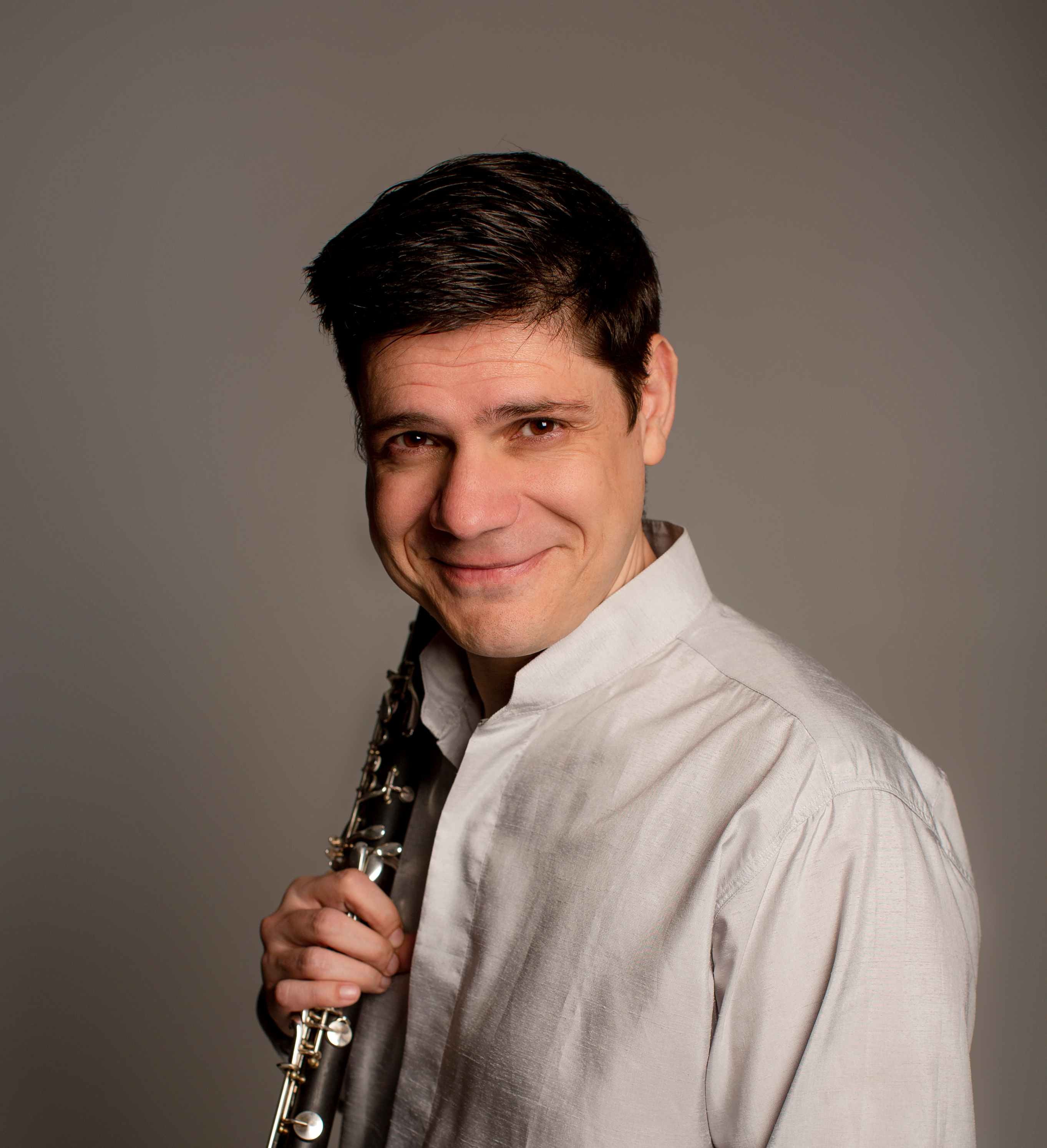
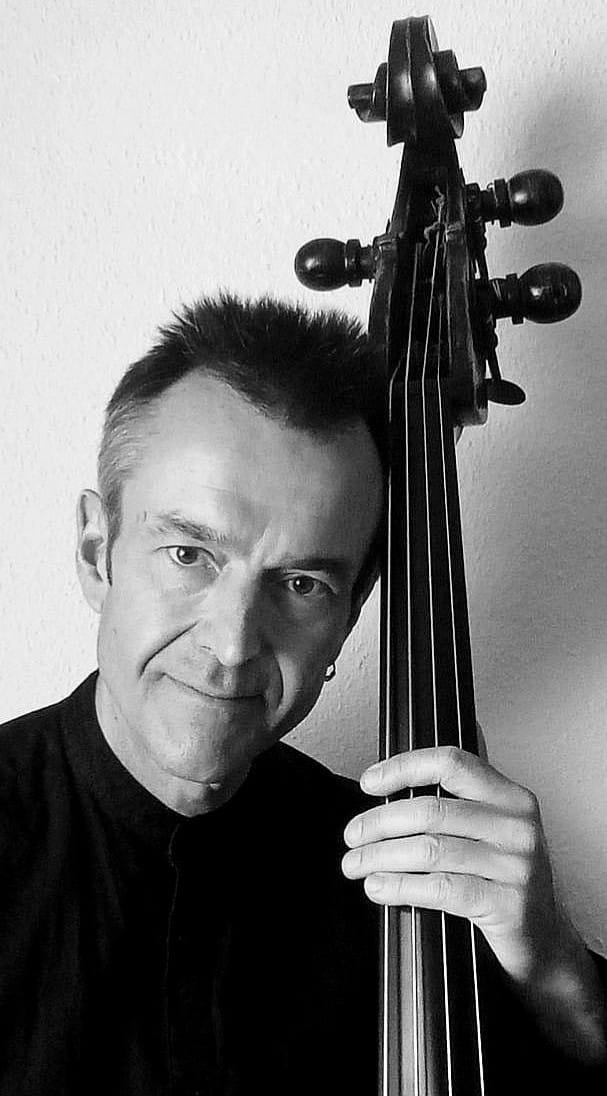


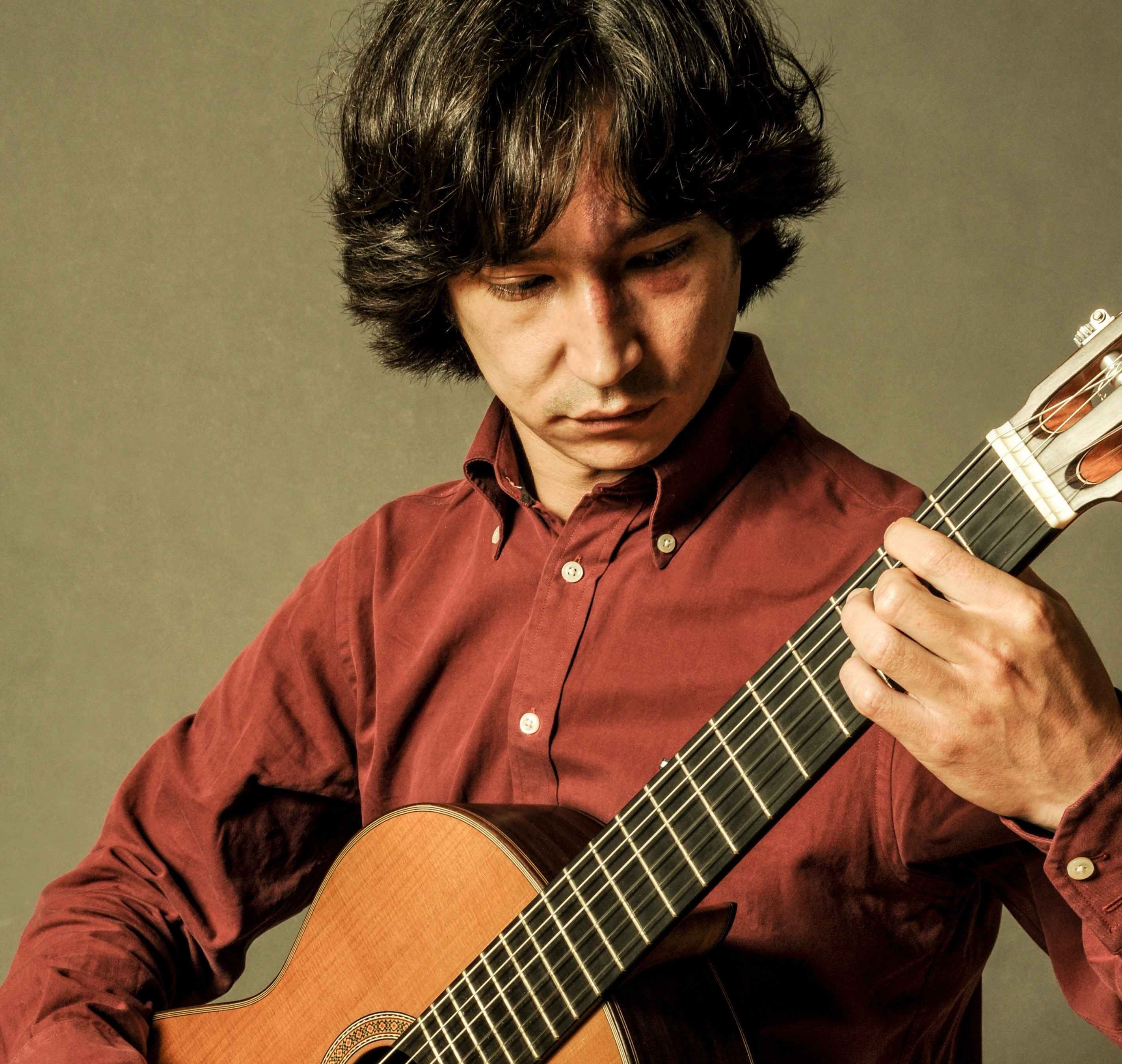
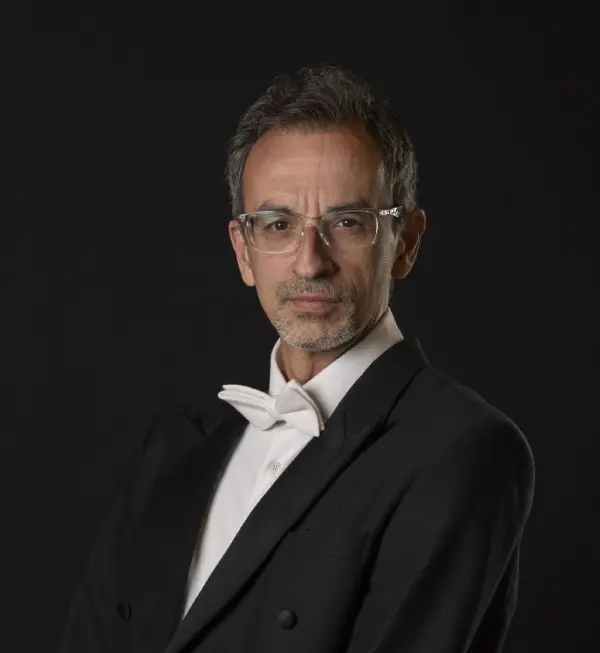
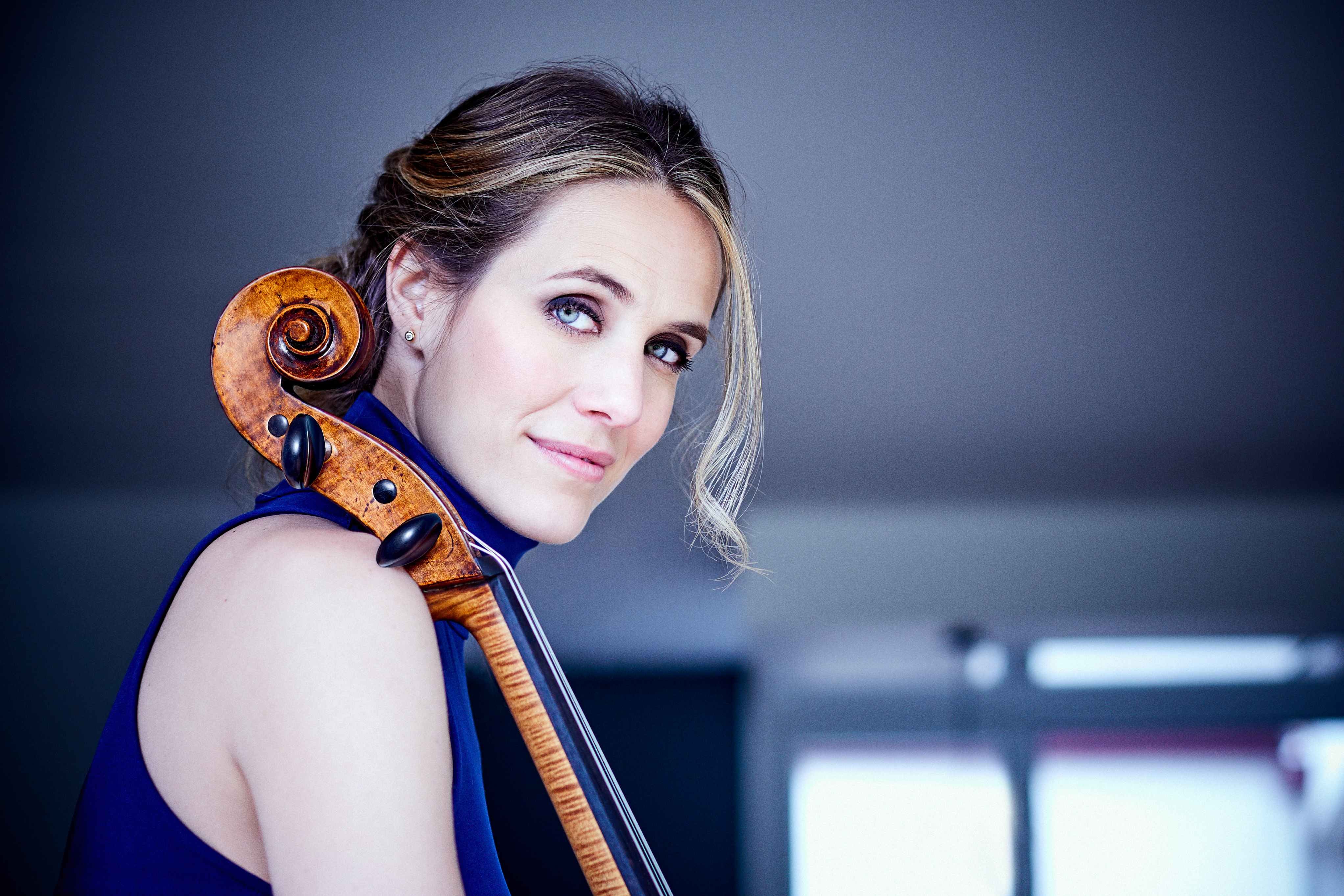

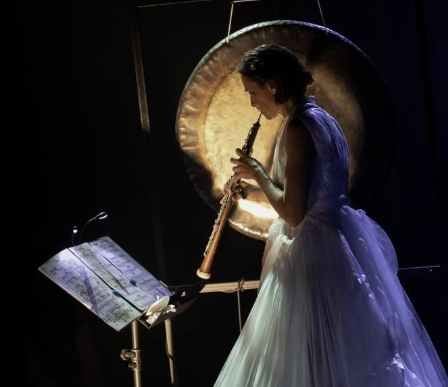
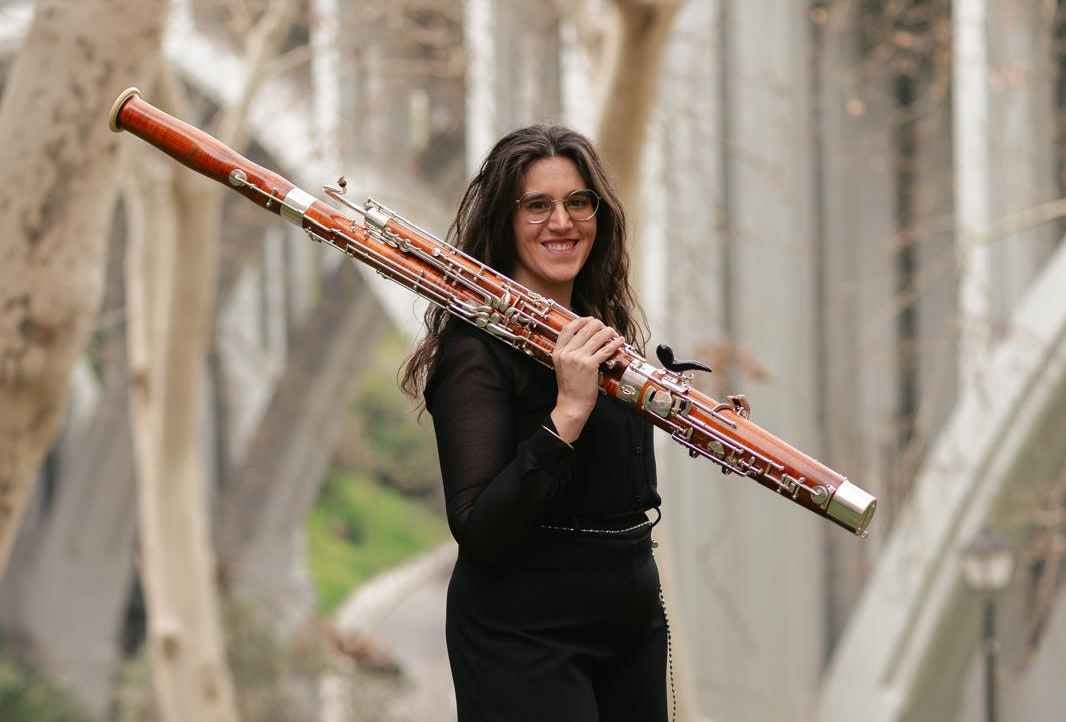
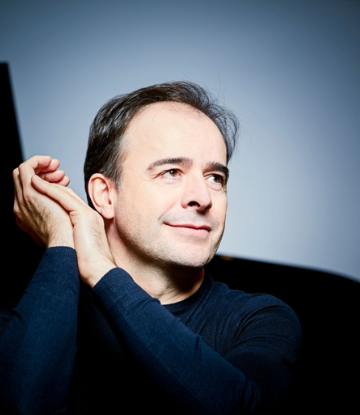
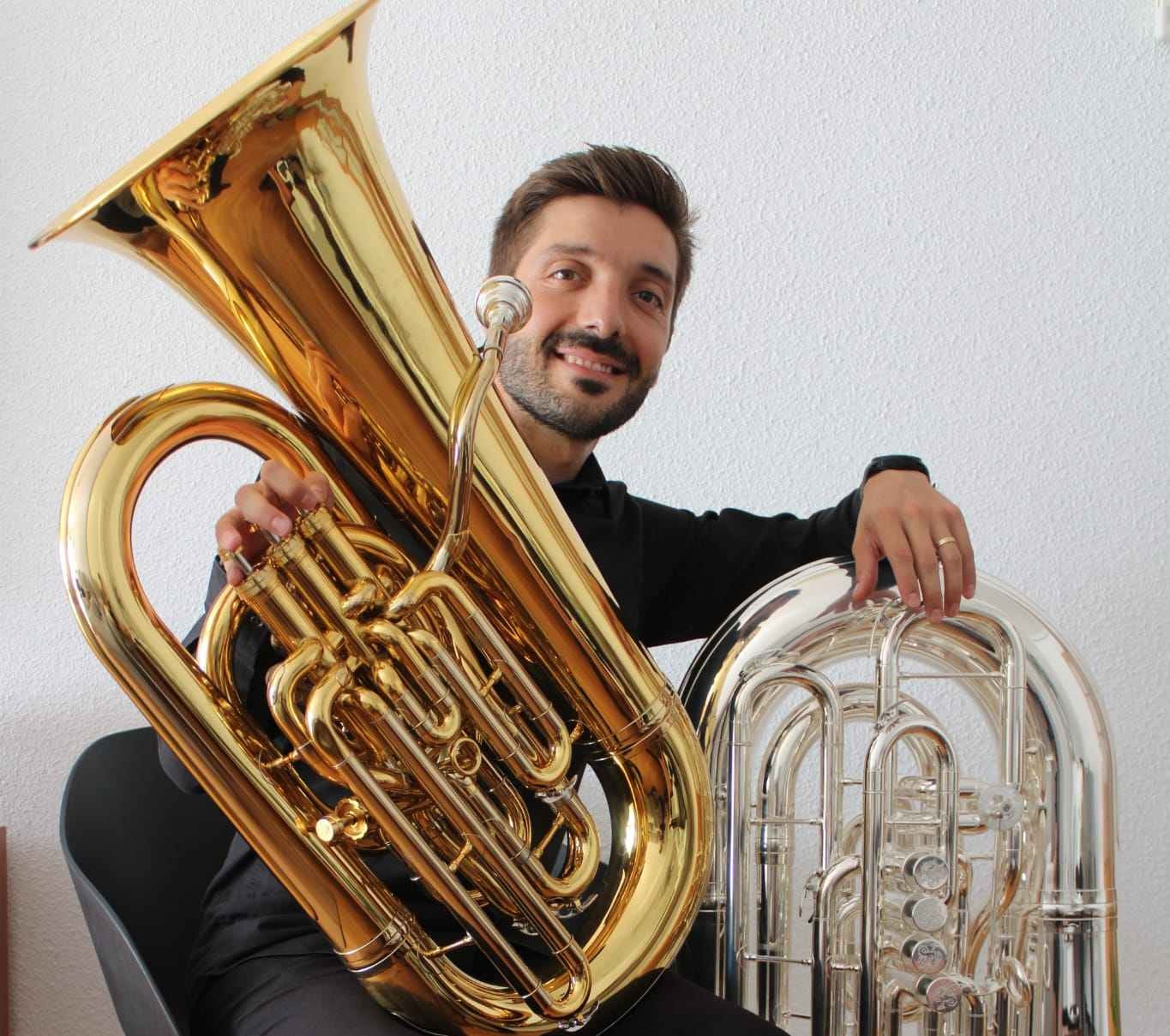
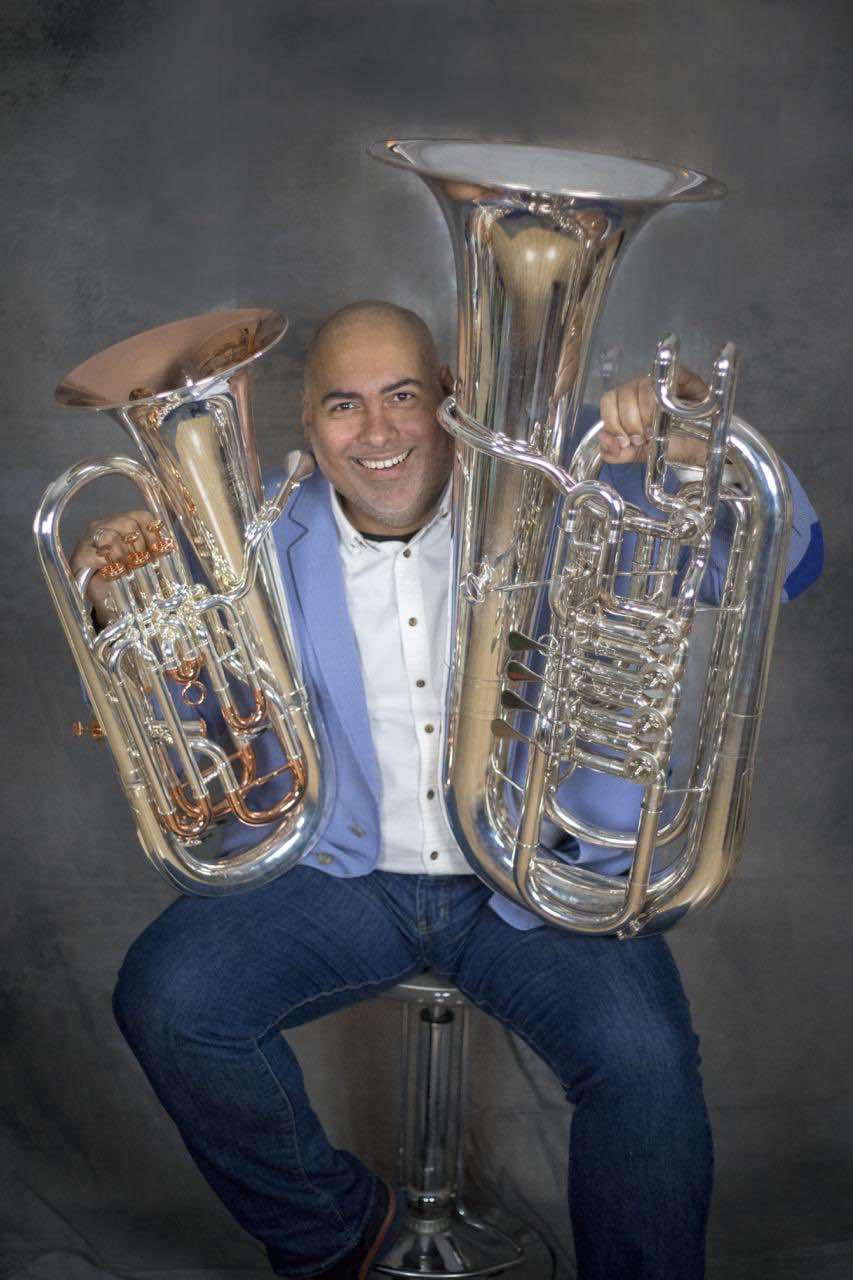
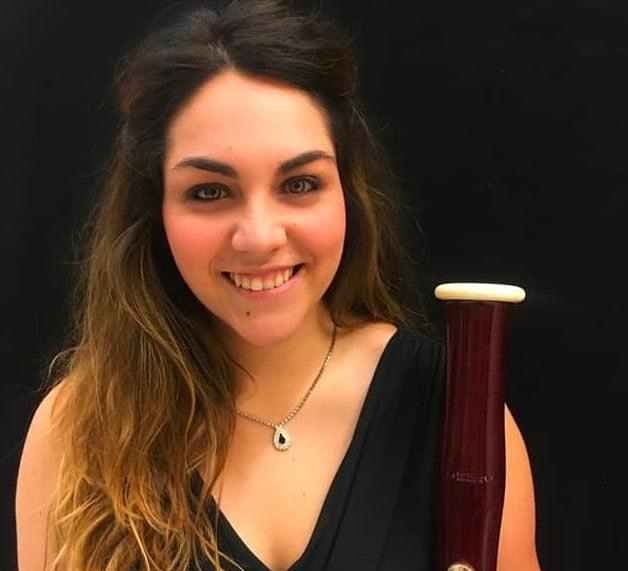
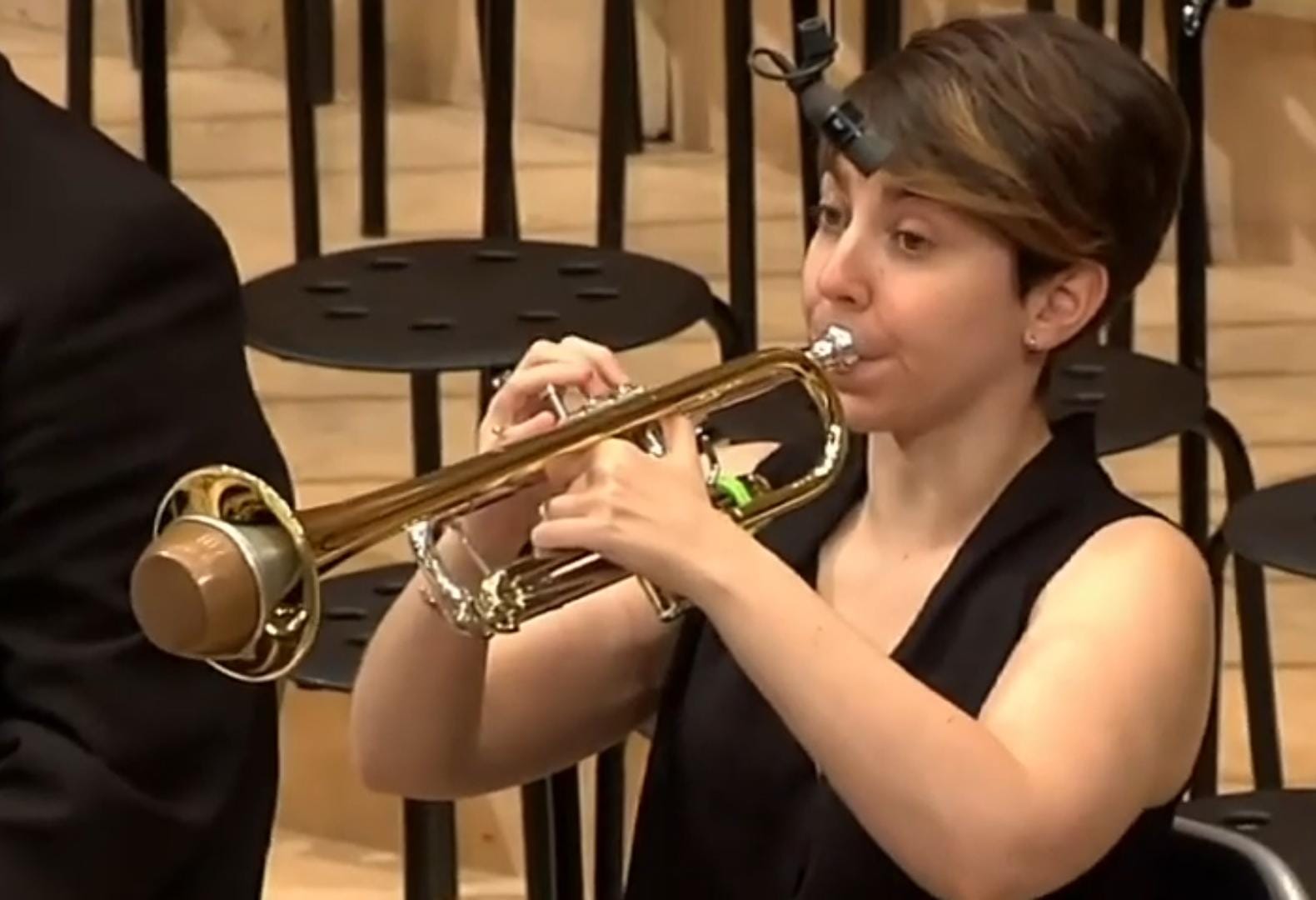
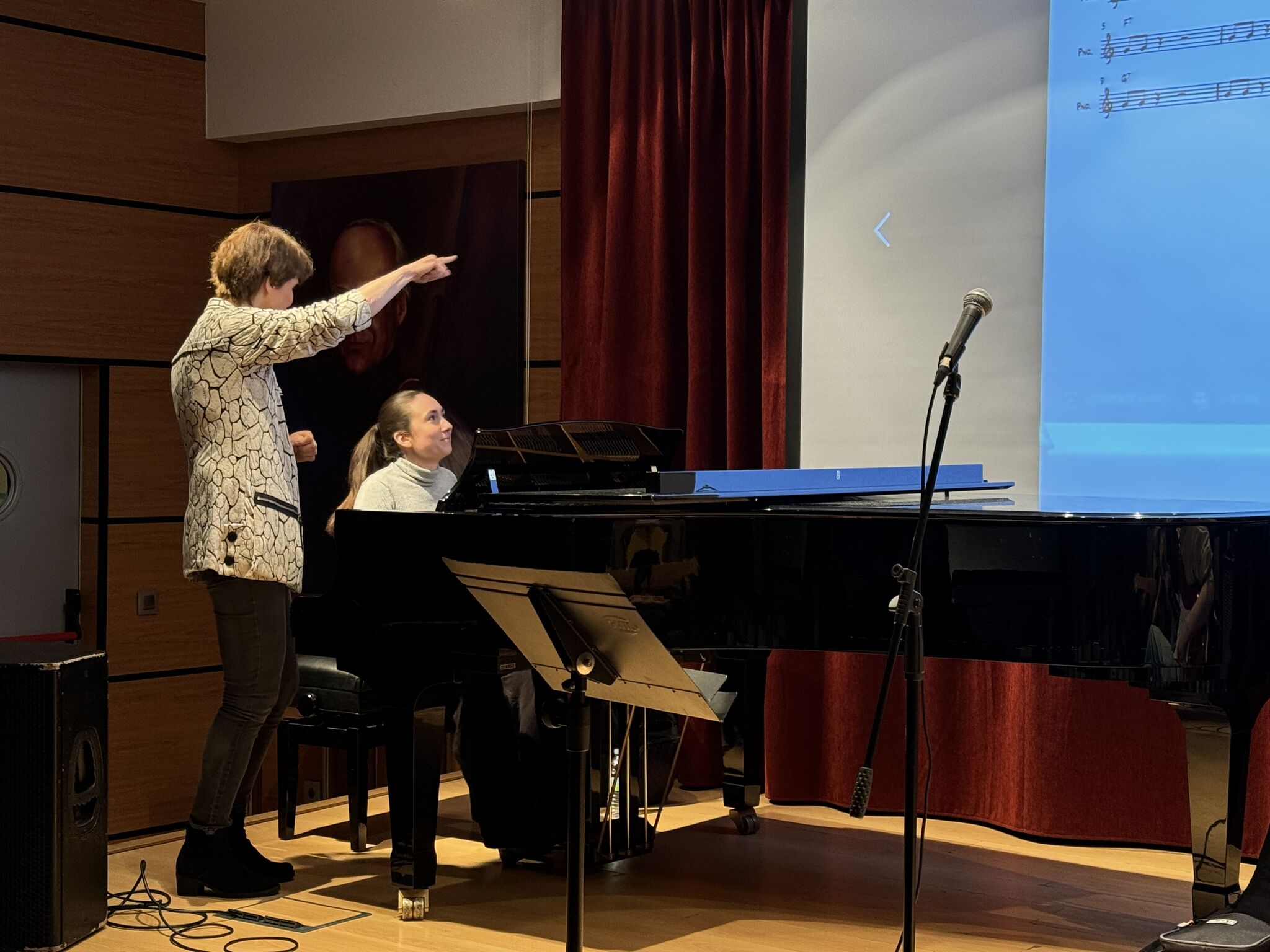
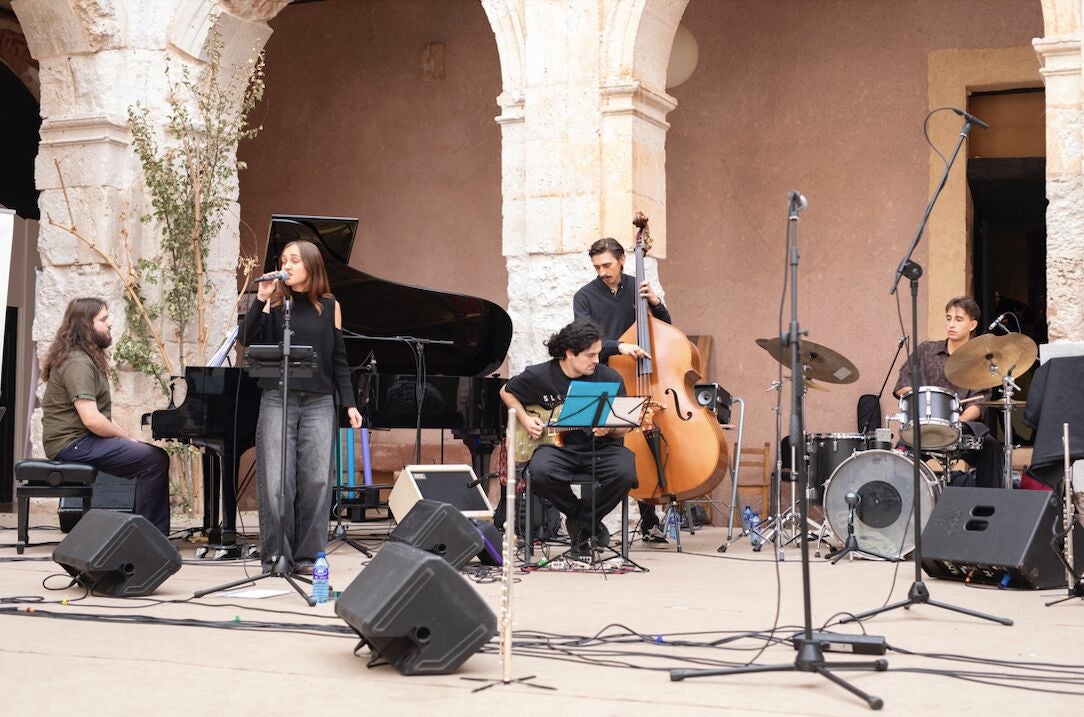
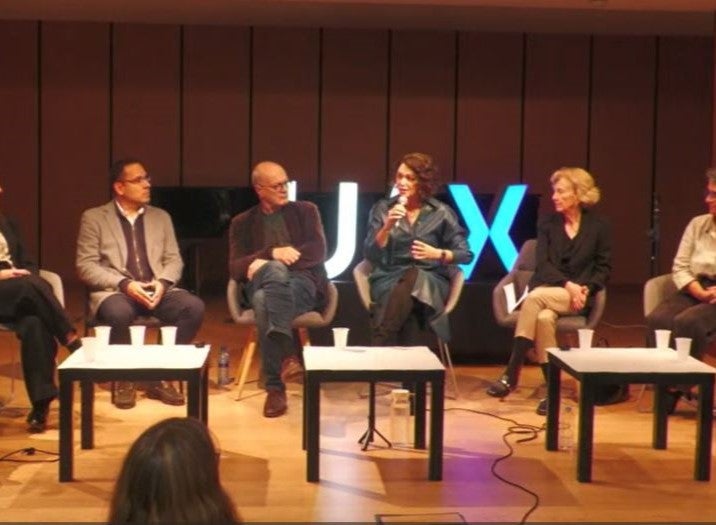
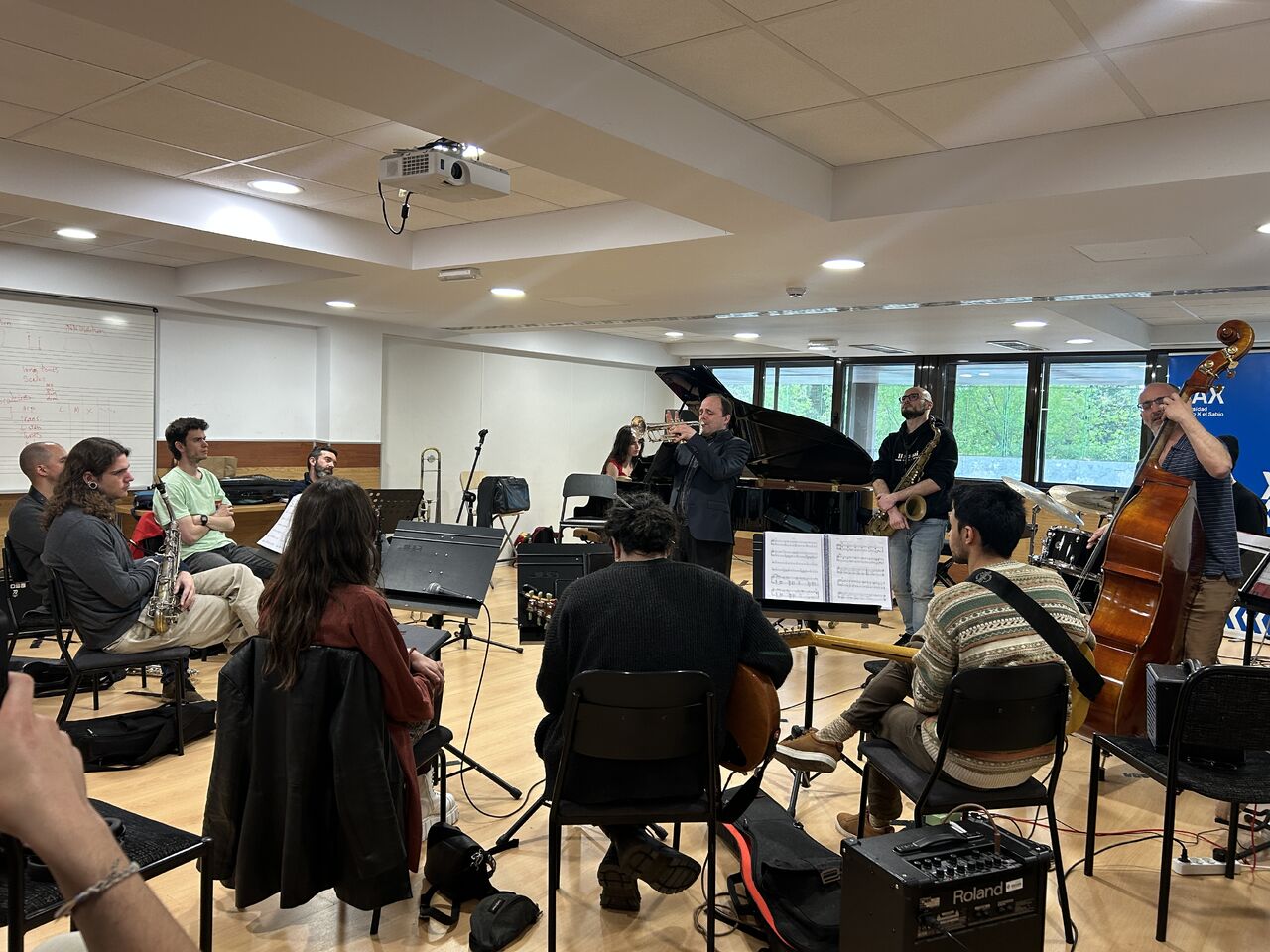
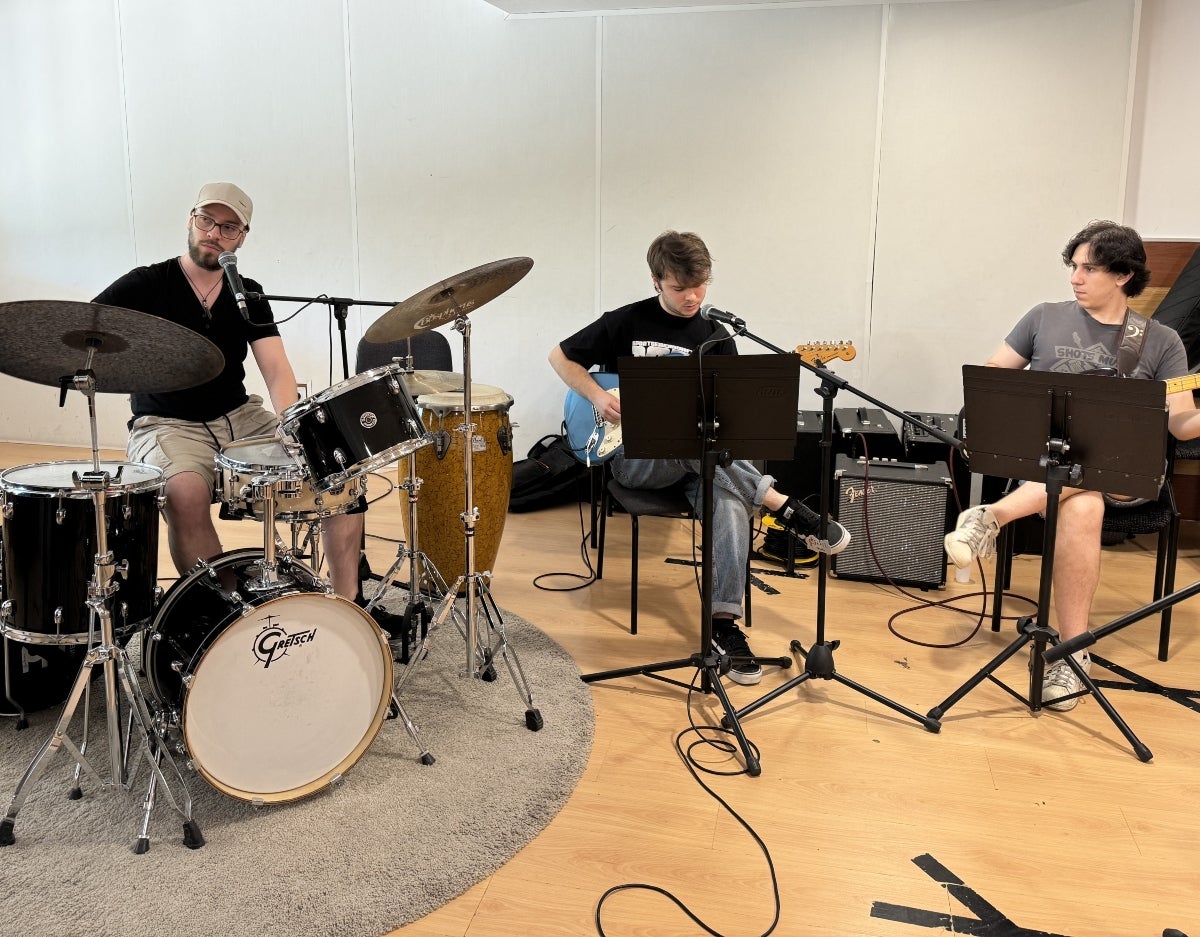























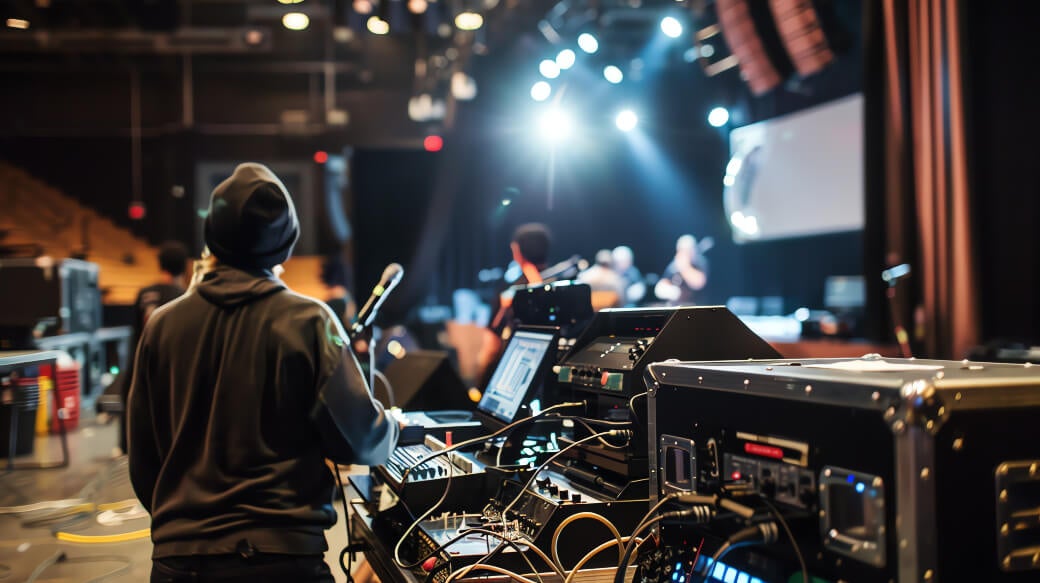












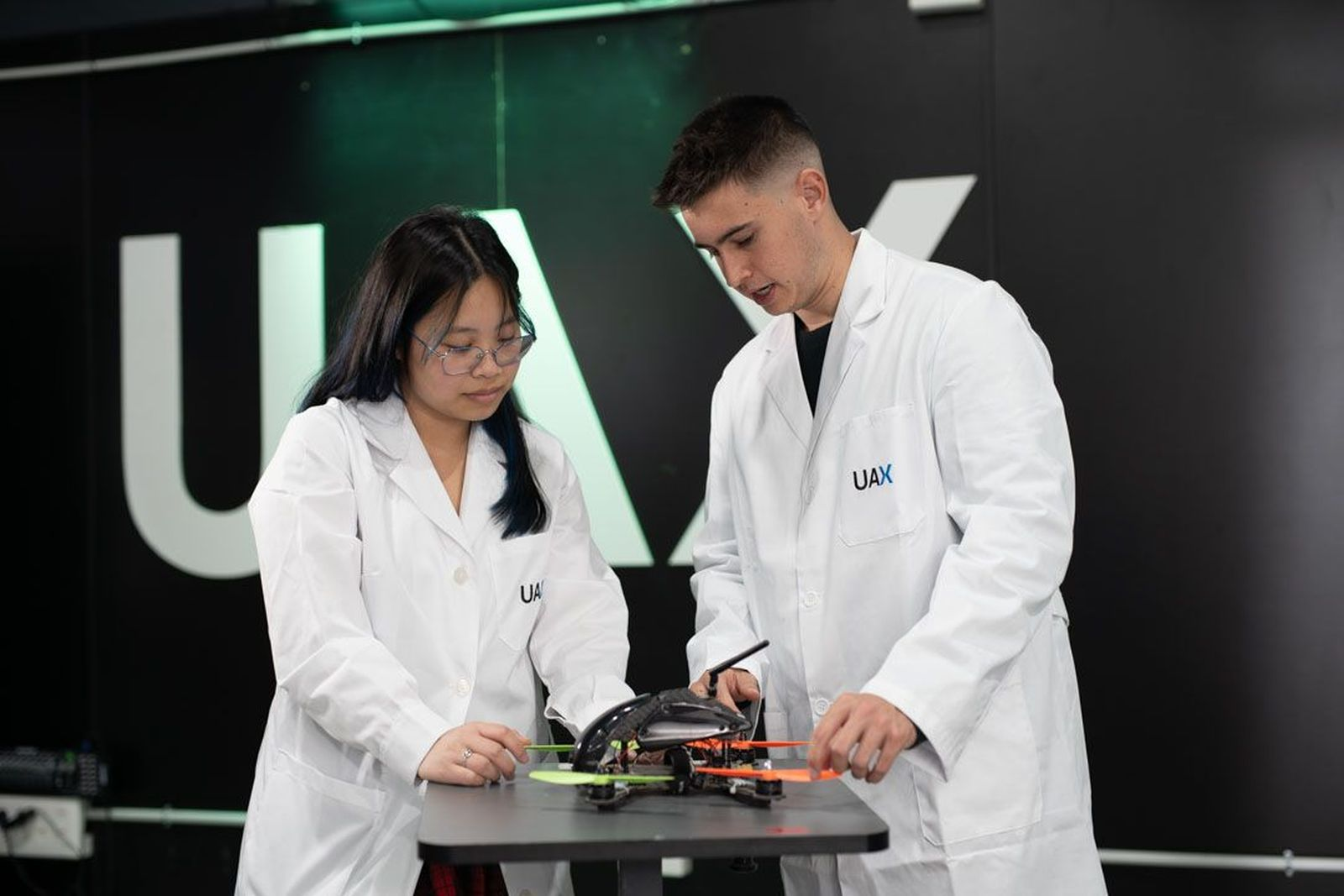


















































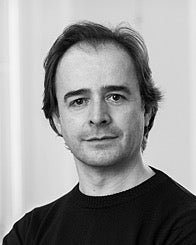
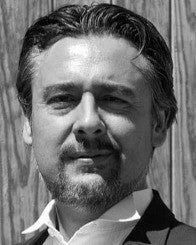
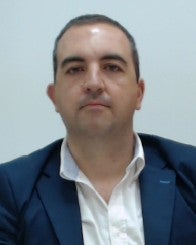


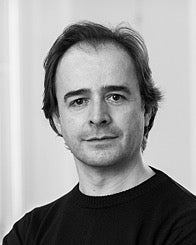
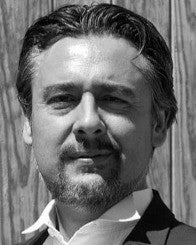
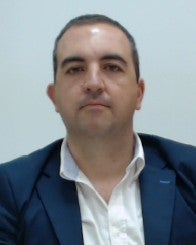



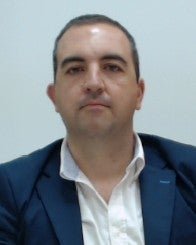
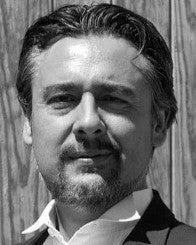
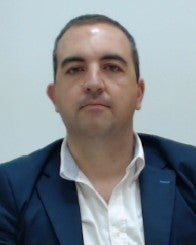
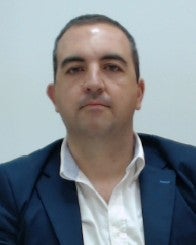
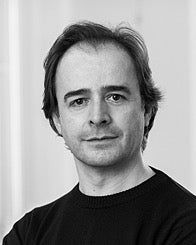

.jpg)