























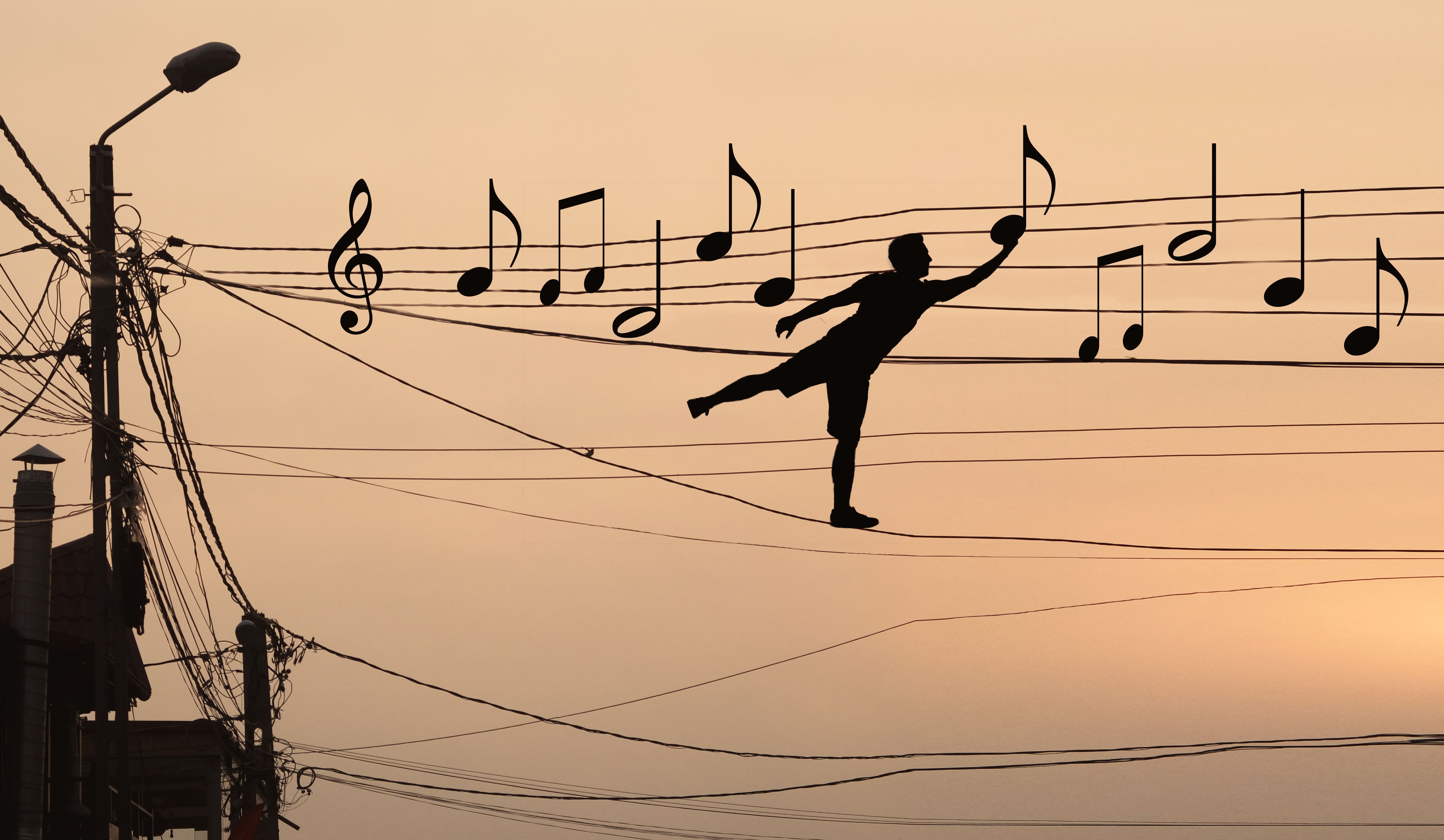
Exploring the Paths of Musical Creativity
“Musical creativity plays a crucial role in instrumental teaching by fostering personal expression, improvisation and a deep understanding of music.”
(Dr Harold Hernández. Director of the Master’s in Instrumental Pedagogy – UAX)
In the vast world of music, creativity is the fuel that drives innovation and artistic expression. From classical symphonies to contemporary rhythms, musical creativity has been at the heart of every composition, and this is something we explore and value greatly in the Online Master’s Degree in Instrumental Pedagogy
In this article, we will explore how musicians channel their creativity to break down barriers, fuse genres and leave their unique mark on the history of music through musical and instrumental education.
The history of musical pedagogy musical creativity is a fascinating story that dates back to the dawn of humanity. From the earliest ceremonial rituals to complex contemporary compositions, music has been a reflection of humanity’s innate creativity.
The earliest traces of music are found in ancient cultures, where simple instruments, such as drums and flutes made from natural materials, were used. Since then, music has evolved, spreading across different cultures and eras.
In the Middle Ages, sacred music reigned supreme in cathedrals and monasteries. Polyphony, a technique allowing the combination of several melodic lines, became a milestone in Western music. Great composers such as Bach, Mozart and Beethoven took musical creativity to new heights, setting standards that would influence future generations.
The 20th century marked a revolution in musical creativity with the emergence of genres such as jazz, the blues, rock, electronic music and hip-hop. Each of these genres challenged musical conventions, introducing new techniques, instruments and forms of expression.
Today, musical creativity continues to flourish and music has become a boundless field where innovation and creativity coexist to offer unique and unforgettable listening experiences.
Two of the key elements of musical creation are composition and performance.
Creativity in musical composition is a fascinating journey that involves exploring sounds, melodies and structures to bring a unique and exciting piece to life.
From the choice of notes and chords to the overall structure of a piece, composers exercise their creativity at every stage of the process. Some draw inspiration from deep emotions, whilst others find their muse in everyday experiences or in nature itself, all of this based on music education
Narrative is also essential to creative composition. Composers have the ability to weave complex stories through the arrangement of notes, changes in intensity, and the manipulation of tempo and dynamics.
Furthermore, modern technology has vastly expanded the scope of creativity in composition. Music production software offers sophisticated tools for experimenting with sounds, mixes and effects, allowing composers to explore previously uncharted sonic territories.
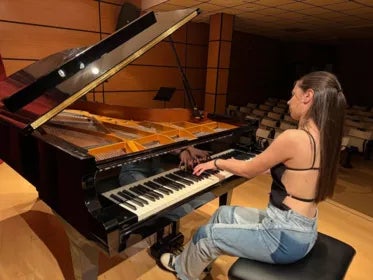
In musical performance , creativity is an art in itself. Performers, whether soloists or members of an orchestra, have the ability to add their personal style and unique expression to a musical piece, turning every performance into an emotional and captivating experience for the audience.
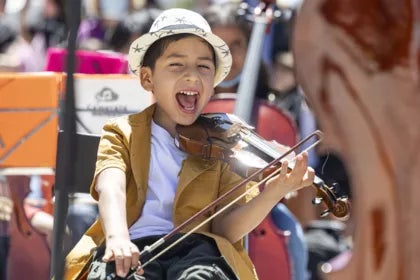
Musical performance goes beyond simply reproducing the notes written on a score. Talented musicians infuse their performances with emotions, nuances and subtleties that go beyond what is written.
Skilled musicians not only master their instruments, but also have the ability to manipulate pitch, timbre and dynamics to convey a wide range of emotions. This technical skill, combined with personal creativity, results in performances that are unique to each occasion.
In essence, creativity in musical performance allows artists to transform a score into a living, emotional experience. It is the art of conveying not only the notes, but also the emotions and passion behind the music, creating deep connections between the performer, the composition and the listener.
Ultimately, musical creativity is a never-ending journey that transforms notes into emotions and melodies into unforgettable experiences. It is the fuel that propels music beyond established boundaries, leaving an indelible mark on humanity’s soundscape.
As a recommendation, I invite you to find out about the music-related degree programmes offered by our faculty – the only one of its kind in Spain – which will undoubtedly be very useful in helping you develop your musical creativity from a variety of angles.








.jpg.webp)