Get training in one of the professions with the highest demand in the labour market. You will learn the essential basics to carry out your activity in a framework that is advancing at full speed. Enrolment open
Because it focuses on analytical and practical training, geared towards solving real-world problems.
Information society technologies, together with the availability of big data, are creating significant opportunities for specialists with STEM qualifications such as mathematical engineering – professionals who are accustomed to analysing complex situations and possess an excellent ability to solve a wide range of problems.
The UAX Bachelor’s Degree in Mathematical Engineering combines essential knowledge of advanced analytical programming, data management and machine learning with two aspects that are critical today: the use of data for decision-making and strategic training in business areas such as marketing, people management and strategic management.
The degree includes the Google Business Certificate

UAX MAKERS
Work on real-world projects with companies. The UAX Makers model is based on collaborative work between students who come together to tackle a real-world project. To this end, we bring together students from different degree programmes, fostering a diversity of approaches and teamwork as key to achieving the best possible solution.

Development of innovative solutions to optimise customer operations at CaixaBank, through the use of predictive models, AI and data analysis.

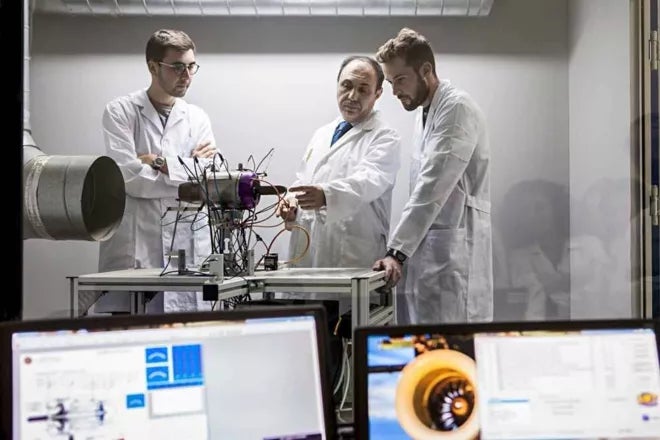
Use of artificial intelligence techniques to predict working hours in large international engineering projects.


Collaboration in the design and development of an analytical architecture to derive patterns in global cybersecurity-related data.


Application of mathematical models and data analysis in the design of a health school for patients and families, improving management and communication in the health sector.


Use of Industry 5.0 techniques to build an analytical environment for real-time image processing and offer a unique user experience in the sector.

plan-estudios-ingenieria-Matematica-2019
No hay datos disponibles.
*Character: BT: Basic Training, Ob: Required, Op: Optional
The ULABS (University Applied Labs) represent one of the most innovative initiatives within the Bachelor's Degree in Mathematical Engineering. These are applied laboratories where students work from early stages on real projects in collaboration with companies, tackling high-impact technological and scientific challenges. These projects allow the application of mathematical, analytical and computational knowledge to real contexts, fostering active, transversal learning that is deeply connected to professional reality.
Each ULAB project is developed with a clear objective: that students learn by doing, solving complex problems with professional tools and forming part of multidisciplinary teams. In this sense, students not only strengthen their technical skills (such as artificial intelligence, data analysis or predictive modelling), but also develop communication, project management and decision-making skills in real environments. All projects follow agile methodologies (Scrum, Design Thinking, etc.), which helps to replicate the work dynamics they will encounter in their future professional life.
Among the most outstanding projects is DeNexus, where students design an analytical architecture to detect patterns in global cybersecurity incidents. In the ICON project, they apply artificial vision techniques to analyse real-time images of traffic in the context of the transport of the future. For its part, the project developed together with Avanade by Microsoft consists of the construction of a digital twin of the campus, using simulation and advanced sensorisation.
Projects with a strong social component have also been developed, such as the collaboration with Mujer Fénix and Save the Children, where students contribute through data analytics to improve social intervention processes. In the field of health, work is being done on the detection of clinical patterns in oncology using AI, collaborating with medical institutions to generate predictive models that help in clinical decision-making. Finally, in collaboration with Técnicas Reunidas, workload prediction models have been implemented in international engineering projects, using temporal modelling techniques and historical data analysis.
All the projects are developed in small teams, with close monitoring by the teaching staff and periodic reviews with the companies. The results are presented publicly and form part of the student's professional portfolio, which directly contributes to their employability. In addition, the use of real software such as Python, PowerBI, Spark or simulation platforms guarantees an experience aligned with current industry standards.
International placements: As a UAX Business and Tech student you will have the opportunity to undertake international placements at leading universities in key destinations:
Studying the Mathematical Engineering degree, you will be trained by 95% of lecturers who combine teaching with professional activity in leading companies such as; Seedtag, Agoratech or INDRA:
Chemical Engineer by the UAX and PhD in Computer Science (specialising in Computational Chemistry) with Cum Laude mention. He holds an MBA, Master Business Intelligence & Big Data and Master in Industry 4.0 by EOI, where he was awarded for the best MBA project 2004-2005. Winner of the CDO 2023 Award (Club Chief Data Officer) for the best advanced analytics project. With more than 20 years of business experience in mathematical modelling and data science, he has implemented more than 100 artificial intelligence and mathematical modelling models, leading multidisciplinary teams in different companies. Recently, as Head of Data, he led the global (worldwide) data science department, developing cloud architectures, data governance and advanced analytics and AI projects.
Degree in Mathematics from the UAM. He obtained the Diploma of Advanced Studies at UCM for my work on the classification of differentiable subvarieties in Lie geometry and Plücker geometry. With more than 25 years of teaching experience, he has professional certifications in Differential Equations for Engineers, Particle Physics and Introduction into General Theory of Relativity. He teaches Algebraic Structures, Differential Equations, Differential Geometry, among others, in the Mathematical Engineering degree.
José Antonio holds a degree in Materials Physics from the Complutense University of Madrid. He carried out studies at the Instituto de Microelectrónica de Madrid (CSIC) on optical properties of quantum semiconductor nanostructures, having published in high impact scientific journals (Physical Review Letters, Applied Physics Letters, Physical Review B, etc). As a university lecturer, he has 25 years of experience teaching mainly mathematics and physics, currently teaching, among other subjects, linear algebra, numerical methods and quantum physics.
Hugo holds a PhD in Mathematics from the University of Seville and a Master's degree in Mathematical Engineering from the University Carlos III of Madrid. His research focuses on game theory and operations research. He has published articles in high impact scientific journals in the field of applied mathematics and computation such as Fuzzy Sets and Systems or International Journal of General Systems. He has also taught at several universities and is currently professor of statistics and operations research at the Alfonso X el Sabio University.
Industrial Engineer (University of Malaga) with more than 11 years of experience in the optimisation of operational and strategic processes in multinational companies. PMP, Six Sigma Green Belt (UPC) and Cyber Security Professional (ISMS Forum). He has performed Project Management Office functions in more than 30 Engineering and Construction projects, mainly in Energy, Gas and Petrochemical plants. He currently combines his work as a lecturer at several universities with the leadership of innovation projects for the digitalisation and transfer of knowledge, holding the position of "Process Improvement Coordinator" of the company Técnicas Reunidas.
See the complete list of the faculty of the degree in Mathematical Engineering
Connect your mathematical talent with the real professional world from day one.
The Bachelor's Degree in Mathematical Engineering at UAX offers you a high-level training experience through external internships in leading companies in different sectors. You will work directly with leading companies such as IBM Global Services, EY, Accenture, Repsol, BBVA Technology, Orange Spain, Siemens Rail Automation, Generali and many others, applying your knowledge in innovative environments and laying the foundations for a successful career.
Some of our external internship partners:
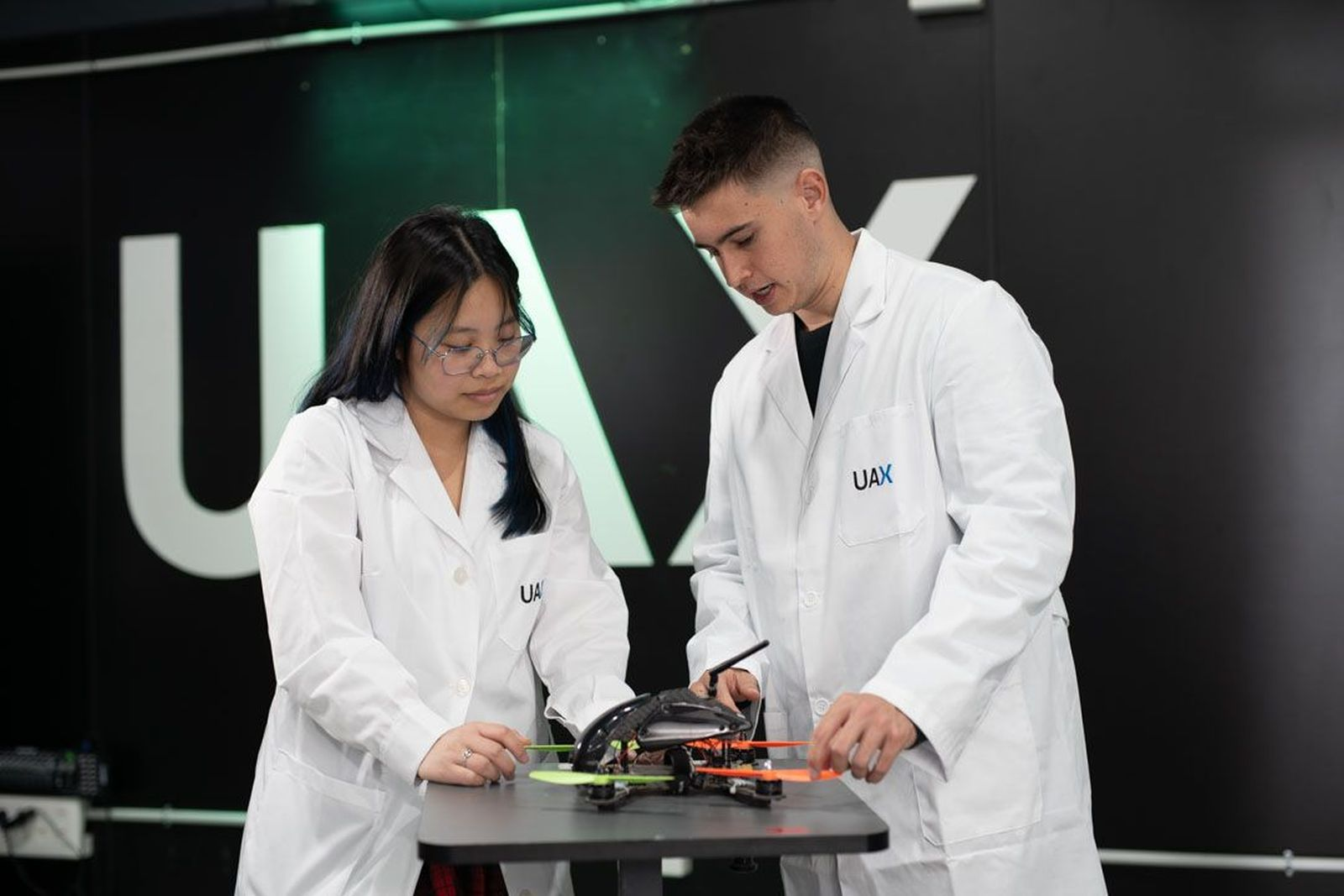
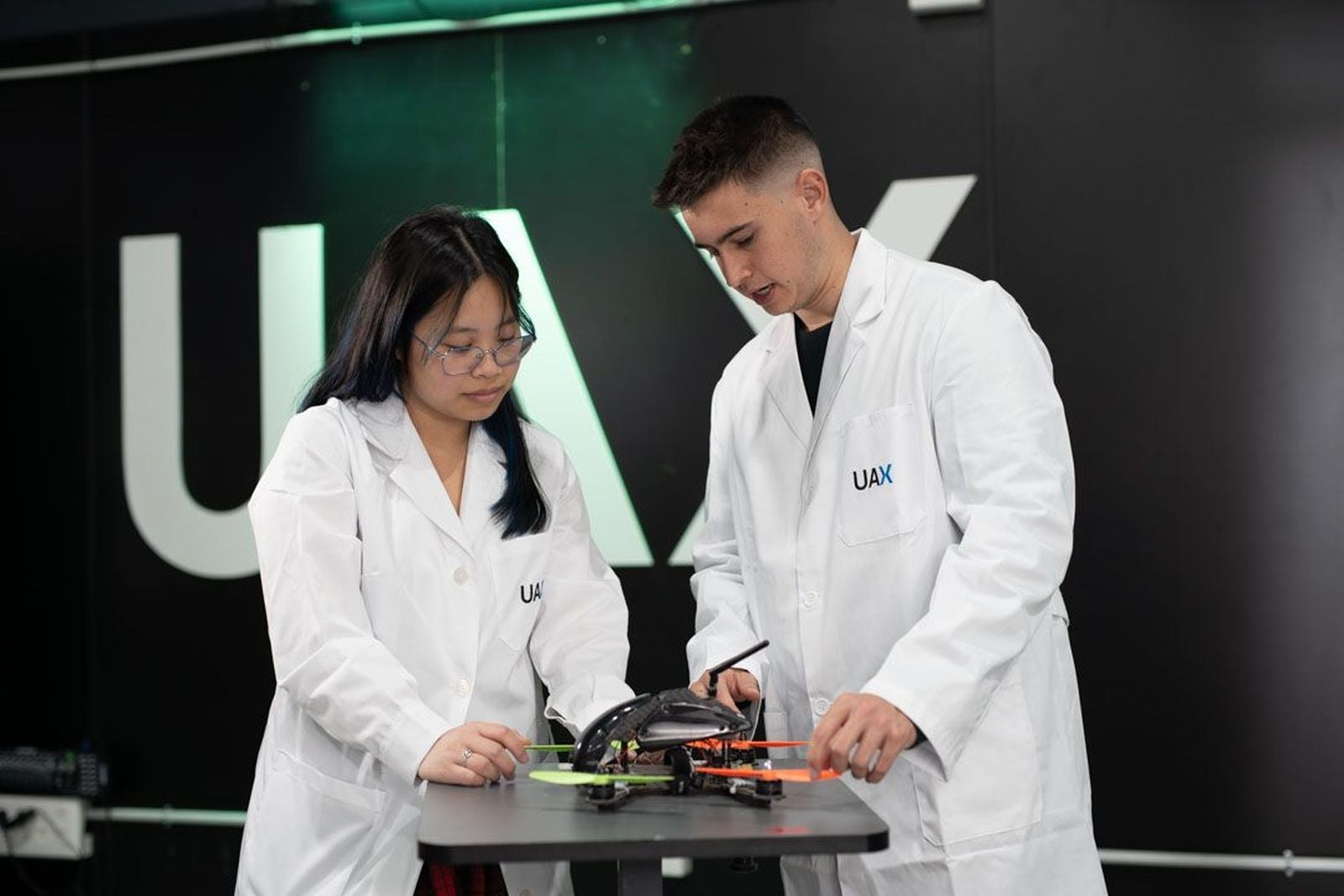
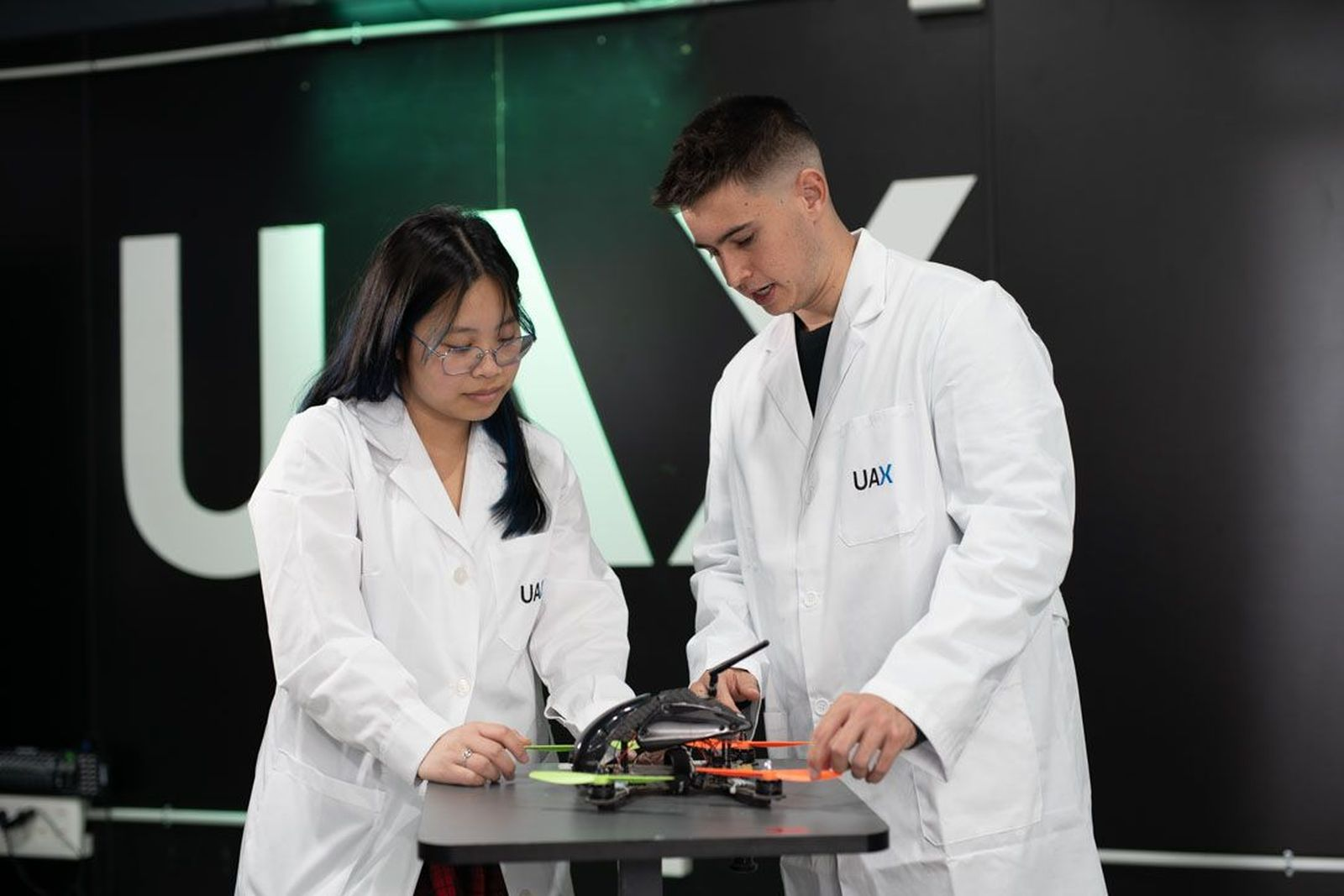
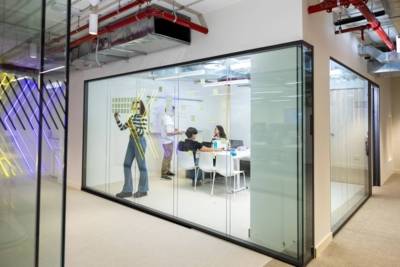
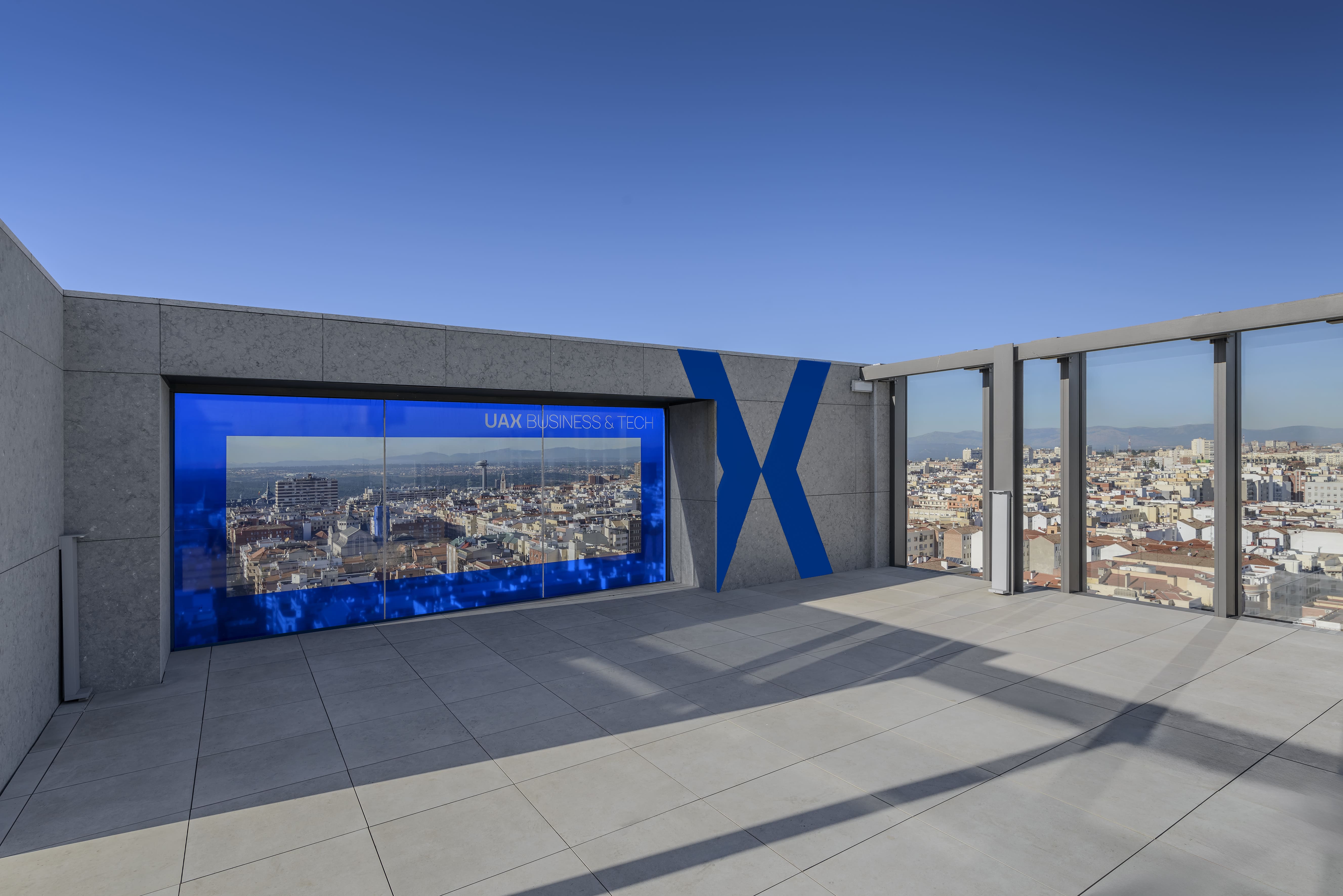
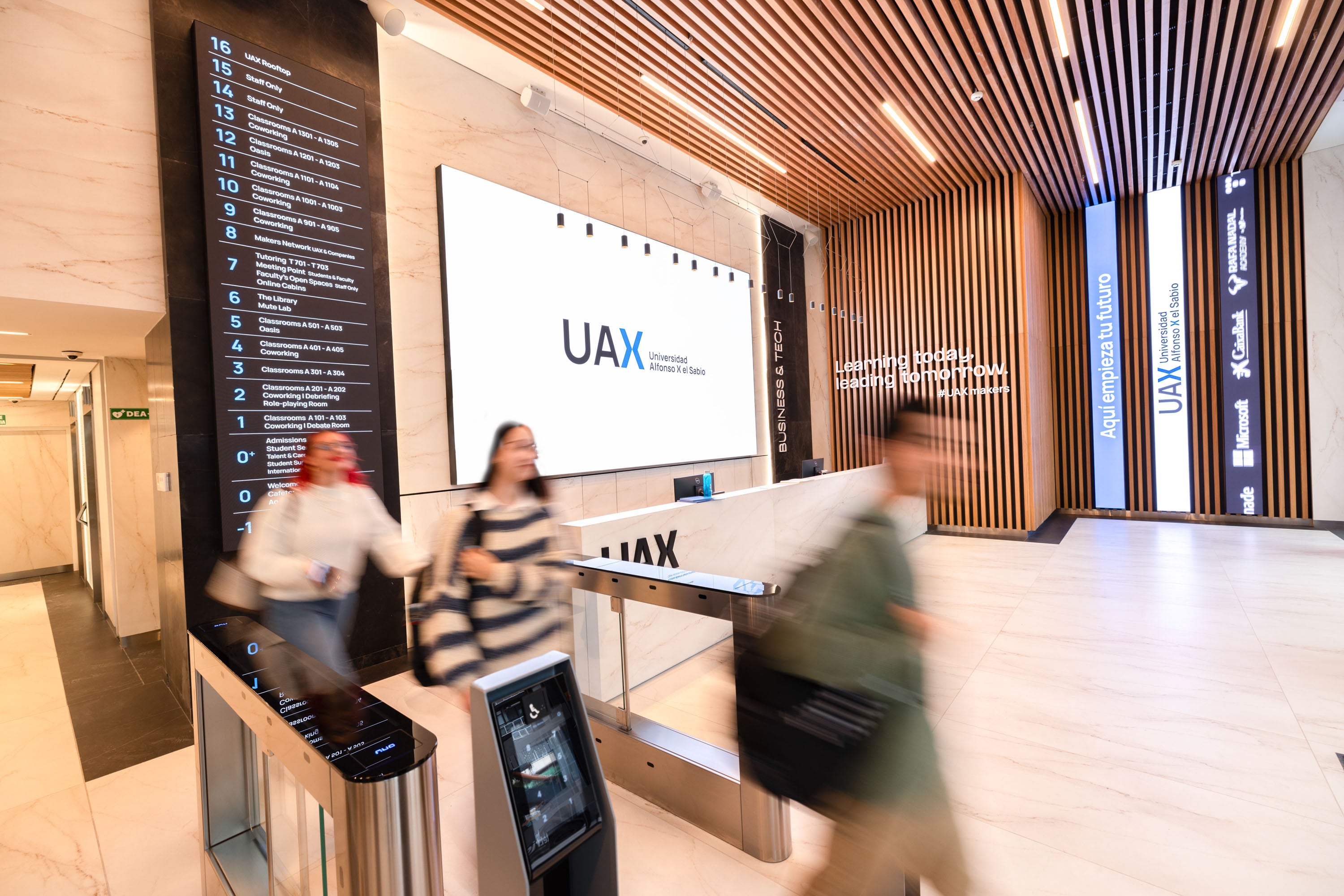
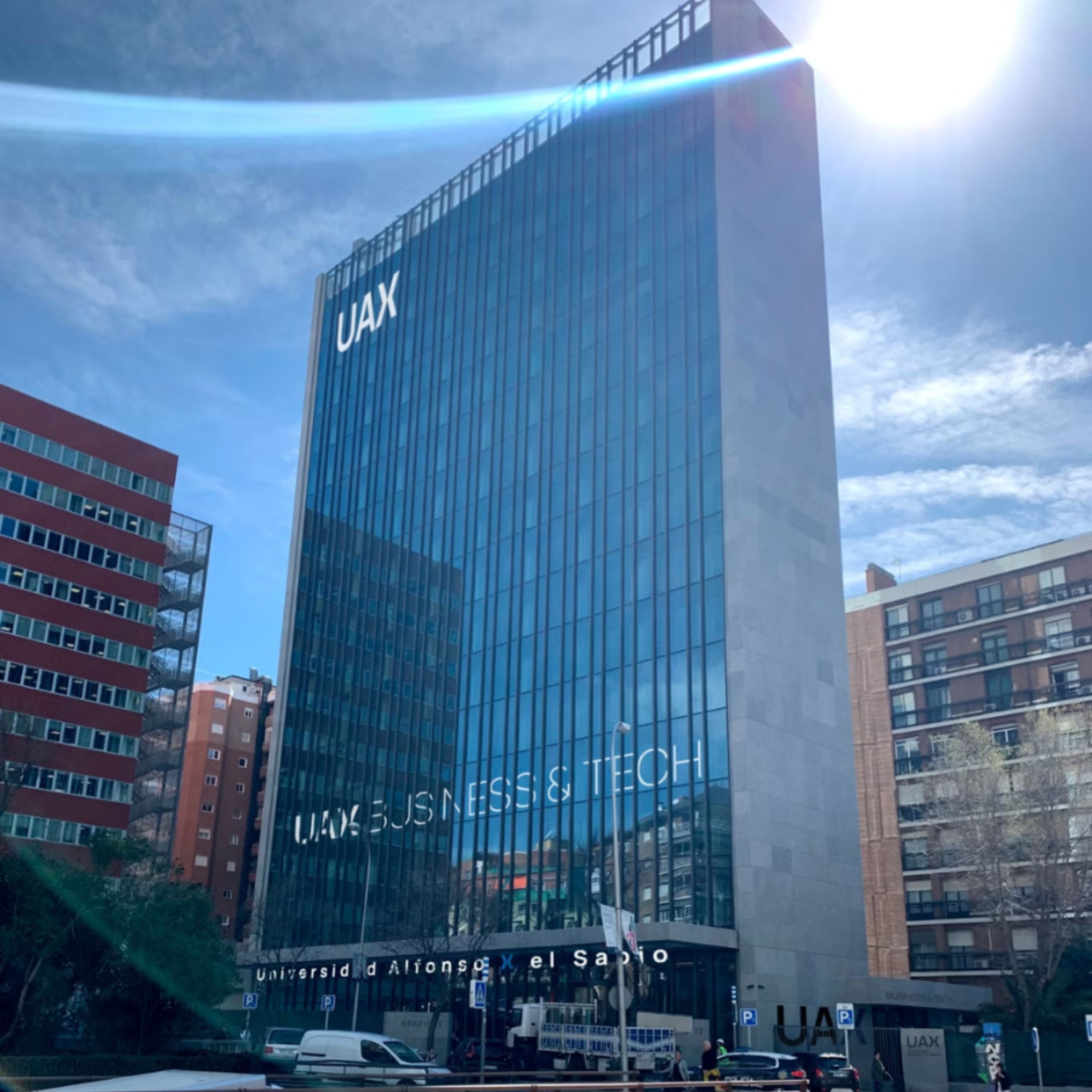
Students of the Bachelor's Degree in Mathematical Engineering at UAX develop part of their training in a highly technological environment, supported by a pioneering campus in sustainability, design and innovation, located in the centre of Madrid. This campus has laboratories, technological classrooms, co-working spaces and professional simulation areas, all of which are designed to recreate real working environments and facilitate constant interaction with companies.
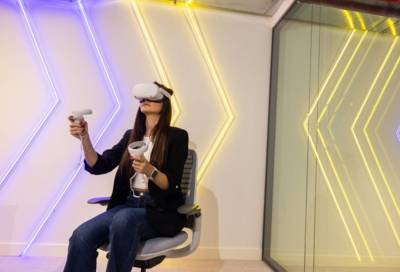
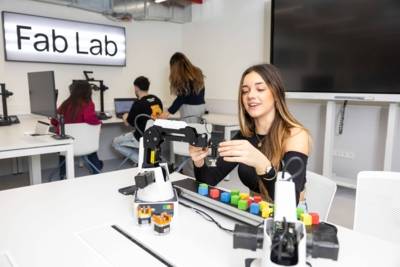
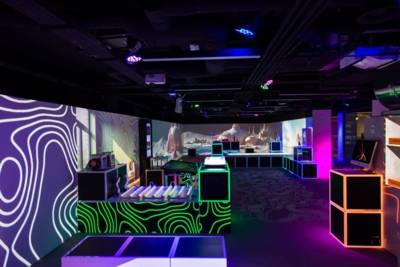
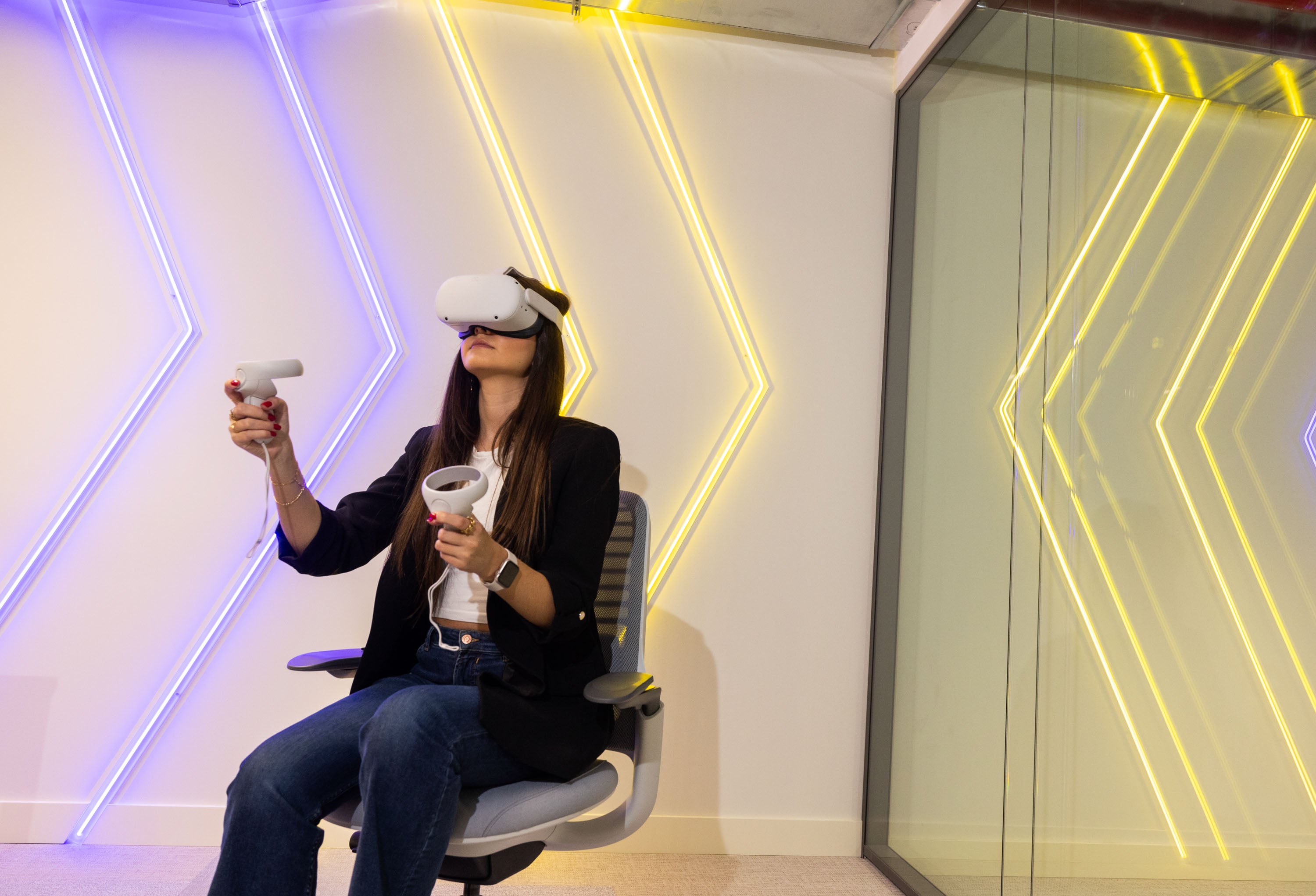
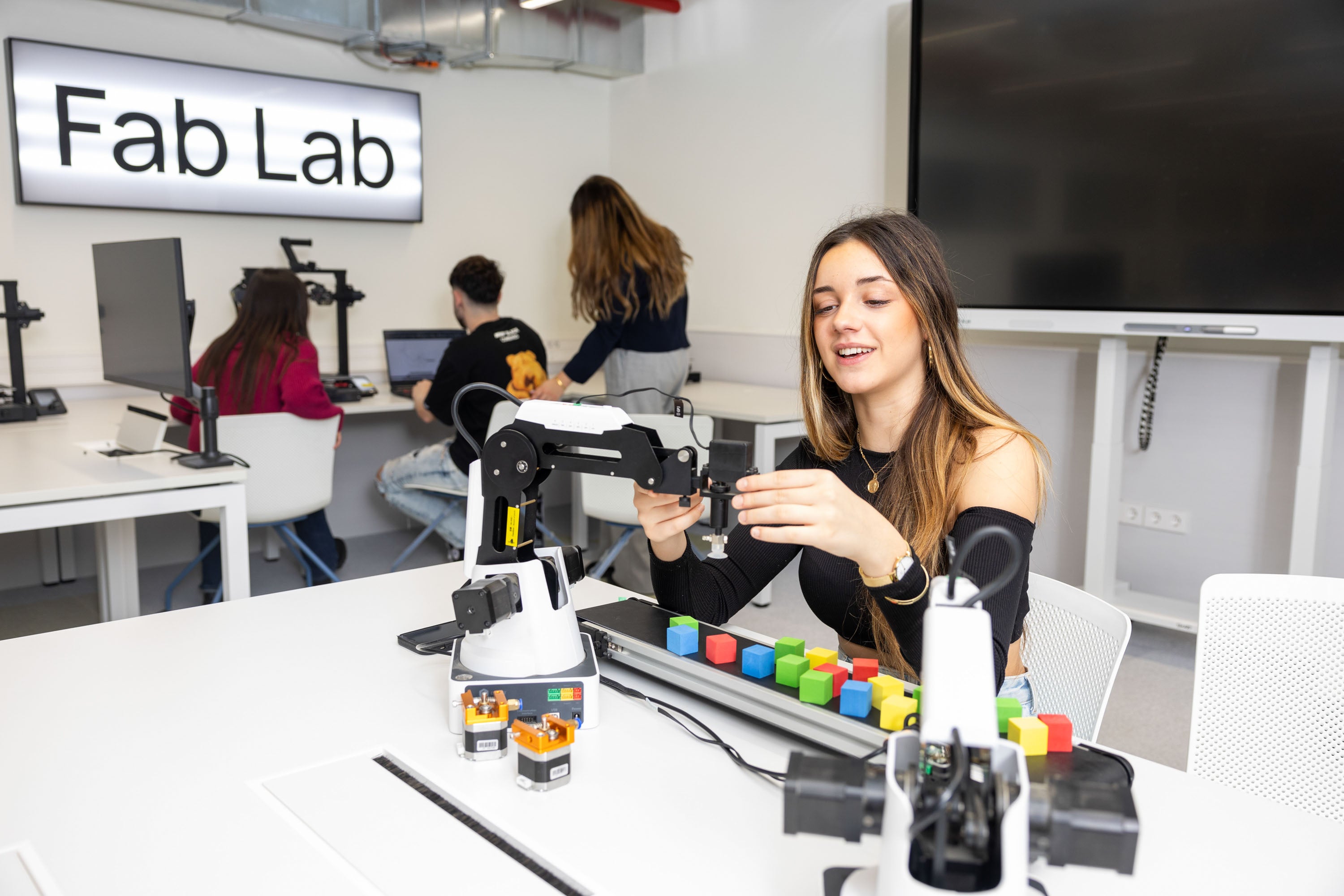
| FabLab / TechLab | They have access to advanced technologies such as virtual reality, robotics, 3D printing, digital twin simulation and prototype development. This environment is designed to foster creativity, applied innovation and teamwork in projects that require a practical and multidisciplinary approach. |
| Physics Laboratory | They carry out experimental practices linked to subjects such as electromagnetism, optics or mechanics, allowing students to understand and apply the fundamentals of physics from a mathematical and engineering perspective. |
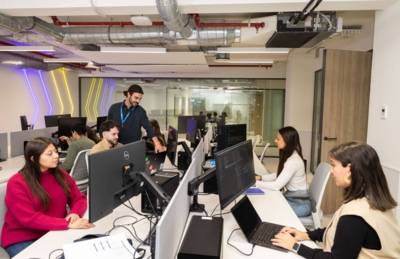
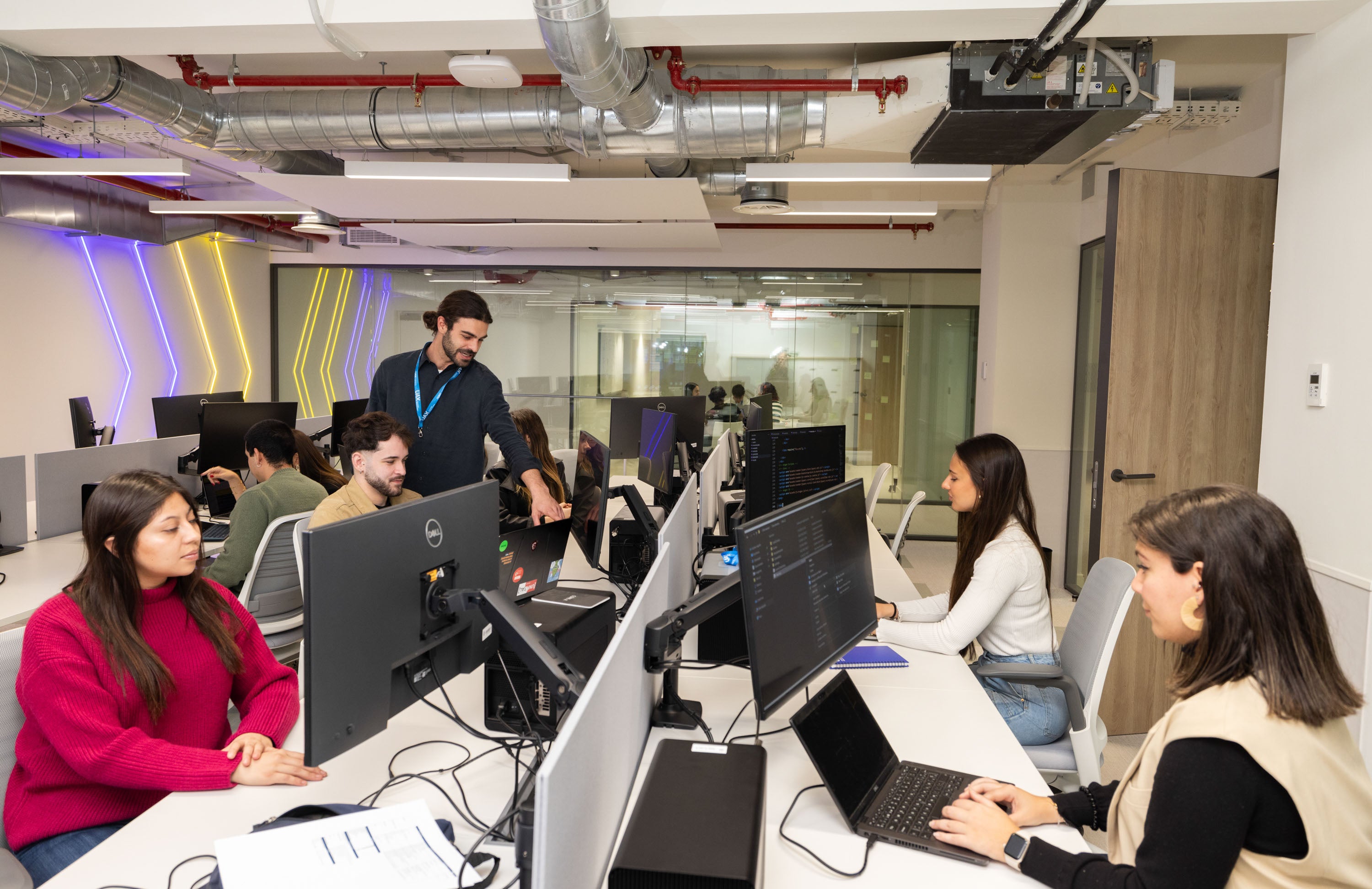
| Computer Laboratory | They work with cutting-edge languages and platforms such as Python, R, SQL, Spark and MongoDB. This area is oriented towards the development of mathematical models, algorithms, data analysis and complex simulations. Subjects related to artificial intelligence, data science, cryptography and advanced programming are dealt with here. |
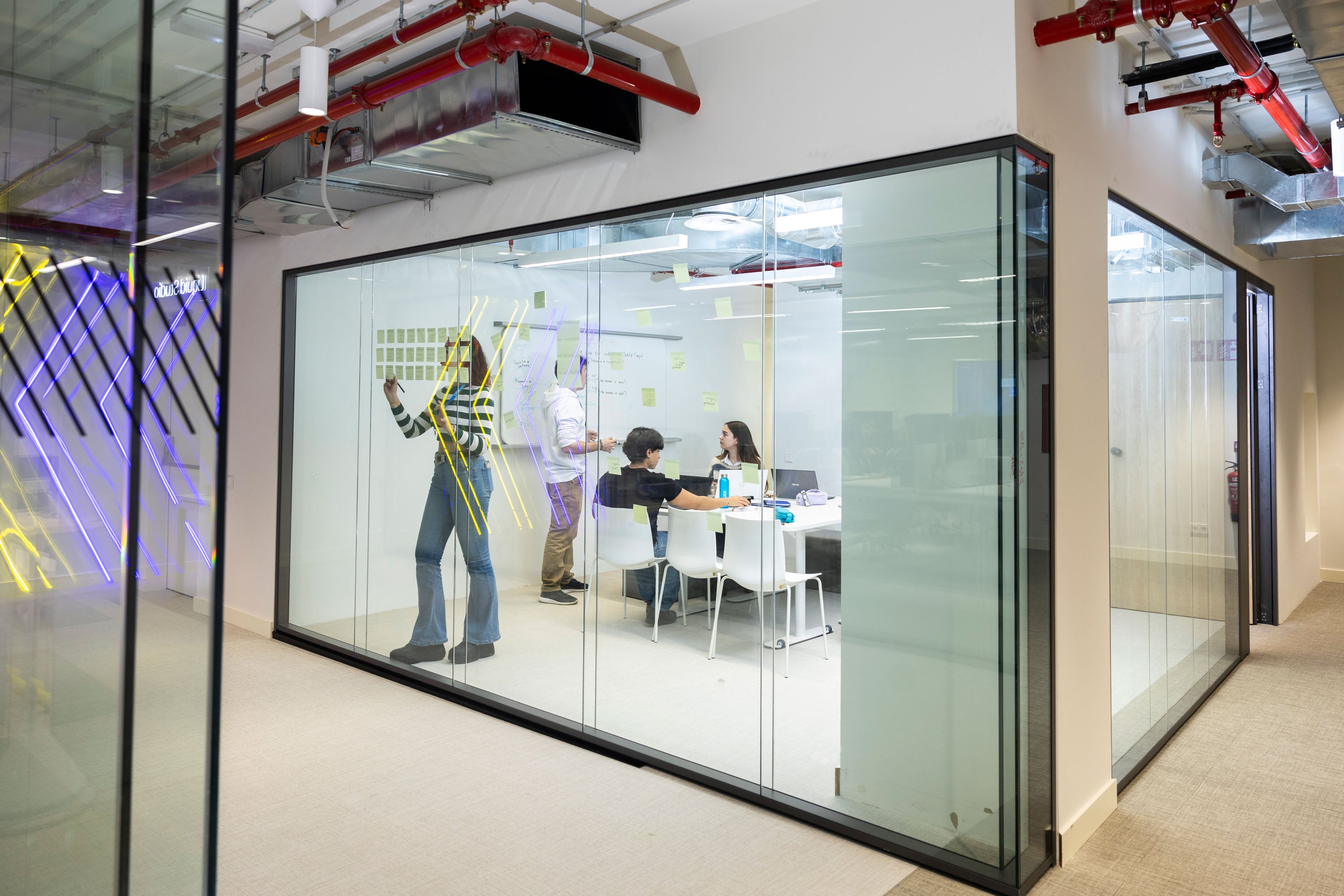
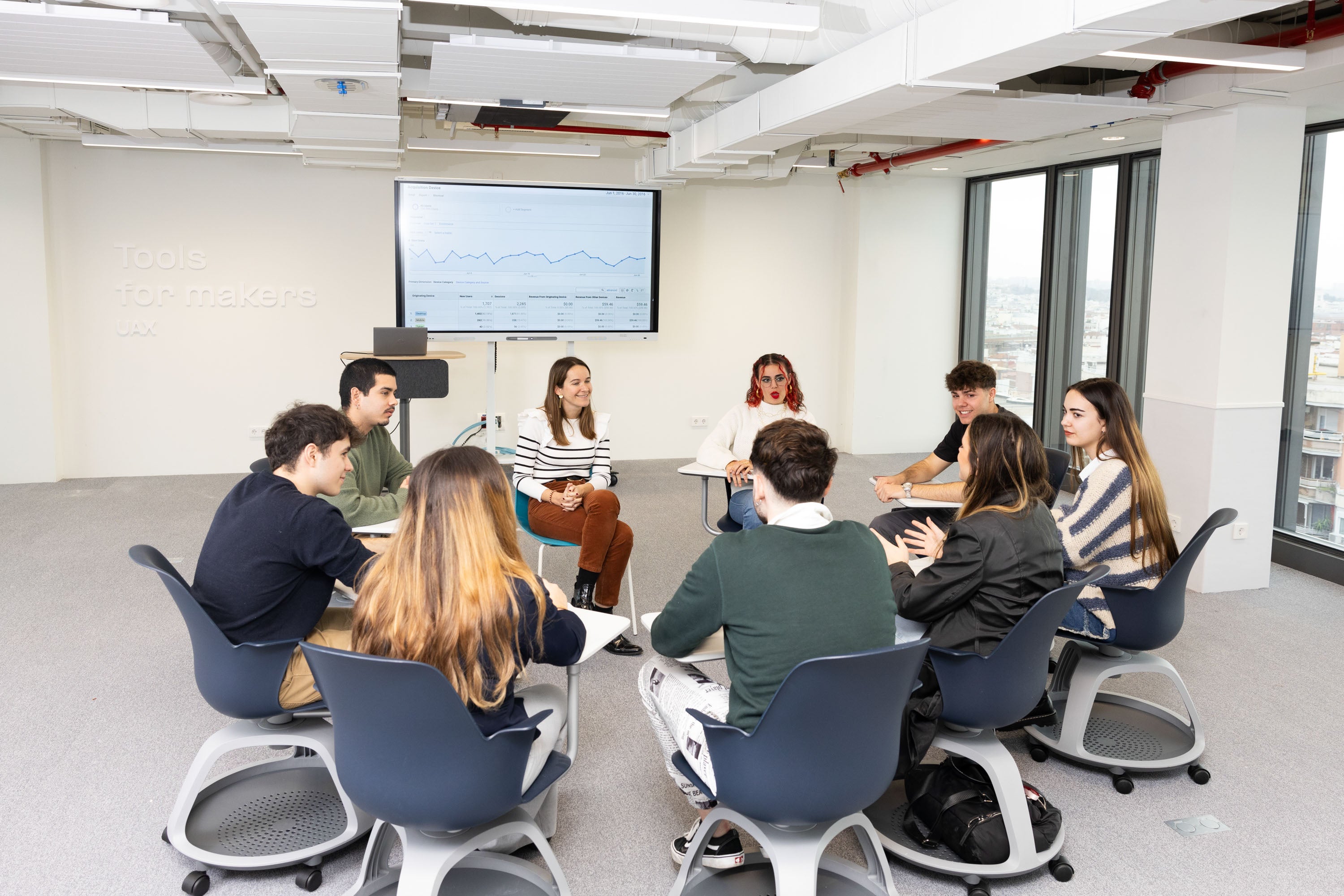
| Coworking and Liquid Studio areas | A space shared with technology companies where real innovation and transfer projects are carried out. These areas are equipped with soundproof classrooms, multi-device connectivity and furniture that encourages collaboration and agile work. |
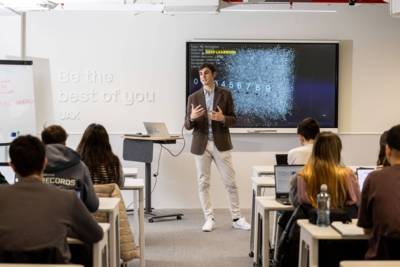
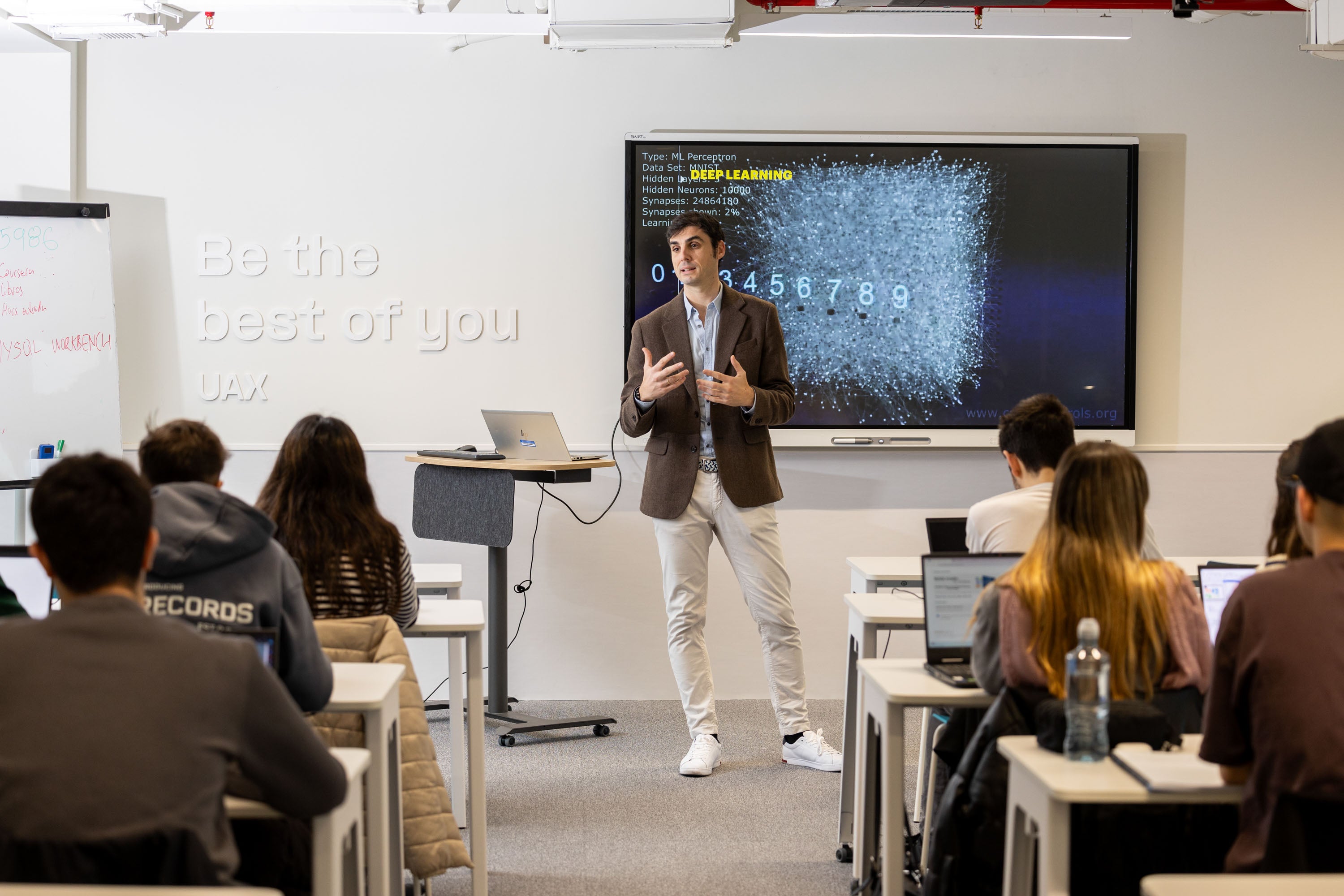
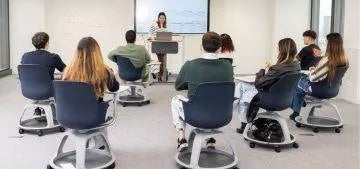
| Technological classrooms | All classrooms on campus are equipped with touchscreen whiteboards, circadian lighting and advanced projection and sound systems, which reinforce an interactive, immersive and connected learning experience. This entire ecosystem of laboratories and technical resources allows students to be trained in a highly professionalised environment, aligned with the demands of today's job market. |
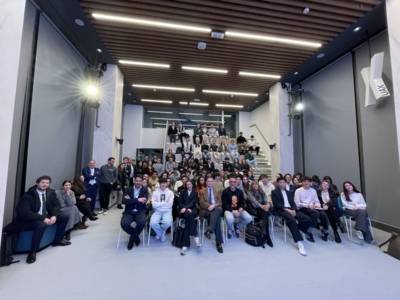
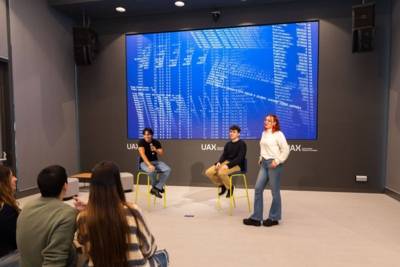
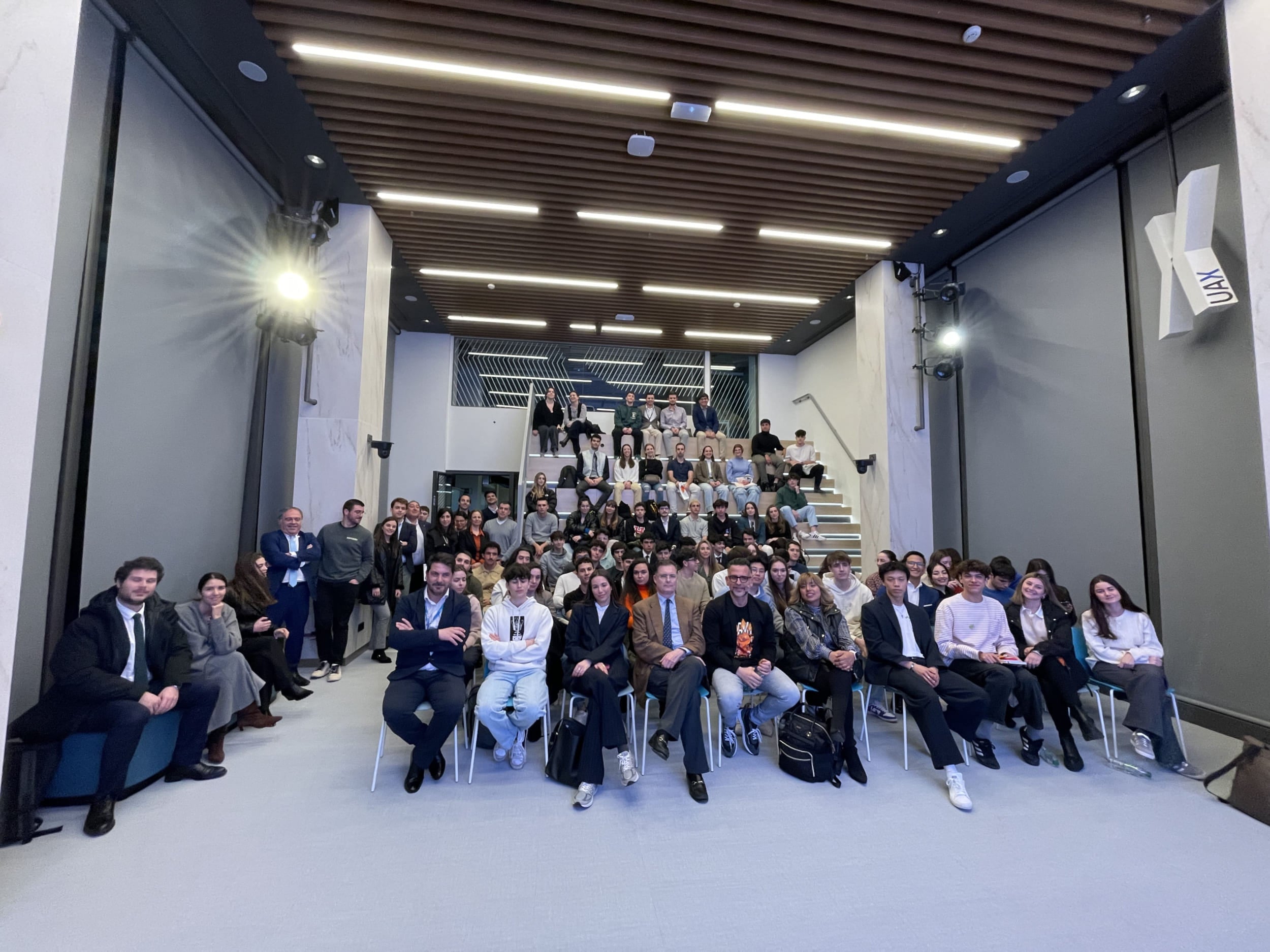
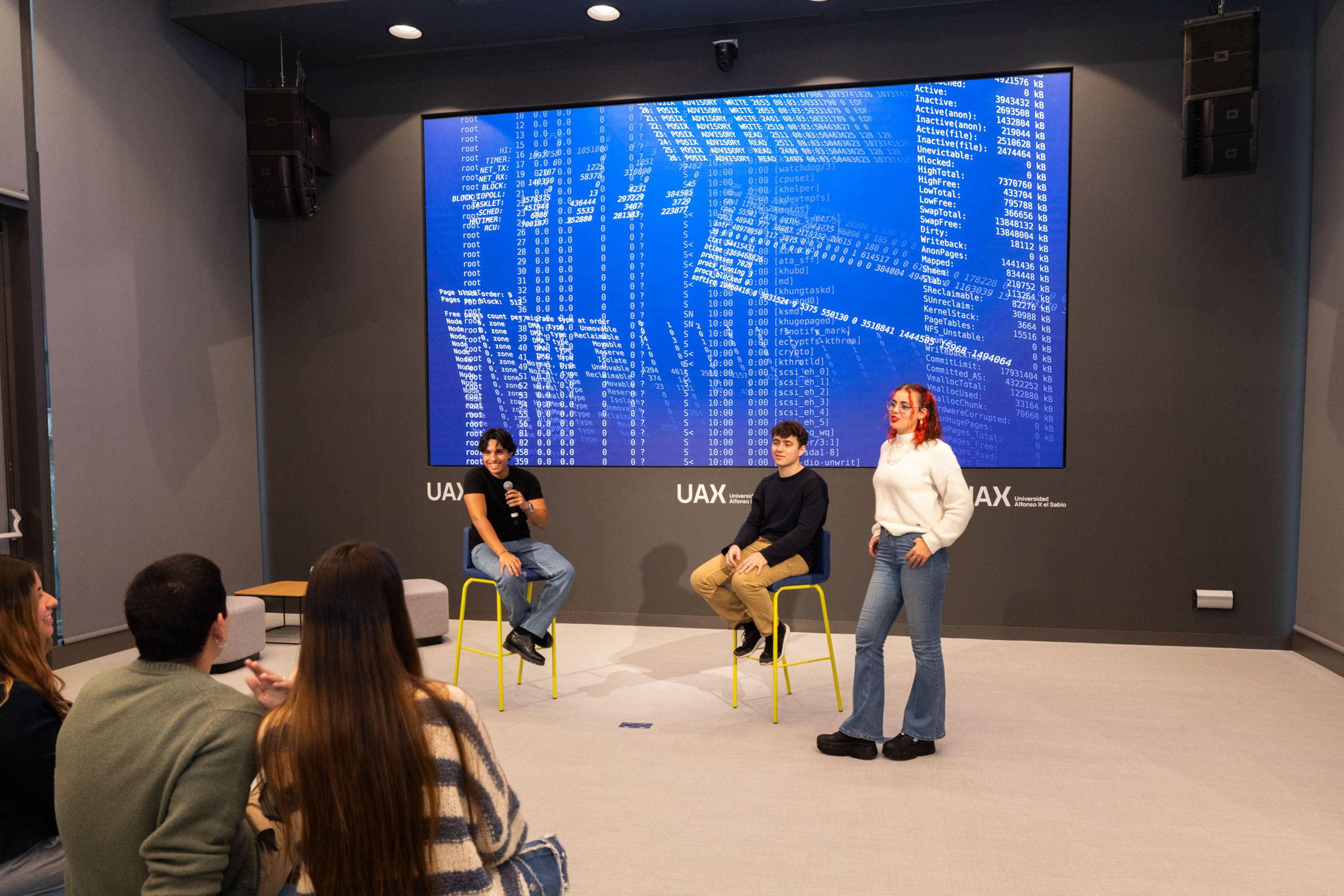
Hear first-hand accounts from companies and students, be inspired by the creativity and ingenuity of our maker projects, and discover what life is like on our campus, which is brimming with activities and events to suit all tastes.
Companies are an integral part of your day-to-day life on campus. You’ll take part in innovation projects, have your skills certified, and be offered work placements from your first year onwards. Companies such as Avanade, CIMPA and Sener are already developing talent and working on projects alongside our students.












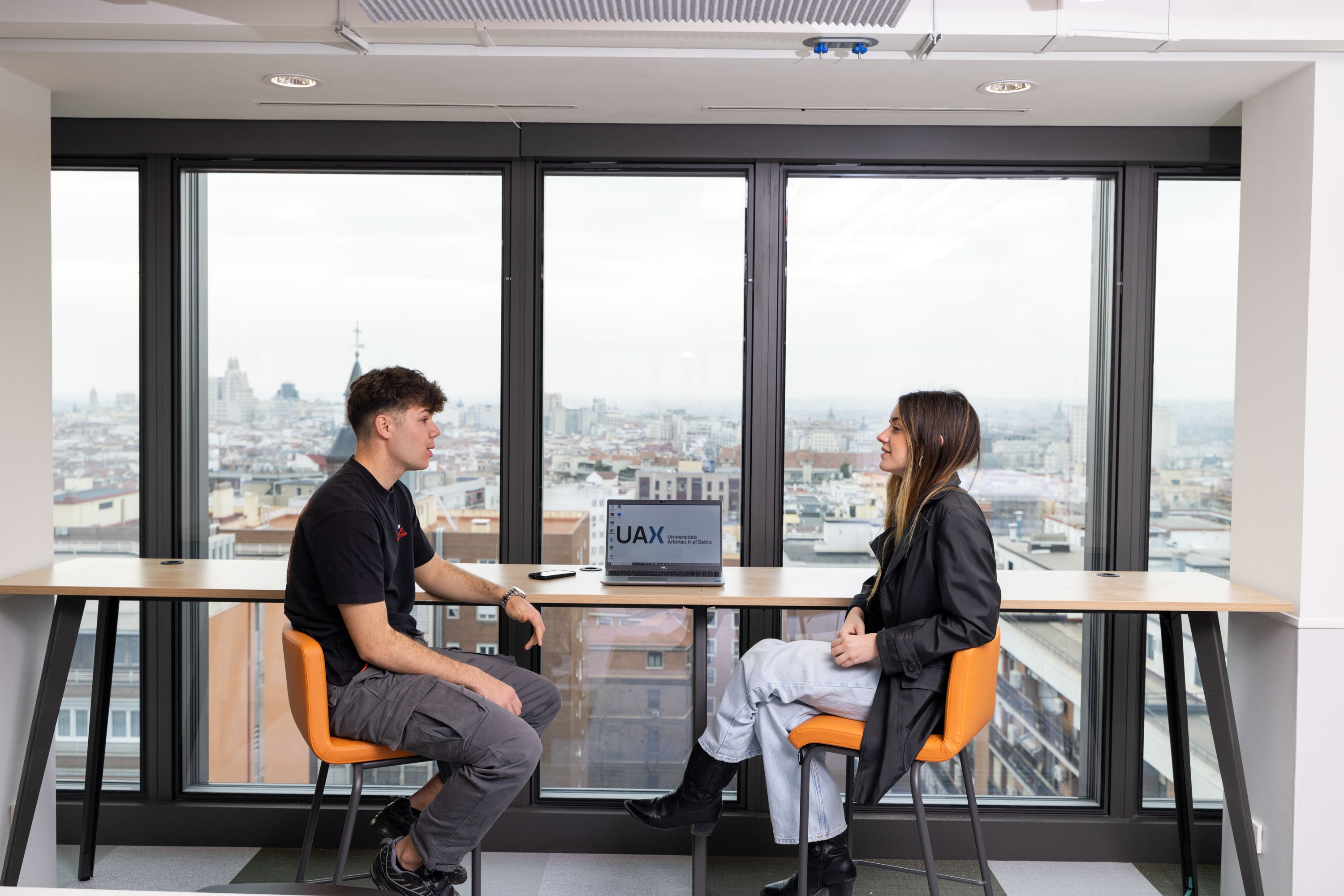

Opt for a CV that maximises your employability

Training in key areas driving technological advancement, such as programming, Big Data and predictive modelling

Data-driven thinking for decision-making and driving change.
30 ECTS credits of training in key business areas such as strategic management, user experience and digital product innovation.

You will have experience in real innovation projects proposed and managed by companies such as Caixabank, Ecoalf, Avanade or Quirónsalud.

Agile methodologies and certifications in communication, leadership, analytical and disruptive thinking.
Professionals’ Council



Scholarships and Financial Support for Studying at UAX
We know that studying is an investment. That’s why we want to remove financial barriers and make things easier for you. Fill in the form and let our advisers help you discover the scholarships, agreements and personalised financial support that best suit your situation.

Community of Madrid
Financial support for students with a disability of 33 per cent or more who are studying at universities or higher education institutions specialising in the arts in the Community of Madrid.

Ministry of Education, Vocational Training and Sport
Find out about the scholarships and grants offered by the Ministry of Education, Vocational Training and Sport, categorised by type and level of education.

Attracting Pre-doctoral Research Talent
Financial support for outstanding students who wish to carry out innovative research and contribute to the advancement of knowledge in their disciplines.

If you’ve already decided to take the plunge, enrol early and benefit from a direct grant. It’s a way of rewarding your commitment and giving you a head start in planning your future.
Students from Ibero-America
This programme is aimed at Ibero-American citizens or foreign nationals legally resident in countries within the OEI’s sphere of influence. The scholarship covers a 50% discount on the total tuition fees.

Students from Ecuador
This programme is aimed at citizens with Ecuadorian nationality and/or residence who wish to study an online master’s degree in Spain. The scholarship covers a 50% discount on the total tuition fees.

2025, 2nd Edition
Grants for students on higher-level vocational training, undergraduate, postgraduate or master’s programmes enrolled at Spanish universities with a Santander agreement. A financial supplement to support you whilst undertaking your work placements.

If you graduated from UAX and are now thinking of studying for a new degree, we want to continue supporting you. That’s why we’re offering you a 10 per cent discount on tuition fees.

If you have an immediate family member (up to the second degree of kinship) enrolled at UAX, you can benefit from a 5 per cent discount on tuition fees. Because studying as a family is even better.

Studying for two degrees at the same time is a challenge, and we want to support you. If you’re already at UAX and enrol on a second degree programme, you’ll be eligible for a grant towards your booking fee and tuition fees.

If you’d like to continue your studies with us and progress from vocational training to a bachelor’s degree, from one bachelor’s degree to another, or from a bachelor’s degree to a postgraduate degree, we’re here to support you with a grant covering up to 25 per cent of your tuition fees.

If you have a strong academic record, we would like to recognise your talent with a scholarship designed for new students. (Excludes the degree in Medicine).

If you’re a high-performance athlete, at UAX we want to help you balance your passion with your studies. We offer specific grants that can cover up to 50% of your tuition fees.
Recognised for helping to shape your career
The rankings place UAX amongst the best universities in Spain for graduate employability, innovation and an educational model that is closely linked to the world of work.

Forbes ranks UAX as the private university with the most graduates working in its area (nearly 90%), thanks to a unique educational model firmly linked to the labour market through more than 8,800 agreements with companies.
The prestigious ranking of the BBVA Foundation and the IVIE recognises us as the university with the best job placement in Spain in 2023, consolidating our model focused on the real employability of our graduates.

The Coordenadas Institute of Governance and Applied Economics places UAX as the private university of reference in Madrid, highlighting our practical training model aligned with the reality of the market.

UAX has been awarded the top 5-star rating and the ‘Excellent’ distinction by QS Stars, one of the most prestigious international university ranking systems. This recognition attests to the university’s excellence in key areas such as employability, teaching quality, facilities, online learning and the student experience.

UAX is recognised as the second most innovative university in Spain, the only private university among the top three in the ranking. This recognition highlights our transversal commitment to AI and training in sustainability.
Según la Lista Forbes 2025, UAX se sitúa en el TOP 2 Universidades españolas referentes en la adopción de IA Generativa en la formación de sus estudiantes, desarrollando herramientas y modelos de aprendizaje innovadores alineados con la evolución tecnológica.
We need to know a little bit about you so that we can provide you with a personalised service.
All fields are required

The UAX Degree in Mathematical Engineering prepares you to become a key figure in leading companies in many sectors, such as industry, the energy sector, strategic consultancy or the world of banking and insurance, with a commitment to the use of Agile methodologies, strategic training for digital business management and interdisciplinary projects with students from other faculties and companies such as Avanade, Ecoalf, Quirónsalud or Caixabank, among others.
According to current regulations, the requirements for university entrance include the possession of the Bachiller's degree and passing the EVAU (University Entrance Examination). It is also considered valid to hold a Higher Technical qualification in any discipline, whether it be Vocational Training, Plastic Arts and Design or Sports. On the other hand, there is also the possibility of access to university for people over 25 years of age by passing the corresponding entrance exam.
The duration of the Mathematical Engineering degree at UAX is 4 years.
La carrera de Matemáticas se centra en el estudio teórico y abstracto del conocimiento numérico y lógico, con un enfoque profundo en demostraciones y estructuras formales. En cambio, Ingeniería Matemática aplica ese conocimiento al mundo real, utilizando herramientas computacionales, estadística y modelado para resolver problemas en sectores como la industria, la energía o las finanzas. Mientras que el matemático se pregunta por qué ocurren las cosas y busca comprender la raíz teórica, el ingeniero matemático busca cómo usar ese conocimiento para optimizar, predecir o simular situaciones reales. Ambos comparten una base sólida en matemáticas puras, pero el enfoque práctico y tecnológico marca la diferencia en la ingeniería. El estudiante de Matemáticas suele tener un perfil más orientado a la lógica pura, la investigación o la docencia. El de Ingeniería Matemática se perfila más hacia la aplicación de modelos y algoritmos, y está más vinculado al desarrollo tecnológico y la resolución de retos reales. En definitiva, una formación te prepara para construir conocimiento, la otra para aplicarlo con impacto directo en el mundo.
Other related qualifications

Online Advanced Vocational Qualification in Web Application Development (DAW)
Start:
September
Length:
2 years

Online Advanced Technical Certificate in Cross-Platform Application Development (DAM)
Start:
September
Length:
2 years

Online Advanced Diploma in Industrial Automation and Robotics
Start:
September
Length:
2 years

Online Higher Technical Diploma in Networked Computer Systems Administration (ASIR)
Start:
September
Length:
2 years

Degree in Mathematical Engineering
Start:
September
Length:
5 years

Degree in Physics
Start:
September
Length:
4 years

Bachelor’s Degree in Business Analytics
In collaboration with:


Start:
September
Length:
4 years

Bachelor's Degree in Computer Engineering
Start:
September
Length:
4 years
Degree in Mathematical Engineering
+ Data, Coding and Web Certificate by

Start:
September
Length:
4 years
Bachelor’s Degree in Business Analytics + Business Administration and Management
In collaboration with:

Start:
September
Length:
4.5 years
Students of the Bachelor's Degree in Mathematical Engineering at UAX develop part of their training in a highly technological environment, supported by a pioneering campus in sustainability, design and innovation, located in the centre of Madrid. This campus has laboratories, technological classrooms, co-working spaces and professional simulation areas, all of which are designed to recreate real working environments and facilitate constant interaction with companies.
One of the most outstanding spaces is the FabLab/TechLab, where students have access to advanced technologies such as virtual reality, robotics, 3D printing, digital twin simulation and prototype development. This environment is designed to foster creativity, applied innovation and teamwork in projects that require a hands-on, multidisciplinary approach.
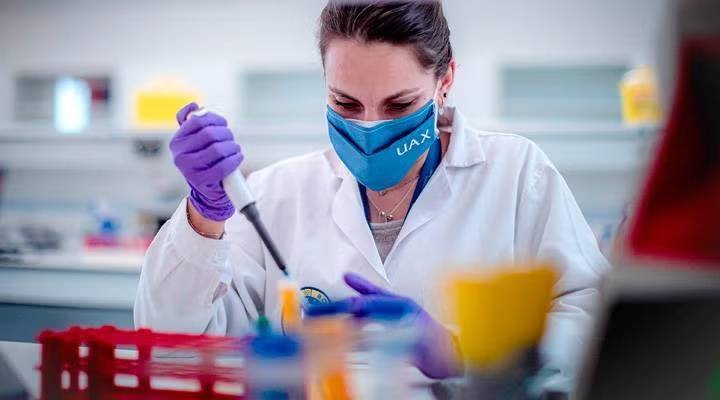
The degree also has a Physics Laboratory, where experimental practices linked to subjects such as electromagnetism, optics or mechanics are carried out, allowing students to understand and apply the fundamentals of physics from a mathematical and engineering perspective.
In the Computing Laboratory, students work with cutting-edge languages and platforms such as Python, R, SQL, Spark and MongoDB. This space is oriented towards the development of mathematical models, algorithms, data analysis and complex simulations. Subjects related to artificial intelligence, data science, cryptography and advanced programming are addressed here.
In addition, students can develop their projects in the coworking areas and in the Liquid Studio, a space shared with technology companies where real innovation and transfer projects are carried out. These areas are equipped with soundproof classrooms, multi-device connectivity and furniture that encourages collaboration and agile work.
Finally, the campus technology classrooms are equipped with touchscreen whiteboards, circadian lighting and advanced projection and sound systems, which reinforce an interactive, immersive and connected learning experience. This entire ecosystem of laboratories and technical resources allows students to be trained in a highly professionalised environment, aligned with the demands of today's job market.
You can consult the academic calendar and timetables at the following link.
UAX promotes a culture of quality within the university community through the UAX Quality System (SIUAX), for which the University Management bears ultimate responsibility, ensuring that the system’s planning is implemented to effectively meet quality objectives and satisfy the needs, requirements and expectations of customers and stakeholders.
The bodies responsible are:
This organisational structure facilitates two-way communication regarding the various improvement initiatives, thereby enabling and ensuring the development of a culture of quality within the University.
The Degree Programme Monitoring and Improvement Committee for the 2025–26 academic year is composed of:
This degree, according to RD 822/2021 (art. 34) must undergo the process of accreditation renewal. During the development of the process, an evaluation team of the Foundation for Knowledge Madrimasd will meet with different stakeholders of the degree. In addition, they provide us with a form so that any interested party can indicate to the Foundation those aspects they consider relevant to the development of this programme.