Specialising with a master's degree in medicine is essential to guide your professional career in an increasingly demanding and specialised healthcare environment.
At UAX you can choose from different areas such as emergency medicine, aesthetic medicine, public health or health management, with programmes designed to respond to the real needs of the sector.
Masters in medicine

Master’s Degree in Healthcare Management (Online)
In collaboration with:

Start:
October
Length:
9 months

Master’s Degree in Adult A&E for Nursing Professionals
In collaboration with:

Start:
October
Length:
9 months
Master’s Degree in Sports Medicine
In collaboration with:


Start:
October
Length:
9 months
Master of Lifelong Learning in Central Nervous System Radiosurgery
In collaboration with:
Start:
November
Length:
6 months

Master's Degree in Public Health and One Health (Online)
In collaboration with:

Start:
October
Length:
9 months

Master’s Degree in Nursing Services Management and Administration
In collaboration with:


Start:
October
Length:
9 months
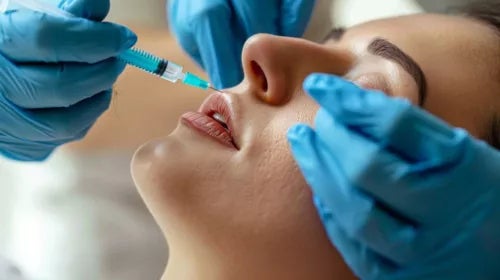
Master’s Degree in Aesthetic Medicine and Anti-Ageing
Start:
October
Length:
9 months

Master's Degree in Adult Emergencies and Emergencies for Nursing Professionals
Start:
October
Length:
9 months

Master's Degree in Health Management
In collaboration with:

Start:
October
Length:
9 months

Master's Degree in Research Methodology and Innovation in Health Sciences (Online)
Start:
October
Length:
9 months
After completing a medical degree , there are various options for specialisation beyond formal health training. Master's degrees allow you to focus your career on clinical, technical or management areas.
Choosing the right master's degree depends on whether you want to focus on clinical practice, specific areas of intervention or health system management.
Master's degrees in medicine allow you to expand your career opportunities in a variety of fields:
Specialisation facilitates access to more specific and better-valued roles.
UAX offers training that is practice-oriented and connected to the healthcare environment, with programmes designed to respond to the real needs of the sector.
The university is ranked top 1 in the ranking of the most innovative private universities in Spain to study Medicine and is the number 1 among all private universities in Spain where the best doctors are trained, according to ConSalud.
A doctor can specialise in different areas according to his or her professional interest: clinical specialisation (emergency medicine, sports medicine), aesthetic medicine, public health or health management. The choice will depend on whether he/she wants to focus on clinical practice, institutional practice or health services management.
It is not compulsory. The main route to specialisation in Spain is the MIR. However, master's degrees are a very useful complementary option for specialising in specific areas, acquiring new skills or accessing alternative professional opportunities.
The MIR is the official system for specialising as a doctor in Spain and allows you to practise as a specialist in hospitals. A master's degree, on the other hand, offers additional training in specific areas, but does not replace the MIR and does not grant the same professional qualification.
It depends on the area. Aesthetic medicine is in high demand in the private sector, while areas such as emergency medicine or health management offer opportunities in hospitals, clinics and health centres. The choice should be aligned with the type of career you want to pursue.
Most Master's programmes last between 1 and 2 years. Some programmes can be adapted to formats compatible with professional activity.
Yes, many master's degrees are designed for working professionals, with compatible timetables or online or blended learning modalities that make it easier to combine work and training.
Yes, especially if you want to focus on areas such as aesthetic medicine, public health or health management. In these cases, the master's degree can be key to accessing professional opportunities without the need for specialisation via MIR.
No. In order to practise as a specialist doctor in Spain, it is necessary to pass the MIR. Master's degrees do not replace this training, although they do provide complementary specialisation.
Exits depend on the speciality, but include private clinics, hospitals, health centres, public institutions, international organisations or health management positions.
It is important to assess the focus of the programme (clinical, aesthetic, management), the practical orientation, the career opportunities and whether it is compatible with your work situation. Choosing the right master's degree is key to your career direction.