





















From the fermentation of traditional foods to the development of new functional ingredients, yellow biotechnology plays a key role in transforming the food system. Against a backdrop of ever-increasing demand for healthy, sustainable and safe food, this discipline is emerging as a strategic tool for innovation in the food sector.
What is yellow biotechnology?
Yellow biotechnology can be defined as the application of biotechnology in the field of food and nutrition. It is based on the use of living organisms (mainly microorganisms such as bacteria, yeasts and fungi) to produce, process or improve food.
Unlike other branches :
- Green biotechnology focuses on agricultural production
- White biotechnology focuses on industrial processes
- Red biotechnology focuses on health
- Blue biotechnology focuses on the marine environment
- Grey biotechnology focuses on environmental sustainability
- Orange biotechnology focuses on science communication
- Brown : soils
- Gold : bioinformatics
- Violet : ethical aspects
- Yellow focuses specifically on food
This includes both traditional processes and advanced technologies aimed at improving the nutritional and functional quality of food products.
Characteristics of yellow biotechnology
Yellow biotechnology is characterised by a set of essential features that establish it as a key discipline for improving food production, safety and quality, as well as the sustainability of the agri-food sector.
Focus on food and nutrition
Its main area of application is food production and processing, as well as improving nutritional value.
Use of microorganisms
Bacteria, yeasts and fungi are used in processes such as:
- Fermentation
- Enzyme production
- Food processing
Improvement of food quality and safety
This enables the development of safer foods with a longer shelf life and a better nutritional profile.
Ingredient innovation
It promotes the creation of functional foods and new ingredients with health benefits.
Industrial application
It is integrated into industrial food production processes, optimising efficiency and quality.
Applications of yellow biotechnology
Yellow biotechnology extends its potential to a wide range of processes in the food industry, offering innovative solutions for the production, preservation, nutritional enhancement and safety of the food we consume.
Food fermentation
This is the best-known application. It includes the production of foods such as yoghurt, cheese, bread and beer.
These processes use microorganisms to transform raw materials into products with improved properties.
Development of functional foods
Yellow biotechnology enables the creation of foods with additional health benefits, such as probiotics, prebiotics and fortified foods
Nutritional enhancement
Foods with higher levels of vitamins, minerals and proteins are developed. This helps to improve the diet and health of the population.
Food safety
Biotechnological processes help to detect contaminants, improve preservation and reduce microbiological risks.
Production of food enzymes
Enzymes are used to optimise industrial processes, such as improving texture, increasing yield and processing food.
Examples of ‘yellow’ biotechnology
To illustrate its impact on our daily lives, below are specific examples of how yellow biotechnology is transforming food, from process optimisation to the creation of healthier and safer products.
- Yoghurt production through fermentation. Use of lactic acid bacteria.
- Cheese-making. Processing of milk using microorganisms.
- Bread-making with yeast. Fermentation that improves texture and flavour.
- Beer production. Controlled alcoholic fermentation.
- Probiotic foods. Products containing microorganisms beneficial to health.
- Fortified foods. Addition of extra nutrients.
- Use of enzymes in food processing. Optimisation of industrial processes.
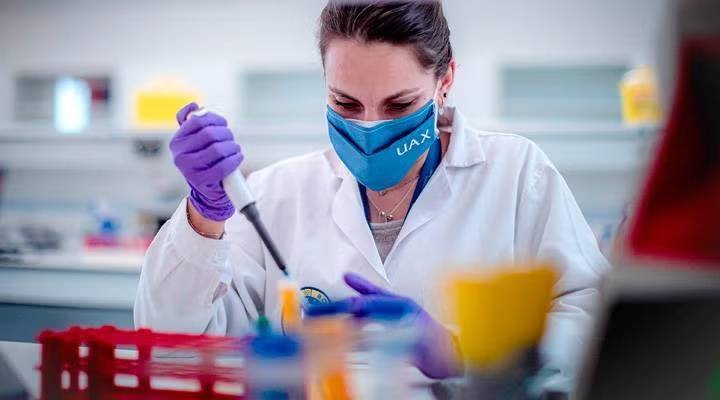
- Development of functional foods in the laboratory. R&D teams design products with specific health benefits, such as foods that improve gut microbiota.
Advantages and disadvantages of ‘yellow’ biotechnology
Like any technology applied to the food sector, yellow biotechnology strikes a balance between the significant opportunities it offers for improving nutrition and food security, and the challenges relating to consumer acceptance, regulation and the complexity of its implementation.
Advantages
- Improved nutritional quality
- Increased food security
- Development of new foods
- Optimisation of industrial processes
- Contribution to public health
Disadvantages
- Need for rigorous microbiological control
- Regulation of certain products
- Consumer perception in some cases
- Reliance on biological processes
Career opportunities in yellow biotechnology
Yellow biotechnology offers a wide range of career opportunities within the food sector, both in industrial settings and in research, innovation and consultancy. Key options include:
Food industry (R&D and innovation). Development of new products and functional foods, and improvement of production processes in companies within the sector.
Quality control and food safety. Microbiological analysis, regulatory compliance and process monitoring to ensure food safety.
Nutrition and health research. Participation in projects focusing on the impact of diet on health, including studies on probiotics, prebiotics and nutrigenetics.
Development of ingredients and enzymes. Creation of compounds that improve the texture, shelf life or nutritional value of food.
Food consultancy and advisory services. Advising companies on innovation, regulation and product development.
Scientific communication and outreach in the food sector. Raising awareness of nutrition, food safety and innovation through the media, companies or institutions.
Furthermore, a biotechnologist specialising in food can pursue a career in various settings, such as industry, research centres, public bodies or even as a freelance professional, participating in innovation or scientific outreach projects.
The strategic role of yellow biotechnology
Yellow biotechnology is key to the evolution of the food system. It enables us to address challenges such as:
- Healthy eating
- Food security
- Sustainability
- Product innovation
Furthermore, its connection with green biotechnology (agricultural production) and white biotechnology (industrial processes) places it in a strategic position within the biotechnology ecosystem.
Conclusion
Yellow biotechnology is the branch of biotechnology applied to food and nutrition. Through microorganisms and biological processes, it enables improvements in the quality, safety and nutritional value of food.
Its role in the food industry and in health makes it an essential discipline for the future of food. Furthermore, its wide-ranging application in the food industry and nutrition makes it a field with excellent career prospects for those seeking to develop their careers in the field of biotechnology.
Sources used