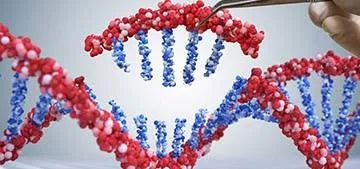























In a context where biotechnology is advancing rapidly, with applications such as gene editing, artificial intelligence in healthcare and advanced therapies, violet biotechnology is becoming an essential pillar for regulating, evaluating and guiding these advances.
What is violet biotechnology?
Violet biotechnology can be defined as the set of standards, ethical principles, legal frameworks and public policies that regulate the development and application of biotechnology.
Unlike other branches that focus on specific applications – such as red biotechnology (health) , green (agriculture) , white (industrial) , blue (marine) , grey (environmental) , yellow (food) , brown (soil) and gold (bioinformatics) or orange (outreach) , violet biotechnology does not focus on the development of biological applications, but rather on their regulation, assessment and control from an ethical and legal perspective. In other words, it does not work directly with living organisms or biological processes, but with the impact these have on society.
It encompasses areas such as:
- Bioethics
- Health legislation
- Regulation of genetically modified organisms
- Biomedical data protection
- Risk assessment
Characteristics of violet biotechnology
Violet biotechnology is distinguished by a set of characteristics that position it as the essential branch for addressing the ethical, legal and social implications of biotechnological advances, ensuring their responsible development.
Ethical approach
It analyses the moral implications of the use of biotechnology, particularly in sensitive areas such as genetics or healthcare.
Legal Regulation
It defines the regulatory framework governing the development and use of biological technologies.
Protection of society
Seeks to minimise risks to health, the environment and people’s rights.
Interdisciplinarity
Integrates knowledge from:
- Law
- Philosophy
- Science
- Public policy
Constant adaptation
It must evolve at the same pace as scientific advances.
Applications of violet biotechnology
Violet biotechnology extends its potential to a wide range of areas, from the creation of regulatory frameworks to the promotion of public debate, ensuring that biotechnological innovation is aligned with social and ethical values.
Regulation of advanced therapies
It sets standards for the use of:
- Gene therapy
- Cell therapy
- Tissue engineering
Legislation on genetically modified organisms
It defines the conditions that GMOs must meet for use in agriculture or food.
Genetic data protection
Regulates the use of genetic and biomedical information to ensure privacy.
Clinical trial assessment
Ensures that studies involving human subjects meet ethical and scientific criteria. This process is key to the development of medicines and requires specialists in regulation and regulatory compliance.
Bioethics in research
Establishes principles for the responsible use of technologies such as:
- Gene editing
- Cloning
- Cell research
Examples of violet biotechnology
To illustrate its crucial impact, below we present specific examples of how violet biotechnology is building bridges between science, ethics, the law and society to ensure the responsible implementation of biotechnology.
- European regulation of medicines. Regulations to ensure safety and efficacy.
- Bioethics committees. Ethical evaluation of scientific projects.
- Legislation on health data. Protection of medical information.
- Regulations on GMOs. Control of the use of genetically modified organisms.
- Regulation of clinical trials. Oversight of research involving humans.
- Regulatory assessment of new medicines. Specialised teams analyse the safety, efficacy and quality of medicines prior to their approval by agencies such as the EMA.
Advantages and disadvantages of violet biotechnology
Like any discipline that navigates the complexities of science and society, violet biotechnology presents a balance of significant opportunities to foster public trust, but also entails challenges in resolving ethical dilemmas and formulating policies.
Advantages
- It ensures the safety of biotechnological applications
- Protects people’s rights
- Fosters trust in science
- Reduces ethical and legal risks
- Establishes international standards
Disadvantages
- May slow down innovation
- Complex regulatory processes
- Differences between countries
- Need for constant updating
Career opportunities in violet biotechnology
Violet biotechnology offers career opportunities in key areas where the use of biotechnology is regulated, monitored and assessed. The main options include:
- Regulatory affairs in the pharmaceutical and biotechnology industries. Management of drug approval, regulatory compliance and liaison with regulatory agencies.
- Evaluation and management of clinical trials. Overseeing human studies to ensure they meet ethical, scientific and legal criteria.
- Bioethics and ethics committees. Participation in committees that evaluate research projects, particularly in sensitive areas such as genetics or advanced therapies.
- Health law and biomedical legislation. Specialisation in regulations relating to health, biotechnology, clinical data and genetically modified organisms.
- Biomedical data protection. Management of genetic and health information, ensuring privacy and compliance with regulations such as the GDPR.
- Consultancy on compliance and biotechnology regulation. Advising companies and institutions on regulatory compliance and risk management.
The strategic role of ‘violet’ biotechnology
Violet biotechnology is essential to ensuring that scientific advances are developed responsibly. Its role is particularly significant in areas where technology can have a direct impact on human life.
It acts as a control system that balances innovation and safety, enabling biotechnology to advance without compromising ethical values or fundamental rights.
Conclusion
Violet biotechnology is the branch responsible for regulating and supervising the development of biotechnology from an ethical and legal perspective. Its function is to ensure that scientific innovation is carried out responsibly and safely.
In a world where biotechnology is advancing rapidly, its role is key to building trust and ensuring the sustainable development of science. And its role in regulating innovation makes it a career path with excellent prospects within the bio-health sector.
Sources used