





















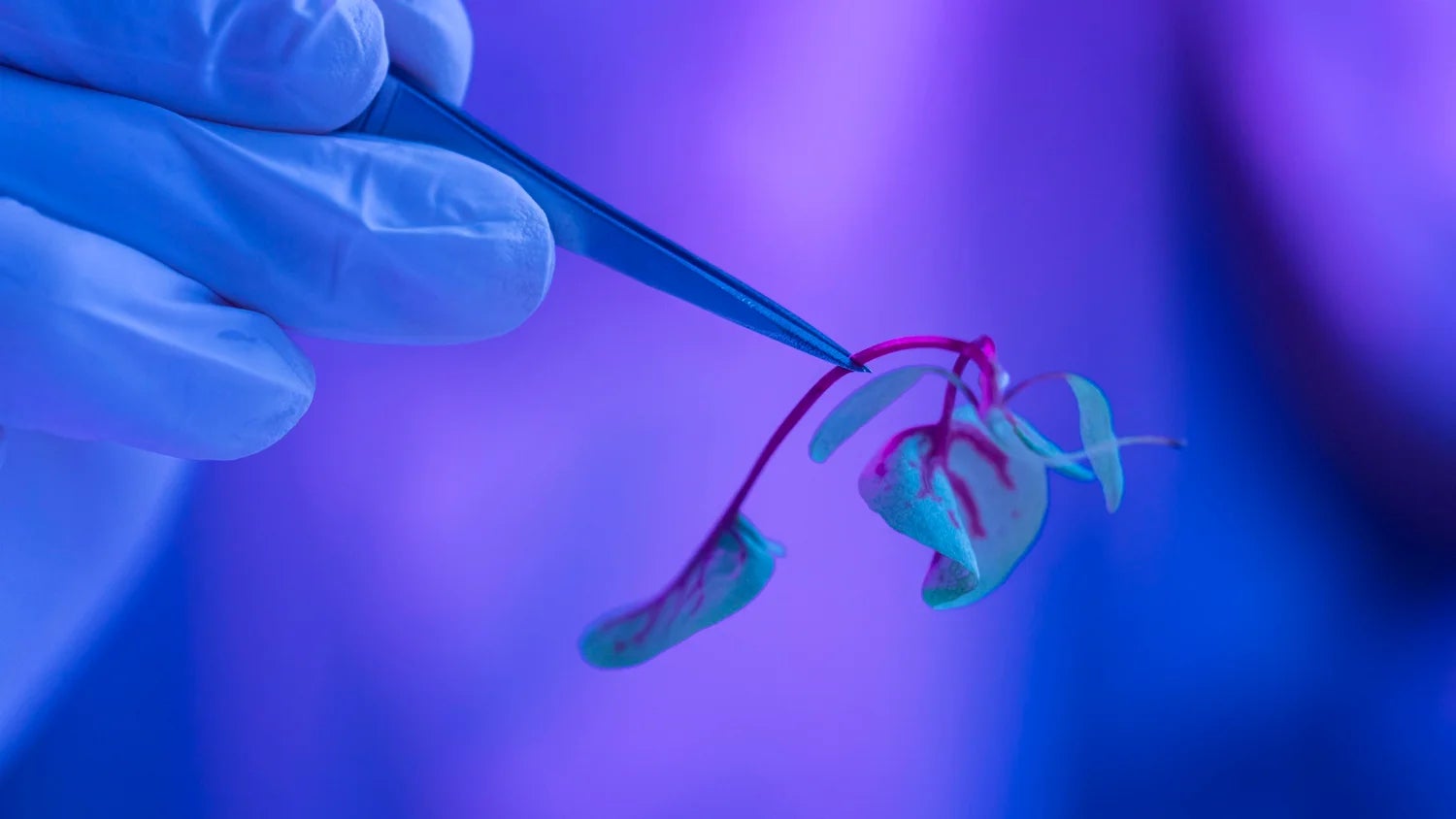
This is a growing field that responds to two major trends: the need to develop more sustainable economic models and the growing interest in marine resources as a source of innovation. The oceans cover more than 70 per cent of the planet’s surface and are home to a biodiversity that remains largely unexplored, making blue biotechnology one of the areas with the greatest scientific and economic potential in the coming decades.
Furthermore, this field offers career opportunities in emerging sectors such as aquaculture, marine biomedicine, energy and environmental sustainability.
What is blue biotechnology?
Blue biotechnology can be defined as the application of biotechnology to aquatic organisms and ecosystems, particularly marine ones, with the aim of developing products and services in sectors such as biomedicine , the food industry, cosmetics, energy and environmental sustainability.
Unlike other branches , such as red biotechnology (health), green biotechnology (agriculture) , grey biotechnology (environmental) , yellow biotechnology (food) , brown (soils) , gold (bioinformatics) , orange (outreach), violet (ethics), or white (industrial processes) , blue biotechnology is characterised by its focus on the marine environment. This involves working with very specific biological conditions (high pressure, salinity, temperature variability) which have given rise to organisms with unique properties, particularly interesting from a biotechnological perspective.
Furthermore, blue biotechnology aligns with the concept of ‘ blue economy ’, which promotes the sustainable use of marine resources for economic growth, improved livelihoods and the preservation of ecosystems.
Characteristics of blue biotechnology
Blue biotechnology is characterised by a set of specific features that focus on the sustainable use of marine and aquatic resources.
Use of marine biodiversity
The most distinctive feature is the use of marine organisms. From microorganisms to macroalgae or marine animals, all of these can be sources of bioactive compounds, enzymes, biomaterials or nutrients with industrial and scientific applications.
Adaptation to extreme conditions
Many marine organisms live in extreme conditions (high pressure, low light, variable temperatures), which enables them to develop molecules with unique properties. These characteristics make their compounds particularly valuable for biomedical, industrial or technological applications.
Sustainable approach
Blue biotechnology has a strong environmental focus. It seeks solutions that reduce ecological impact, support the circular economy and promote the responsible use of marine resources.
Multisectoral nature
It is not limited to a single sector. Its applications span health, food, energy, the environment, aquaculture, cosmetics and advanced materials, making it a cross-cutting discipline.
High potential for innovation
Much of the marine ecosystem has not yet been studied in depth, which opens up constant opportunities for the discovery of new compounds, processes or applications.
Applications of blue biotechnology
The applications of blue biotechnology are wide-ranging and growing. The main ones are detailed below.
Biomedicine and pharmacology
The marine environment is a source of bioactive compounds with therapeutic potential. Research is being carried out into molecules with anti-cancer, anti-inflammatory, antiviral or antibacterial properties.
Many marine organisms produce chemicals to defend themselves or communicate, and these molecules can be used in the development of new drugs.
Food and nutrition
Algae and microalgae are one of the cornerstones of blue biotechnology in the food sector. They are used as a source of protein, omega-3 fatty acids, vitamins and antioxidants.
Furthermore, biotechnology enables the improvement of aquaculture processes, the optimisation of seafood production and the development of functional ingredients for the food industry.
Cosmetics
Numerous cosmetic products incorporate marine-derived ingredients, such as seaweed extracts, marine collagen or antioxidant compounds.
These ingredients are valued for their moisturising, regenerative and protective properties, which have driven the growth of marine cosmetics.
Energy (bioenergy)
Blue biotechnology is also used in the development of biofuels from microalgae. These offer advantages over other sources, such as high productivity and reduced competition with agricultural crops.
Research is being carried out into processes for producing biodiesel, bioethanol or biogas from marine biomass.
Environment
One of the most significant applications is bioremediation, that is, the use of marine organisms to remove pollutants.
This includes:
- Wastewater treatment
- Removal of heavy metals
- Degradation of hydrocarbons
- Restoration of marine ecosystems
Aquaculture
Blue biotechnology improves the sustainability and efficiency of aquaculture through:
- Genetic improvement of species
- Disease control
- Feed optimisation
- Reducing environmental impact
Examples of blue biotechnology
Below are some specific examples to help you understand how it is applied in practice.
- Production of omega-3 from microalgae. A sustainable alternative to fish oils.
- Use of algae in functional foods. Nutrient-rich ingredients used in health foods.
- Development of medicines from marine organisms. Molecules with anti-cancer or antibacterial potential.
- Cosmetics containing marine extracts. Creams and treatments with antioxidant properties.
- Microalgae-based biofuels. Production of renewable energy from marine biomass.
- Marine enzymes for industrial processes. Used in detergents, food or industrial biotechnology.
- Bioremediation of polluting discharges. Use of marine microorganisms to clean up ecosystems.
- Production of bioplastics from algae. A sustainable alternative to conventional plastics.
- Genetic improvement in aquaculture. Optimisation of species for greater resilience and growth.
- Extraction of marine collagen. Used in regenerative medicine and cosmetics.
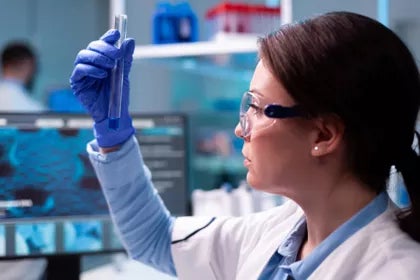
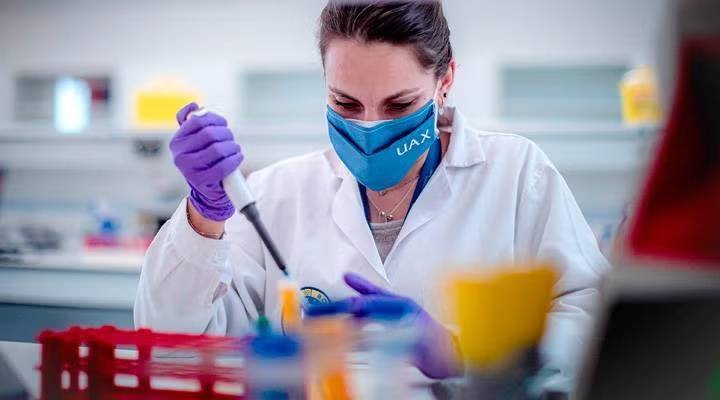
- Development of marine compounds in pharmaceutical laboratories. Research teams are working on the identification and synthesis of molecules with therapeutic potential derived from marine organisms.
Blue biotechnology products
Products derived from blue biotechnology can be classified into different categories:
- Biopharmaceuticals: medicines based on marine compounds
- Functional ingredients: omega-3, proteins, antioxidants
- Marine cosmetics: creams, serums, treatments
- Biofuels: biodiesel, bioethanol
- Biomaterials: collagen, bioplastics
- Industrial enzymes: used in a wide range of processes
These products not only reflect the scientific potential of blue biotechnology, but also the career opportunities in areas such as product development, applied research and technology transfer.
Advantages and disadvantages of blue biotechnology
Blue biotechnology, despite its immense potential derived from marine resources, presents both significant advantages and certain disadvantages that must be carefully assessed.
Advantages
- Utilisation of abundant and under-exploited resources
- High potential for scientific innovation
- Contribution to sustainability and the circular economy
- Applications across multiple sectors
- Development of alternatives to traditional resources
Disadvantages
- Technical complexity in marine research
- High exploration and development costs
- Environmental regulation and ecosystem protection
- Difficulty in scaling up to industrial levels in some cases
- Risks associated with overexploitation if not managed properly
Career opportunities in blue biotechnology
Blue biotechnology opens up career opportunities in a wide range of sectors linked to the marine environment, from research to industry and environmental sustainability. Key career paths include:
- Marine and biotechnology research. Participation in scientific projects focused on the study of marine organisms, their properties and their potential applications in healthcare, industry or the environment.
- Biotechnology and pharmaceutical industry. Development of products derived from marine compounds, such as new drugs, functional ingredients or biomaterials.
- Food industry and aquaculture. Optimisation of production processes, genetic improvement of marine species, food development and sustainable management of aquaculture.
- Environment and sustainability. Projects relating to conservation, bioremediation and the management of marine ecosystems, both in companies and public bodies.
- Energy and the blue bioeconomy. Development of biofuels and energy solutions from marine biomass, particularly microalgae.
- Consultancy and innovation in the blue economy. Providing advice to companies and institutions on projects related to sustainability, marine resources and technological innovation.
Furthermore, these career paths can be pursued in various settings such as research centres, private companies, public bodies or entrepreneurial initiatives linked to the blue economy and sustainable innovation.
The strategic role of blue biotechnology
Blue biotechnology lies at the heart of several global challenges: sustainability, food security, the energy transition and the development of new therapies.
Its growth is closely linked to the blue economy, which promotes the responsible use of the oceans as a driver of development. In this context, the ability to transform biodiversity into innovative solutions makes this discipline a key area from both a scientific and economic perspective.
Furthermore, its interdisciplinary nature links it directly to strategic sectors and to the demand for highly qualified professionals, particularly in areas related to health, the environment and technology.
Conclusion
Blue biotechnology is the branch of biotechnology that explores and harnesses marine resources to generate innovative solutions across multiple sectors. Its applications range from medicine to energy, including food, cosmetics and environmental sustainability.
Thanks to marine biodiversity and scientific advances, this field offers enormous potential for development and is establishing itself as one of the most promising areas within biotechnology.
Furthermore, its growth and application in strategic sectors make it an option with excellent career prospects for those seeking to develop a career in biotechnology.
Sources used