





















Against a backdrop of growing concern about climate change, pollution and biodiversity loss, grey biotechnology is emerging as a key tool for tackling environmental challenges through a scientific and applied approach.
Furthermore, this field creates career opportunities in key sectors such as environmental management, waste treatment and industrial sustainability.
What is grey biotechnology?
Grey biotechnology can be defined as the application of biotechnology to the environmental sphere. It is based on the use of microorganisms, plants or biological systems to remove pollutants, treat waste and restore damaged ecosystems.
Unlike other branches such as red biotechnology (health) , blue (marine) , white (industrial processes), brown (soils) , violet (ethics), gold (bioinformatics) or green biotechnology , which focuses on agricultural production, grey biotechnology operates primarily in already degraded environments, seeking to restore ecosystems and reduce pollution.
Characteristics of grey biotechnology
To understand its crucial role in the search for sustainable solutions to environmental problems, it is essential to be aware of the characteristics that define grey biotechnology:
Environmental focus
Its aim is to protect the natural environment, including soil, water and air.
Use of microorganisms and biological systems
Bacteria, fungi, algae or plants capable of breaking down pollutants or transforming toxic compounds into less harmful substances are utilised.
Application to pollution and waste
It addresses issues such as:
- Industrial pollution
- Toxic spills
- Urban waste
- Contaminated soil
Sustainable approach
Seeks solutions that reduce environmental impact compared to more aggressive or costly traditional methods.
Integration with the circular economy
It promotes the reuse of waste and the recovery of resources.
Applications of grey biotechnology
Grey biotechnology extends its influence to a wide range of environmental challenges, offering innovative solutions for the protection, restoration and sustainable management of our ecosystems.
Bioremediation
This is the most representative application. It involves using living organisms to remove pollutants from the environment.
It includes:
- Degradation of hydrocarbons in soil
- Removal of heavy metals
- Treatment of contaminated water
Wastewater treatment
Microorganisms are used to break down organic matter and remove pollutants in wastewater treatment plants.
This allows the water to be reused and reduces the environmental impact.
Waste management
Grey biotechnology enables waste to be transformed into useful products through biological processes, such as:
- Composting
- Anaerobic digestion
- Biogas production
Remediation of contaminated soil
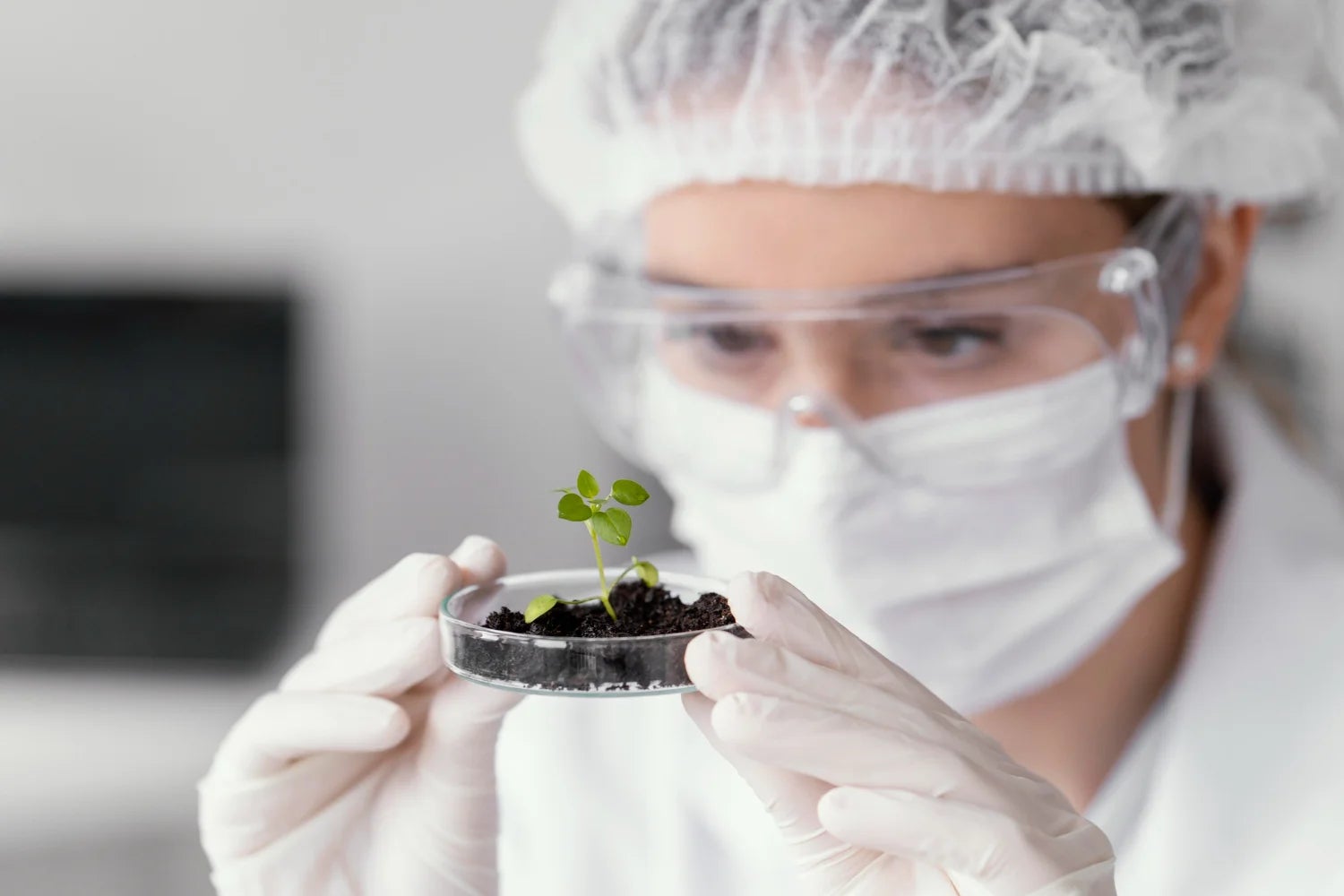
Plants or microorganisms are used to remove pollutants from the soil, in processes known as phytoremediation or bioremediation.
Air pollution control
Some biological systems can help reduce airborne pollutants through biofilters or biological degradation processes.
Examples of grey biotechnology
The theory of grey biotechnology comes to life in various practical applications; let’s explore some specific cases where biological systems are key to environmental sustainability.
- Cleaning up oil spills. Use of bacteria that degrade hydrocarbons.
- Biological treatment of wastewater. Microbiological processes in wastewater treatment.
- Soil phytoremediation. Plants that absorb heavy metals.
- Biogas production from waste. Conversion of organic matter into energy.
- Composting of organic waste. Conversion into natural fertilisers.
- Biofilters for air pollutants. Use of microorganisms to clean the air.
- Removal of pesticides from soil. Degradation by bacteria.
- Recovery of degraded ecosystems. Restoration of natural habitats.
- Biological treatment in industrial plants. Use of microorganisms in industrial facilities to reduce the pollutant load before discharging waste into the environment.
Grey biotechnology projects
Grey biotechnology is being developed in numerous projects worldwide, particularly in the environmental and urban sectors.
- Water treatment projects. Implementation of biological systems in treatment plants to improve efficiency and reduce costs.
- Restoration of contaminated sites. Projects to reclaim industrial land or areas affected by polluting discharges.
- Circular economy and waste. Initiatives that transform waste into resources through biotechnological processes.
- Green infrastructure. Integration of biological solutions into urban environments to improve environmental quality.
This type of project generates high demand for professionals specialising in environmental biotechnology, particularly in urban and industrial settings.
Advantages and disadvantages of grey biotechnology
Like any technology focused on environmental management, grey biotechnology presents a balance of significant opportunities and challenges that must be carefully assessed.
Advantages
- Reduction in environmental pollution
- More sustainable processes than traditional methods
- Potentially lower costs in the long term
- Recovery of natural resources
- Application in a wide range of settings
Disadvantages
- Slower processes than chemical methods
- Dependence on environmental conditions
- Limitations with certain types of pollutants
- Requires specialised technical expertise
Career opportunities in grey biotechnology
Grey biotechnology offers career opportunities in fields related to sustainability, environmental management and ecosystem restoration. The main options include:
- Environmental management and sustainability consultancy. Developing projects to reduce the environmental impact of businesses, manage waste and optimise the use of resources.
- Water and waste treatment. Working in wastewater treatment plants, recycling companies or waste management organisations, applying biotechnological processes to remove pollutants.
- Environmental engineering and projects. Designing and implementing solutions such as bioremediation systems, biofilters or the remediation of contaminated soil.
- Research in environmental biotechnology. Participation in projects focusing on pollution, climate change or ecosystem restoration.
- Public sector and environmental agencies. Management of environmental policies, regulation and the development of sustainable strategies within public administrations.
- Circular economy and waste recovery. Transforming waste into useful products such as biogas, fertilisers or biomaterials.
The strategic role of grey biotechnology
Grey biotechnology is essential for tackling challenges such as:
- Environmental pollution
- Climate change
- Waste management
- Resource scarcity
Its ability to transform environmental problems into sustainable solutions makes it a key discipline within sustainable development.
Furthermore, its integration with other branches of biotechnology, including ‘yellow’ and ‘golden’ biotechnology , reinforces its role within a global approach to innovation.
Conclusion
Grey biotechnology is the branch of biotechnology focused on protecting the environment through the use of living organisms and biological processes.
Thanks to its applications in bioremediation, water treatment and waste management, it stands as an essential tool for moving towards a more sustainable and environmentally friendly model.
Sources used