





















In other words, when we talk about red biotechnology, we are talking about bio-health innovation. It is a discipline that bridges biomedical research, laboratory work, technology and clinical practice to address some of the major challenges facing healthcare today: hereditary diseases, cancer, infections, personalised medicine and tissue regeneration, amongst others.
Furthermore, this field generates high demand for professionals in research, the pharmaceutical industry and clinical diagnostics.
What is red biotechnology?
The general basis of biotechnology, according to the definition adopted by the OECD and also endorsed by the European Commission, is the application of science and technology to living organisms, as well as their parts, products and models, to generate knowledge, goods and services. Within this broad category, red biotechnology refers specifically to the medical and healthcare sectors.
The OECD describes red biotechnology as the application of biological technologies in medicine and healthcare, focusing on the prevention, diagnosis and treatment of diseases. This field includes biopharmaceuticals such as monoclonal antibodies, vaccines, gene and cell therapies, tissue-engineered products and diagnostic technologies that enable personalised medicine.
Red biotechnology is therefore not a specific technique, but a multidisciplinary field. It integrates molecular biology, genetics, microbiology, immunology, biochemistry, pharmacology, biomedical engineering and data analysis to translate biological knowledge into real-world clinical applications. All these disciplines form part of the curriculum for the Bachelor’s Degree in Biotechnology.
Characteristics of red biotechnology
Red biotechnology has a number of distinctive features that set it apart from other branches , such as green biotechnology , which focuses on agriculture; white biotechnology, which is geared towards industrial processes; and blue biotechnology, which concentrates on marine ecosystems.
It is geared towards human health
Its most distinctive feature is its focus on healthcare. It seeks to improve the prevention, diagnosis, prognosis and treatment of diseases. This includes infectious diseases as well as chronic, rare, oncological and degenerative conditions.
It works with complex biological systems
Red biotechnology utilises cells, proteins, antibodies, genetic material, viral vectors or tissues. It is not limited to manufacturing chemical compounds: it intervenes in biological mechanisms to modulate, correct or harness them for therapeutic or diagnostic purposes.
It has a strong research and regulatory foundation
The development of biopharmaceutical products requires basic research, pre-clinical trials, clinical trials, quality control, pharmacovigilance and regulatory authorisation. In Europe, for example, advanced therapy medicinal products are specifically regulated due to their complexity and because they are based on genes, cells or tissue engineering.
It promotes personalised medicine
One of its key focuses is to tailor prevention or treatment to the characteristics of individual patients or subgroups of patients. Personalised medicine, as defined by the European Commission, seeks preventive and therapeutic strategies tailored to specific groups of individuals. Red biotechnology enables this approach through biomarkers, molecular diagnostics and targeted therapies.
It requires interdisciplinary collaboration
It does not rely solely on the laboratory. Scientists, clinicians, regulatory experts, industry professionals and technology specialists are all involved. This explains why red biotechnology has such close links with hospitals, research centres, pharmaceutical companies, biotech firms, clinical laboratories and public bodies.
Applications of red biotechnology
The applications of red biotechnology are very wide-ranging and feature in many of the innovations now considered strategic for modern medicine.
Vaccine development
Vaccines are a type of biological product and are one of the most recognisable examples of biotechnology applied to healthcare. The WHO highlights that there are currently vaccines against more than 30 life-threatening diseases and that immunisation prevents between 3.5 and 5 million deaths a year.
In this field, red biotechnology plays a role in the design of antigens, the use of biological platforms, production systems and the optimisation of the immune response.
Monoclonal antibodies
Monoclonal antibodies are one of the major areas of growth in red biotechnology. The WHO describes them as the largest class of therapeutic proteins in clinical use, and the NIH notes that they are a prime example of personalised therapies based on immunology and molecular biology. They are used in oncology, autoimmune diseases, inflammatory processes and infections, amongst other areas.
Gene therapy
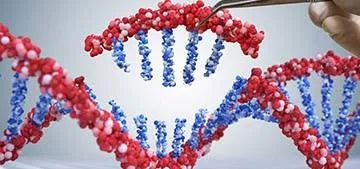
Gene therapy aims to introduce, replace or inactivate genetic material for therapeutic purposes. The FDA explains that these therapies are being studied and applied to treat genetic disorders, cancer and infectious diseases, using different types of vectors and molecular strategies.
It is one of the most representative areas of ‘red’ biotechnology because it acts directly on the genetic basis of certain diseases.
Cell therapy and tissue engineering
The European Medicines Agency classifies gene therapies, somatic cell therapies and tissue-engineered products as advanced therapy medicinal products. This demonstrates the extent to which red biotechnology is no longer limited to conventional medicines, but also includes cell- and tissue-based solutions to repair, restore or replace biological functions.
Regenerative medicine
Regenerative medicine relies on stem cells, biomaterials and tissue repair strategies. The NIH explains that stem cells have the capacity for self-renewal and can give rise to different cell types, which explains the interest in them for research and certain therapeutic applications.
Molecular diagnostics and personalised medicine
Another key application is the development of diagnostic tests based on biomarkers, genetic profiles or molecular techniques. These tools enable diseases to be detected earlier, patients to be better categorised and more appropriate treatments to be selected. The European Commission specifically identifies personalised medicine as a model aimed at providing prevention and treatment tailored to defined groups of people.
Examples of red biotechnology
To better understand this field, it is helpful to look at specific examples.
1. Next-generation vaccines
These are a clear example because they use advanced biological knowledge to induce immunity against specific pathogens. They form part of the range of biological products used in public health and preventive medicine.
2. Therapeutic monoclonal antibodies
These are designed to recognise specific molecular targets and act with a high degree of specificity. Today, they are used in a wide range of clinical areas, from cancer treatment to immunological diseases.
3. Approved gene therapies
The FDA maintains an official list of approved cell-based and gene therapy products, which demonstrates that this is no longer merely experimental research, but therapies with regulated use in patients.
4. Advanced therapy products
The EMA classifies products based on genes, cells or tissue engineering as advanced therapy medicinal products. This group brings together some of the most sophisticated developments in modern red biotechnology.
5. Diagnostic tests for personalised medicine
Molecular and genetic tests that help to identify patient subgroups or select treatments are another key example, as they turn biology into a clinical decision-making tool.
6. Clinical trials of advanced therapies
Evaluation of new gene or cell therapies in patients under controlled clinical protocols.
Advantages and disadvantages of red biotechnology
Main advantages
The first advantage is its potential clinical impact. It enables the development of more targeted treatments, allows intervention in specific biological mechanisms, and opens up new therapeutic options for diseases that previously had no effective treatment.
The second is its contribution to precision diagnostics. By identifying biomarkers and molecular profiles, it helps to make more informed clinical decisions and to personalise therapies.
The third is its preventive potential. Vaccines and other biologicals have demonstrated an essential role in public health.
Key limitations or disadvantages
Its main limitation is its scientific, technical and regulatory complexity. Developing a biotechnological healthcare product requires significant investment, rigorous trials and high standards of manufacturing and safety.
There are also challenges relating to access and cost. Many advanced therapies are complex to produce and distribute, which can hinder their scalability or rapid integration into healthcare systems.
Furthermore, it raises ethical and social debates, particularly in areas such as gene editing, the use of certain cells or the handling of genetic information. The OECD has noted that biotechnology in healthcare can give rise to significant ethical dilemmas that must be addressed through appropriate frameworks.
Career opportunities in red biotechnology
Red biotechnology offers a wide range of career opportunities by bridging the gaps between research, industry, clinical practice and regulation. Key options include:
- Biomedical research. Work at universities, research centres or biomedical institutes in areas such as genetics, immunology, cell biology or translational medicine.
- Biopharmaceutical industry. Development of biological medicines, advanced therapies and diagnostic tools. This includes roles in R&D, production, quality control, quality assurance and clinical development.
- Clinical trials and drug development. Participation in clinical studies, coordination of trials and liaising between laboratories, industry and the hospital setting.
- Clinical diagnostics and personalised medicine. Working in hospital laboratories or molecular diagnostics companies, utilising biomarkers and genetic testing.
- Regulatory affairs and market access. Managing drug approval, regulatory compliance, pharmacovigilance and strategies for access to the healthcare system.
- Innovation management and technology transfer. Bridging the gap between research and industry, facilitating the translation of scientific advances into clinical practice.
Why ‘red biotechnology’ plays a strategic role in the future of healthcare
Red biotechnology occupies a central position in the evolution of the healthcare model. The reason is simple: it combines in-depth biological knowledge with a genuine capacity for clinical application. Not only does it help us to better understand disease, but it also enables us to intervene more precisely.
Its importance will continue to grow for several reasons:
- Firstly, due to advances in personalised medicine and targeted therapies.
- Secondly, due to the need to tackle complex and rare diseases.
- Thirdly, due to the consolidation of technological platforms that enable new generations of vaccines, cell therapies, gene therapies and regenerative products.
From an educational perspective, this makes red biotechnology a particularly attractive field for those seeking to develop their careers at the intersection of science, innovation and health, with professionals specialising in biotechnology applied to health, in both research and industry.
Conclusion
Red biotechnology is the branch of biotechnology focused on medicine and health. It is characterised by the application of biological tools to the diagnosis, prevention and treatment of diseases, and its most representative examples include vaccines, monoclonal antibodies, gene therapy, cell therapy, tissue engineering and molecular diagnostics.
Its applications make it a key discipline for medicine today and in the future, although it also demands high levels of specialisation, investment and regulatory oversight. Precisely for this reason, red biotechnology is not only of scientific value: it also offers vast academic and professional opportunities for those interested in bio-health innovation.
Sources used