





















What is sports medicine?
Sports medicine, also known as sports science, focuses on the study, prevention, diagnosis and treatment of injuries and illnesses related to sport and physical activity. This discipline not only deals with high-performance athletes, but also covers people of all ages and fitness levels who exercise regularly or occasionally.
The main aim of sports medicine is to promote health and wellbeing through physical activity, as well as to optimise sporting performance safely and effectively. To achieve this, sports doctors apply knowledge from various medical fields, such as orthopaedics, cardiology, nutrition and exercise physiology.
What sports medicine involves: scope of practice
The scope of sports medicine is broad and varied. What does a sports doctor do? Some of the main areas in which these professionals work are:
- Injury prevention . Sports doctors develop training and fitness programmes to reduce the risk of injury in athletes and active people.
- Diagnosis and treatment of sports injuries. From sprains and muscle strains to fractures and concussions, sports doctors are trained to manage a wide range of sports-related injuries.
- Rehabilitation and recovery. They design and supervise rehabilitation programmes to help patients recover from injuries and return to their previous level of activity.
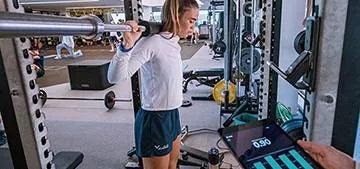
- Performance assessment. They carry out physical and physiological tests to assess athletes’ performance and recommend strategies for improvement.
- Sports nutrition. They advise on appropriate dietary plans to optimise performance and recovery.
- Preventative medicine. They carry out pre-participation medical examinations and monitor athletes’ general health to prevent any injuries resulting from fatigue or muscle strain.
- Advice on ergonomics and biomechanics. They help to improve and optimise sporting technique and posture to prevent injuries and enhance performance.
- Management of chronic conditions. For patients with existing medical conditions, sports doctors advise on how to engage in physical activity safely.
- Research in sports science. They contribute to the advancement of knowledge in areas such as exercise physiology, biomechanics and sports nutrition.
- Health education and promotion. They encourage the adoption of active and healthy lifestyles amongst the general population.
As you can see, sports medicine covers a wide range of aspects related to health and physical performance, making it a truly comprehensive and fascinating medical specialism that goes beyond injuries.
Specialisms in sports medicine
Sports medicine is a broad field encompassing various sub-specialities. Each of these areas focuses on specific aspects of health and sporting performance. Some of the most notable specialities are:
- Sports traumatology. This focuses on the diagnosis, treatment and prevention of sports-related musculoskeletal injuries. Sports traumatologists are experts in the management of fractures, ligament and tendon injuries, and joint problems.
- Sports cardiology. This specialism deals with the cardiovascular health of athletes. Sports cardiologists assess cardiac function, detect potential heart problems and advise on the safe practice of sport for people with heart conditions.
- Physical medicine and sports rehabilitation. This specialism focuses on the functional recovery of athletes following injuries or surgery through personalised rehabilitation programmes designed to help patients regain their optimal physical fitness.
- Exercise medicine. This specialism centres on the use of exercise as a therapeutic tool to prevent and treat chronic conditions such as diabetes, high blood pressure and obesity.
- Sports biomechanics. This specialism focuses on the study of human movement in a sporting context. Biomechanics specialists analyse sporting technique to improve performance and prevent injuries.
- Paediatric sports medicine. This specialism focuses on the specific medical needs of young, growing athletes, addressing issues such as physical development, overuse injuries and nutrition appropriate for growth.
Each of these specialisms makes a unique contribution to the field of sports medicine, enabling a holistic and personalised approach to the healthcare and performance of athletes and active individuals.

The state of the sport medicine speciality in Spain
In Spain, the specialism of Physical Education and Sports Medicine was excluded from the 2017 MIR recruitment process. This was a specialism previously studied over a three-year period at professional schools. This change has been implemented in accordance with European regulations, under which only specialisms carried out within a hospital can be considered medical specialisms.
In 2021, SEMED (the Spanish Society of Sports Medicine) met with the Ministry of Health to request the urgent reinstatement of specialist training in this field for Spanish doctors.
At present, there is no MIR training programme in sports medicine.
Is it possible to train in sports medicine?
If you are passionate about sport and medicine, training in sports medicine could be an excellent career choice. The path to becoming a sports doctor involves several steps, and you should be aware that there is no single route:
- Degree in Medicine. The first step is to obtain a degree in Medicine. During your studies, you will acquire a solid foundation essential for future specialisation.
- MIR specialisation. In Spain, after completing your degree, you must pass the MIR (Resident Doctor) exam and undertake a residency in a related specialism, such as Physical Medicine and Rehabilitation or Family and Community Medicine.
- Specific training in sports medicine. Once you have completed your residency, you can specialise in sports medicine through postgraduate programmes, such as master’s degrees or specialised courses.
- Practical experience. It is essential to gain experience working with athletes and sports teams. Many sports doctors begin by working with local clubs or university teams.
The Master’s in Sports Medicine at UAX
An excellent option for specialising in sports medicine is theUAX Master’s in Sports Medicine ( ). This programme is designed to provide advanced and practical training in all aspects of sports medicine, offering:
- A comprehensive curriculum covering all relevant areas of sports medicine.
- Expert lecturers with extensive experience in the field.
- Work placements at high-performance sports centres.
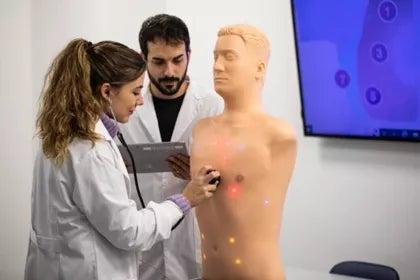
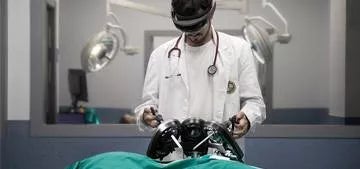
- Access to state-of-the-art technology and equipment, such as our virtual simulation hospital.
- Networking opportunities with professionals in the sector.
This Master’s programme is designed for doctors wishing to specialise in sports medicine, as well as for other healthcare professionals interested in broadening their knowledge in this field.
If you are interested in exploring other training options in the field of health and sport, you may wish to review the range of master’s and postgraduate programmes in Health and Sport offered by UAX.
Furthermore, if you are interested in the field of sports rehabilitation, you might consider training to become a sports physiotherapist , a profession closely linked to sports medicine.
Sports medicine is a fascinating and constantly evolving medical specialism that plays a crucial role in the healthcare and performance of athletes and active people of all ages.
If you’re passionate about sport and medicine, sports medicine can offer you a rewarding and challenging career. Whether you aspire to work with elite athletes, help ordinary people stay active and healthy, or contribute to research in sports science, sports medicine offers you a wide range of career opportunities.
Specialise with UAX!