
















Entering the exciting world of paediatrics is not just an educational journey, but a vocation dedicated to caring for the youngest members of society. To fully understand what you need to study to become a paediatrician, we will break down every crucial aspect that defines this educational and professional journey.
What is a paediatrician and what do they do?
A paediatrician is a doctor specialising in the comprehensive healthcare of children and adolescents. Their work goes beyond treating illnesses; it encompasses monitoring the physical, emotional and social development of their young patients. From caring for newborns right through to adolescence, paediatricians become key pillars in ensuring healthy growth. Furthermore, they act as allies to families, providing guidance and support on the journey of parenting.
Building relationships of trust with children and their families is essential for a paediatrician. This requires effective communication skills, empathy and a deep understanding of family dynamics – all fundamental to providing holistic care.
What types of paediatricians are there?
Within the broad field of paediatrics, there are various specialisms, each focusing on specific areas of children’s health. From general paediatricians, who treat a wide variety of conditions, to subspecialities such as paediatric cardiology, neurology or endocrinology, each branch contributes in its own unique way to children’s wellbeing. This diversity allows future paediatricians to find their niche and tailor their practice to their particular interests.
What degree should you choose to become a paediatrician?
Choosing a university degree marks the start of the journey towards paediatrics. Subjects such as biology, chemistry or biochemistry provide a solid scientific foundation. Do you have to study medicine to become a paediatrician?
The medical degree is the next essential step, introducing you to the general medical knowledge that will form the basis of your paediatric practice. This stage covers not only theory but also clinical placements to develop practical skills right from the start.
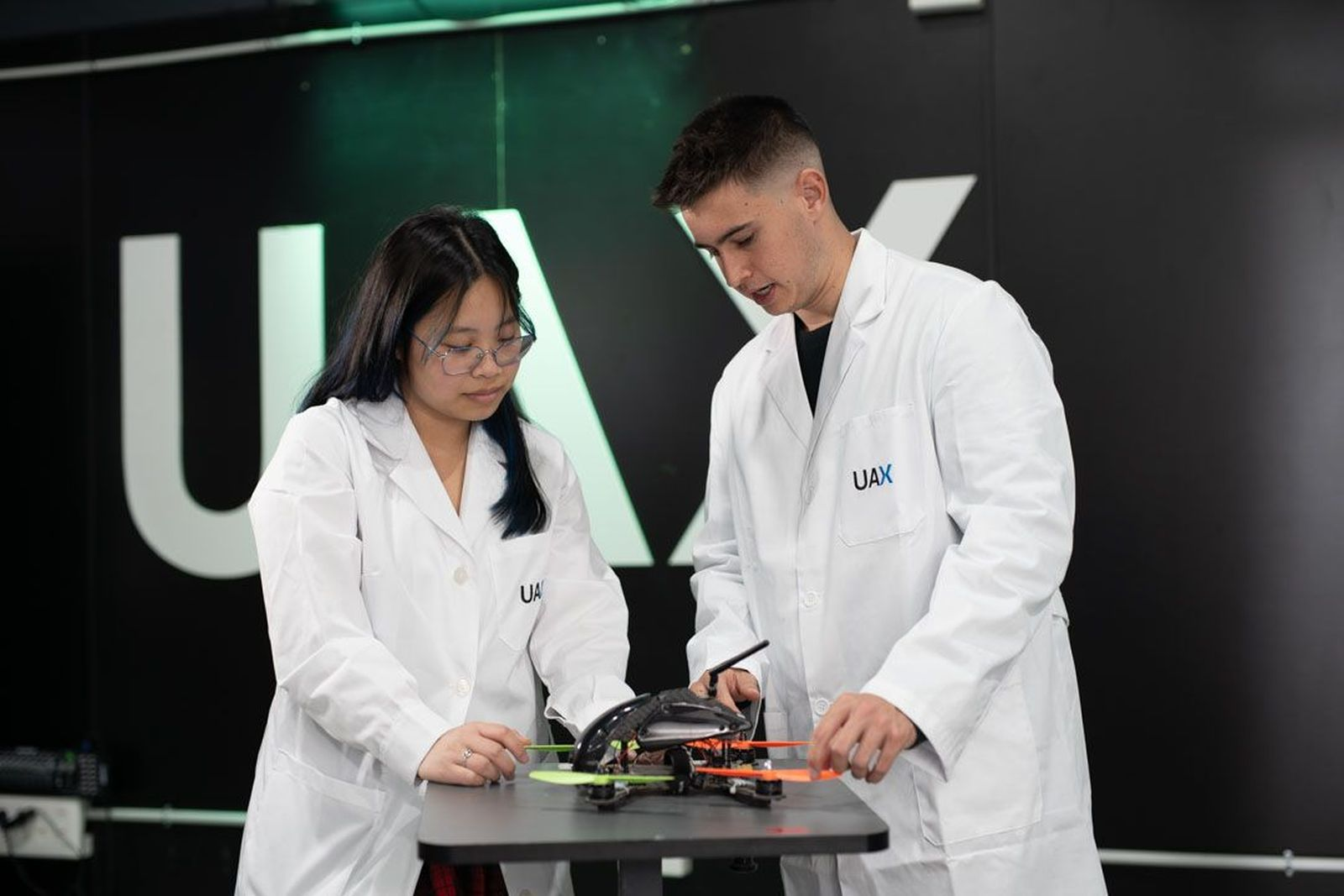
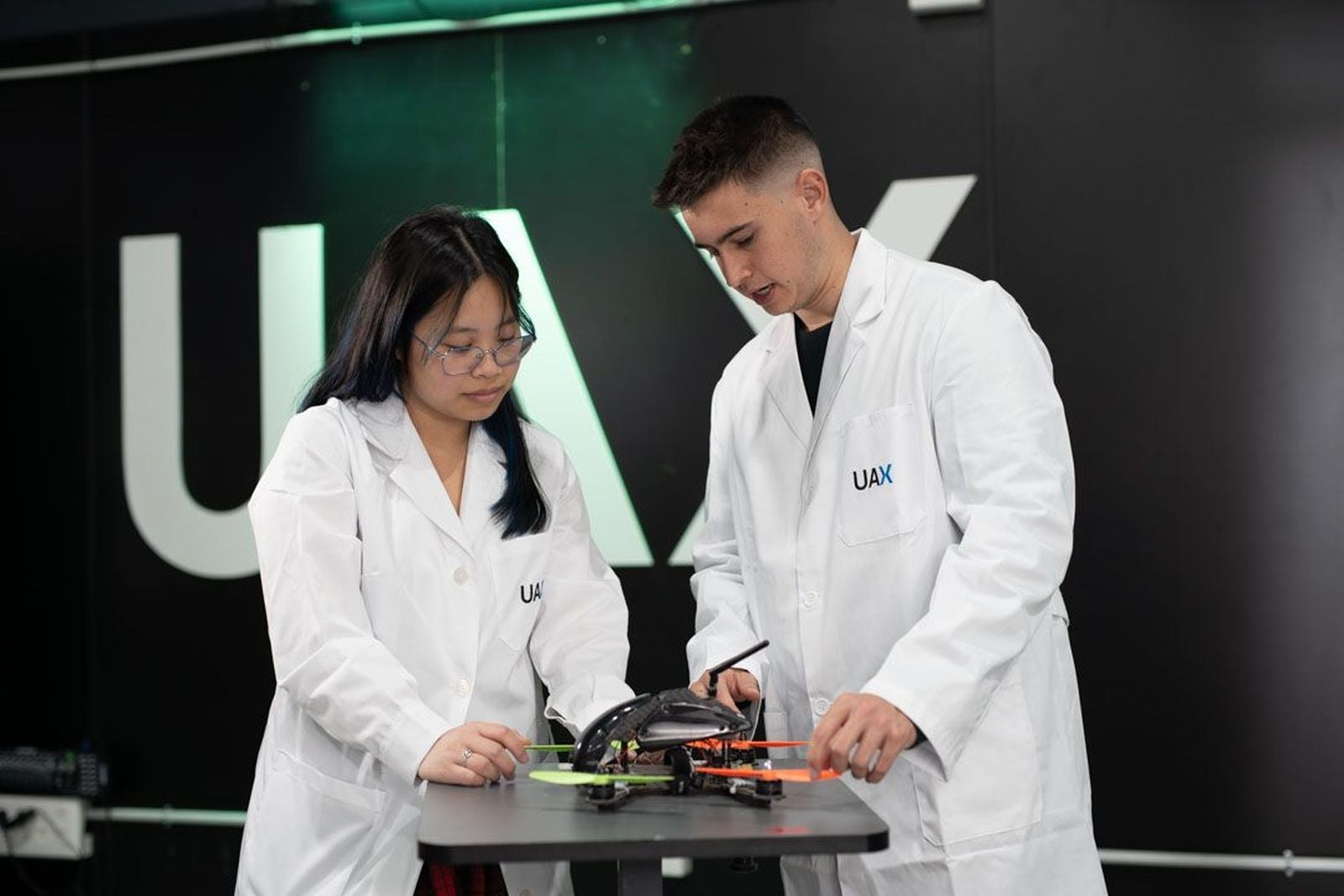
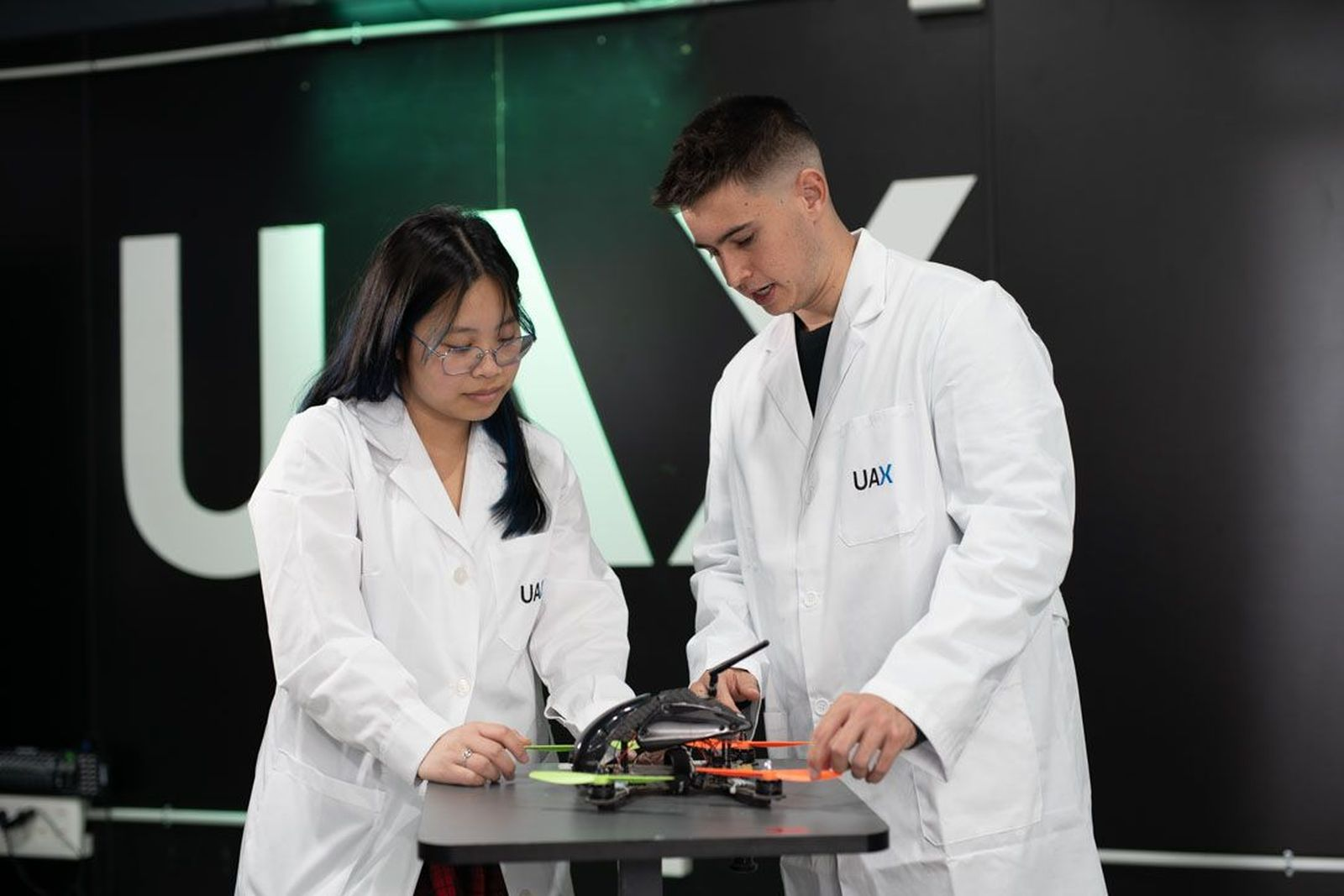
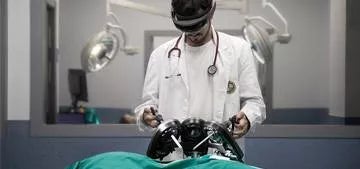
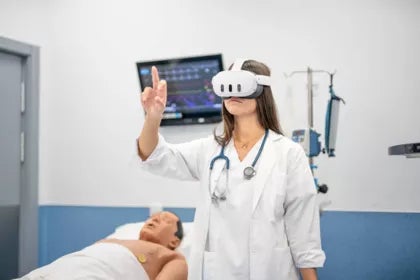
In this context, the Bachelor’s Degree in Medicine at Alfonso X el Sabio University stands out ; we are the first university to include high-level training in Digital Health. At UAX, you’ll learn in Europe’s largest Virtual Simulation Hospital using real-life cases; you’ll be able to undertake your clinical rotations across more than 38 departments in prestigious hospitals and gain access to a specific training programme for the MIR (Resident) in the final years of your degree. We’ll tell you all about the importance of clinical simulation in a virtual hospital.
To guarantee entry onto the medical degree programme, UAX also offers a preparatory programme for medicine , designed to equip you with the knowledge and skills needed to secure your place on the degree course. Alfonso X el Sabio University is firmly committed to providing students with an excellent medical education.
To this end, you’ll benefit from practical training from day one, top-class facilities and a teaching staff comprising practising professionals and researchers. In return, we expect a high standard of commitment from our students. That’s why we’ve designed this programme to facilitate your entry onto the degree course with a guarantee of success.
Furthermore, if you hold a degree in Medicine, at UAX we offer a range of Master’s and postgraduate programmes to specialise in various professional fields:
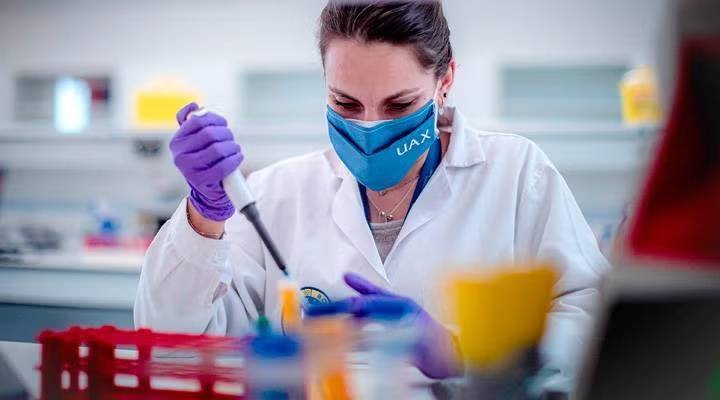
Quirónsalud Master’s in A&E for medical graduates. If you are a medical graduate and are interested in specialising in paediatrics, this master’s degree will significantly enhance your professional profile. With this qualification, you will be able to specialise as a hospital A&E doctor and have the opportunity to join Quirónsalud, with your Master’s programme funded by a scholarship. Train under the guidance of experts, with over 800 hours of practical training and the option to undertake rotations at the Quirónsalud hospital of your choice within its national network.
How long does the paediatrics specialisation take?
After completing a degree in medicine, specialisation in paediatrics is achieved through a residency. This stage, which lasts between three and four years, is intensive and practical. During this period, trainee paediatricians work in clinical settings, applying their knowledge in real-life situations and honing their skills under the supervision of experienced professionals.
Conclusion:
In short, the path to becoming a paediatrician involves a solid university education, dedication and empathy. Every step, from choosing a degree course to specialising, contributes to the development of a skilled professional committed to children’s health and wellbeing. This exciting journey into paediatrics offers not only a rewarding career, but also the opportunity to make a lasting difference to the lives of children and their families. Go ahead and discover the richness of paediatrics and its positive impact on the world!

.jpg.webp)