



















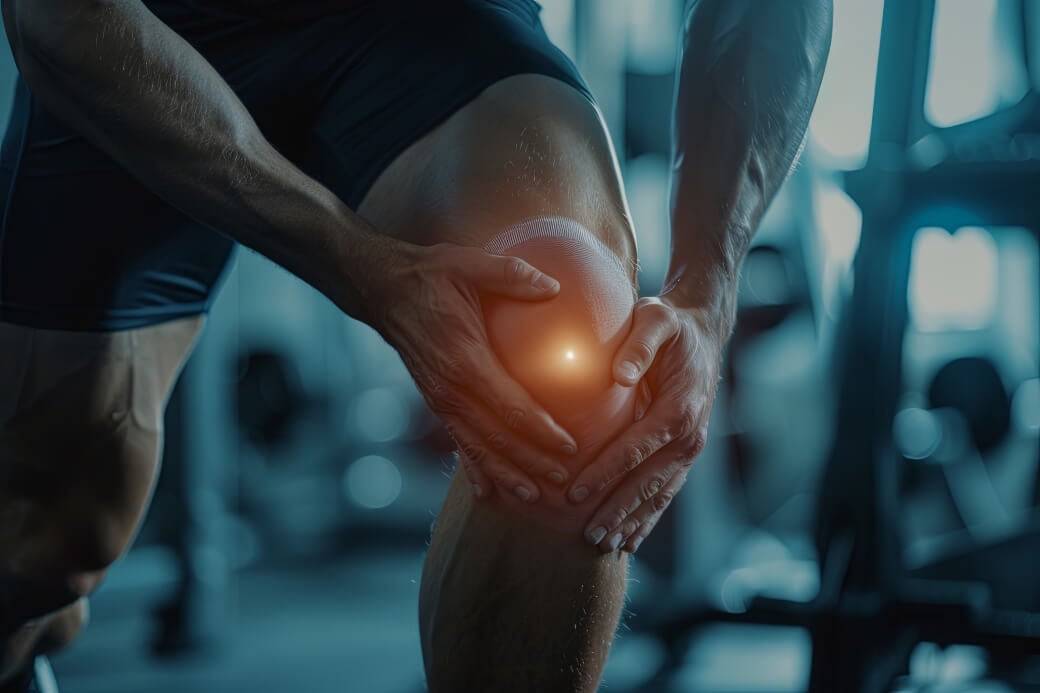
High-performance athletes are constantly exposed to a higher risk of injury due to the intensity and frequency of their training sessions and competitions.
Injury prevention is a crucial aspect of the world of high-performance sport. Elite athletes subject their bodies to extreme demands, which increases the risk of sustaining injuries that can affect their performance and career.
8 ways to prevent sports injuries
Injury prevention in high-performance sport requires a multi-faceted approach that addresses various aspects of an athlete’s training and care.
Below, we outline eight key strategies for reducing the risk of injury:
- Warm-up and cool-down. Carrying out a proper warm-up before any physical activity is essential to prepare the muscles, joints and cardiovascular system.
Similarly, taking time for gentle stretching and low-intensity cool-down exercises after training helps to reduce muscle tension and aid recovery.
- Correct technique for each sport and exercise. Learning and practising the correct technique for each activity is vital for preventing injuries caused by overuse or incorrect movements.
Coaches and health and sports professionals can help correct poor posture and movement patterns.
- Suitable equipment. Use the appropriate equipment for each sport, such as specially designed footwear that provides adequate support and cushioning, as well as protective gear, helmets, shin guards and other safety equipment required by each sporting discipline.
It is important to check and replace sports equipment regularly to ensure it remains effective.
- Rest and recovery. Adequate rest and recovery are just as important as the training itself in preventing injuries. Accumulated fatigue can lead to technical errors and a reduced reaction time, increasing the risk of injury.
Incorporate rest periods into your training plan, including rest days and weeks of low-intensity training. Ensure you get 7–9 hours of restful sleep per night to optimise physical and mental recovery; furthermore, listening to your body and avoiding overtraining is key.
- Nutrition and hydration. A balanced, nutrient-rich diet is essential for maintaining athletes’ health and performance. Use nutritional supplements under professional supervision where necessary to prevent deficiencies that could increase the risk of injury.
Staying hydrated before, during and after exercise is also vital for muscle function and injury prevention.
- Cross-training. Incorporating different types of exercises and activities into your training programme can help prevent overuse injuries by working different muscle groups and reducing strain on specific areas.
Cross-training also improves overall fitness and offers numerous benefits, such as:
- It helps to develop muscle groups that may be neglected in training specific to the main sport.
- It reduces the mental and physical stress associated with constantly repeating the same movements.
- It contributes to better cardiovascular endurance and overall strength, which can reduce fatigue and the risk of injury.
Examples of cross-training activities include swimming for runners, yoga for contact sports, or cycling for strength athletes.
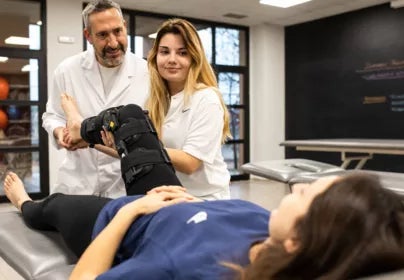
- Massage and physiotherapy. Therapeutic massage and regular physiotherapy can help relieve muscle tension, improve flexibility and prevent injuries.
Sports rehabilitation and sports podiatry professionals can design personalised prevention and treatment programmes.
- Communication and respect in team sports. In team sports, effective communication and mutual respect amongst players can reduce the risk of injuries caused by collisions or rough play. Fostering an atmosphere of fair play and sportsmanship is essential.
Injury prevention in other activities
The principles of injury prevention are not limited to high-performance sport alone. Adapting these tips to other daily activities, such as work or household chores, can help prevent injuries and maintain good general health.
In the workplace, it is important to pay attention to the ergonomics of your workspace, take regular breaks to stretch and move around, and use proper techniques for lifting and handling heavy objects. Employers should provide training and appropriate safety equipment to prevent workplace injuries.
What to do in the event of an injury?
Despite best practices in prevention, injuries can still occur. An immediate and appropriate response to an injury is crucial to minimising damage and speeding up recovery.
The RICE protocol (Rest, Ice, Compression, Elevation) is widely recognised as the first step in managing acute injuries:
- Rest. Stop the activity immediately and avoid putting weight on the affected area.
- Ice. Apply ice or cold compresses to the injured area for 15–20 minutes every 2–3 hours to reduce swelling and pain.
- Compression. Use an elastic bandage to gently compress the area, which helps to reduce swelling.
- Elevation. Keep the injured part raised above heart level to reduce inflammation.
In addition to the RICE protocol, it is important to follow these steps:
- Professional assessment. Seek immediate medical attention for an accurate assessment and proper diagnosis.
- Follow medical advice. Adhere strictly to the treatment plan prescribed by healthcare professionals.
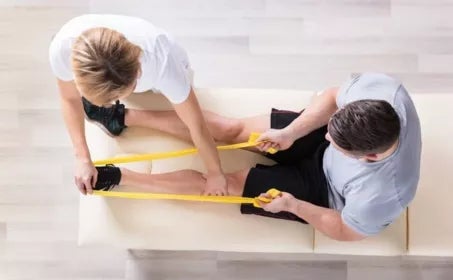
- Gradual rehabilitation. Begin a rehabilitation programme supervised by specialists to restore function and prevent future injuries.
- Progressive return to activity. Follow a plan for a gradual return to sporting activity, whilst observing the recommended recovery times.
- Analysis of the cause. Identify the factors that contributed to the injury to prevent future recurrences.
Proper management of an injury not only facilitates a faster recovery but also reduces the risk of long-term complications and recurrent injuries.
It is essential that athletes and their support team are prepared to respond effectively to an injury, following established protocols and seeking immediate professional support in sports psychology.
Training in injury prevention for high-performance sport and health
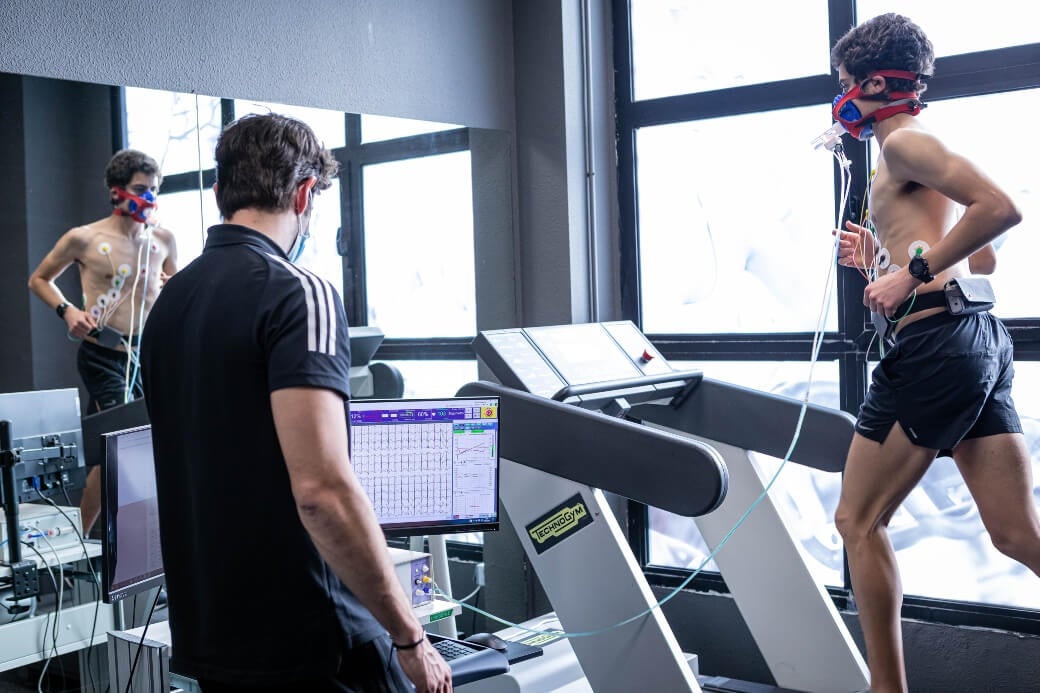
Training in injury prevention is essential for sports and health professionals. Educational programmes, such as the Master’s Degree in High-Performance Sport and Health offer comprehensive training covering aspects such as exercise physiology, biomechanics, sports nutrition and advanced injury prevention strategies.
Furthermore, the Expert Course in High-Performance Sports Psychology provides you with specialist knowledge in areas such as psychology, helping athletes to manage stress and maintain the right mindset during training and competition.
These programmes equip professionals to design and implement effective injury prevention strategies, as well as to provide a holistic approach to the care of athletes. By understanding risk factors, appropriate training techniques and the latest research developments, professionals can help athletes reach their full potential whilst maintaining their health and wellbeing.
In conclusion, we can state that injury prevention is a crucial aspect for high-performance athletes and for anyone who engages in regular physical activity.
Remember that the right training and guidance can make all the difference to your performance and wellbeing. At UAX, we offer specialised programmes in health and sport that will help you build a solid foundation in injury prevention and sporting performance. If you’d like to take your career to the next level, please don’t hesitate to get in touch with us!