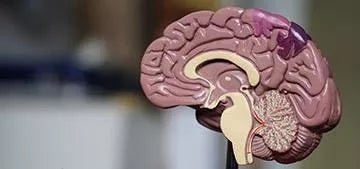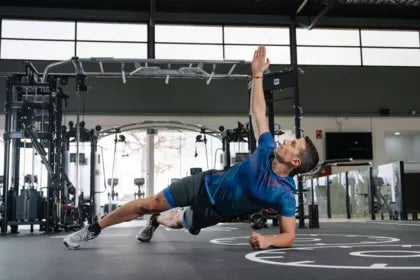
























Sports psychology, a discipline that combines psychological principles with the world of sport, stands as a fundamental pillar for understanding and enhancing athletes’ mental and emotional performance. It addresses crucial aspects such as motivation, concentration, stress management and emotional skills, seeking to maximise the potential of those involved in the world of sport.
Objectives and Benefits of Sports Psychology
This branch of psychology not only aims to optimise sporting performance, but goes further, seeking to improve athletes’ quality of life and foster a positive environment in competition. Some of the key benefits include:
- Improved Performance: Sports psychology works to help athletes reach their full potential, overcoming mental barriers and improving the consistency of their results.
- Emotional Well-being: It contributes to mental health by teaching strategies for managing stress, anxiety and competitive pressure, thereby promoting emotional balance.
- Team Building: It fosters team cohesion by facilitating communication and understanding amongst team members, a crucial aspect of collective success.
What is the role of a sports psychologist?
Sports psychologists are specialised professionals whose work goes beyond addressing specific psychological problems. Their focus is on continuous improvement and prevention, playing an essential role in the holistic development of athletes.
Roles and responsibilities of a sports psychologist
- Psychological Assessment: they carry out comprehensive assessments to understand athletes’ individual needs and design personalised strategies.
- Mental Training: they teach visualisation techniques, breath control and other tools to improve concentration and performance under pressure.
- Emotional Counselling: they help athletes manage emotions such as anxiety, frustration and self-imposed pressure, promoting the necessary emotional balance.
Areas of intervention for sports psychologists
- Concentration Training: they develop specific programmes to improve athletes’ ability to concentrate and focus, skills that are crucial in high-level competitions.
- Stress Management: they work on techniques to control pre-competition stress and manage high-pressure situations, ensuring optimal performance even in challenging circumstances.
- Building Confidence: they foster self-confidence and self-efficacy, which are fundamental to tackling challenges and maintaining consistent performance.

Applications of sports psychology
Sports psychology encompasses a range of areas, all aimed at optimising the performance and wellbeing of athletes at different levels and in various sports.
Improving athletes’ performance and motivation
In this area, sports psychology focuses on enhancing athletes’ intrinsic motivation. It also helps them set realistic goals and maintain a positive mindset, strengthening the mind-body connection to maximise athletic performance.
Prevention and treatment of sports injuries
Injury prevention is a crucial aspect of sports psychology. Through programmes that promote healthy habits and relaxation techniques to reduce muscle tension, it helps to minimise the risk of injury. Furthermore, it supports athletes’ emotional and mental recovery following an injury, facilitating their return to sport.
Development of psychological skills in athletes
It is not just about addressing the negative aspects; sports psychology also seeks to enhance key psychological skills. Resilience, frustration tolerance and decision-making under pressure are some of the skills worked on, which are beneficial not only in sport but also in everyday life.
Training in sports psychology
For those wishing to delve into this fascinating field, training is essential. Combining studies such as a Bachelor’s degree in Psychology with a specialisation in sport, a degree in Physical Activity and Sport Sciences (CAFYD) , or other specific programmes, provides the necessary foundation. The online Sports Psychology Course at Alfonso X el Sabio University offers one of the best programmes, enabling full specialisation in this area of sport.
In addition, it is recommended to explore specialist courses in sports psychology. These courses cover topics such as the application of psychological techniques in sporting environments, ethics in psychological intervention, and the practical application of psychological theories to the sporting world.
In conclusion, sports psychology stands as an essential component for the success and wellbeing of athletes. Through their work, sports psychologists make a significant contribution to both continuous improvement and the prevention of psychological problems. By integrating mind and body, this discipline not only enhances athletic performance but also enriches the quality of life for those immersed in the exciting world of sport.