

















Dermatofunctional physiotherapy is a highly specialised discipline within the field of physiotherapy, focused on the treatment of dermatological and functional disorders of the skin. Its holistic approach addresses both aesthetic and functional aspects, providing patients with comprehensive care. Using specific techniques and methods, dermatofunctional physiotherapists aim not only to improve the appearance of the skin, but also to optimise its physiological functions.
What does dermatofunctional physiotherapy treat?
Dermato-functional physiotherapy addresses a range of dermatological and functional conditions. These include post-surgical scars, burns, oedema, lymphoedema and cellulite. As well as working on post-operative rehabilitation, dermato-functional physiotherapists also focus on the prevention and treatment of circulatory disorders, promoting healthy and functional skin.
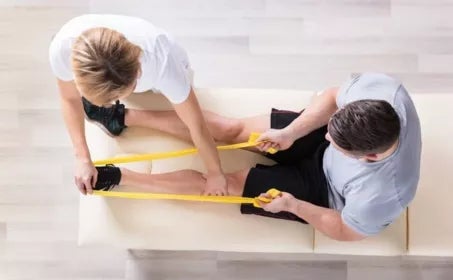
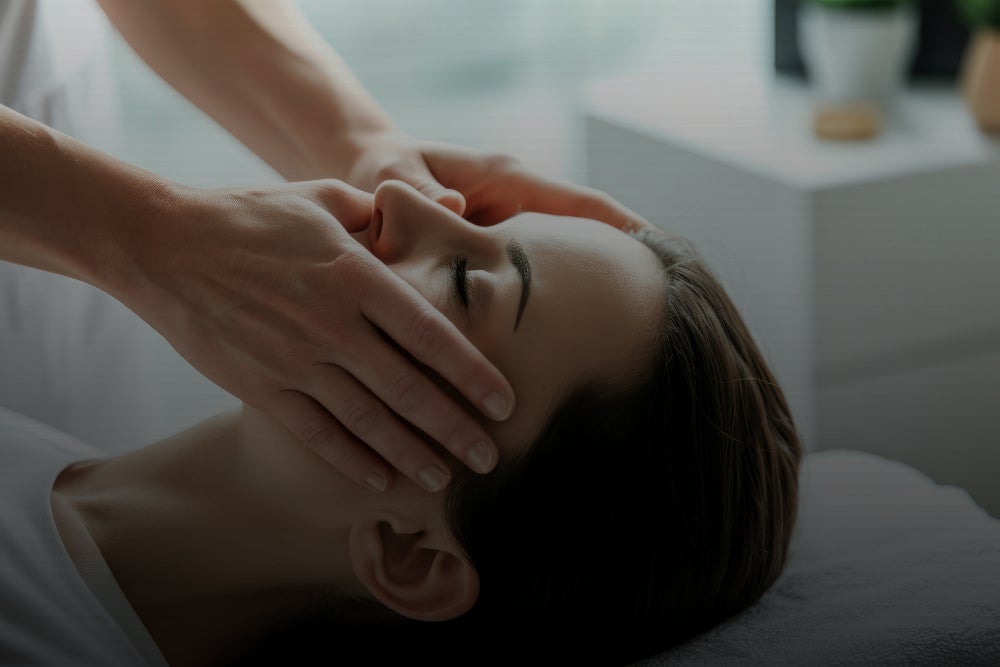
This discipline uses a variety of techniques, such as massage, lymphatic drainage, thermotherapy and therapeutic exercises, tailored to the specific needs of each patient. The main aim is to restore the skin’s functionality and improve the individual’s quality of life.
What are the main applications of dermatofunctional physiotherapy?
Dermatofunctional physiotherapy is used in a range of clinical situations. In post-surgical recovery, it helps to minimise scarring and speed up the healing process. In patients with circulatory problems, such as oedema and lymphoedema, it focuses on improving blood and lymphatic circulation, reducing swelling and improving mobility.
Furthermore, dermatofunctional physiotherapy is effective in treating cellulite, using specific techniques to improve skin texture and reduce the appearance of cellulite. It is also used in cases of burns, working to regenerate tissue and improve the function of the affected skin.
Benefits of dermatofunctional physiotherapy
The benefits of dermatofunctional physiotherapy extend to both the physical and emotional aspects. From a physical point of view, there is an improvement in blood and lymphatic circulation, which helps to reduce oedema and speed up the healing process. The texture and elasticity of the skin improve, leading to positive aesthetic results.
On an emotional level, patients experience greater self-esteem and self-confidence as they see visible improvements in their skin. The reduction in pain and inflammation also contributes to the individual’s general well-being, providing a holistic approach to health.
What specialism should I study to become a dermato-functional physiotherapist?
If you are considering becoming a dermatofunctional physiotherapist, it is essential to look for specific specialisation programmes. Recognised institutions and specialised training centres offer programmes covering both the theory and practice of dermatofunctional physiotherapy. Some of the topics covered include specific massage techniques, lymphatic drainage, thermotherapy and therapeutic exercises tailored to dermatological needs.
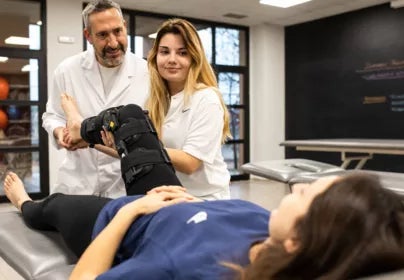
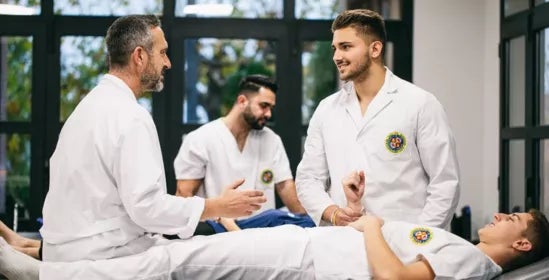
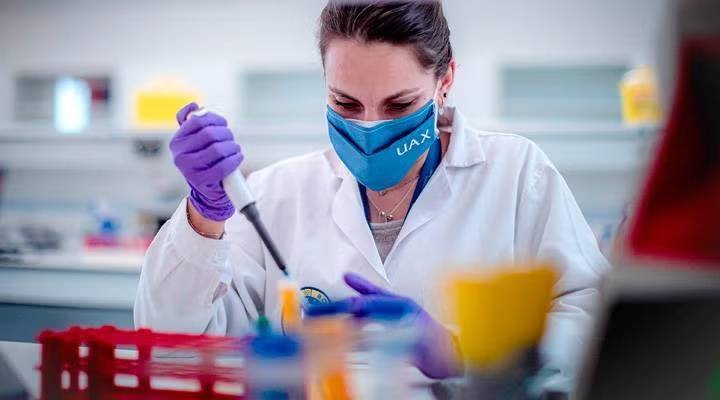
In this regard, the Bachelor’s Degree in Physiotherapy at Alfonso X el Sabio University (UAX) offers training of the highest standard, covering the many different fields within physiotherapy. UAX students can gain specialisations typically found on postgraduate courses in the most in-demand clinical areas, standing out for their training in sports physiotherapy under the guidance of Rafa Nadal’s team.
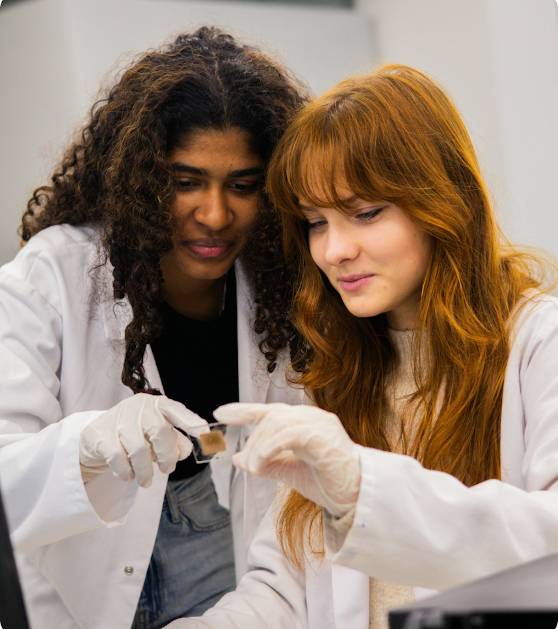
Furthermore, students at Alfonso X el Sabio University also receive training using simulators to acquire the skills and competencies required for their profession, and they work with real patients whilst rotating through different specialisms within physiotherapy ( traumatology, paediatrics, respiratory, geriatrics, neurology, etc.), as well as becoming familiar with cutting-edge therapeutic technology so they can apply innovative therapies and treatments.
Conclusion
Training in dermato-functional physiotherapy will equip you with the skills needed to tackle the complexities of this discipline and provide high-quality care to patients. In short, dermatofunctional physiotherapy not only treats dermatological conditions, but also aims to improve skin function and patients’ quality of life. With a holistic approach, this discipline plays a crucial role in the rehabilitation and wellbeing of those seeking to improve their skin and functional health.
If you are interested in this field, find out more about the Double Degree in CAFYD and Physiotherapy and our specialisations in Physiotherapy, such as the Master’s in Sports Physiotherapy or the Master’s in Neurophysiotherapy.