














Table of Contents
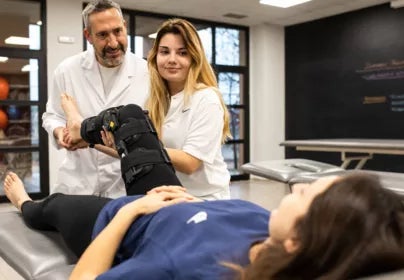
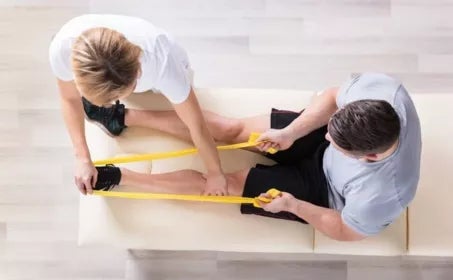
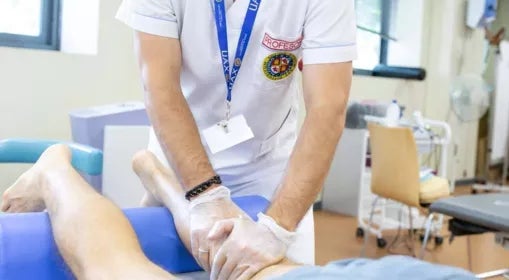
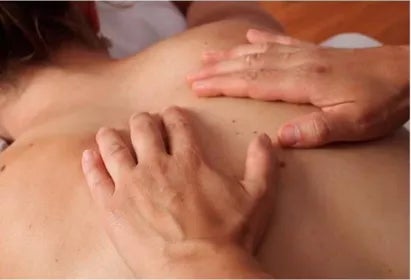
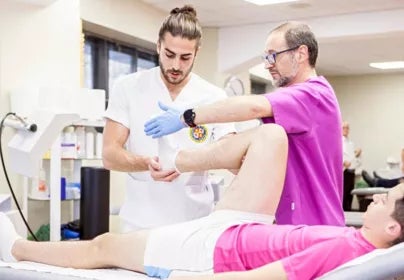
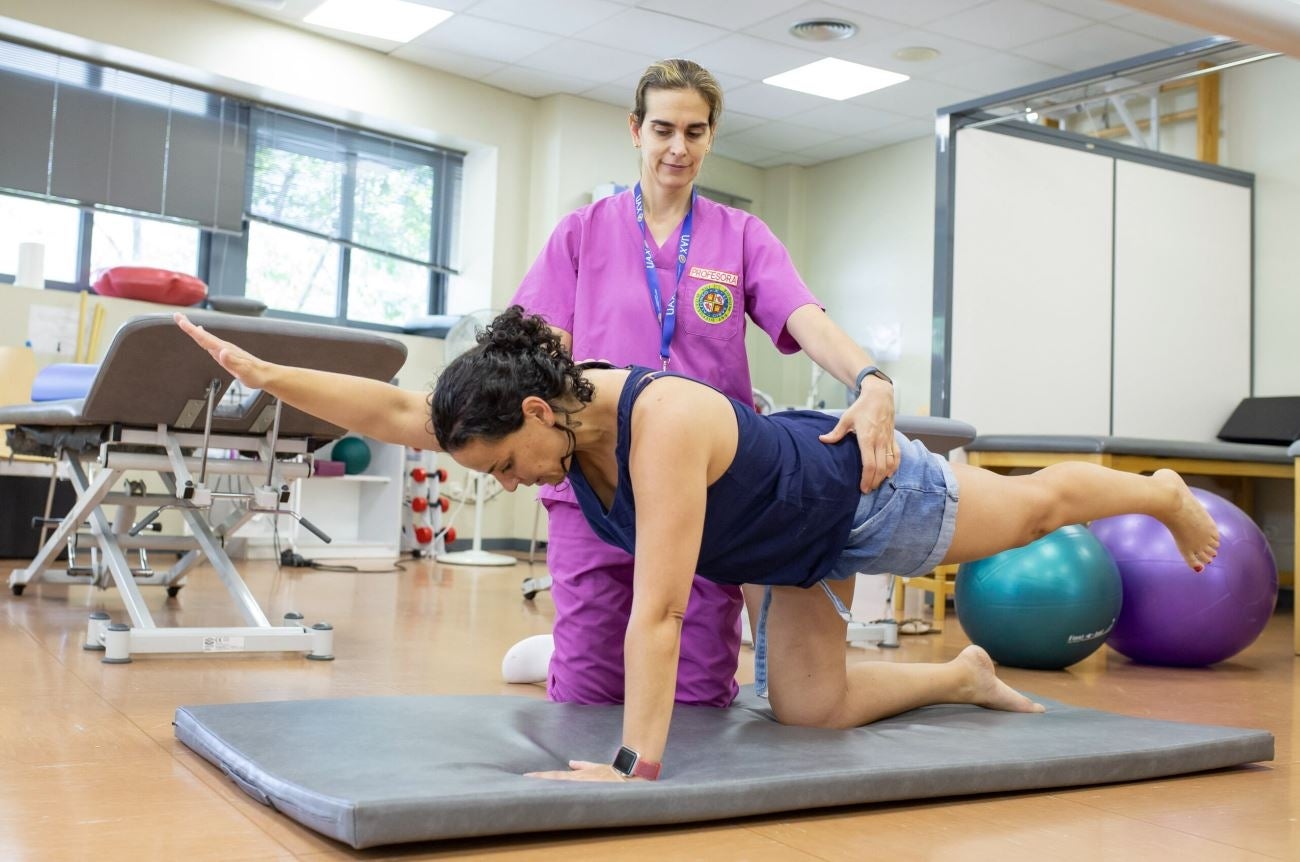
Physiotherapy (or physical therapy) is one of the fastest-growing professions in the field of Health Sciences. Society is increasingly demanding specialists in this discipline, which offers non-pharmacological therapeutic and rehabilitation treatment to diagnose, prevent and treat symptoms of a wide range of conditions, both acute and chronic, using physical agents such as electricity, ultrasound, laser, heat, cold, water and manual techniques such as stretching, traction and massage.
The role of a physiotherapist is very comprehensive; they are highly skilled in rehabilitation techniques and therapeutic treatments. It is becoming increasingly common to seek their help at certain stages of life, whether due to injuries, rehabilitation following an operation, or various other circumstances that make it essential to rely on them to restore proper function to our limbs.
The physiotherapist specialises in the use of scientifically proven techniques when a person has lost, or is at risk of losing, or has temporarily or permanently impaired proper movement – and with it, physical function – whilst not overlooking the fundamental role that physiotherapy plays in the field of prevention to ensure optimal general health.
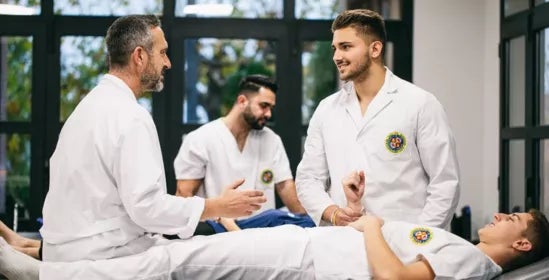
It is clear that , in order to practise this profession properly , one must have specific university training and complete a degree in physiotherapy. This is because mastering rehabilitation techniques requires specific training that qualifies us to practise the profession.
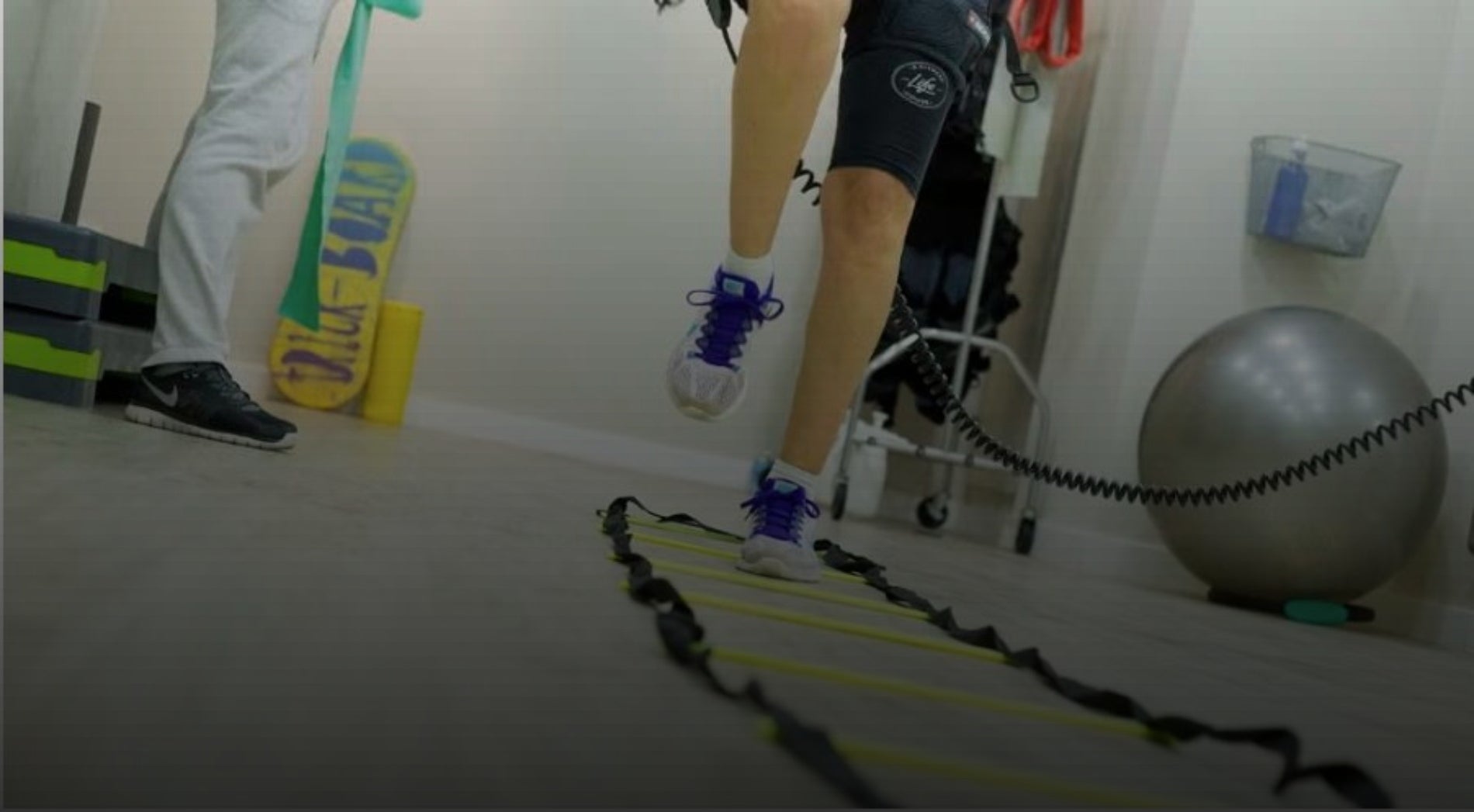
As in any professional field, once we have completed a degree, we have the opportunity to specialise in a specific area within the profession. In the case of physiotherapy, today we are focusing on a highly demanding specialism that is vital for getting athletes back to full fitness in record time. We are referring to sports physiotherapy.
Find out everything about Sports Physiotherapy
There are Master’s degrees in Sports Physiotherapy which enable physiotherapy graduates to advance their careers by acquiring complete mastery of the most complex rehabilitation techniques – techniques they will frequently need to apply with professional, elite or high-performance athletes… In short, with athletes who, in their day-to-day lives, face the utmost demands in the sport they have made their profession. With many hours of training and competition, it is entirely normal for them to suffer more than one injury throughout their professional careers.
Sports physiotherapy opens the door to a profession with a 95 per cent employability rate, and one that has become increasingly specialised in recent years. If you specialise in sports physiotherapy, you will acquire the skills and resources needed to prevent and treat injuries, and to achieve rapid restoration of function in injured athletes as part of a team.
Another benefit of specialising in sports physiotherapy is that it opens the door to exciting career opportunities at leading centres:
- High-performance sports centres.
- Sports training centres.
- Sports clubs.
- Gyms.
- Schools.
- Private centres.
- And, of course, clinics and hospitals.
An interesting option, isn’t it? Embark on a fascinating career that is greatly needed in society, both now and in the future. Help others with the magic of your hands and the techniques that help improve our bodies’ optimal condition.