














Table of Contents
What modules are included in the UAX Master’s in Aesthetic Medicine?
What are the clinical placements and clinical rotation like?
Which is the most important module on the Master’s programme?
Which is the most difficult module?
Which module is the most underrated?
Which module is essential to master before opening a clinic?
Frequently asked questions about the master’s programme modules
Conclusion: a curriculum designed to enable you to practise from day one
What modules are included in the UAX Master’s in Aesthetic Medicine?
Before going into detail about each module, it is worth taking a broad look at the programme as a whole. The Master’s programme is structured around ten compulsory modules covering all the key areas of aesthetic medicine and anti-ageing. All of these are compulsory, meaning that the curriculum is designed as a comprehensive training programme, with no optional modules or dispensable content.
| Course | Type | ECTS credits |
|---|---|---|
| Medical and Diagnostic Fundamentals | Compulsory | 6 |
| Facial Aesthetic Medicine | OB | 20 |
| Technology and Equipment | OB | 5 |
| Aesthetic Body Medicine | OB | 5 |
| Nutrition and Obesity | OB | 4 |
| Longevity and Regenerative Medicine | OB | 4 |
| Safety | OB | 4 |
| Management and Marketing | OB | 3 |
| Clinical Rotation | OB | 3 |
| Master’s Thesis | OB | 6 |
| Total | 60 ECTS |
The distribution of credits clearly reflects the programme’s priorities: Facial Aesthetic Medicine accounts for the largest proportion of the course with 20 ECTS, which highlights the central role that facial treatments play in real-world clinical practice. The remaining modules round off a comprehensive 360° training programme covering the body, technology, safety, anti-ageing and business management.
Medical and Diagnostic Fundamentals: the clinical foundation of everything
With 6 ECTS, this module is the starting point of the Master’s programme and also one of the most important pillars for practising with sound judgement. Before administering any treatment, an aesthetic doctor needs to be able to assess the patient comprehensively: understand their medical history, identify contraindications, analyse facial and body morphology, and establish a well-founded aesthetic diagnosis.
In this module, you will learn to carry out an initial assessment of aesthetic medicine patients, including the analysis of facial proportions, the classification of skin types, the study of photoageing, and the identification of signs of ageing in each area of the face and body. You will also acquire the anatomical fundamentals applied to aesthetics, which will form the basis for all the procedures you will carry out throughout the master’s programme.
A good diagnosis is not just the starting point for effective treatment: it is also the aesthetic practitioner’s most important safety tool. This module trains you to act with rigour from the very first consultation.
Facial Aesthetic Medicine: the core of the programme
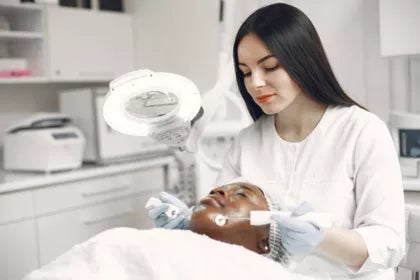
With 20 ECTS credits, this is the most substantial module of the Master’s programme and, without doubt, the heart of the course. The face is the area of greatest demand in aesthetic medicine, and this module prepares you to address it in depth and with precision, from the most basic treatments to the most advanced protocols.
The course content covers the full spectrum of facial aesthetic medicine:
- Neuromodulators and botulinum toxin. You will learn applied facial muscle anatomy, injection techniques for each area of the upper, middle and lower thirds of the face, dosages, injection landmarks and the management of complications.
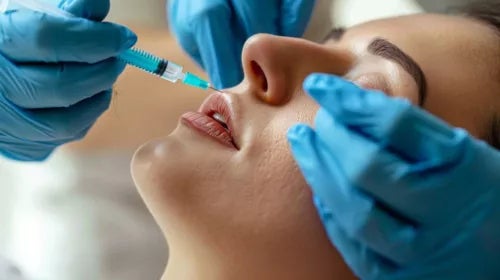
- Hyaluronic acid dermal fillers. You will study the different types of hyaluronic acid according to their density and function, injection techniques for the lips, under-eye area, nasolabial folds, cheekbones and jawline, and the comprehensive treatment protocols known as the ‘full face’ approach.
- Collagen biostimulators. Training in the latest-generation collagen inducers (calcium hydroxyapatite, polylactic acid) for the treatment of sagging skin and loss of facial support.
- Thread lifts. Advanced techniques for inserting polydioxanone (PDO) threads and other materials for non-surgical facelifts, with a focus on the anatomy of the facial planes.
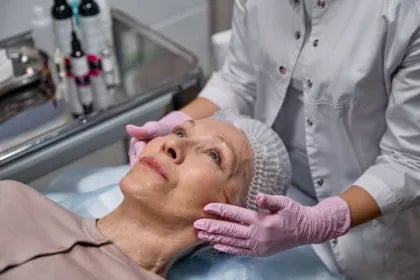
- Medical peels. Selection of the peeling agent according to skin type and indication, treatment depths and application protocols for the treatment of pigmentation, fine lines and skin texture.
- Mesotherapy and platelet-rich plasma (PRP). Regenerative techniques for facial rejuvenation and the treatment of alopecia, with particular attention to prior hair diagnosis.
The breadth of this module reflects the reality of the market: an aesthetic doctor who has mastered facial treatments possesses the tools most in demand by patients and most highly valued within the sector.
Technology and Medical Devices: beyond injectables
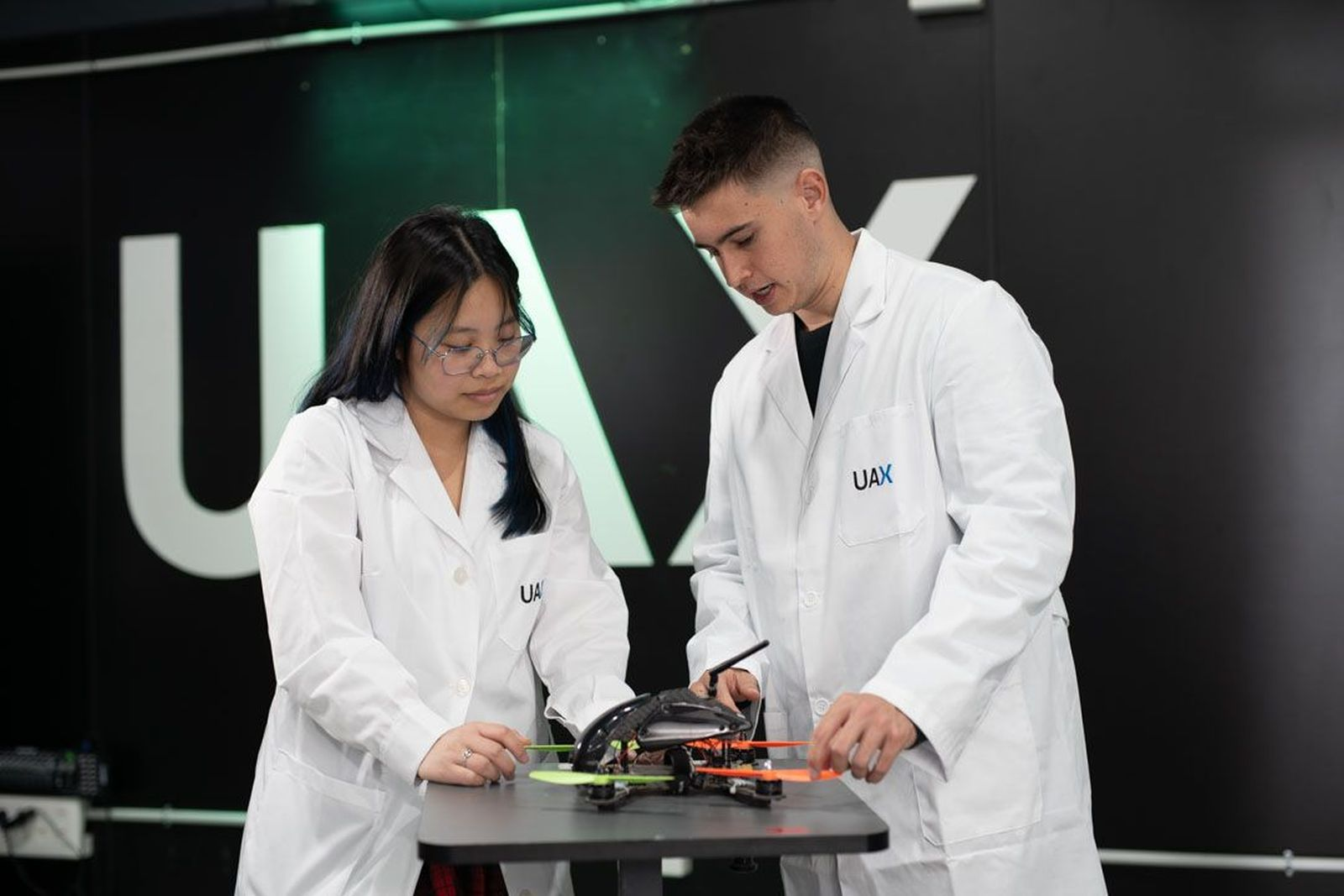
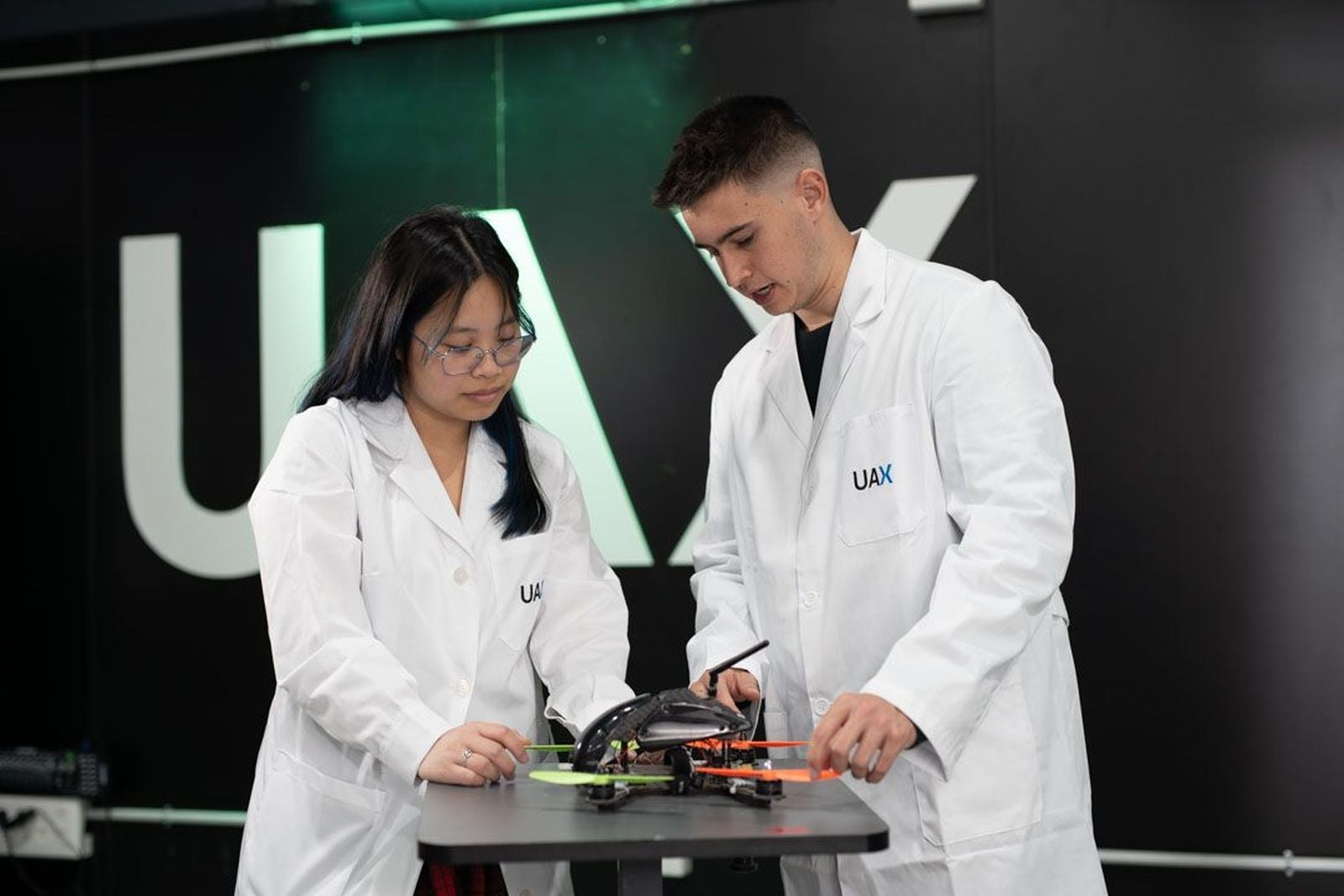
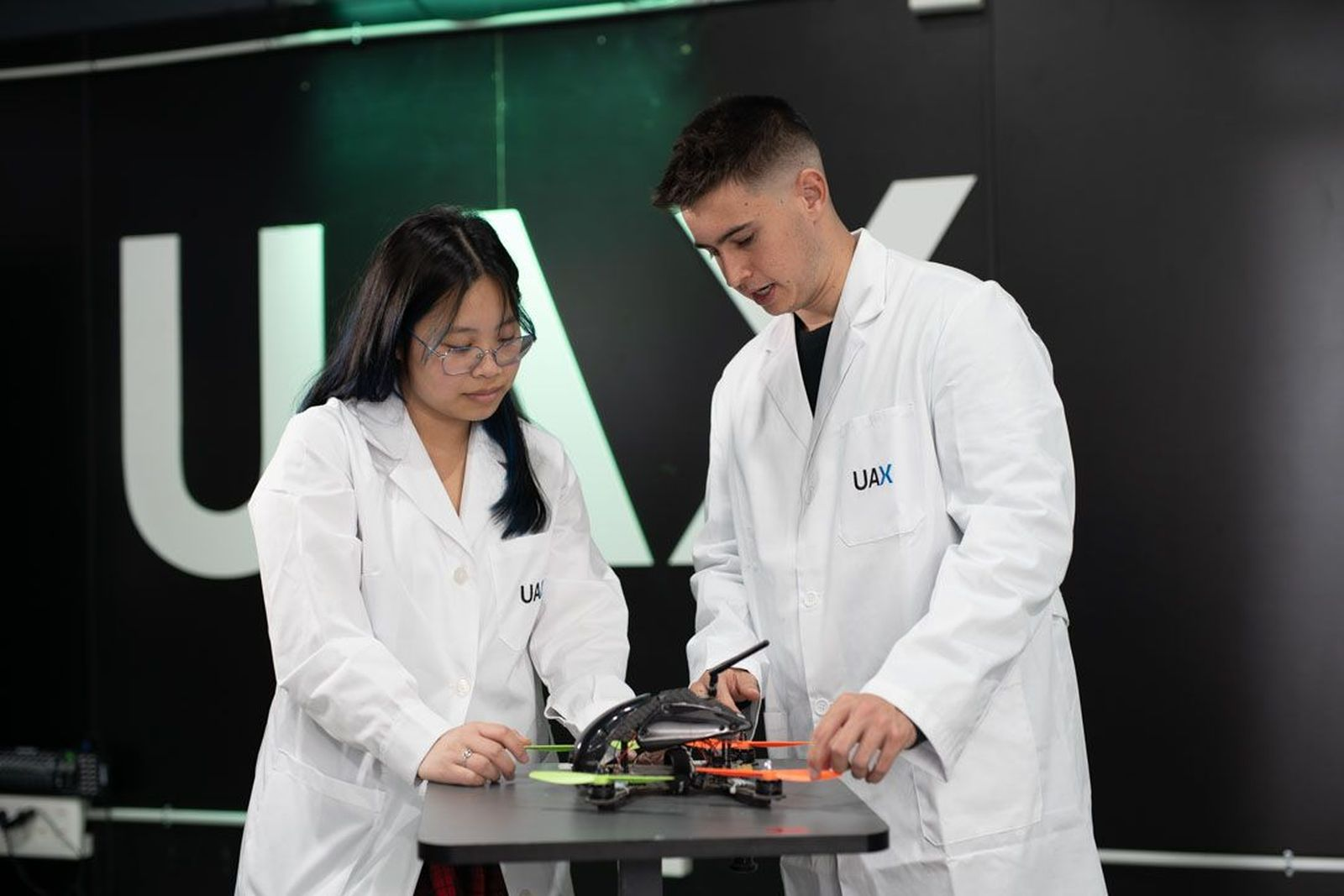
Worth 5 ECTS credits, this module covers the field of aesthetic medicine based on advanced technology and medical devices. Device-based treatments are an essential part of any modern clinic’s offering and open up a wide range of possibilities for doctors wishing to provide a comprehensive service.
In this module, you will learn to operate and clinically apply the technologies most in demand within the sector:
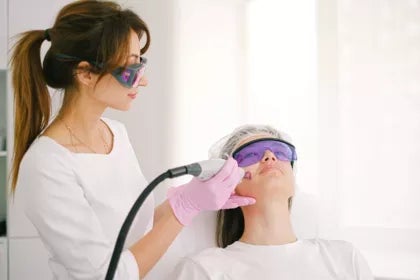
- Medical lasers and IPL. Fundamentals of selective photothermolysis, indications and protocols for the treatment of pigmentation, scars, skin rejuvenation and medical hair removal.
- Radiofrequency. Technology for facial and body skin tightening using controlled heat to stimulate collagen production. You will learn about the different systems available and their specific indications.
- HIFU (High-Intensity Focused Ultrasound). One of the fastest-growing technologies in the sector, capable of acting on deep layers of the skin to produce a lifting effect without surgery.
- Cryolipolysis and other body treatments. Fundamentals of localised fat reduction using cold and other non-invasive body contouring technologies.
Training in the use of devices also includes an analysis of the scientific evidence for each technology and the criteria for selecting the most suitable device for each patient and each indication.
Aesthetic Body Medicine: a holistic approach to the patient
Worth 5 ECTS credits, this module broadens the focus from the face to the whole body. Aesthetic medicine patients are not only seeking to rejuvenate their faces: increasingly, they are seeking solutions for cellulite, sagging skin, localised fat and stretch marks. This module trains you to respond to this demand using medical judgement.
The content includes body contour assessment, the classification of different degrees of cellulite and sagging, and combined treatment protocols that integrate devices, body mesotherapy and body peels. Treatments for scars and stretch marks are also covered, as well as the criteria for referring patients for surgical treatments where necessary.
A key element of this module is its focus on complementarity: in real-world clinical practice, facial and body treatments are integrated into a comprehensive plan for the patient, and knowing how to design such a plan is one of the most highly valued skills of a well-rounded aesthetic doctor.
Nutrition, Obesity, Longevity and Regenerative Medicine: the anti-ageing approach
These two modules (4 ECTS each, 8 ECTS in total) are what give the Master’s programme its most innovative and distinctive dimension. Together, they form the holistic anti-ageing approach that enables the aesthetic physician to go far beyond superficial treatment and address the mechanisms of ageing from within.
Nutrition and Obesity trains you in the relationship between diet , body composition and skin ageing. You will learn how to carry out a basic nutritional assessment of the patient, identify deficiencies that affect skin health and devise recommendations that complement aesthetic treatments. The module also addresses the medical management of excess weight and obesity as factors that influence both the aesthetic outcome and the patient’s general state of health.
Longevity and Regenerative Medicine is one of the programme’s most cutting-edge modules. You will study the biological mechanisms of cellular ageing, biomarkers of longevity, state-of-the-art regenerative treatments (PRP, exosomes, growth factors) and preventive medicine protocols aimed at slowing down ageing from a systemic perspective. This training positions you within the sector’s fastest-growing segment, which offers the greatest economic potential for specialist aesthetic doctors.
Safety: the most critical module of the Master’s programme
With 4 ECTS credits, this module is brief in terms of credits but essential in importance. Patient safety is the primary responsibility of any aesthetic doctor, and this module prepares you to act with confidence when faced with risky situations that may arise in clinical practice.
The content includes the identification and prevention of complications in the most common treatments (vascular occlusion, necrosis, infections, allergic reactions), protocols for dealing with emergencies in the clinic, the use of hyaluronidase to dissolve fillers in the event of complications, and the legal and ethical framework governing the practice of aesthetic medicine in Spain.
Safety is not merely a module within the Master’s programme: it is a mindset that permeates the entire course. Understanding the limits of each technique, knowing when not to treat, and knowing how to act when something does not go as planned is what distinguishes a rigorous aesthetic physician from one who puts their patients at risk.
Management and Marketing: from clinician to entrepreneur
Worth 3 ECTS credits, this module brings the programme full circle by offering a perspective that many master’s programmes in aesthetic medicine overlook: the business side. Knowing how to treat patients is essential, but to build a sustainable professional practice you also need to know how to manage it.
In this module, you will learn the fundamentals of managing an aesthetic clinic: organising the schedule and consultation times, managing suppliers and materials, pricing structures and cost control. The module also covers medical marketing as applied to aesthetic medicine: how to communicate your work ethically and effectively, how to build a digital presence that attracts patients, and how to retain them in the long term.
This module is particularly valuable for doctors wishing to make the move to private practice or open their own clinic, as it provides them with the tools to make informed strategic decisions.
What are the clinical placements and clinical rotation like?
Practical placements are one of the most important elements of the Master’s programme and one of the key factors that sets high-quality programmes apart from the rest. In the UAX Master’s in Continuing Professional Development in Aesthetic and Anti-Ageing Medicine , the curricular placements are worth 6 ECTS credits (150 hours) and are structured as a progressive training programme combining different learning formats.
- Remote practical exercises. Solving clinical cases that enable students to develop medical judgement and decision-making skills in real-life situations, without time pressure.
- Digital simulation. Training in virtual environments prior to clinical application, enabling students to familiarise themselves with procedures and reduce the learning curve during face-to-face sessions.
- Real-world simulation and practical training with patients. This forms the core of the practical training: intensive face-to-face sessions organised over six weekends, in small groups and under professional supervision, at UAX’s university clinics in Madrid, Oviedo or Málaga. During these sessions, you will carry out real treatments on real patients, under the direct supervision of the teaching staff.
- Clinical Rotation (3 additional ECTS). Contact with external specialist centres in the aesthetic medicine sector, enabling you to familiarise yourself with different clinical settings and ways of practising the profession.
These activities are not designed as isolated phases, but as an integrated programme in which simulation and clinical practice complement one another throughout the course. If you already have at least one year’s experience in aesthetic medicine, you may apply for credit transfer for the practical placements, subject to individual assessment.
What is the most important module on the Master’s programme?
If we had to single out one module as the core of the programme, the answer is clear: Facial Aesthetic Medicine. Not only because it accounts for the largest proportion of the curriculum (20 out of a total of 60 ECTS credits), but also because it is the module that most directly determines your actual clinical competence as an aesthetic doctor.
The face is the area in greatest demand in the market; it generates the highest economic value per treatment and is where the professional’s technique and judgement are most clearly demonstrated. An aesthetic doctor who has mastered the full range of facial treatments (neuromodulators, dermal fillers, biostimulators, threads, peels and PRP) has at their disposal the range of treatments most sought after by patients and the one that builds the strongest long-term patient loyalty.
The other subjects expand upon and complement this core, but it is Facial Aesthetic Medicine that determines whether you are an aesthetic doctor capable of practising independently or one who still relies on constant supervision.
Which module is the most underrated?
Without a doubt, Management and Marketing. With just 3 ECTS credits, it is the subject with the least weighting in the programme and also the one that most doctors tend to underestimate.
The reality of practising aesthetic medicine is that, in most cases, the doctor also ends up being an entrepreneur: managing a schedule, negotiating terms with clinics, building a patient portfolio, and making decisions on pricing and marketing. Doing so without specific training unnecessarily prolongs the time it takes to establish a profitable and sustainable practice.
The concepts covered in this module (pricing structure, patient acquisition and retention, and ethical digital presence) are precisely what make the difference between an aesthetic doctor with a full appointment book and one who is practising below their potential.
Which subject is essential to master before opening a clinic?
If we had to single out the two subjects you simply cannot afford not to master before practising independently, they would be Safety and Management and Marketing.
Safety, because in the event of a complication, medical judgement, the speed of response and the correct handling of the situation depend entirely on you. Not being prepared for such a situation is not just a clinical risk: it is a legal liability.
Management and Marketing, because a clinic is also a business. And a business without patients, without a controlled cost structure and without the ability to communicate what you offer, will not survive. The best aesthetic doctor in their area may end up with an empty clinic if they do not know how to manage it or promote it.
Frequently asked questions about the master’s programme modules
Is Botox covered in the Master’s in Aesthetic Medicine?
Yes. Botulinum toxin is one of the main topics covered in the Facial Aesthetic Medicine module. You will learn about applied facial muscle anatomy, injection techniques for different areas of the face, dosages, injection sites and how to manage potential complications.
Which aesthetic medicine treatment is the most difficult to learn?
Facial injectables, particularly hyaluronic acid in high-risk areas such as under-eye circles or the lips, require the greatest technical skill and anatomical knowledge. The difficulty lies not only in the injection technique, but also in the clinical judgement required to decide how much, where and with which product to treat each patient.
Is nutrition covered in the Master’s degree in aesthetic medicine?
Yes. The Master’s degree includes the module ‘Nutrition and Obesity’ (4 ECTS), where you will learn to assess a patient’s nutritional status, identify deficiencies that affect skin ageing, and devise recommendations that complement and enhance aesthetic treatments.
What is regenerative medicine as applied to aesthetics?
It is the set of treatments that activate the body’s natural regenerative mechanisms to improve skin quality and combat ageing from within. It includes techniques such as platelet-rich plasma (PRP), exosomes and growth factors. This is covered in the module on Longevity and Regenerative Medicine (4 ECTS).
How many hours of practical training does the Master’s programme include?
The Master’s programme includes 150 hours of curricular practical training (6 ECTS) structured in different formats: online clinical case studies, digital simulation, face-to-face practice with patients at UAX’s university clinics, and placements at external centres. The face-to-face sessions with real patients are concentrated over 6 intensive weekends in small groups in Madrid, Oviedo or Málaga.
Conclusion
The modules on UAX’s Master’s in Aesthetic and Anti-Ageing Medicine are not designed simply to build up theoretical knowledge, but to enable you to practise with sound judgement, technical skill and confidence from the moment you complete the programme.
There are a variety of career opportunities after completing the Master’s: you can practise as an aesthetic doctor in clinics or private practices, join specialist healthcare teams, run or manage your own clinic, or launch your own venture in the sector. If you’d like to find out about the earning potential of each of these career paths, see our article on the aesthetic doctor’s salary you’ll find real figures broken down by experience, city and working model.
The combination of a solid clinical foundation, mastery of the most in-demand techniques, an anti-ageing focus and management skills is what makes this master’s programme a comprehensive training course for doctors wishing to build a serious career in this sector.
Sources:
Official Syllabus for the UAX Master’s Degree in Continuing Professional Development in Aesthetic Medicine and Anti-Ageing