






















Table of Contents
What are the best Master’s degrees in cosmetic dentistry?
What are the best Master’s degrees in aesthetic medicine?
What Master’s programmes in aesthetic nursing are available?
Which Master’s degrees in aesthetic dermatology can you study?
Why is it worth specialising in aesthetics with a Master’s degree?
Who are master’s programmes in aesthetics aimed at?
What criteria should you consider when choosing the best master’s degree in aesthetic medicine?
Comparison table: which type of master’s degree best suits your profile?
What are the best master’s degrees in cosmetic dentistry?
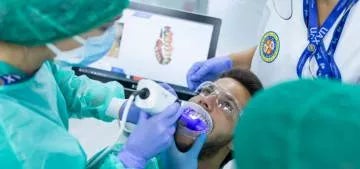
Cosmetic dentistry is currently one of the fastest-growing fields within oral health. Patients are demanding digital smile design, composite or porcelain veneers, clinical whitening and high-quality cosmetic restorations. To meet these needs effectively, postgraduate training is essential.
Master’s Degree in Cosmetic Dentistry and Restorative Dentistry (UAX)
This is one of the most comprehensive programmes available in Spain. Designed specifically for qualified dentists, it lasts 10 months and combines advanced theoretical training with a highly intensive focus on real-world clinical practice. The programme covers everything from the fundamentals of smile design to demanding technical procedures: porcelain veneers, direct and indirect composite restorations, clinical whitening and minimally invasive dentistry. Its ‘learning by doing’ methodology ensures that you will complete the master’s programme having worked on real cases and developed your own clinical judgement.
Other programmes to consider:
- Master’s degrees in Implantology with an aesthetic focus (various private institutions)
- Specialisations in invisible orthodontics (Invisalign and similar techniques)
- Diploma of Specialisation in Endodontics and Restorative Dentistry
What are the best Master’s degrees in aesthetic medicine?
For doctors wishing to incorporate aesthetic medicine into their practice, there is a wide range of options available in Spain, although the quality varies considerably between programmes. These are the most highly regarded:
Master’s in Aesthetic Medicine and Anti-Ageing (UAX)
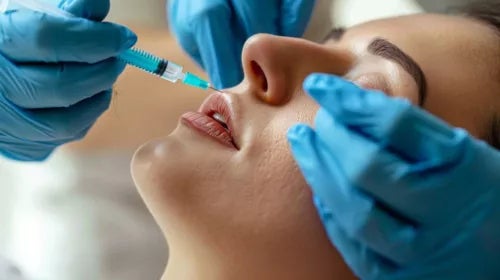
It is one of the most comprehensive programmes for doctors wishing to specialise in this field. Designed for medical graduates, it combines the scientific principles of cellular ageing with the aesthetic procedures most frequently requested in clinical practice: botulinum toxin, hyaluronic acid dermal fillers, mesotherapy, biostimulation techniques and regenerative medicine treatments. Its approach integrates the anti-ageing perspective—which is becoming increasingly relevant in private clinical practice—with the practical application of the aesthetic procedures most frequently requested by patients.
Other leading programmes on the market:
- Master’s in Advanced Techniques in Aesthetic, Cosmetic and Regenerative Medicine (Pablo de Olavide University) Endorsed by the Spanish Society of Aesthetic Medicine (SEME). It combines 40 per cent online theoretical training with 60 per cent practical, face-to-face training in clinics and operating theatres with real patients.
- UCM Master’s in Aesthetic, Regenerative and Anti-Ageing Medicine (Complutense University of Madrid) A programme of high academic standing with a particular focus on anti-ageing therapies and regenerative medicine.
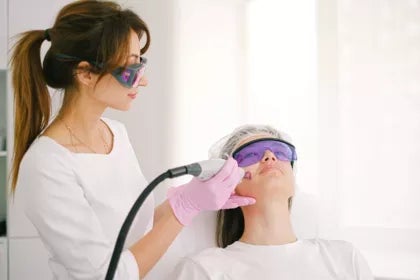
- Master’s Degree in Advanced Aesthetic and Laser Techniques (CEU Cardenal Herrera University) Focused on highly specialised procedures using laser technology and photobiomodulation.
What other master’s degrees in aesthetic nursing are available?
Aesthetic nursing is a growing specialism that enables nurses to expand their skills into the field of dermo-aesthetic treatments and advanced skincare. Although there is not yet an official specialism in aesthetic nursing recognised by the General Council of Nursing in Spain, postgraduate training in this field does have institutional backing.
The most popular programmes include:
- Master’s in Dermocosmetics and Anti-Ageing: focused on non-invasive treatments and advice on active cosmetics. Available as a face-to-face or online course at various institutions.
- Master’s in Auxiliary Techniques in Aesthetic Medicine: for nurses wishing to join aesthetic medicine clinics as part of the healthcare team.
- Online specialisation programmes at institutions such as IFSES, TECH Technological University or Euroinnova, which are compatible with work commitments.
In this field, the key distinguishing factor is always the emphasis on practical experience: a programme with little clinical training will not prepare you to work with confidence.
What Master’s degrees in aesthetic dermatology can you study?
Aesthetic dermatology is a field aimed primarily at doctors with training in dermatology or with a specific interest in skin conditions with an aesthetic component. The programmes available usually cover:
- Laser technology and intense pulsed light (IPL)
- Treatments for acne, rosacea and scars
- Advanced skin rejuvenation techniques
- Combined procedures: chemical peels, botulinum toxin and dermal fillers
Among the most highly regarded institutions in this field are the University of Alcalá (UAH), the Autonomous University of Barcelona (UAB) and various specialist postgraduate medical schools.
Why is it worth specialising in aesthetics with a master’s degree?
Aesthetic medicine, aesthetic dentistry and aesthetic dermatology are some of the fastest-growing healthcare specialisms in Spain. The demand for non-invasive treatments, active ageing and the growing focus on personal care have made this sector one of the most robust in the private healthcare sector.
For a doctor, dentist or nurse, specialising in this field offers very specific advantages:
- Greater professional autonomy: many aesthetic specialists work in their own clinics or in partnership with others, with the freedom to manage their own practice.
- High patient satisfaction: aesthetic treatments produce visible results that patients notice directly and immediately.
- Diversification of income: expanding the portfolio of services to include aesthetic treatments allows practitioners to increase their income without having to change sectors.
- Constant professional development: it is a discipline undergoing continuous technological evolution, ensuring that learning never stops.
A well-chosen master’s degree is, in this sense, much more than just a qualification: it is a genuine tool for professional transformation.
Who are master’s degrees in aesthetics aimed at?
Before exploring the available options, it is essential that you identify your entry profile. Postgraduate programmes in aesthetic medicine in Spain are designed for a wide range of groups:
- Doctors: they enrol on aesthetic medicine programmes that include invasive procedures such as Botox, dermal fillers or mesotherapy.
- Dentists: specialise in cosmetic dentistry and restorative dentistry.
- Nurses: can enrol on dermo-aesthetics programmes focused on non-invasive treatments and clinical support.
- Pharmacists, biologists and chemists: have career paths in cosmetology, cosmetic formulation and dermopharmacy consultancy.
- Dermatologists: have access to specific postgraduate courses focused on laser technology and dermatological treatments with an aesthetic component.
Having a clear idea of which degree you hold will help you narrow down your options and avoid wasting time on programmes that you would not be eligible for.
What criteria should you consider when choosing the best master’s degree in aesthetics?
With so many options available, choosing can be overwhelming. These are the factors that most influence the actual quality of a programme:
- Entry requirements. Always check that your existing degree qualifies you for the programme. Some master’s programmes are reserved exclusively for doctors or dentists.
- Hours of clinical practice. This is the most decisive factor. A programme with few contact hours will not prepare you to work safely. Look for programmes with at least 40–60 per cent practical hours.
- Accreditations and endorsements. The best programmes are recognised by scientific societies such as the SEME or are accredited by ANECA. Be wary of those that do not specify their accreditation.
- Delivery method and flexibility. If you are already working, a blended or online programme may better suit your schedule. Also check the timetable: some programmes concentrate practical sessions at weekends.
- Teaching staff. A master’s programme taught by practising professionals – whether they run their own clinics or are affiliated with leading hospitals – ensures that what you learn is closely linked to the realities of the sector.
- Network of partner clinics and job board. A strong network of contacts can make all the difference when looking for a job or setting up your own business.
Comparison table: which type of master’s degree best suits your profile?
| Entry requirements | Recommended type of Master’s degree | Usual field of practice |
| Doctor | Aesthetic and anti-ageing medicine | Private clinics, hospitals |
| Dentist | Cosmetic dentistry and restorative dentistry | Dental practice |
| Nurse | Dermal aesthetics / aesthetic nursing | Aesthetic clinics, medical spas |
| Dermatologist | Cosmetic dermatology and laser treatments | Specialist practice |
| Pharmacist or biologist | Cosmetology and active cosmetics | R&D, pharmacy, consultancy |
Summary
The best master’s degrees in aesthetics in Spain are those that combine academic rigour, practical clinical experience and recognition from the healthcare community. At UAX, you’ll find two of the most robust options on the market: the Master’s in Aesthetic Medicine and Anti-Ageing for doctors and the Master’s in Cosmetic Dentistry and Restorative Dentistry for dentists. Furthermore, the range of dermo-aesthetics programmes available caters to nurses wishing to specialise in this field.
Most importantly, whichever programme you choose: check the entry requirements, ensure it includes a high proportion of practical hours, and make sure the programme is accredited by a recognised scientific society. With these three criteria in mind, you’ll have the foundation you need to make a sound decision.