







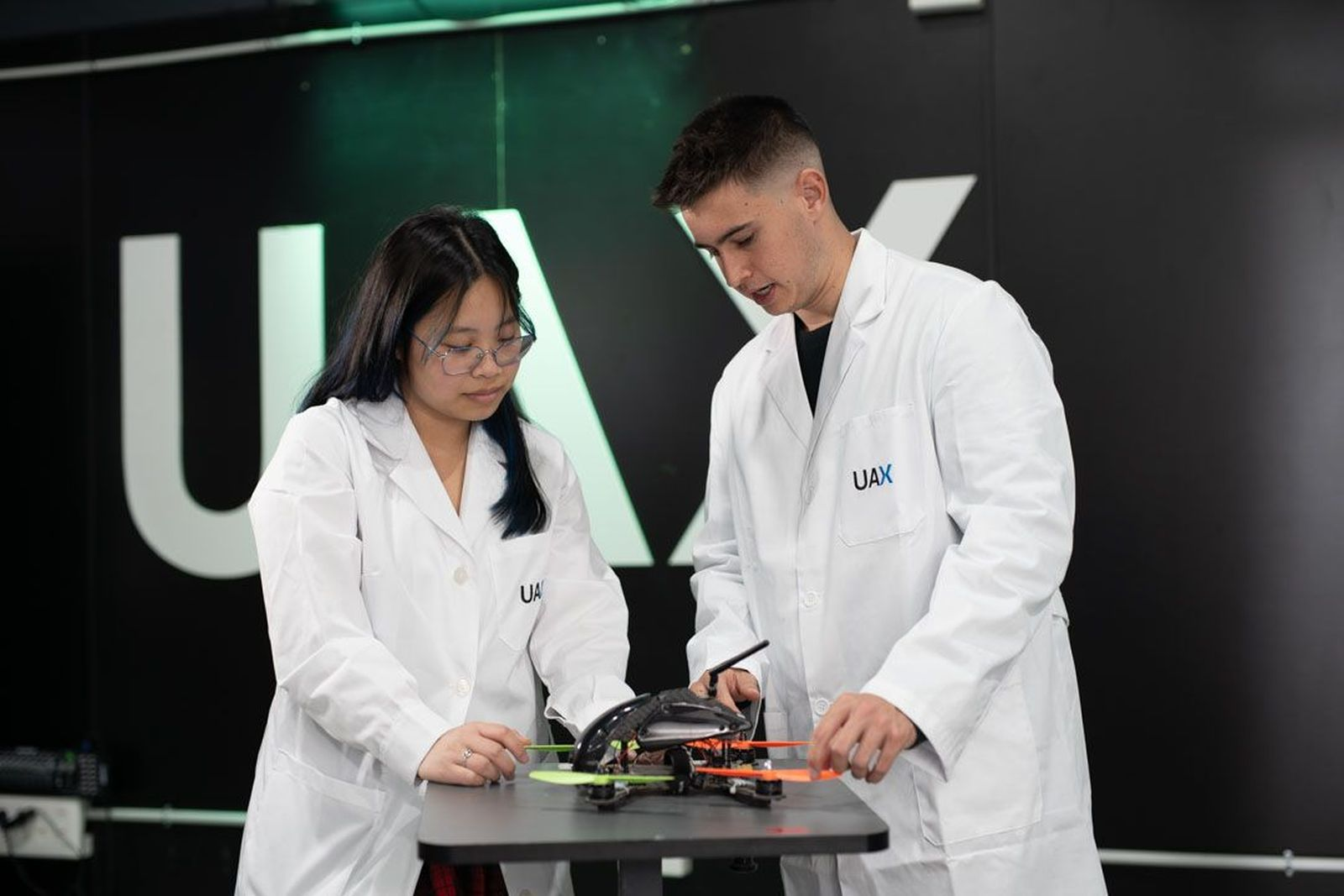
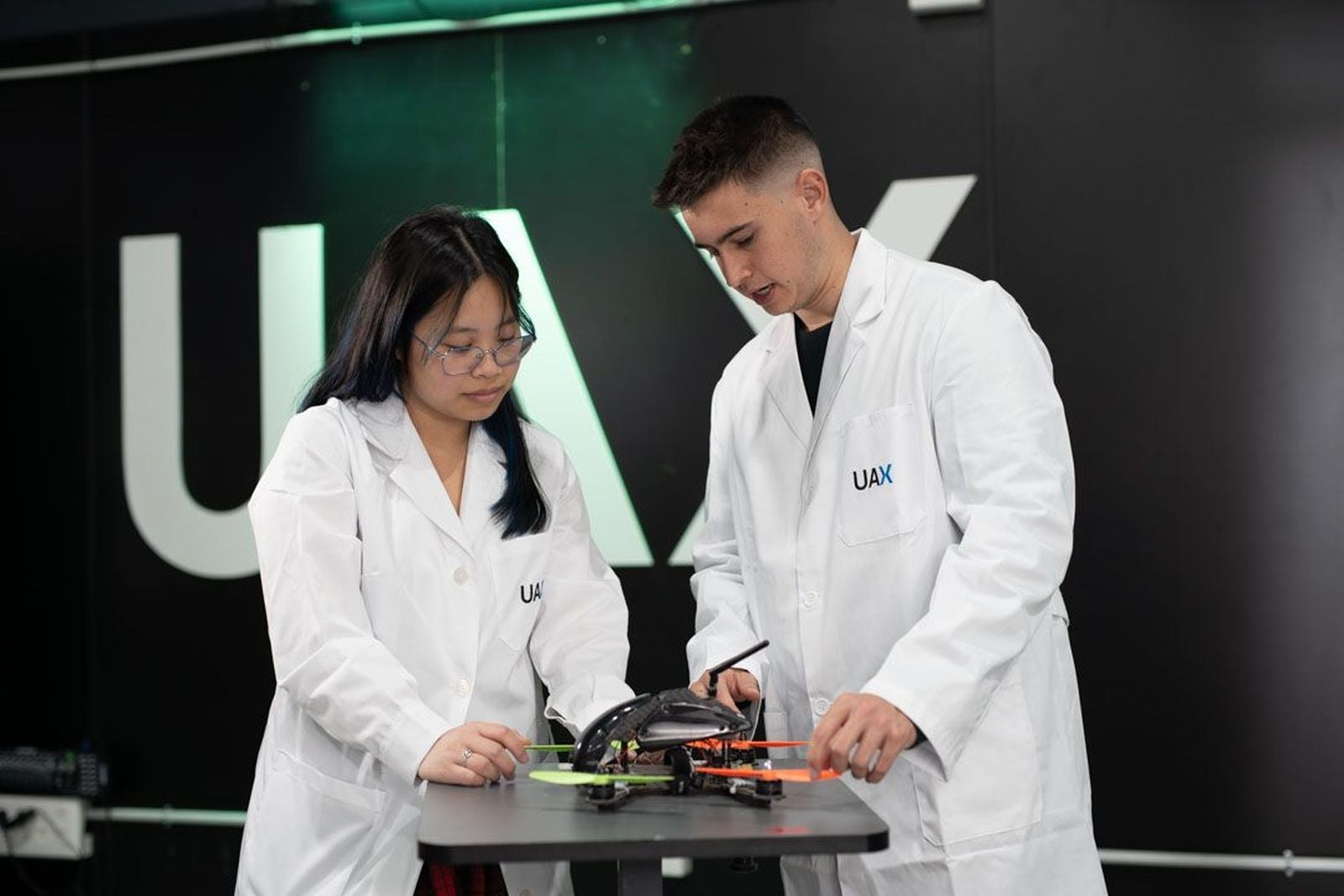
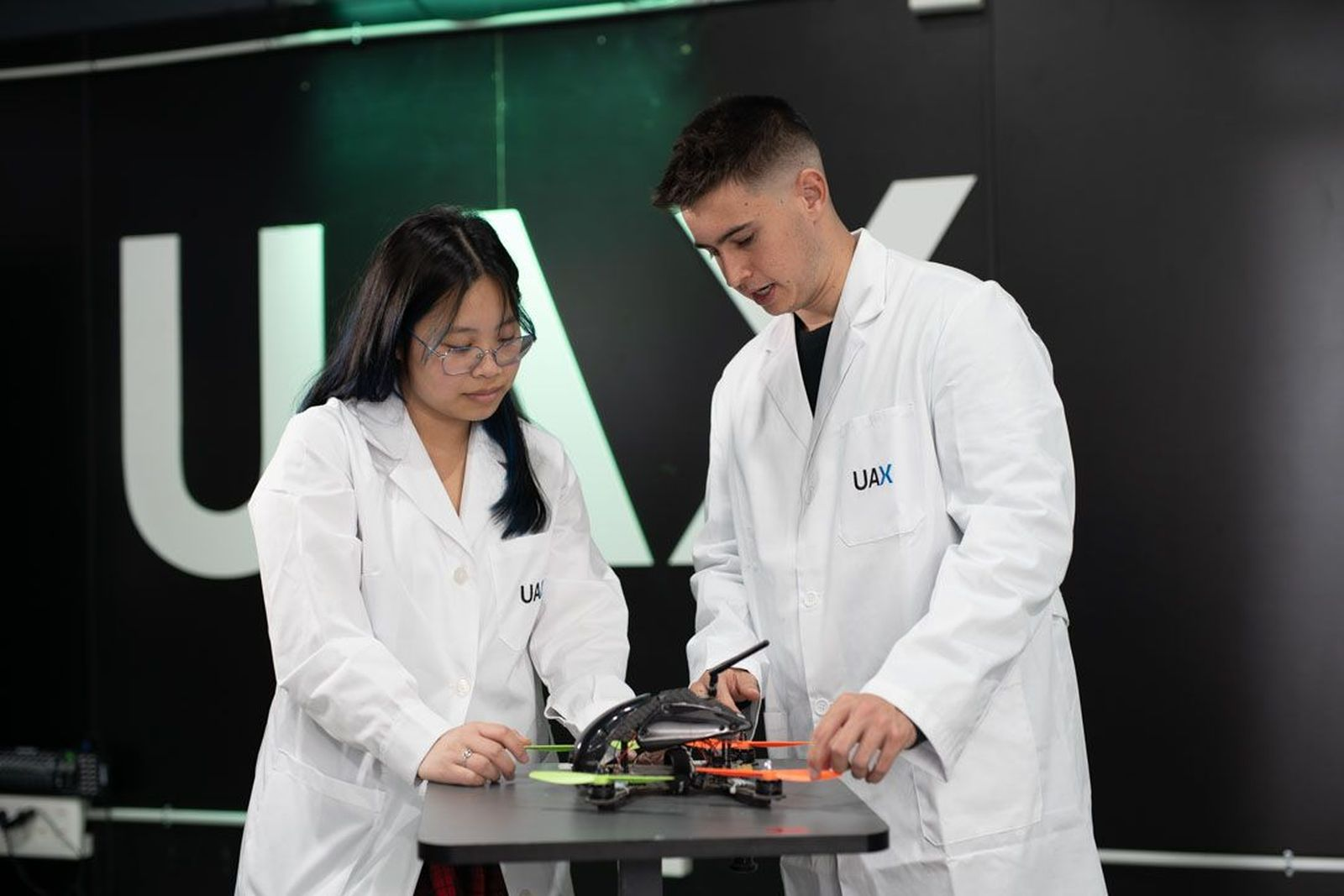




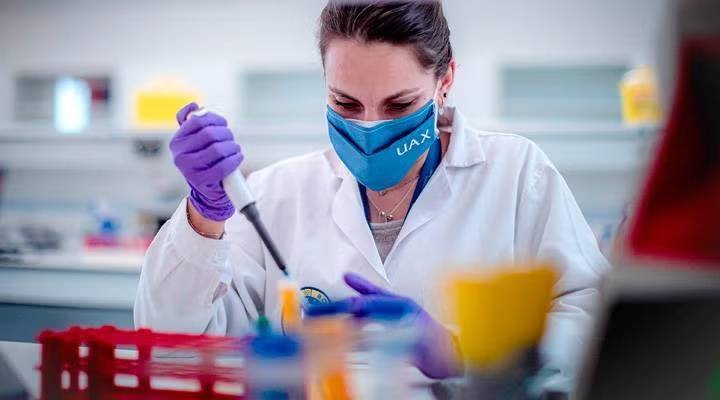





Alfonso X el Sabio University (UAX) has hosted the 2nd Digital Health Conference at its UAX Chamberí campus, an event that brought together experts from the healthcare, academic, institutional and industrial sectors to analyse how the training of healthcare professionals should evolve in the face of the rapid digital transformation of the healthcare system. The conference provided an opportunity to identify common challenges and key areas for action to ensure that technology becomes a tool in the service of patient care.
The shared challenge: training professionals for a healthcare system in transition
The experts agreed that the healthcare system faces structural challenges such as sustainability, efficiency and the transition towards more preventive and personalised models. In this context, continuous professional development and the definition of new professional roles have become strategic priorities. The widespread use of data, the interoperability of systems and the adoption of artificial intelligence-based tools require a profound evolution in the training models and organisational culture of healthcare institutions. Jaime del Barrio, Chair of the Advisory Board of the Digital Health Association, highlighted the importance of integrating technology into healthcare practice, noting that “digital health is a set of solutions to improve patient care and, in this revolution, it must be accessible to everyone, including the most vulnerable groups. Interoperability is key to bridging gaps and ensuring that all patients can benefit from advances in AI.”
Closing the training gap: adapting curricula to digital health
One of the main points of consensus at the meeting was the existence of a gap between the traditional training of healthcare professionals and the digital skills already required in clinical practice. In this regard, Aida Suárez, Dean of the Faculty of Biomedical and Health Sciences at UAX and Director of One Health at the UAX Group, emphasised that “four years ago, we identified a clear gap between the training received by future healthcare professionals and the skills required of them. Digital health is evolving at a rapid pace and continues to require specific training, both for students and for practising professionals ”.
In this regard, Suárez pointed out that UAX was a pioneer in incorporating digital health content into the Bachelor’s degree in Medicine and is now integrating it into the rest of the health-related degree programmes, such as Nursing, Pharmacy, Biomedicine and Physiotherapy, amongst others. Since then, it has developed a strategy in this field which has been further enriched thanks to close collaboration with healthcare institutions and the contributions made during the first digital health conference, held last year.
New roles, digital skills and multidisciplinary teams
Continuing professional development and the definition of new professional roles have become strategic priorities. According to experts, one of the main challenges today is to adapt training to an environment in which data management, interoperability and the critical use of digital tools are now key elements of clinical practice.
This was highlighted by Nuria Ruiz, Director-General for Digital Health for the Community of Madrid, who emphasised that “we have moved from storing data to generating knowledge from it, which involves transforming not only the technology, but also care processes and organisational culture ”. Meanwhile, Marcos Hernández, Medical Director of La Princesa University Hospital, emphasised that “AI requires us to reorganise knowledge and define who leads this transformation”, particularly in a context where “technological developments are advancing faster than their implementation within organisations”.
From an organisational perspective, Marisa García, Managing Director of the Tajo University Hospital, highlighted the need for professionals who can act as a bridge between clinical care, technology and management. “We need change managers who can integrate these tools into clinical practice.”
To redefine professional roles in digital health, the experts agreed on the need to promote hybrid models and progressive training structures. Fernando Martín, Deputy Managing Director of Medical Informatics, Digital Strategy and Innovation at La Paz University Hospital, explained that “professional training should be understood as a pyramid, ranging from healthcare graduates and junior doctors to practising professionals, including high-level specialists and managers, right up to specialists in digital health and medical informatics, who are the ones who design and implement clinical requirements, adapting technology to healthcare practice ”. In this regard, he emphasised the importance of “defining competencies at each level and developing certification programmes that ensure these are met ”.
Artificial intelligence as a clinical tool: innovation with human supervision
AI opens the door to significant advances in fields such as precision medicine, but they emphasised the need for constant human supervision and responsible integration into healthcare processes.
Enrique Grande, director of Quirónsalud’s One Oncology Madrid programme, highlighted that AI enables progress towards precision medicine by “giving each patient what they need”, although he cautioned on the importance of oversight: “it is vital to audit the algorithms and avoid potential biases in clinical recommendations ”.
From an industry perspective, Pablo Crespo, Secretary General of FENIN, noted that “the sector is competing to attract talent with expertise in data management, capable of extracting value from the information generated by devices”, and added that there is also growing demand for professionals with regulatory expertise, as “algorithms must comply with regulations and guarantee patient safety, because the decisions affect vulnerable people ”.
In the field of education, Mariví Redondo, Digital Health Co-ordinator and Head of Studies for the Bachelor’s Degree in Medicine at UAX, emphasised the role of universities in training professionals who “use technology as a tool, without losing sight of the human aspect of patient care”.
Critical thinking, data management and cybersecurity
The role of data was also a key focus of the debate, as “we are living in an extraordinary era in terms of access to and the ability to analyse data”, although “AI is a tool that requires both skill and the right mindset to be used correctly”, as noted by José Luis Díez, Senior Health Advisor at EY.
Jacinto Velasco, Head of Studies in Mathematical and Physical Engineering at the UAX Faculty of Business & Tech, emphasised that “doctors need two key skills: an understanding of the language and technologies, and a solid foundation in data to be able to interpret them”, whilst also noting that “artificial intelligence is a co-pilot, but it must always remain under human control ”. In the same vein, Begoña Moreno, Director of Technology at BESTINVER, pointed out that “healthcare professionals must understand what lies behind AI, question it and assess the risks posed by algorithms, as well as being familiar with the regulatory framework and ensuring cybersecurity ”.
During the debate, data protection took centre stage in a context where Europe has a stringent regulatory framework, which is nevertheless necessary to ensure security. “The protection of medical data is fundamental and should not be seen as a barrier to innovation, but rather as a safeguard, ” said Moreno, who also highlighted the move towards models such as the sovereign cloud.
In this new paradigm, training and a change in attitude are key factors. “The challenge is not just to teach, but to help professionals adapt to the digital environment, ” said Díez. Meanwhile, Moreno emphasised the importance of holding this sort of event, stating that “it is essential to reflect on how we train today those who will transform healthcare tomorrow ”.
With this second edition, UAX reaffirms its commitment to healthcare education tailored to the current challenges facing the healthcare system, integrating digital health across the board into its academic programmes and promoting dialogue between the university, professionals, industry and the public sector. The university, which also uses technology to enhance learning and has recently incorporated virtual reality into its students’ preparation for the ECOE (Structured Objective Clinical Examination), is thus consolidating its role as an active player in educational innovation and strategic reflection on the future of healthcare.