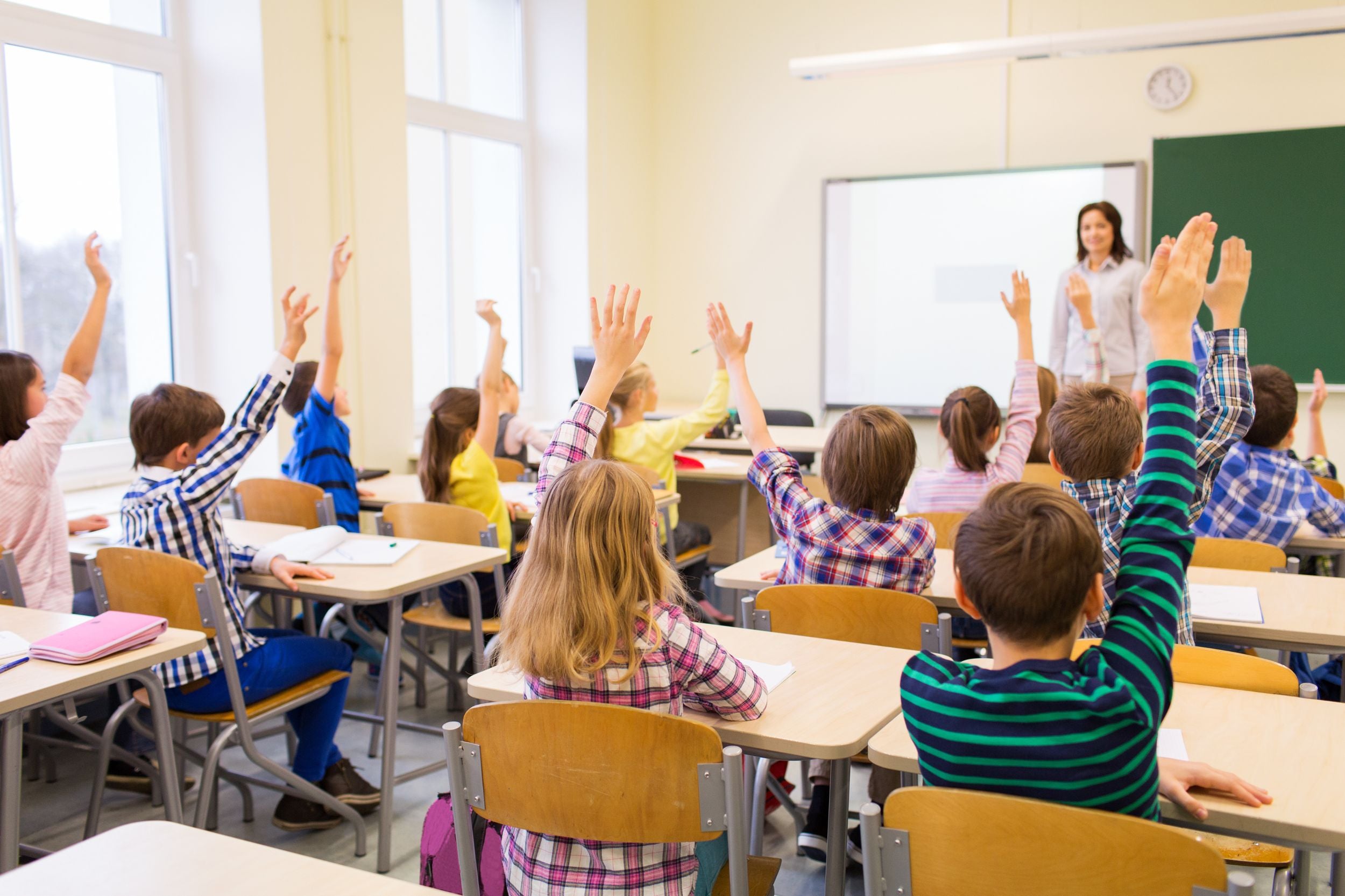
How to become a primary school teacher is one of the major questions many students ask themselves when considering their professional future. Being a primary school teacher is, without a doubt, an excellent career choice, and more and more people are choosing to pursue this vocation.
Educating children during their early years at school is a huge responsibility, as these years are crucial for laying the best possible educational foundations for pupils, so that they can progress steadily as they move through the various stages of education: from pre-school, primary, secondary and sixth form, right through to higher education – that is, university.
To be a primary school teacher, one must demonstrate a creative and innovative approach, so as to be able to teach the youngest children with passion, supporting them through their fears and joys, always standing by their side and playing a vital role in their lives. It is no surprise that teachers are key role models for children, alongside their parents and relatives. So, being a teacher is a huge responsibility!
Now, if you believe you were born to be a teacher and to give your very best to help young children grow up to become happy and responsible adults, you need to know how to become a teacher and, therefore, what you need to study to work with children.
How to become a primary school teacher: What should I study?
The answer is very simple: to work as a teacher, you need to study for a degree in Primary Education.

Bachelor’s Degree in Primary Education
By studying this degree, you’ll learn to feel completely at home in the educational world across all subject areas, so that children can begin to make that essential first contact with all the knowledge they’ll go on to develop and explore in greater depth as they progress through their education.
Furthermore, if you study the online Bachelor’s degree in Primary Education at UAX, you can specialise by obtaining a specific minor in Physical Education, a foreign language (English), hearing and speech, therapeutic pedagogy or music.
There are various routes to accessing this degree programme: via the EvAU (the university entrance exam), through vocational training courses , if you hold the UNED credential for EU international students, if you are an international student with recognised qualifications, as well as via the entrance exams for those aged 25 and over, or if you hold a university degree, a Master’s degree or a PhD.
In short, there are also many ways to study the Bachelor’s Degree in Early Years Education and discover how to work in a state, private or state-subsidised school. In fact, many students end up pursuing a career as a primary school teacher over the course of their professional lives, as they choose to change career direction partway through their professional journey. We also offer the Online Advanced Vocational Training Course in Early Years Education , which will enable you to work as an early years educator.
Above all, what matters is that you have a genuine passion for teaching young children and that you enjoy the profession. It is up to you to spark their interest in learning and, together with their parents, help them grow up to be happy and responsible individuals. Do you feel confident in taking on this role?
Furthermore, you can continue your training once you have completed your degree and specialise in various areas of education with a postgraduate programme such as the Master’s in Educational Psychology, the Master’s in Special Education and Educational Inclusion or the Master’s in Bilingual Education .
If you’d like to become a secondary school or vocational training teacher, you can gain the necessary qualifications through the Online Master’s in Teaching .
Or, if you’re looking for a leadership role in the education sector, specialise with the Master’s in School Leadership . This programme will provide you with the tools and knowledge needed to manage and lead educational institutions effectively. You will learn about resource management, organisational development, strategic planning and the implementation of educational policies.