
















Alfonso X el Sabio University (UAX) and the Las Loras Geopark (Burgos-Palencia) have signed a strategic agreement to develop a research project entitled ‘Heritage Education through Ancient Landscapes’ (DiPA), with the aim of transforming cultural landscapes and archaeology into cutting-edge educational resources capable of connecting knowledge, the local area and the community.
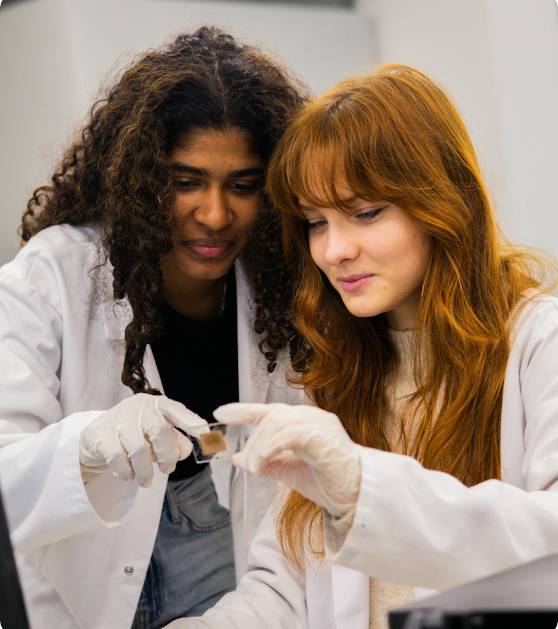
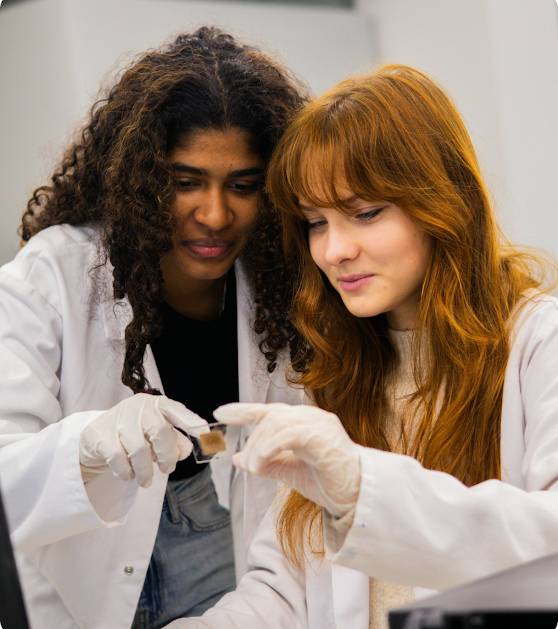
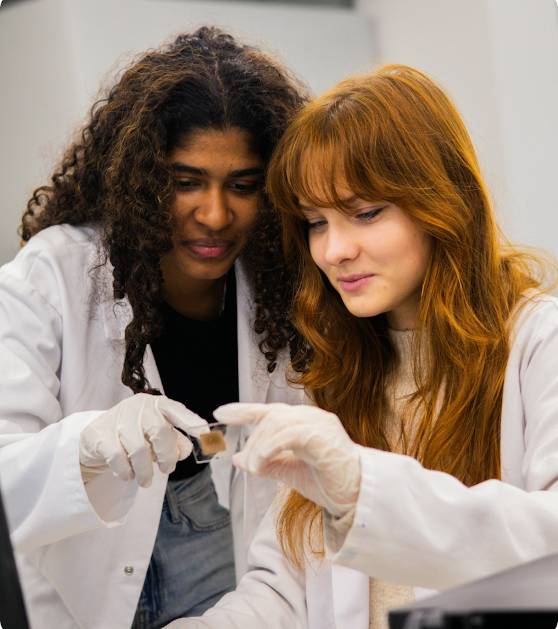
This project encompasses various activities and experiences designed to turn ancient landscapes into educational tools for teaching historical, cultural and environmental content. Students from the Faculty of Education at UAX have the opportunity to participate by working directly in the field, interpreting heritage as an active part of the learning process, thereby contributing to the dissemination of knowledge about a region of great historical and natural wealth.
“Cultural landscapes, understood as the result of the interaction between people and their environment over time, are a valuable educational tool because they enable us to understand the memory of the past, strengthen collective identity and develop a critical perspective. This agreement with the Las Loras Geopark is, furthermore, a clear example of how we expose our students to real, immersive experiences that enrich their education and enable them to develop knowledge and skills that are fundamental to their professional future, whilst fostering their commitment to the conservation and promotion of heritage, ” said Elena Zubiaurre, Dean of the Faculty of Education at UAX.
“This project not only helps to broaden our understanding of our heritage, but also enables local residents, students and visitors to discover and appreciate the region’s history. When a region gains a better understanding of its past, it strengthens its identity, fosters a sense of belonging and enhances its ability to attract cultural and tourist activity, ” said Nerea Arias, head of the Geopark’s educational project.
Learning from the local area and the educational value of the landscape
The DiPA project integrates educational research, pedagogical innovation and knowledge transfer, in line with the UAX model, which focuses on practical learning, links to the professional world and social impact. The aim is to conduct a study of the cultural landscape of the Páramos region in Burgos, using an innovative approach that combines research, the promotion and dissemination of heritage.
The archaeological research will aim to document the heritage of a region that is still relatively unknown, highlighting the historical value of this area from ancient times. However, what sets this project apart is its strong pedagogical dimension, present from the outset, which emphasises the educational potential of the cultural landscape to drive innovative and comprehensive initiatives, designed around specific teaching objectives.
Within this framework, the activities carried out also form part of a broader strategy combining heritage education and archaeological research, developed by the Research, Education and Landscape (EduPa) group at UAX in collaboration with the Geopark, the Social Structure and Territory research group– Landscape Archaeology (EST-AP) research group at the Institute of History (IH) within the Centre for Humanities and Social Sciences of the Spanish National Research Council (CCHS-CSIC), educational institutions and local stakeholders.
On the one hand, the educational initiatives aimed at interpreting the geological, archaeological and environmental values of the surrounding area are particularly noteworthy. This is complemented by a firm commitment to the local community in which the research is carried out, as well as a series of outreach activities planned for the coming months. It thus fulfils the objective of ensuring that the knowledge generated benefits the local area itself through outreach, educational and awareness-raising activities aimed at local residents, schools and visitors.
The project has already been launched on the ground through initiatives that combine research, pedagogical innovation and direct application in the classroom, notably an activity carried out with pupils from the CEIP San Miguel Arcángel primary school in Escalada (Burgos).
This initiative will continue in the coming months with the development of new activities that will enable the project’s scope to be broadened and further consolidate the use of the local landscape as an innovative teaching resource.
Practical training and commitment to the local community
Thanks to this agreement, students from the UAX Faculty of Education are actively involved in the project’s development – an experience that will enrich their training whilst fostering civic awareness and a commitment to heritage conservation. As a result, DiPA will generate applied knowledge on the use of heritage as a teaching resource and promote new methodologies in the field of Education Sciences. Furthermore, it will help to highlight the value of the Las Loras Geopark as a space for learning and scientific outreach. Student involvement will gradually expand as new activities linked to the project are developed.
This initiative also reinforces UAX’s role in the field of applied educational research and in the training of teachers capable of integrating sustainability, the local area and culture into their professional practice. All of this is in line with UAX’s commitment to the 2030 Agenda and the Sustainable Development Goals. In this context, cultural landscapes are established as a particularly valuable tool for addressing the SDGs from a heritage-based, innovative and holistic perspective.