














The overall condition of cancer patients on the eve of surgery is becoming an increasingly decisive factor. In the case of gastrointestinal oncology, pre-operative preparation influences recovery, complications and quality of life. However, interventions such as exercise remain, in many cases, general recommendations rather than structured programmes within the care pathway.
With the aim of changing this paradigm, Alfonso X el Sabio University (UAX), together with the Rey Juan Carlos University Hospital and the Forus sports centres, is giving a new impetus to care by launching a pioneering prehabilitation programme for cancer patients, initially focusing on gastrointestinal cancer, for patients due to undergo surgery, with plans to extend it to other types of tumours in the future. The project, which has been running since January this year, was launched with the aim of ensuring a greater likelihood of success for these patients’ surgical procedures.
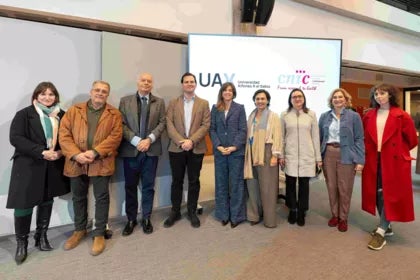
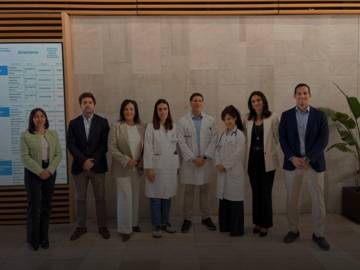
In this regard, the collaboration and coordination between the Rey Juan Carlos University Hospital, Alfonso X el Sabio University (UAX) and the Forus sports centres has been key to driving forward this oncological prehabilitation programme. The project involves the structured delivery of supervised exercise in a safe environment, whilst maintaining constant coordination with the hospital’s clinical team – where the involvement of the hospital’s Department of Continuity of Care, led by Dr Carmen Plaza Nohales, has been fundamental in consolidating this collaborative model – and facilitates its integration into the care pathway, improving patients’ quality of life.
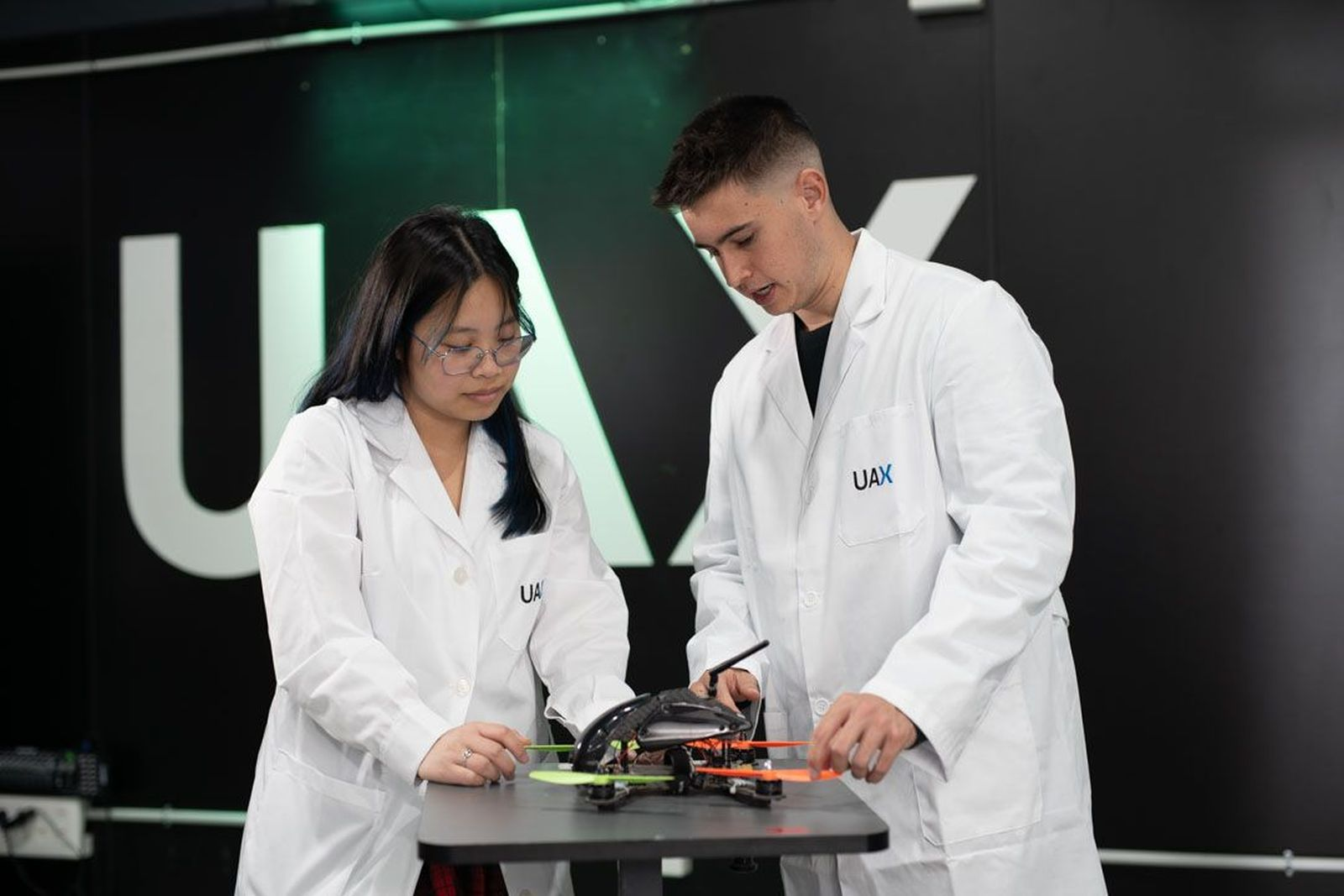
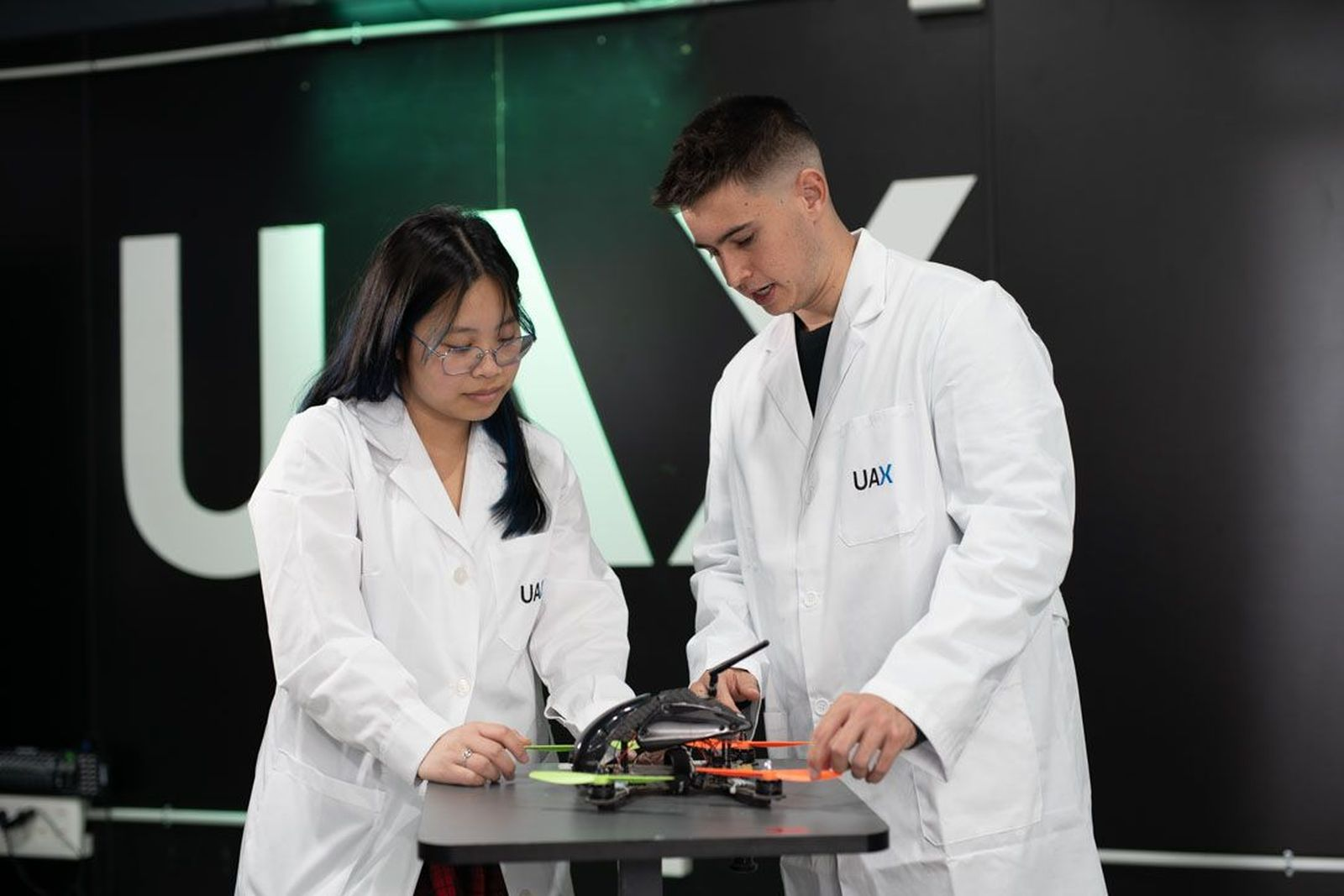
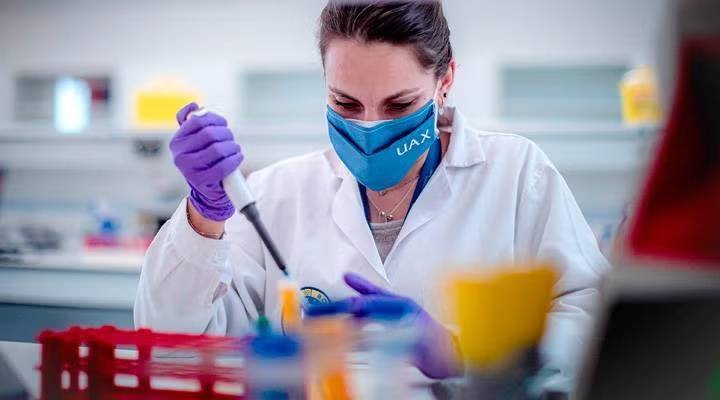
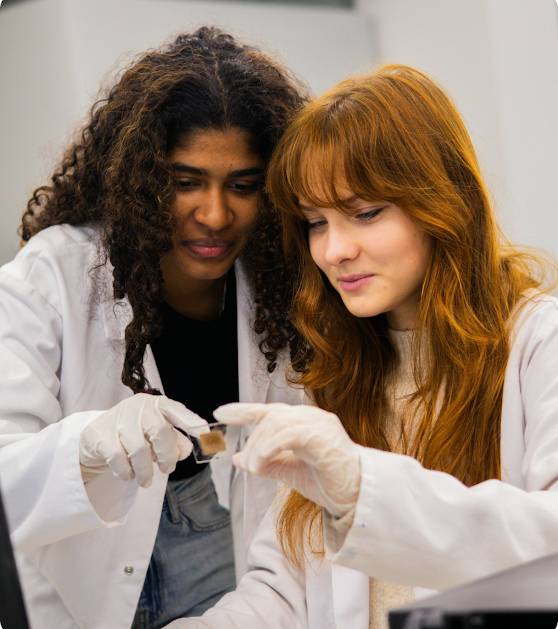
Furthermore, the project takes on a broader dimension by incorporating an educational and collaborative aspect. Under the UAXmakers educational model, students on the bachelor’s and master’s degree programmes in Physiotherapy and Physical Activity and Sport Sciences (CAFYD), work alongside doctors, healthcare specialists and exercise professionals to develop and monitor the programme, applying scientific evidence in a real clinical setting and acquiring key skills as future healthcare professionals.
This new programme is based on the individualised prescription of strength training, in line with scientific evidence and international recommendations for cancer patients. It also forms part of the cancer prehabilitation strategy that has been in place for over two years within the Internal Medicine and Geriatrics Departments at the Rey Juan Carlos University Hospital, where a comprehensive assessment of cancer patients is carried out prior to treatment, with the aim of optimising their clinical and functional status.
This multidisciplinary approach covers several key areas: optimisation of standard medical treatment for patients with multiple comorbidities, pain management, management and correction of pre-surgical anaemia, psychological support, personalised nutritional support, including dietary advice and supplementation where necessary and, crucially, physical exercise programmes tailored to the patient’s functional capacity.
Oncological prehabilitation includes a joint morphofunctional assessment, carried out by doctors at the Móstoles hospital: Carolina Blas Carracedo, a specialist in Internal Medicine, and Miguel Aganzo Yeves, a nutritionist and doctor of Molecular Biosciences, at the hospital in Móstoles. This assessment enables patients to be categorised according to their degree of frailty and an individualised plan to be designed. In this regard, physical exercise is one of the central components of prehabilitation, as its benefits have been demonstrated in numerous oncological contexts: improved tolerance to treatments such as chemotherapy or radiotherapy, optimisation of functional status prior to surgery, better post-operative recovery and a reduction in post-operative complications, leading to a shorter hospital stay.
Patients, referred by Drs Blas and Aganzo, undergo a preliminary functional assessment — including the 30-second sit-to-stand test and measurement of handgrip strength — which enables their functional status and level of frailty to be assessed. In addition, imaging tests such as muscle ultrasound and vector bioimpedance analysis (BIVA) are carried out to assess muscle quality and cellular health. Based on this, a personalised training plan is designed, supervised by Raúl Notario, director of the Physical Activity, Physiotherapy and Sports Department at UAX, who coordinates the entire programme—in which students and patients participate—together with the medical team.
“Oncological prehabilitation allows us to intervene before treatment, optimising the patient’s clinical, functional and nutritional status. It is not just about preparing them for surgery, but about improving their ability to cope with the entire cancer journey,” said Dr Carolina Blas. “Prehabilitation begins with a comprehensive assessment of the cancer patient by the Department of Internal Medicine, addressing all their conditions from a holistic perspective. This enables us to optimise their clinical condition, adjust their treatment and select patients who are suitable candidates for the programme on an individual basis,” she added. For his part, Dr Miguel Aganzo noted that “in cancer patients, nutrition and exercise should not be viewed in isolation. A combined approach helps to slow the loss of muscle mass, improve functional capacity and optimise the response to both surgery and cancer treatments”.
The programme’s results and positive feedback
Two months after its launch, 30 patients are taking part in the programme, ten of whom have already undergone successful surgery, whilst the rest continue to train. The project has been very well received, both from a clinical perspective and in terms of the patient experience. In clinical practice, it has been observed that after 15–30 days of prehabilitation, patients show improvement in functional parameters, such as strength measured by dynamometry and functional assessment tests.
The programme’s impact also includes emotional benefits, as it enables patients to leave the hospital environment and actively participate in their recovery process, which contributes significantly to their psychological wellbeing. In parallel with the project, various research studies are being carried out, one led by Raúl Notario and, in addition, a randomised clinical trial led by Dr Aganzo, in which Dr Blas, together with , will explore different nutritional intervention strategies through the analysis of chemical mediators and gut microbiota, with the aim of reducing the number and severity of post-surgical complications. The aim of all this is to demonstrate the improvements with a view to establishing this same programme in other hospitals in the Community of Madrid.
“Exercise ceases to be mere advice and becomes a treatment when there is clinical coordination, individualised assessment and professional monitoring. For our students, too, it means understanding that health is built on prevention, evidence and interdisciplinary work,” said Raúl Notario, director of the Physical Activity, Physiotherapy and Sports Department at UAX. This initiative represents a further step forward for the ‘Receta Deportiva’ project, which UAX has been promoting for over three years in the field of cardiovascular health and which is now being extended to hospital and oncology settings; it reflects King Juan Carlos’s commitment to promoting healthy lifestyles as part of his strategy for prevention and health education.
A collaboration in education, healthcare and sport
In this programme, Forus contributes its expertise in health-oriented physical activity, making its facilities, technical team and a safe, accessible environment available to the project so that patients can undertake their pre-surgery physical preparation. Its participation enables this support to be extended to the community, reinforcing Forus’s commitment to improving people’s wellbeing, independence and quality of life through active and healthy lifestyles.
“For Forus, taking part in this project means promoting a model in which physical activity is naturally integrated into patients’ preparation and recovery process. Our aim is to support them in a welcoming, professional and motivating environment that helps improve their wellbeing and enables them to undergo surgery in the best possible condition. This collaboration between the university, the hospital and the sports sector demonstrates that, by pooling our resources, we can make a real and positive impact on people’s lives, ” said Ana Ruiz, director of the Forus Foundation.
Through this initiative, UAX, the Rey Juan Carlos University Hospital and Forus are reinforcing their commitment to a more inclusive healthcare model, in which the university, the hospital and the sports sector work together to improve the patient’s experience and prognosis.