













Industrial design, as a profoundly interdisciplinary field , goes far beyond product aesthetics; it lies at the intersection of user-centred design, sustainability, technological innovation and social responsibility . Industrial design is constantly evolving; trends in the field revolve around the creation of meaningful, accessible solutions tailored to real-world contexts of use, integrating ergonomic, emotional and cultural criteria that blend with emerging technologies and sustainability. In other words, product design is becoming more social, greener and more technological all at the same time. These trends respond to the demands of more conscious consumers and to new technological and creative possibilities.
- Materials and sustainability: bioplastics, bamboo and other recycled materials are increasingly being used to reduce environmental impact. Eco-design, the responsible use of materials, the circular economy and product life-cycle analysis are standard practices in new product development processes.
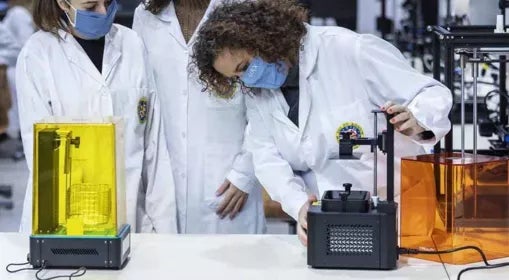
- 3D printing and additive manufacturing: 3D printing is becoming increasingly sophisticated, enabling the creation of complex shapes without wasting material. For example, in the aerospace industry, GE has produced 3D-printed engine nozzles that are 25 per cent lighter and up to five times stronger than conventional ones. This technology speeds up prototyping and customised production.
- Artificial Intelligence (AI) in design: Generative AI is being incorporated into the creative process. AI tools can rapidly generate multiple sketches or simulate product behaviour. For example, according to McKinsey, generative AI tools can shorten design cycles by up to 70 per cent, freeing up time for testing and improvements. AI assistants (such as ChatGPT) are also used to analyse market data and better understand the user during the research phase.
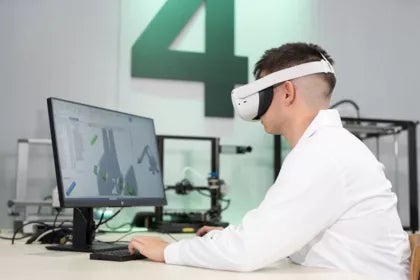
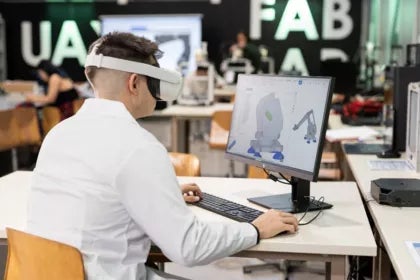
- Virtual and Augmented Reality (VR/AR): These immersive technologies are transforming the way we design. With VR, you can step into a digital prototype and review details at life-size; with AR, you can superimpose virtual designs onto real-world environments (such as seeing a piece of furniture in your living room before building it). This allows errors to be spotted before manufacturing begins and saves time.
Taken together, these trends shape the future of industrial and product design: designs will be more sustainable, smarter and more personalised. As a designer, it’s in your best interests to familiarise yourself with them.
Innovation and the future of industrial design
Innovation in industrial design means seeking new and effective solutions. It involves combining creativity with technology to create better products. For example, developing objects with new, optimised geometries thanks to generative AI, or using IoT sensors in devices to make them ‘smart’, are innovations in your field. Furthermore, innovation often goes hand in hand with sustainability (designing durable and eco-friendly products) and user experience (useful and attractive products).
Looking to the future, industrial design is expected to follow these key areas:
- Full digitalisation: You’ll work with advanced software (CAD, simulation, rendering) and collaborative platforms. Prototyping will be virtual in the early stages, with simulations of use and performance. AI tools will help you generate ideas (you’ll see ‘packs’ of sketches in seconds).
- Focus on the user and emotion: Products will aim to evoke positive emotions. Emotional design is gaining momentum, taking into account how users feel about an object. There will also be more co-creation: you’ll collaborate with engineers, end-users and other specialists to ensure the product is both useful and attractive.
- Mass customisation: Thanks to digital manufacturing (3D printing, laser cutting, etc.) and AI for on-demand production, you’ll be able to design products tailored to each customer without driving up costs too much. Imagine trainers or furniture that are virtually unique, tailored to each user’s tastes.
- Automation and robotics: Production will become increasingly automated. Smart factories that adjust manufacturing in real time are on the horizon. As a designer, you’ll need to consider the modularity and standardisation of components to facilitate automation.
In short, the future of industrial design will be technological, collaborative and sustainability-focused. As a future industrial design engineer, you’ll find yourself working with advanced tools (AI, VR/AR, robotics) and with an ecological mindset to create innovative and sustainable products.
Artificial Intelligence in Industrial Design
AI is transforming your creative work. AI for product design is used at various stages of the project. For example:
- Rapid research: Using language models (ChatGPT, Bard, etc.), you can summarise market reports and trends in seconds. This gives you more time to come up with creative solutions.
- Idea generation: Generative AI programmes (such as Autodesk Generative Design or similar tools) produce dozens of variations on a concept based on your parameters (lightweight, maximum volume, minimum material, etc.). You select and refine the most promising ideas.
- Design optimisation: AI can automatically assess the feasibility of a design, detect structural weaknesses or suggest improvements to the form. It does not replace the designer, but it multiplies your productivity. A McKinsey report estimates that generative AI could unlock billions in productivity gains in research and development alone.
In industrial engineering, the influence of AI is also growing. It is used to optimise manufacturing processes (for example, adjusting production lines in real time) and for predictive maintenance. An AI-powered system can analyse machine data and issue warnings before failures occur, thereby preventing downtime. Overall, AI will help you make more informed, efficient and rapid decisions in both the design and engineering of production processes.

Sustainability in industrial design and engineering
Sustainability is now a cornerstone of industrial design. It means integrating environmental criteria right from the start. In your projects, this translates into:
- Reduce, reuse, recycle: The aim is to minimise waste. Sustainable designs use fewer new materials, incorporate recyclable or biodegradable components, and are conceived so that, at the end of their useful life, they can be transformed into new products.
- Eco-design: This involves choosing low-impact materials (such as bamboo or biodegradable composites) and processes that consume less energy. You design with the entire product life cycle in mind. As IBM explains, sustainable design seeks to reduce waste and improve the health of the ecosystem.
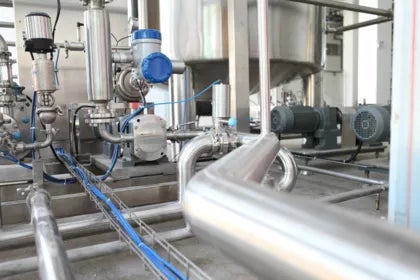
In industrial engineering, sustainability applies to the production system. This means creating resource- and energy-efficient processes, reducing emissions and optimising logistics. For example, you can implement the use of renewable energy in the factory, reuse industrial by-products or design production systems to minimise the use of water and electricity. Sustainable industrial engineering combines traditional efficiency with environmental urgency: it aims to ensure that production plants operate whilst consuming less and polluting less.
As a designer, this means you must always ask yourself: is this product durable, recyclable or repairable? How is it manufactured and disposed of? Incorporating sustainability is not only ethical, but also adds market value: consumers are increasingly demanding green products.
Virtual and augmented reality in design and manufacturing
Virtual reality (VR) and augmented reality (AR) are redefining how products are created. With VR, you can immerse yourself in a 3D model of your design: see what it looks like inside, rotate it and inspect it at full scale. This allows you to spot errors before manufacturing begins. For example, the Aragón Institute of Technology points out that VR allows you to visualise a machine at its actual size and detect design flaws before it is produced, saving time and money. In this way, you minimise rework and improve development efficiency.
AR, on the other hand, blends the virtual with the real. It allows you to design an object and immediately see it superimposed in a physical space. A well-known example is the IKEA app, which lets you view a virtual piece of furniture in your living room. In industry, according to SAP, designers can create virtual prototypes that ‘users can navigate and examine from all angles’, and even adjust the product before it is manufactured. In short, VR/AR speed up the creative cycle: visualising the product in a real-world context helps to make better design decisions and reduces testing costs.
Companies and industrial design education in Spain
Spain is home to renowned industrial design studios and agencies that apply these trends. One such firm is Mormedi, based in Madrid, an international consultancy specialising in strategic design and innovation, which goes beyond traditional industrial design by integrating strategy, design and technology to offer innovative, user-centred solutions in a global context. Ximo Roca Diseño ( Valencia) is characterised by a holistic approach to design, combining functionality, aesthetics and business strategy with a multidisciplinary focus, closely linked to industry, and an aesthetic vision that balances Mediterranean tradition with contemporary innovation. We can also mention Lavernia & Cienfuegos, a comprehensive studio that combines originality, utility and planning to deliver coherent and effective proposals across various sectors: cosmetics and personal care, food and drink, furniture and home furnishings, as well as household appliances and technology. It has received numerous awards and accolades, both nationally and internationally, for the excellence of its designs. Alegre Design (Valencia) is an award-winning agency specialising in product design. Muka Design Lab (Bilbao) focuses on ‘slow design’, creating sustainable furniture and consumer goods; it was founded in 2011 in Bilbao by Laxmi Nazabal and Lucas Abajo, who studied Industrial Design Engineering at the UAX (Alfonso X El Sabio University). Another example is Ànima Barcelona, a product design studio that has designed electric vehicles and electronic devices with a high degree of innovation. These companies combine creativity, technology and green values to stand out in the national and international markets.
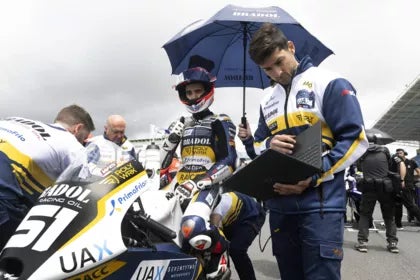
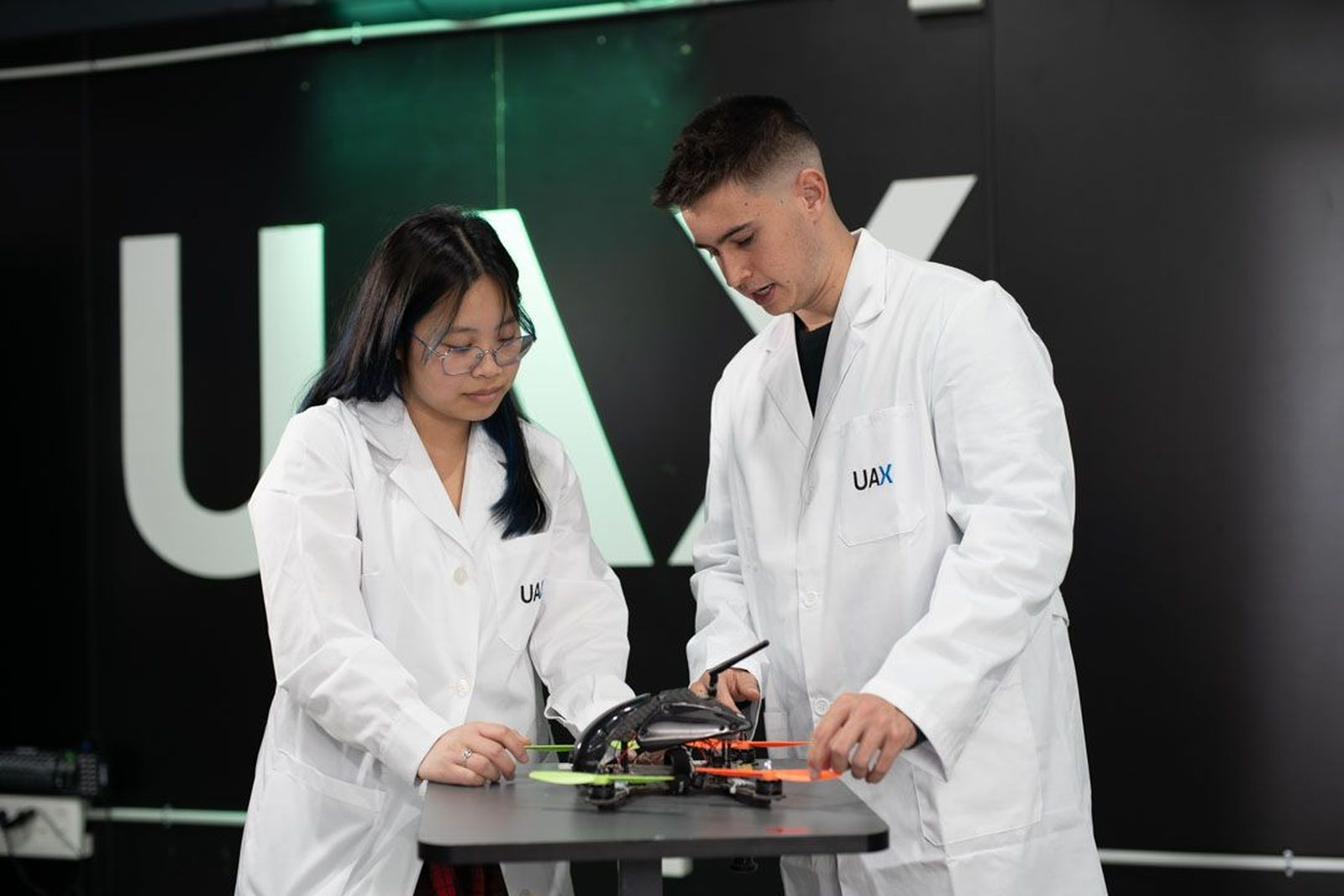
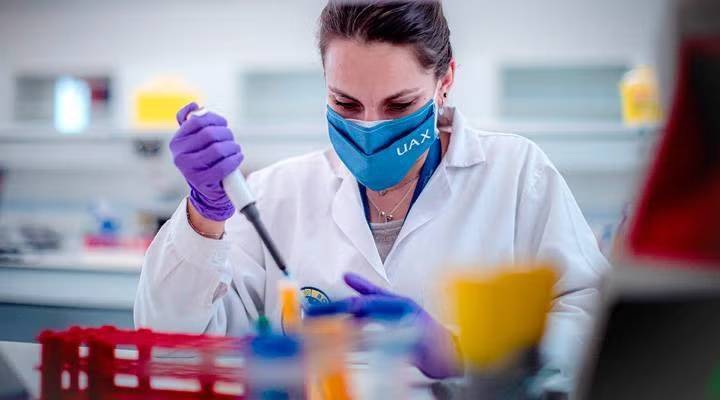
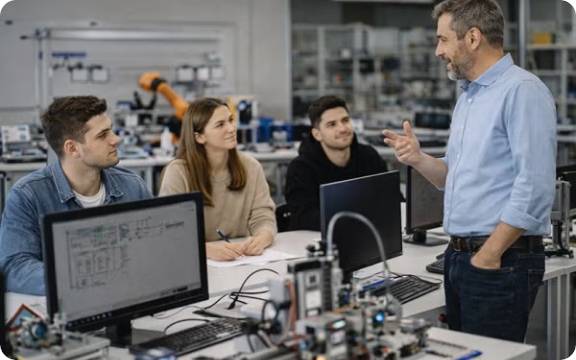
For their part, universities are training the next generation of industrial designers. One example is UAX (Alfonso X el Sabio University), whose Bachelor’s Degree in Industrial Design Engineering and Product Development prepares students through real-world projects in collaboration with leading companies in the sector. Other institutions, both public and private — such as the UPM, the UPV, Nebrija University and the CEU — offer degree programmes related to industrial design.
In class, you will learn everything from advanced CAD and rapid prototyping to sustainability, UX/UI and the use of emerging technologies such as artificial intelligence (AI) and virtual reality (VR), not to mention training in humanistic and social values, which are essential for designing products that meet the real needs of people and society.
The academic programmes in industrial design ensure that you graduate fully prepared to embrace a future that is creative, technological and committed to the responsible and innovative development of the sector.
In short, trends in industrial design invite you to innovate with an ecological and social perspective. As a student or future professional, you will be at the crossroads of creativity, technology and social responsibility. You will learn to use new tools such as artificial intelligence, 3D printing and virtual reality, whilst also applying principles of sustainability, inclusion and empathy to every project. This combination of technical skill and social awareness will enable you to design the products of the future: more efficient, attractive and respectful of both people and the planet.