First year
The first year of the Master’s programme is carefully structured to build, on the basis of your undergraduate degree, a well-rounded and versatile industrial engineering profile. Over the course of two semesters, you will immerse yourself in the key technologies, management principles and analytical tools that lie at the heart of the profession. It is an intensive and crucial year that lays the foundations for your specialisation and prepares you to make strategic decisions in complex environments.
All first-year modules summarised in a table.
MODULES | CREDITS |
Energy Technology | 6 |
Electrical Technology | 6 |
Thermal and Fluid Engineering | 6 |
Industrial Organisation | 6 |
Industrial Structures and Construction | 6 |
Chemical Process Technology | 3 |
Electronics and Automation Technology | 6 |
Manufacturing and Mechanical Engineering | 6 |
Industrial Installations | 6 |
Industrial Transport and Handling Techniques | 3 |
Industrial Safety | 3 |
Business Administration | 3 |
The core modules
To help you better understand the approach of the Master’s programme, we have grouped the modules into two main thematic blocks. The first is the technological core, where you will acquire the in-depth technical skills that define an engineer.
- Energy and Electrical Technology: two fundamental modules in which you will explore energy generation, transmission and distribution systems, as well as the design of electrical machinery and installations.
- Thermal and Fluid Engineering: here you will focus on the design and analysis of thermal systems, engines and heat and fluid transfer equipment, which are key to any industrial process.
- Electronics and Automation Technology: you will learn to design and programme control systems, automation and industrial robotics, paving the way towards Industry 4.0.
- Chemical Process Technology: you will gain an understanding of the operations and processes within the chemical industry, a sector with a high demand for versatile engineers.
The modules that shape your profile
This block of modules is essential for consolidating your profile, as it integrates technology into the production environment and provides you with a strategic business perspective. You will learn to manage operations through Industrial Organisation and Business Administration, whilst delving into the design of cutting-edge machinery and processes with Manufacturing Technology. Furthermore, you will acquire the skills to design efficient infrastructure, from Structures and Construction to Industrial Installations, always ensuring maximum efficiency, complying with critical safety regulations and optimising internal logistics through Transport and Material Handling Techniques.
Second year
The second year of the Master’s programme marks the definitive transition from academic training to professional application. With your technical and management foundations now firmly established, the curriculum focuses on real-world projects, innovation and your first major immersion in the industrial sector. This year is designed to enable you to demonstrate everything you have learnt and position yourself as a highly valued professional.
All second-year modules summarised in a table.
MODULES | CREDITS |
Integrated Project Management | 3 |
Research, Development and Innovation Management | 3 |
External Work Placements | 9 |
Master’s Thesis | 15 |
- Integrated Project Management (3 ECTS): here you will apply agile and predictive methodologies to manage complex projects from start to finish, one of the most sought-after skills for any engineer.
- Research, Development and Innovation Management (3 ECTS): you will be trained to lead innovation within companies, learning to manage the R&D&I life cycle, from the initial idea through to market launch.
- Work Placement (9 ECTS): your opportunity to apply your knowledge in a real-world company within the industrial sector. A key experience for gaining professional experience, networking and defining your career path.
- Master’s Thesis (15 ECTS): the major final project in which you will integrate all the skills you have acquired. You will develop a complete industrial engineering project, demonstrating your ability to solve complex problems independently and rigorously.
Why does this curriculum prepare you for the future of industry?
The curriculum of the Master’s in Industrial Engineering at UAX is not simply a collection of modules; it is a learning ecosystem designed with a clear purpose: to train you to become the versatile, strategic and forward-thinking professional that companies are looking for.
The approach is eminently practical, moving away from abstract theory to focus on real-world case studies, the use of industry-leading software and project development. The constant connection with the business world, through lecturers who are practising professionals and compulsory work placements, ensures that your training is always aligned with the needs of the market.
What methodologies and practical laboratories are used?
To train an industrial engineer capable of tackling real-world problems, theory alone is not enough. For this reason, the Master’s programme’s methodology combines advanced technical training with a highly practical approach. Learning is structured around problem-solving, project-based learning (PBL), the case study method and ongoing practical activities that will require you to use the very same professional tools you will encounter when practising engineering.
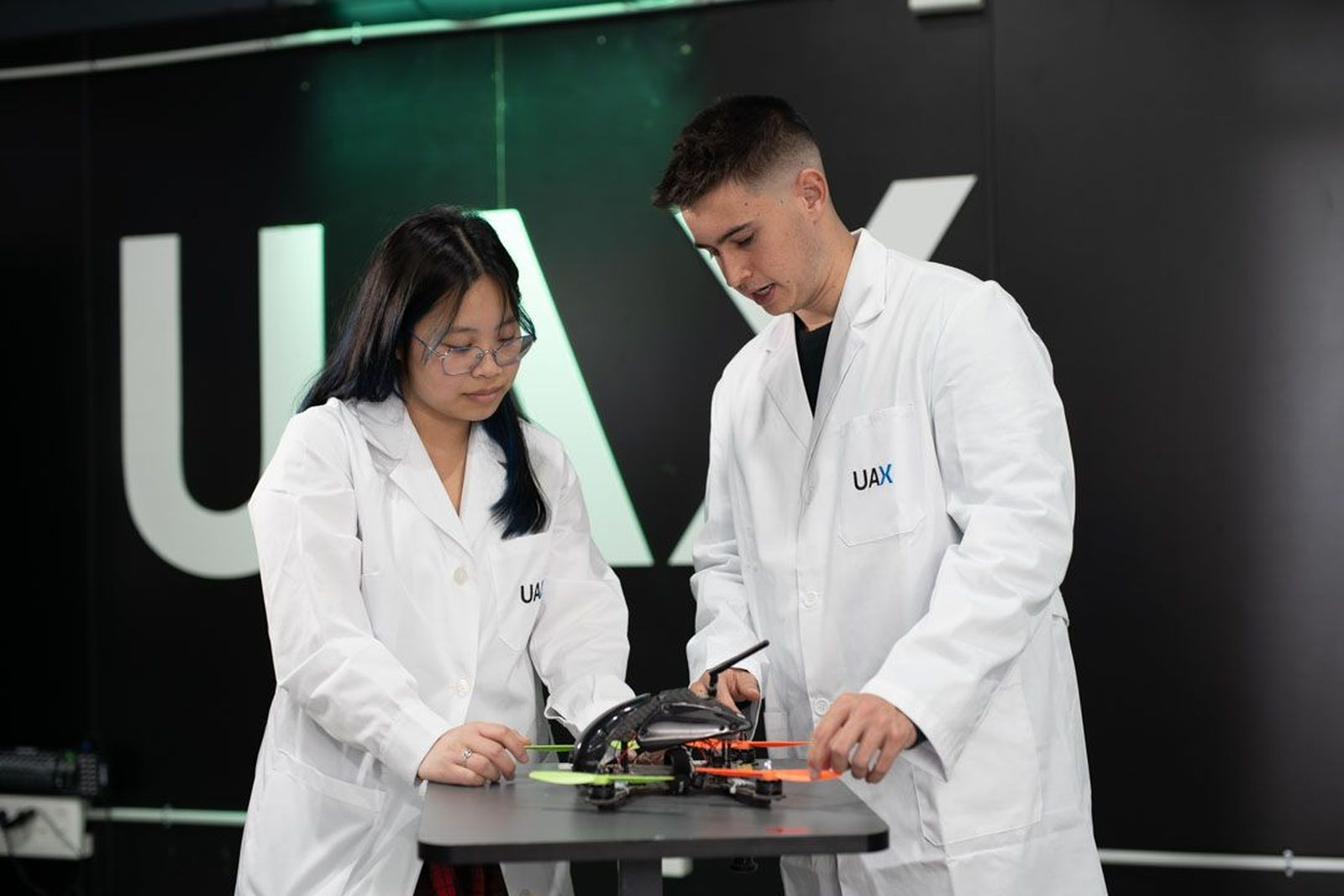
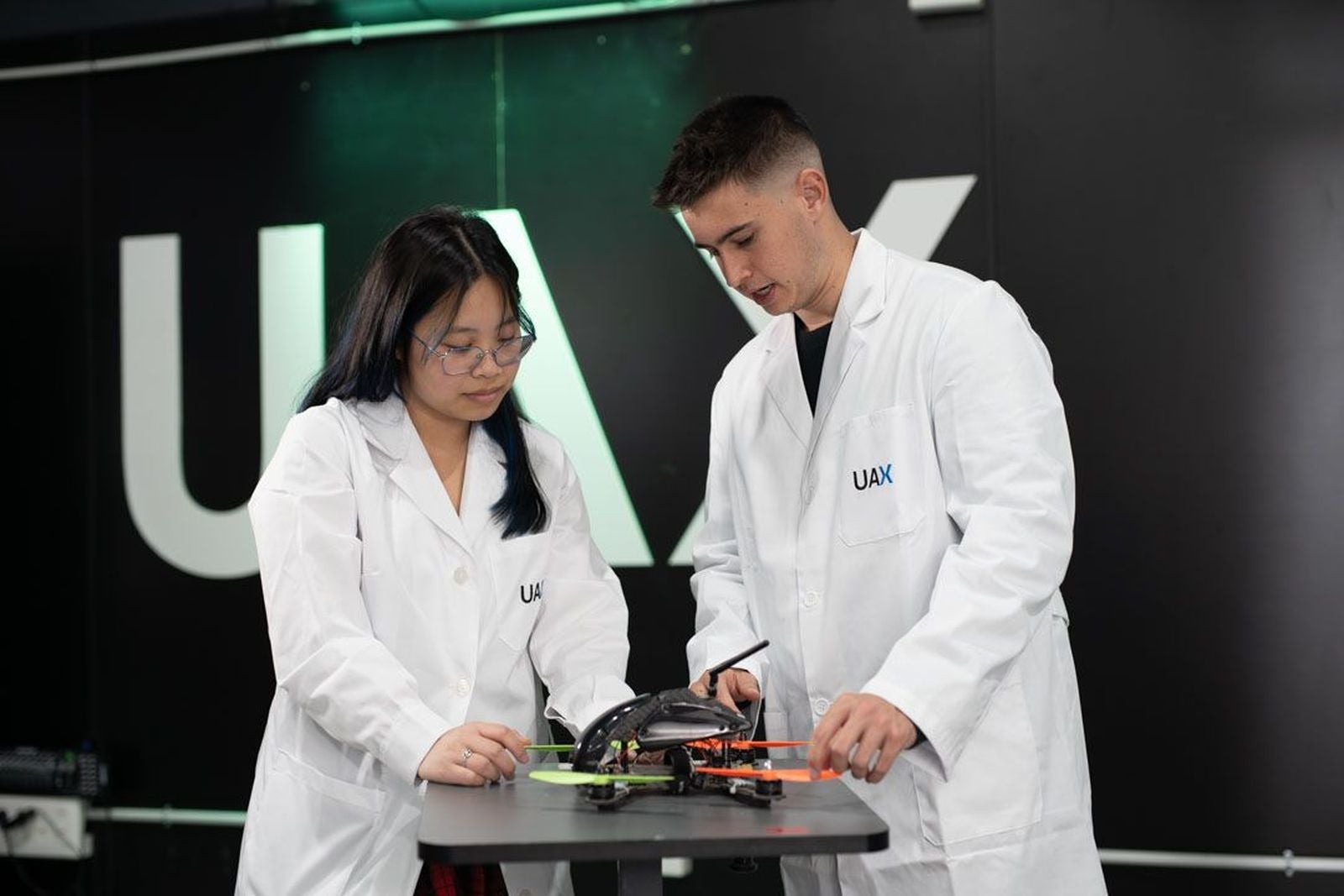
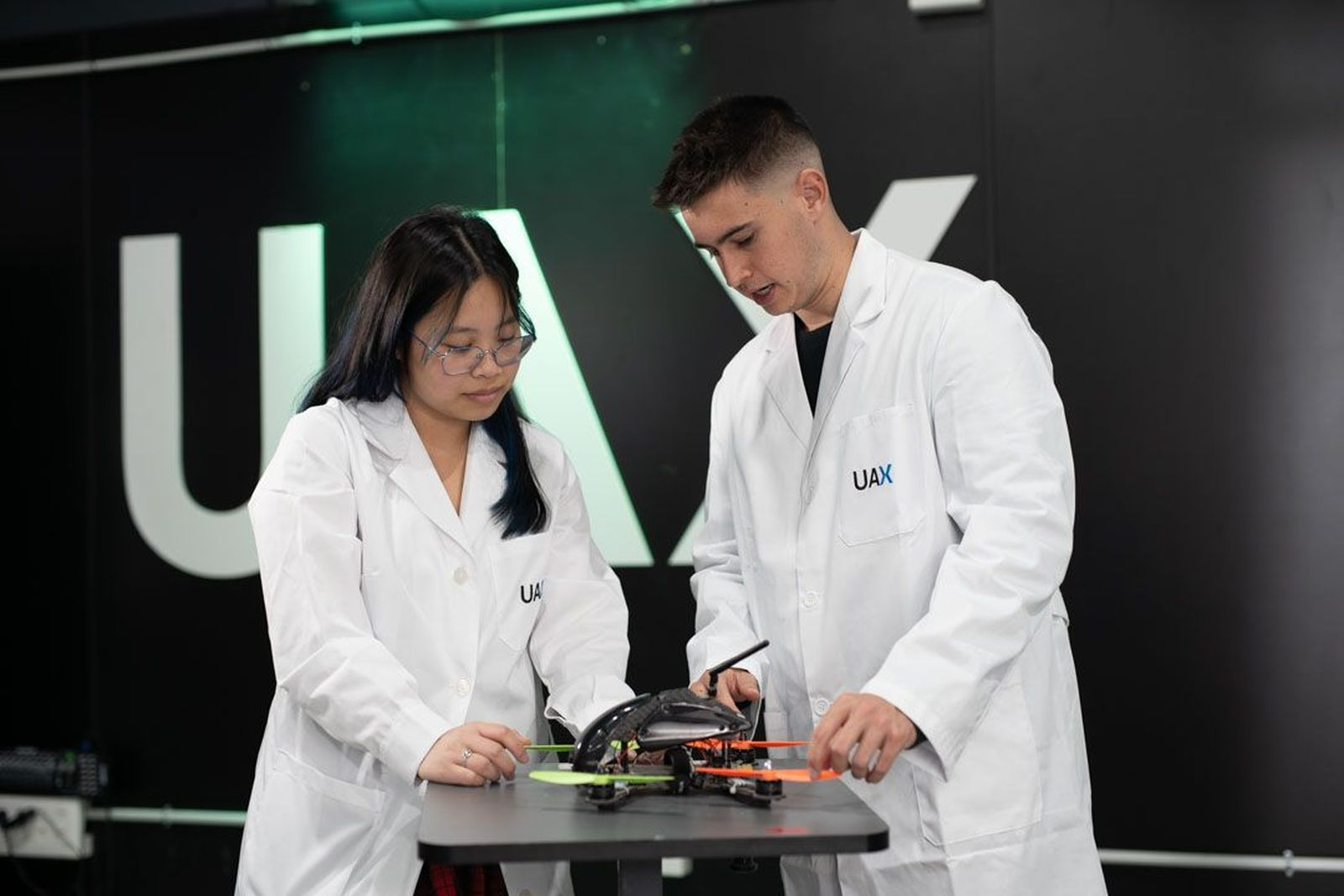
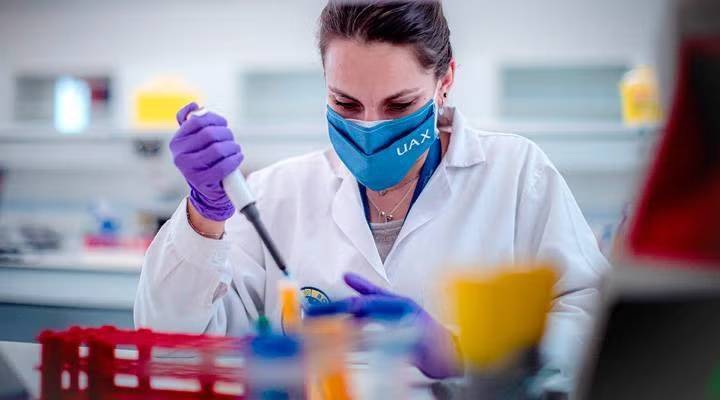
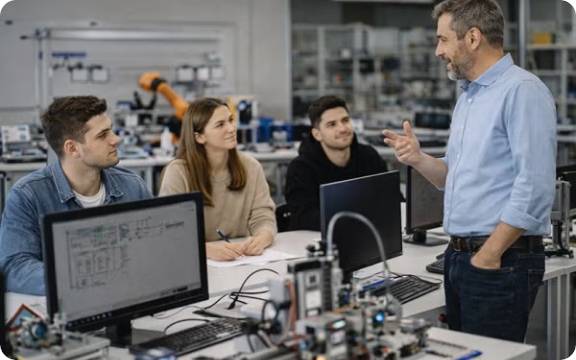
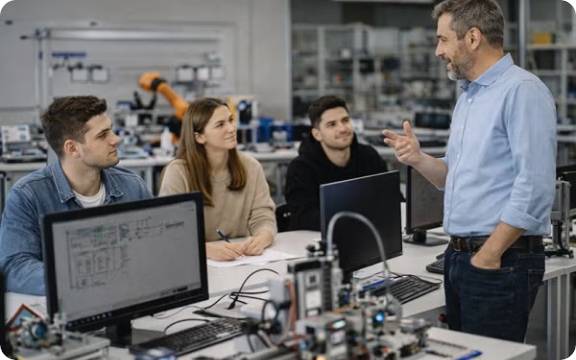
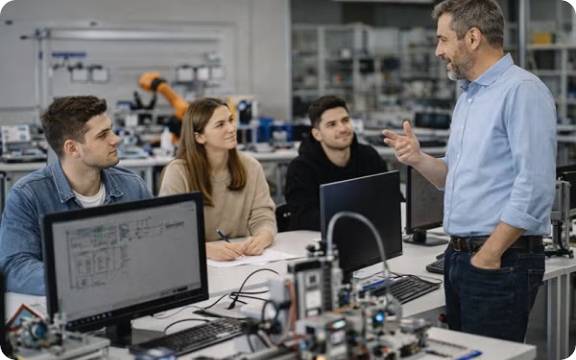
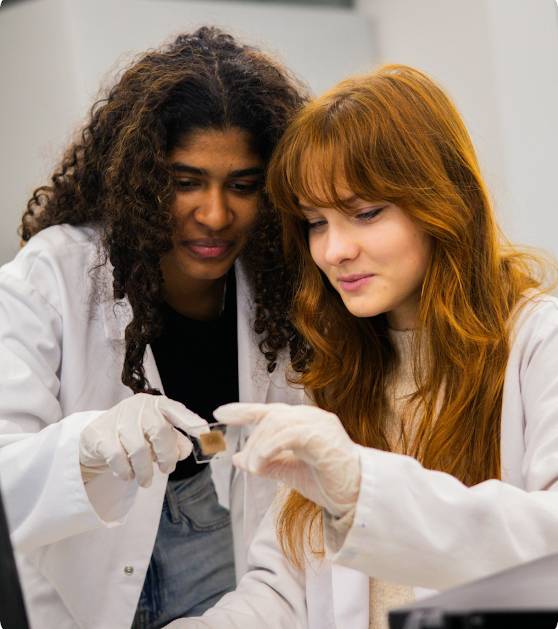
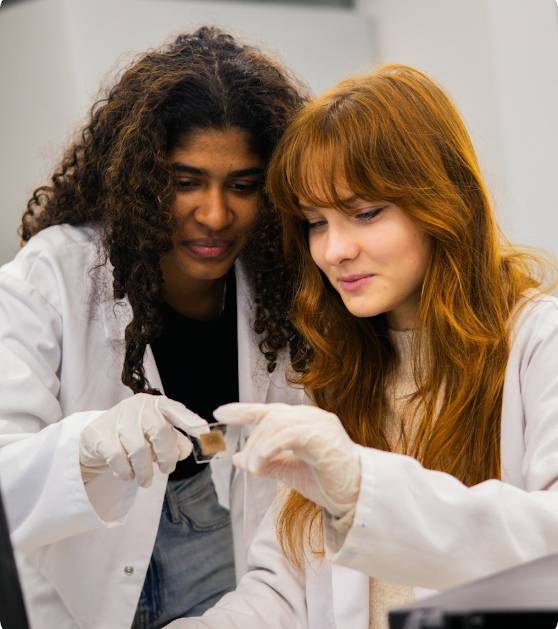
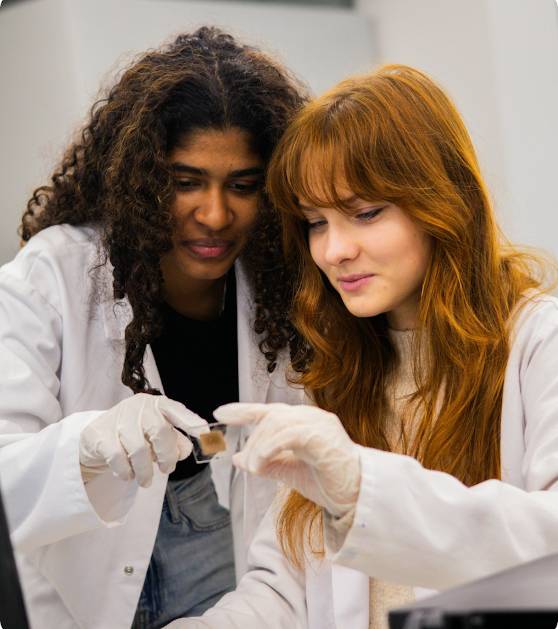
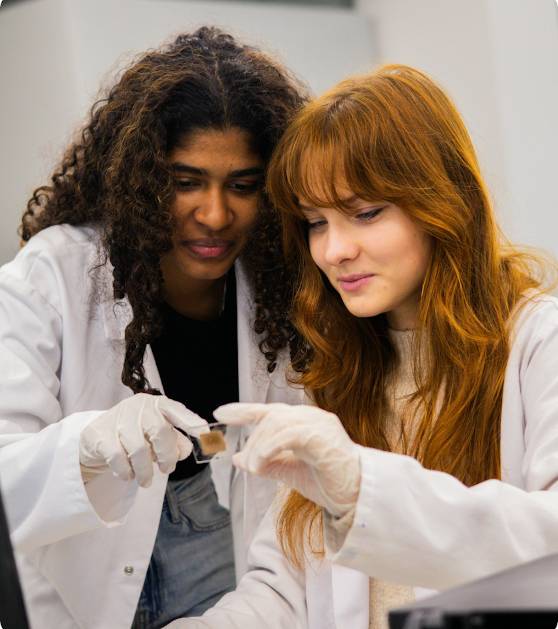
This ‘learning by doing’ approach is supported by an ecosystem of physical laboratories, virtual laboratories and state-of-the-art digital resources. In UAX’s more than 25,000 m² of laboratories and specialised technical spaces, you will be able to apply your theoretical knowledge to situations closely resembling professional practice. The aim is that, before entering the job market, you will already have experienced, simulated and solved challenges in a controlled yet realistic environment.
Among the resources directly linked to the field of industrial engineering, you will have access to:
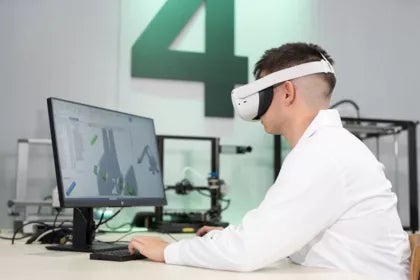
- Virtual Computer Laboratory, providing access to specialised software from anywhere.
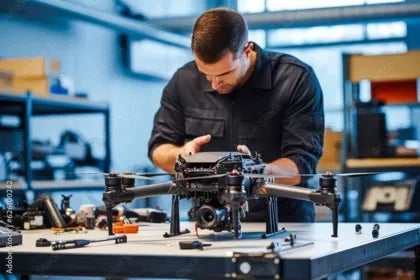
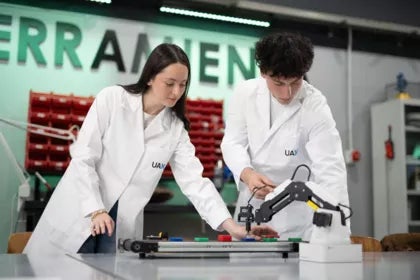
- Additive Manufacturing, Prototyping and Robotics Laboratory / FAB LAB UAX, where you can bring your designs to life.
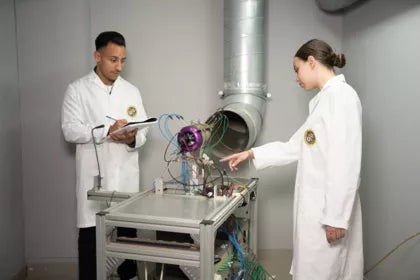
- Engine Laboratory, with an internal combustion engine test bench.
- Installations Laboratory, for practical work with heating and air-conditioning systems.
- Manufacturing and Mechanics Laboratory, equipped with areas for metrology, manufacturing, mechanisms and materials strength.
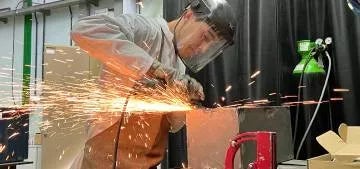
- Materials Laboratory, for welding, casting, heat treatment and materials characterisation processes.
- Fluid Mechanics and Heat Transfer Laboratory, with equipment for practical work on fluids and heat transfer.
- Electrical Engineering Laboratory, with resources for the study of power lines and networks, electronics, automation and robotics.
- Chemical Engineering and Reactors Laboratory, focused on operations and processes in the chemical and industrial sectors.
- Aerodynamics Laboratory, for the study of profiles and structures subjected to airflows.
Work placements
Beyond classroom and laboratory training, the real professional leap forward happens in the workplace. The Master’s in Industrial Engineering at UAX recognises this, which is why it places crucial emphasis on your integration into the workforce through Career Services. This department is your strategic partner – a team dedicated to preparing you for and connecting you with the job market, ensuring that your work placements are not merely a formality, but a high-impact experience that often leads to your first contract as a graduate engineer.
Below, you will see how the knowledge gained in the Master’s modules ties in directly with the opportunities offered by the various sectors:
- Consultancy and Technology: this is where you will put your most strategic vision into practice. Knowledge of Industrial Organisation, Business Administration and Integrated Project Management forms the basis for analysing the processes of major clients, proposing improvements and leading digital transformation projects at giants such as ACCENTURE, Indra, IBM or ALEBAT MANAGEMENT CONSULTING.
- Automotive: the automotive sector is the perfect testing ground for an industrial engineer. You’ll be able to directly apply what you’ve learnt in Manufacturing and Mechanical Technology, and Electronics and Automation Technology to optimise production lines, improve quality and automate processes at leading companies such as BOSCH, Gestamp, Michelin, MAN Truck & Bus Company or PSAG AUTOMÓVILES.
- Energy and Infrastructure: in these companies, your training in Energy Technology, Electrical Technology and Industrial Installations will be your greatest asset. You will be able to take part in the design of power stations, the management of distribution networks or the planning of major projects with companies such as REPSOL, Compañía Logística de Hidrocarburos (CLH), Sacyr or Grupo Urbaser.
- Engineering, Industry and Research: this is the field in which you can apply your most specialised knowledge. From the design of thermal equipment learnt in Thermal and Fluid Engineering, to the application of R&D&I management models at leading centres such as the CSIC, or the development of complex technical projects at leading engineering firms such as SIEMENS, Patentes Talgo, Argos Ingeniería or TECNIBERIA.
Conclusion: become the leader that the industry needs
The curriculum of the UAX Master’s in Industrial Engineering is designed to transform you. Over the course of two years, you will not only acquire the most advanced technical and management knowledge, but you will also develop strategic skills and a holistic vision that will enable you to lead the way in tackling the major challenges facing tomorrow’s industry. If you’re ready to take the leap, this is the programme for you.
Summary
This article provides a detailed guide to the UAX Master’s Degree in Industrial Engineering, breaking down its curriculum for prospective students. It explores the first year in depth, focusing on building a 360° foundation with modules ranging from energy and manufacturing technologies to industrial organisation. It then details the second year, which focuses on specialisation and professional application through project management, R&D&I management, and the crucial external work placements and Master’s Thesis. The post also highlights the university’s practical ‘learning by doing’ approach, supported by over 25,000 m² of state-of-the-art laboratories, and its strong links with leading companies in the sector, preparing students to become the versatile and strategic professionals that the industry demands.
Sources