











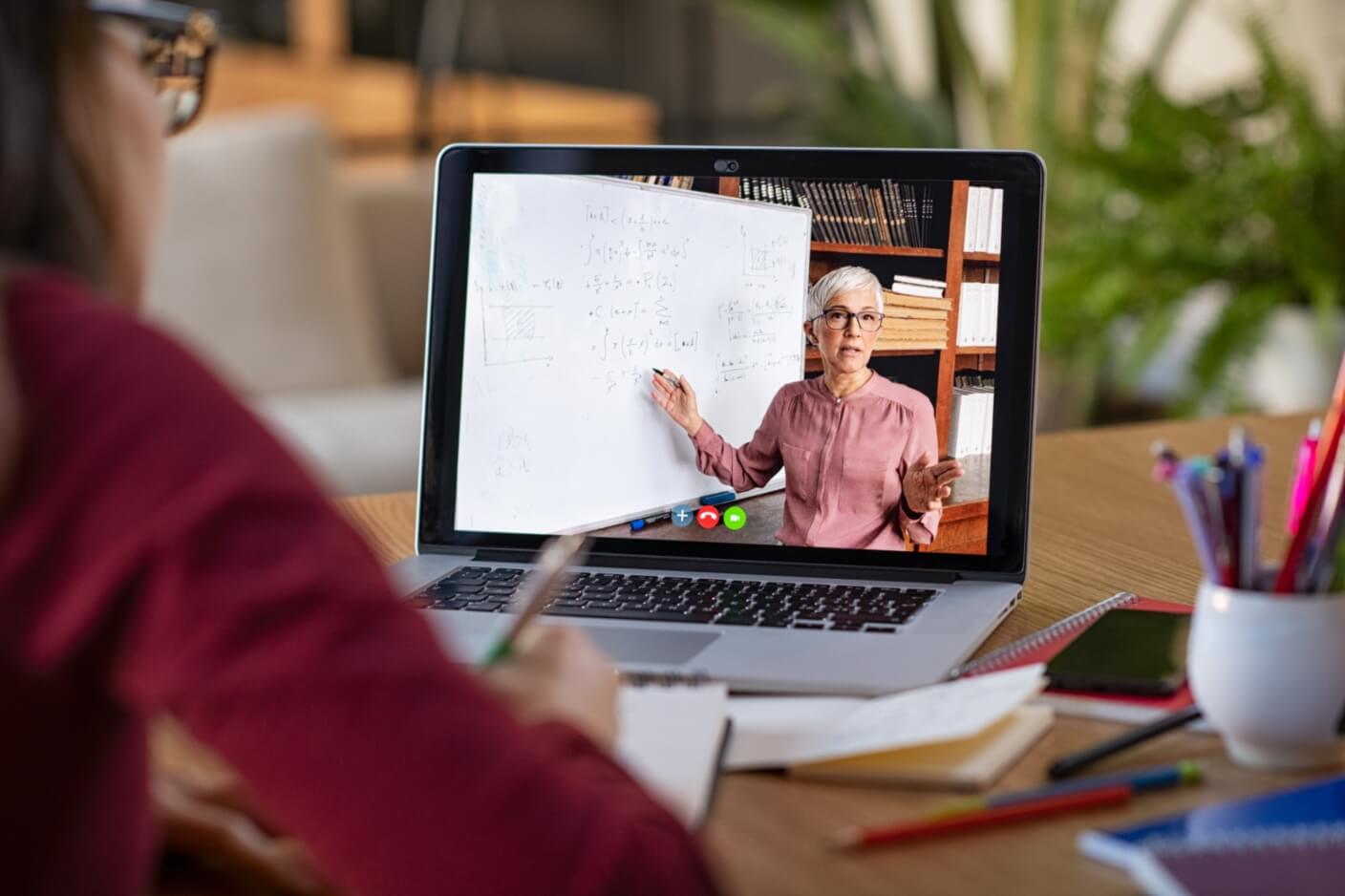
The situation we are currently facing as a result of the COVID-19 crisis has led us into an unprecedented situation that is putting the whole country to the test. Adapting to the ‘new normal’ is no easy task, given that the virus continues to threaten our country due to new outbreaks.
Turning our attention to the education sector, the start of September signals that the beginning of a new academic year – in this case, the 2020/2021 academic year – is just round the corner. But who could have predicted that this year would be set against the backdrop of the situation arising from the coronavirus, which has been spreading across the globe throughout 2020?
With the start of the 2020/21 academic year approaching, schools are racing against the clock to ensure a year in which preventive health measures must be taken to the utmost and the safety of every member of the educational community must be tirelessly safeguarded: pupils, teachers and other school staff.
It is worth noting that the unprecedented experience we have gone through, marked by the closure of classrooms last March, has highlighted the need for educational institutions to be fully adapted to new technologies and to deliver teaching effectively by making use of the advances that technology offers teachers, thereby ensuring an education fully suited to the 21st century.
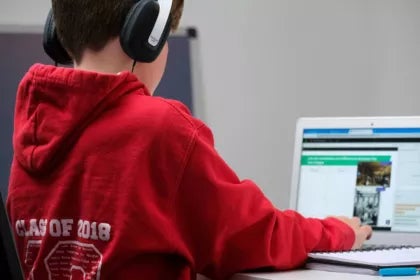
Following the closure of classrooms during the second term of the last academic year, teaching at all educational levels was delivered remotely. This was a real test that every educational institution had to rise to, and it has made it clear that we must be prepared to deliver teaching hours in any format: face-to-face, online or blended learning. Above all, the priority is to ensure quality education and that it never stops.
Uncertainty about this new academic year hangs over schools, teachers, parents and pupils. No one can really say for certain whether the academic year will proceed entirely as normal or whether, on the contrary, we will have to alternate between different teaching models to ensure the academic year runs to completion.
As this unprecedented academic year begins, the autonomous communities are preparing to ensure their schools are ready, following health and safety guidelines so that the academic year proceeds in a way that prioritises everyone’s safety.
Fewer pupils per class, more teachers
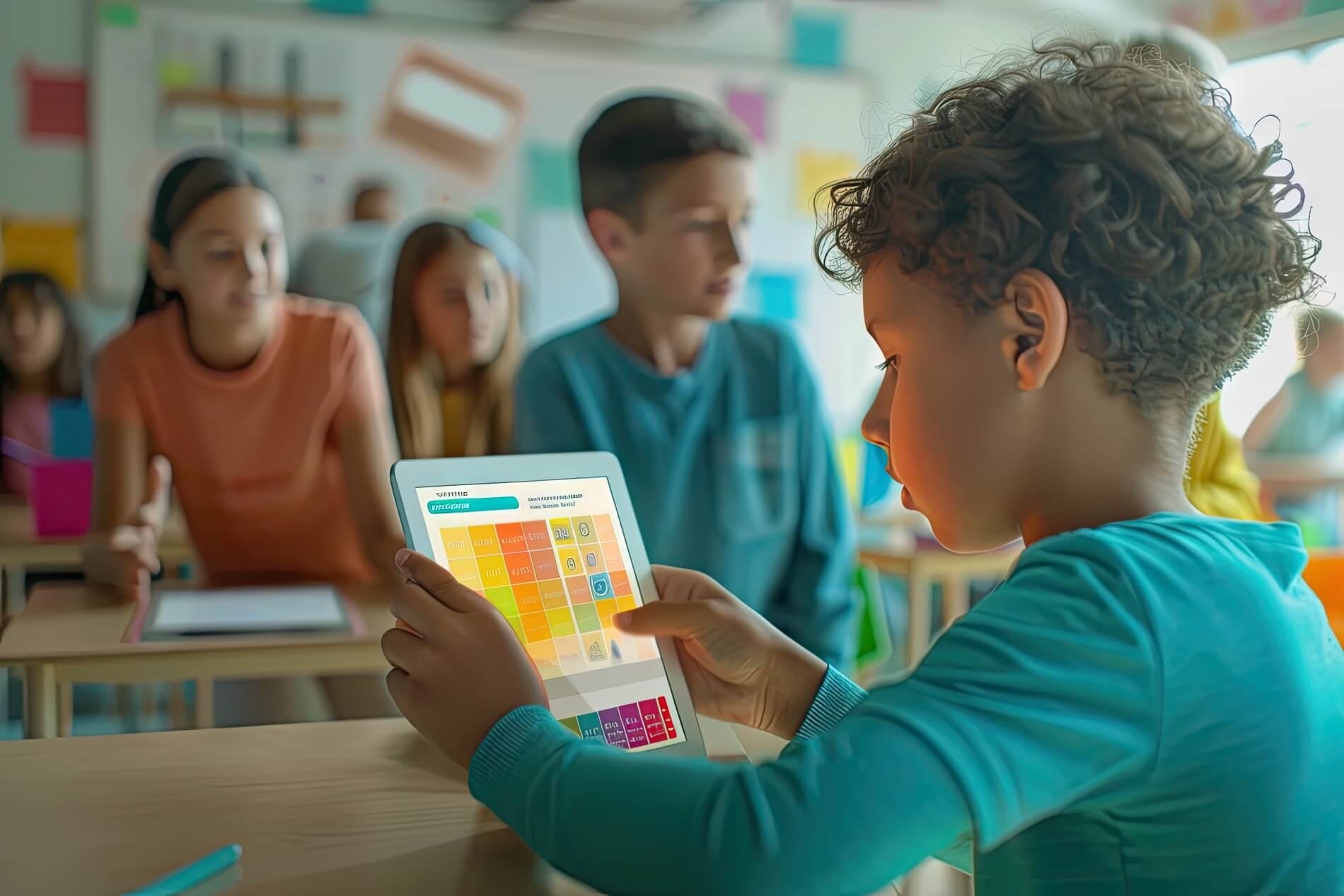
Among the measures being adopted in schools at all educational levels, a key one is the reduction in the current pupil-to-class ratio, to ensure that the recommended safety distance of one and a half metres is always maintained.
Fewer pupils per class means more teachers are needed to deliver lessons. Consequently, according to the newspaper El Confidencial , “the autonomous communities are rushing to recruit 40,000 teachers and teaching assistants to save the academic year”, in what is described as a “race against the clock to create new classrooms and meet pupil-to-class ratios with just 15 days to go before the start of term”. “There has never been such a massive recruitment drive in education,” the newspaper notes.
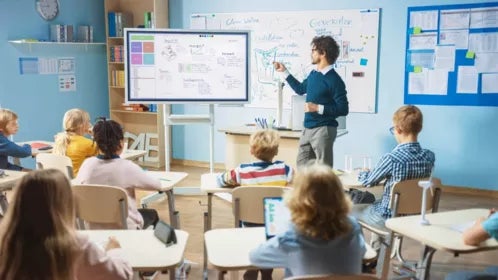
And it is vital that teachers are prepared to deliver lessons using educational technologies, as the purely face-to-face model is not faring well at the moment given the threat posed by the virus. That is why, during the coming academic year, schools will have to demonstrate that they are capable of operating at full capacity in any form of teaching, just as they did during the crucial test they faced in the final stretch of the last academic year.
Mastering educational technologies: a “necessity” for teachers
It is a fact that the education sector increasingly demands professionals who are well-trained in pedagogy and who also possess extensive knowledge of information and communication technologies. The closure of face-to-face classrooms due to COVID-19 has already highlighted this pressing need.
Being a teacher in today’s world means mastering educational technologies. It is therefore necessary to take a qualitative leap forward in training by acquiring the skills needed to master these technologies and apply them innovatively in the classroom, thereby enhancing pupils’ learning.
By undertaking the Master’s Degree in New Technologies Applied to Education , you will gain the necessary training to develop a high level of digital skills that define a teacher as ‘the 21st-century teacher’.
Furthermore, the programme explores the importance of digital transformation within educational institutions. By undertaking this course, you will have the opportunity to learn about the latest technologies in the fields of gamification, educational apps and digital tools, as well as programming and robotics.
Teachers’ digital skills are increasingly taken into account as a key factor in delivering high-quality teaching in any scenario that may arise during a health crisis.
By studying this Master’s programme, you will also obtain a Diploma in Educational Neurotechnology, thereby complementing your training by combining brain science and technology. How does the brain respond to technology, and how does technology aid the learning process? Don’t wait any longer – embark on a comprehensive training programme that is essential for 21st-century teaching professionals.