



















Table of Contents
What is the Bachelor’s Degree in Primary Education?
What careers are open to you with this online degree?
Career opportunities in state education: the competitive examinations for teaching posts
Career opportunities in private and state-subsidised schools
Beyond the classroom: training, social services and family support
Specialisation and continuing professional development: expand your career
What is the Bachelor’s Degree in Primary Education?
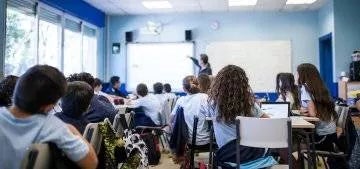
The Bachelor’s Degree in Primary Education is an official degree that qualifies you to work as a teacher in the educational stage covering children aged 6 to 12. During the course, you will acquire pedagogical, psychological and didactic knowledge that will prepare you to tackle the challenges of the classroom with sound judgement and professionalism.
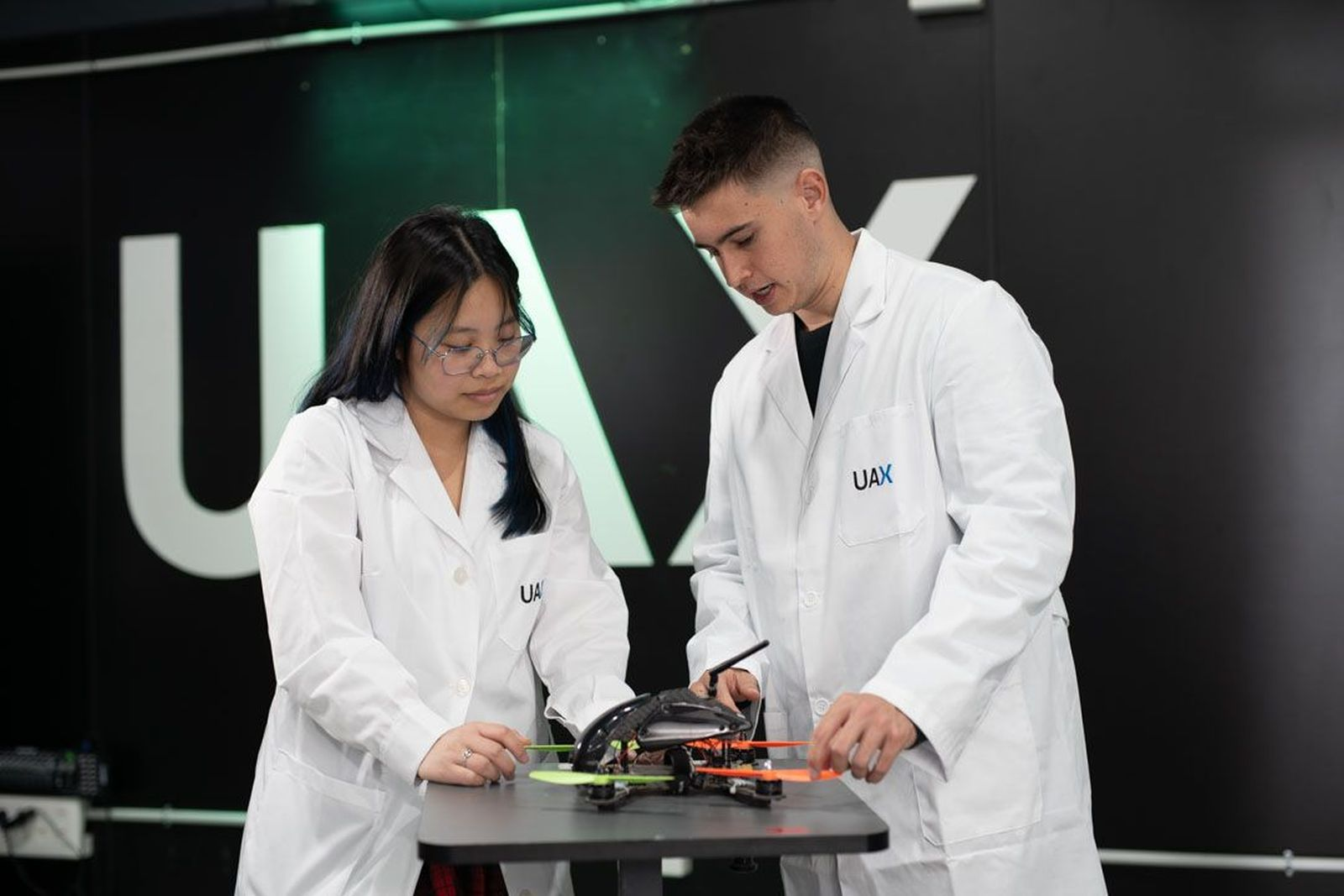
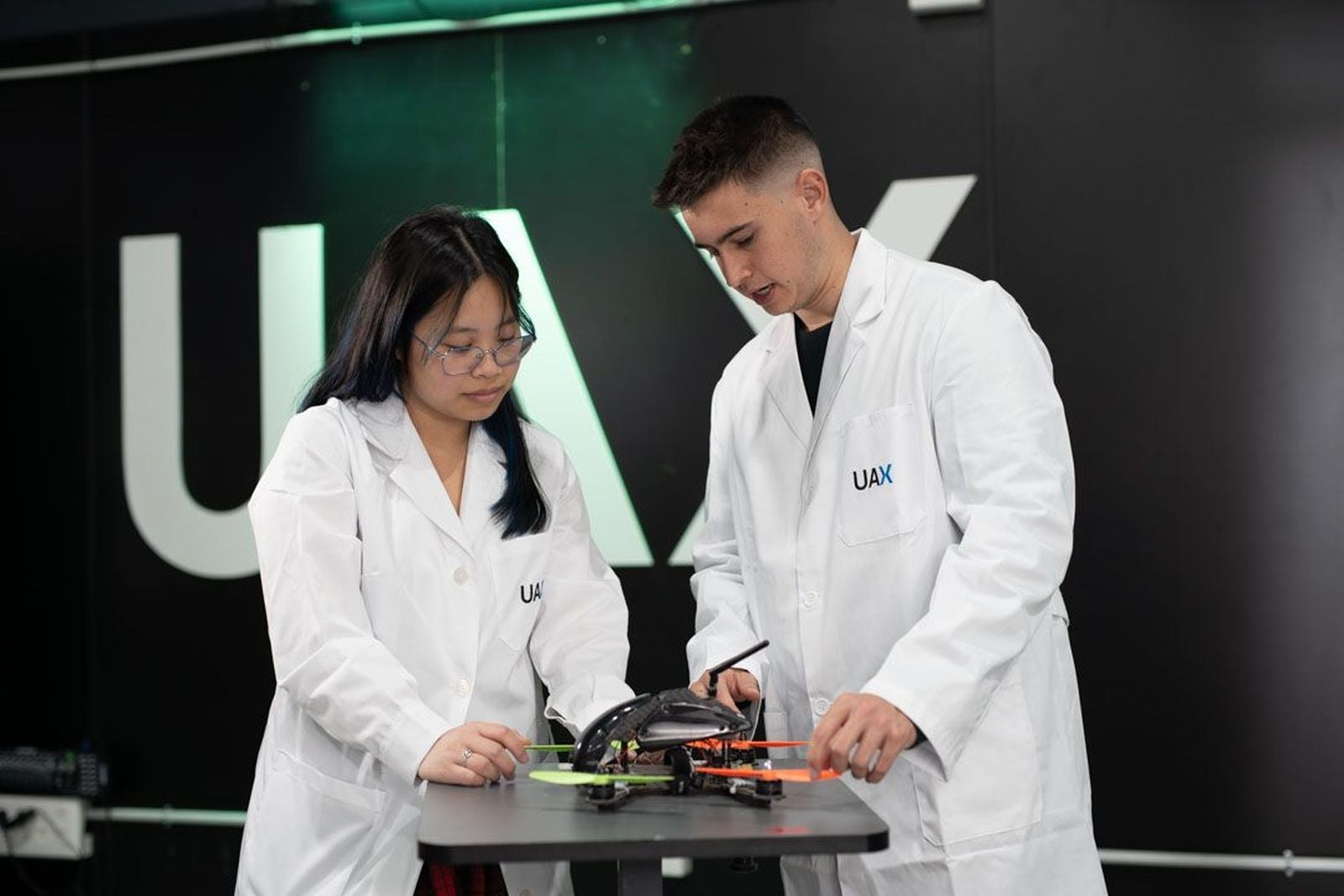
At UAX, you can study this degree entirely online , allowing you to balance your studies with other personal or work commitments without compromising on the quality of your education.
The degree is designed to offer you a comprehensive, flexible education that is aligned with the real demands of the education system.
Furthermore, you’ll learn from lecturers with classroom experience, have access to high-quality digital resources and undertake work placements that prepare you for professional practice from day one. If you’d like to find out more about each subject in detail, take a look at our comprehensive guide to the modules on the degree programme.
What career opportunities does this online degree open up?
Once you have completed this online degree, you will be able to sit the competitive examinations to work in state schools or apply for a post in the private education sector. In either case, your training will open doors to a range of educational and social fields.
Among the main career opportunities in primary education offered by this degree are:
| Field | Examples of career opportunities |
|---|---|
| Teaching in schools | Teacher in state, private and state-subsidised private schools |
| Education in special settings | Hospital classrooms, youth centres, prisons |
| Specialist roles | Teachers of English, Physical Education, Speech and Language Therapy, and Physiotherapy |
| Non-formal education | Training organisations, EdTech platforms, curriculum design |
| Social sector | Public bodies, NGOs, family support projects |
| Leadership and management | Head of studies, secretary, headteacher |
| Research and academia | PhD, university teaching, educational research |
Career opportunities in state education: competitive examinations for teaching posts
One of the most established career paths for primary school teachers is entry into the civil service as a teacher. Upon obtaining a Bachelor’s degree in Primary Education, you can sit the competitive examinations for teaching posts organised by the various Autonomous Communities in Spain.
Once you have passed the exams, you will work as a teacher in state schools, enjoying the benefits of public sector employment: job security, regulated working hours and opportunities for career progression within the teaching profession.
Depending on the specialisation you studied during your degree, you can broaden the range of posts you are eligible for and increase your chances of success in the selection process. Specialisations in Remedial Education, Hearing and Speech, or Foreign Languages, for example, give you access to roles with their own specific recruitment rounds and, in many cases, with less competition.
Career opportunities in private and state-subsidised private schools
Career opportunities in primary education are not limited to the public sector. Private and state-subsidised schools represent a very significant part of the Spanish education system and offer numerous job opportunities for graduates with a degree in primary education.
Unlike in the state education sector, entry is not via a competitive examination. Private and state-subsidised schools conduct their own selection processes, based on interviews, academic records and, increasingly, on complementary skills: language proficiency, knowledge of innovative teaching methods, digital skills or experience with pupils with special educational needs.
Working in these schools can offer greater methodological flexibility than in the public sector and the chance to enter the job market more quickly. Many educational projects at private and state-subsidised schools are at the forefront of pedagogical innovation, which can be very stimulating if you are looking for a dynamic environment right from the start of your career.
It is also possible to work in non-traditional educational settings within this sector: hospital classrooms, adult education centres, educational programmes in prisons, or schooling projects in vulnerable communities. These are demanding environments, but they offer significant personal and professional fulfilment.
Beyond the classroom: training, social services and family support
One of the great strengths of primary teaching qualifications is their cross-disciplinary nature. The degree not only prepares you to work within a classroom, but also opens doors to broader contexts:
Training companies and educational platforms
Private training companies and digital learning platforms are increasingly in need of candidates with a background in education to design and deliver educational programmes for different groups: children, families, employees or people undergoing reintegration.
With the rise of e-learning, the demand for digital educational content designers has grown significantly. EdTech companies, online academies and corporate training platforms are looking for professionals who not only understand technology but also understand how people learn. This is where your training as a teacher brings added value.
Public bodies and social services
You can collaborate with public bodies on educational intervention and community support projects: programmes to promote academic success, community centres, out-of-school activities in vulnerable neighbourhoods, or environmental education initiatives. You can also work with NGOs and third-sector foundations that support children, young people or families at risk of social exclusion.
In these contexts, your pedagogical background complements the work of other professionals such as social workers, psychologists or social educators. Interdisciplinary collaboration is the norm, and having an educational perspective on child development makes you a key member of the team.
Family support projects
Family support projects are another career path with growing demand. In these programmes, the aim is to guide families in their engagement with the education system and to support children’s holistic development within the home environment.
You will work with families in a variety of situations: difficulties with school attendance, language barriers, situations of vulnerability, or simply families seeking guidance on how best to support their children’s learning. It is work with a high social impact and is deeply rewarding on a personal level.
Specialisation and continuing professional development: expand your career
The online Bachelor’s degree in Primary Education is the starting point for a career with a wealth of possibilities. After graduating, you can continue your training to access new opportunities:
- a Master’s in Teacher Training, to extend your teaching qualification to Secondary Education and Sixth Form, which significantly increases the number of posts you can apply for in competitive examinations.
- Master’s degrees in Inclusive Education or Educational Technology, which are highly valued in today’s job market and on the recruitment pools of education authorities.
- School Leadership and Management , if you are interested in taking on leadership roles within schools.
- PhD in Educational Sciences, focused on research and university teaching. A long journey, but one that brings great academic and professional recognition.
- Continuing professional development is an investment in your future and ensures you can adapt to an ever-changing education sector.
Why is there a demand for primary school teachers?
The teaching job market in Spain maintains a sustained demand for qualified teachers. Every year, the Autonomous Communities advertise thousands of vacancies to fill posts in state education, making a career in primary teaching one of the most stable professional options within the education sector. For example, this year the Regional Government of Andalusia has approved a public sector teaching recruitment drive for 2026 comprising 3,720 posts across 71 different specialisms, of which 806 are for primary school teachers. The Community of Madrid , for its part, is offering a further 685 posts across a similar range of specialisms.
Added to this is the growth of the private and state-subsidised private school systems, as well as the proliferation of new digital learning environments and socio-educational projects that require professionals with a solid background in pedagogy.
Furthermore, today’s society demands teachers capable of adapting to new challenges: educational inclusion , diversity in the classroom, the integration of technology and support for pupils with specific needs are everyday realities that require well-trained professionals.
In short, studying Primary Education is not only a calling, but also a wise career choice. If you want to know what to expect financially, read our article on how much a primary school teacher earns.
The role of a primary school teacher is, now more than ever, a much-needed, highly valued profession with a bright future.
Summary
Career prospects in primary education are wide-ranging, diverse and in genuine demand in the labour market. From entering the civil service as a teacher via competitive examinations, to working in private schools, training organisations, public bodies or family support schemes, this degree opens the door to a much wider range of career opportunities than many realise.
Career prospects for primary school teachers are not limited to the classroom. Specialisation in roles such as educational therapist, speech and language therapist or bilingual teacher further broadens your options, whilst continuous professional development allows you to keep growing throughout your career.
Sources consulted
- Decree 22/2026 of 11 February of the Regional Government of Andalusia, approving the public sector teaching vacancies for 2026. Official Gazette of the Regional Government of Andalusia (BOJA), 16 February 2026.
- Resolution of the Community of Madrid announcing selection procedures for entry into the Teaching Service. Official Gazette of the Community of Madrid (BOCM), 12 February 2026.
- Organic Law 3/2020 of 29 December (LOMLOE).
- Royal Decree 276/2007, of 23 February, approving the Regulations on entry, promotion and the acquisition of new specialisms within the teaching corps. Official State Gazette (BOE).