


















The world of veterinary medicine is vast and encompasses a wide range of specialist areas. This allows professionals in this sector to train in different branches.
Veterinary specialisms
Veterinary medicine offers a variety of specialisms to meet the health and welfare needs of different types of animals.
Surgery
Veterinary surgery is the specialism responsible for performing surgical procedures on animals to diagnose, treat or prevent diseases, injuries or disorders. Veterinary surgeons are trained to carry out a wide range of procedures, from routine surgeries to complex and delicate operations.
- Spaying and neutering: Spaying and neutering are common surgical procedures carried out on animals to prevent unwanted reproduction and promote their general health and wellbeing. These procedures can be performed on domestic animals such as dogs and cats, as well as on farm animals and exotic animals.
- Soft-tissue surgery: This category includes a wide variety of surgical procedures that address problems in organs and soft tissues, such as the removal of tumours, wound repair, the correction of congenital abnormalities and the removal of foreign bodies.
- Orthopaedic surgery: Orthopaedic surgery focuses on the diagnosis and treatment of musculoskeletal injuries and diseases in animals. This may include procedures such as fracture repair, stabilisation of injured joints and correction of bone deformities.
- Emergency surgery: Veterinary surgeons are also trained to perform emergency procedures in cases of severe trauma, intestinal obstructions, gastric torsion and other life-threatening conditions.
- Ophthalmic surgery: This speciality focuses on the diagnosis and treatment of eye problems in animals, such as cataracts, glaucoma, corneal injuries and eye tumours.
Dermatology
Veterinary dermatology is the branch dedicated to the study, diagnosis and treatment of diseases of the skin, coat and nails in animals. Dermatologists are trained to identify a wide range of skin disorders, from fungal and bacterial infections to allergies, autoimmune diseases and skin cancer.
- Skin examinations and diagnosis: Veterinary dermatologists carry out thorough examinations of the skin, coat and nails to assess the animals’ skin health. They use advanced diagnostic techniques, such as skin scrapings, cytology, biopsies and allergy tests, to identify the underlying cause of dermatological problems.
- Treatment of skin infections: Dermatologists treat a variety of skin infections, including bacterial, fungal and parasitic infections. This may involve prescribing topical or systemic medications, such as antibiotics, antifungals or antiparasitic drugs, depending on the nature and severity of the infection.
- Management of allergies: Skin allergies are common in animals and can be triggered by a variety of allergens, including food, house dust mites, pollen and chemicals. Veterinary dermatologists carry out allergy tests and develop personalised management plans which may include dietary changes, antihistamines or immunotherapy.
- Treatment of autoimmune diseases: Autoimmune skin diseases, such as systemic lupus erythematosus and pemphigus, can be difficult to manage and require a specialised approach. Dermatologists work closely with other specialists to develop treatment plans that help control symptoms and improve the animal’s quality of life.
- Dermatological surgery: In cases of skin tumours, sebaceous cysts, abscesses or other conditions requiring surgical intervention, dermatologists can perform surgical procedures to remove skin lesions and promote healing.
Oncology
Veterinary oncology is the branch dedicated to the study, diagnosis and treatment of cancer in animals. Veterinary oncologists are trained to identify a wide variety of tumours and neoplasms in domestic, exotic and farm animals, and to develop personalised treatment plans for each animal.
- Cancer diagnosis: Veterinary oncologists use a variety of diagnostic techniques, such as biopsies, cytology, blood tests and imaging tests (X-rays, ultrasounds, MRI scans, CT scans), to confirm the presence of cancer in animals and determine the nature and extent of the disease.
- Oncological surgery: In some cases, surgical removal of the tumour is the first step in treating cancer in animals. Oncologists are trained to perform a wide range of surgical procedures, from the removal of superficial tumours to more complex surgeries to treat internal tumours.
- Chemotherapy: Chemotherapy is a common treatment for many types of cancer in animals. It involves the administration of chemotherapeutic drugs that help to destroy cancer cells or inhibit their growth and spread throughout the body.
- Radiotherapy: Radiotherapy uses ionising radiation to damage the DNA of cancer cells and prevent them from dividing and multiplying. It is an effective treatment for some types of cancer, particularly when the tumour is localised and cannot be removed surgically.
- Immunotherapy: Immunotherapy is an innovative form of treatment that utilises the animal’s immune system to fight cancer. It involves administering drugs that stimulate the immune response and help to recognise and destroy cancer cells.
Physiotherapy
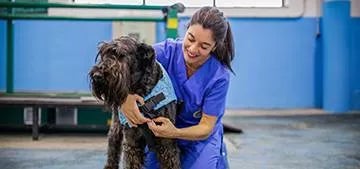
Veterinary physiotherapy is a discipline that focuses on the diagnosis, treatment and prevention of musculoskeletal disorders in animals. Veterinary physiotherapists are trained to assess animals’ physical function and mobility, identify musculoskeletal problems and design individualised treatment plans to promote their recovery.
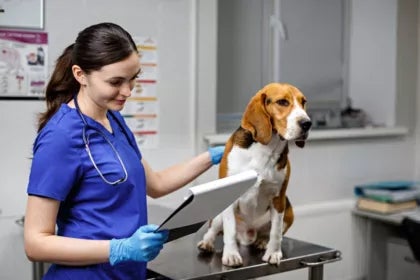
- Assessment and diagnosis: Veterinary physiotherapists carry out comprehensive assessments of animals’ physical function and mobility, using tests of range of motion, muscle strength, flexibility and coordination to identify problem areas and determine the extent of the injury or illness.
- Manual therapy: Manual therapy involves a variety of physical manipulation techniques, such as massage, stretching or joint mobilisation, which help to reduce pain, improve blood circulation and restore the animal’s muscle and joint function.
- Therapeutic exercise: Physiotherapists design individualised exercise programmes tailored to the specific needs of each animal. These programmes may include strengthening, stretching, balance and coordination exercises to improve muscle function, joint stability and mobility.
- Physical modalities: Physical modalities are therapeutic techniques that use physical agents, such as heat, cold, electrotherapy, ultrasound and laser, to relieve pain, reduce inflammation and promote the healing of affected tissues.
- Hydrotherapy: Hydrotherapy is a form of physiotherapy carried out in water. It utilises resistance and buoyancy to help strengthen muscles, improve mobility and facilitate rehabilitation following an injury or surgery.
Cardiology
Cardiology is the branch of veterinary medicine dedicated to the study, diagnosis and treatment of diseases of the heart and blood vessels in animals. Veterinary cardiologists are trained to identify a wide range of cardiovascular disorders, from congenital and valvular diseases to myocardial diseases and cardiac rhythm disorders.
- Echocardiography: Echocardiography is a diagnostic imaging tool that uses ultrasound to assess the structure and function of the heart and the large blood vessels. Veterinary cardiologists perform echocardiograms to detect cardiac abnormalities, assess cardiac function and guide treatment.
- Electrocardiography: Electrocardiography records the heart’s electrical activity and is used to diagnose cardiac disorders. Veterinary cardiologists interpret electrocardiograms to identify arrhythmias, heart blocks and other heart disorders.
- Holter monitoring: Holter monitoring is a technique that records the heart’s electrical activity over an extended period, usually 24 to 48 hours. It is used to detect intermittent cardiac arrhythmias and to assess the effectiveness of treatment in animals with heart rhythm disorders.
- Chest X-ray: A chest X-ray is used to assess the size and shape of the heart, as well as to detect signs of congestive heart failure, fluid in the lungs and other chest abnormalities that may indicate cardiovascular problems.
- Medical treatment: Veterinary cardiologists develop personalised treatment plans which may include medication to improve heart function, reduce the heart’s workload, control blood pressure and prevent the formation of blood clots.
Pharmacology
Veterinary pharmacology is the branch concerned with the study of medicines used in the treatment and prevention of diseases in animals. Veterinary pharmacologists are trained to assess the efficacy and safety of medicines in different animal species, as well as to develop dosing guidelines and treatment protocols tailored to the individual needs of each animal.
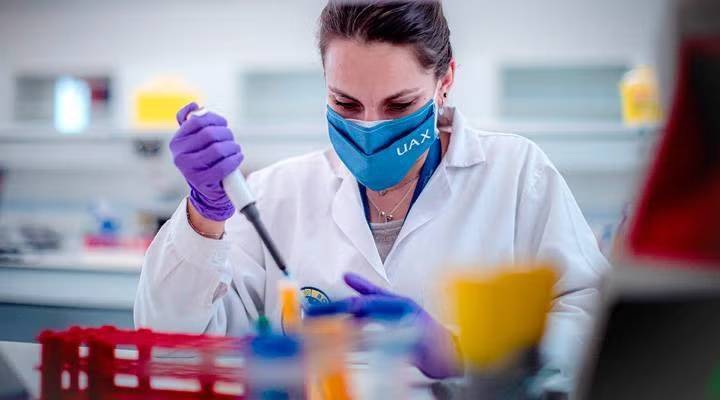
- Drug development: Pharmacologists are involved in the development and evaluation of new medicines intended for veterinary use. This may involve conducting pre-clinical and clinical trials to determine the efficacy and safety of new compounds in animals.
- Prescription and administration of medicines: Veterinary pharmacologists are qualified to prescribe and administer a wide variety of medicines to treat and prevent diseases in animals. This may include oral, injectable and topical medicines, as well as others specifically formulated for use in different species.
- Monitoring of side effects: Pharmacologists closely monitor animals receiving drug treatment to detect and manage any potential side effects. This may involve carrying out regular laboratory tests and clinical assessments to ensure the safety and efficacy of the treatment.
- Education and advice: These specialists provide education and advice to animal owners and fellow vets on the appropriate use of medicines. This includes dosage, administration and potential side effects. They may also be involved in research and outreach activities to promote the responsible use of medicines in animals.
Why is it important to specialise?
Studying for a degree in veterinary medicine , or becoming a veterinary assistant , are the first steps on the path to a successful career in animal care.
However, specialising in veterinary medicine not only involves acquiring additional knowledge in a specific area, but also brings a number of significant professional and career benefits.
Professional distinction
In an increasingly competitive job market, specialisation sets you apart as an expert in your field. Employers value specialist knowledge, which will help you stand out from other candidates, increasing your chances of being hired.
Access to better-paid jobs
By specialising, you open the door to a variety of career opportunities. Whether in the field of veterinary surgery, dermatology, cardiology or any other specialism, having specialist training will allow you to access more specific and better-paid roles.
Higher demand for specialists
Vets specialising in high-demand areas, such as veterinary ophthalmology or emergency and intensive care medicine, tend to be in greater demand. The shortage of qualified professionals in certain specialisms creates employment opportunities and allows professionals to choose from a range of job offers.
Contribution to the advancement of the profession
By specialising in a particular area of veterinary medicine, you contribute to the advancement of the profession as a whole. Your specialist expertise and knowledge help to improve standards of veterinary care and drive research and innovation within the field.
Continuing professional development
Professional development in veterinary medicine does not end with the award of a degree or certificate. Rather, it is an ongoing journey of learning and growth that enables you to keep abreast of advances in your field and provide the best possible care for animals.
Which roles are in highest demand?
Currently, roles offering specialist knowledge in animal care are in high demand in the job market. These specialisms address a wide range of animal health and welfare needs, improving their quality of life.
- Veterinary dentistry: This specialism has seen significant advances and focuses on improving the oral health of a variety of animals, including pets, exotic animals and equines.
- Veterinary dermatology: One of the most prominent areas is dermatology, which is particularly relevant for small animal species that have a high incidence of cases.
- Veterinary ophthalmology: As the prevalence of eye problems in animals increases, the demand for ophthalmology specialists is growing.
- Veterinary physiotherapy: Highly sought after by owners of horses and other animals. It treats the after-effects of injuries, congenital malformations and age-related problems.
- Veterinary oncology: With growing awareness of pet welfare, the demand for cancer treatments in animals is on the rise.
- Veterinary cardiology: With the emergence of dog breeds resulting from cross-breeding experiments, there has been an increase in heart disease in animals. It is currently one of the most in-demand branches of veterinary medicine.