






















Find out about all the career paths in veterinary medicine and what to do after completing your degree
Embarking on a degree in veterinary science is an exciting journey towards understanding and caring for animals. However, once you have completed your studies, it is crucial to explore the various career paths this field offers. Find out below about all the possibilities and what you can do after obtaining your veterinary degree.
Career paths in veterinary medicine
After graduating as a vet, you’ll find yourself faced with a range of career options that go beyond traditional veterinary practices. Here, we’ll explore some of the most notable career paths in detail:
Veterinary clinics and hospitals
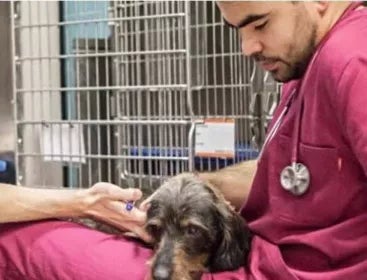
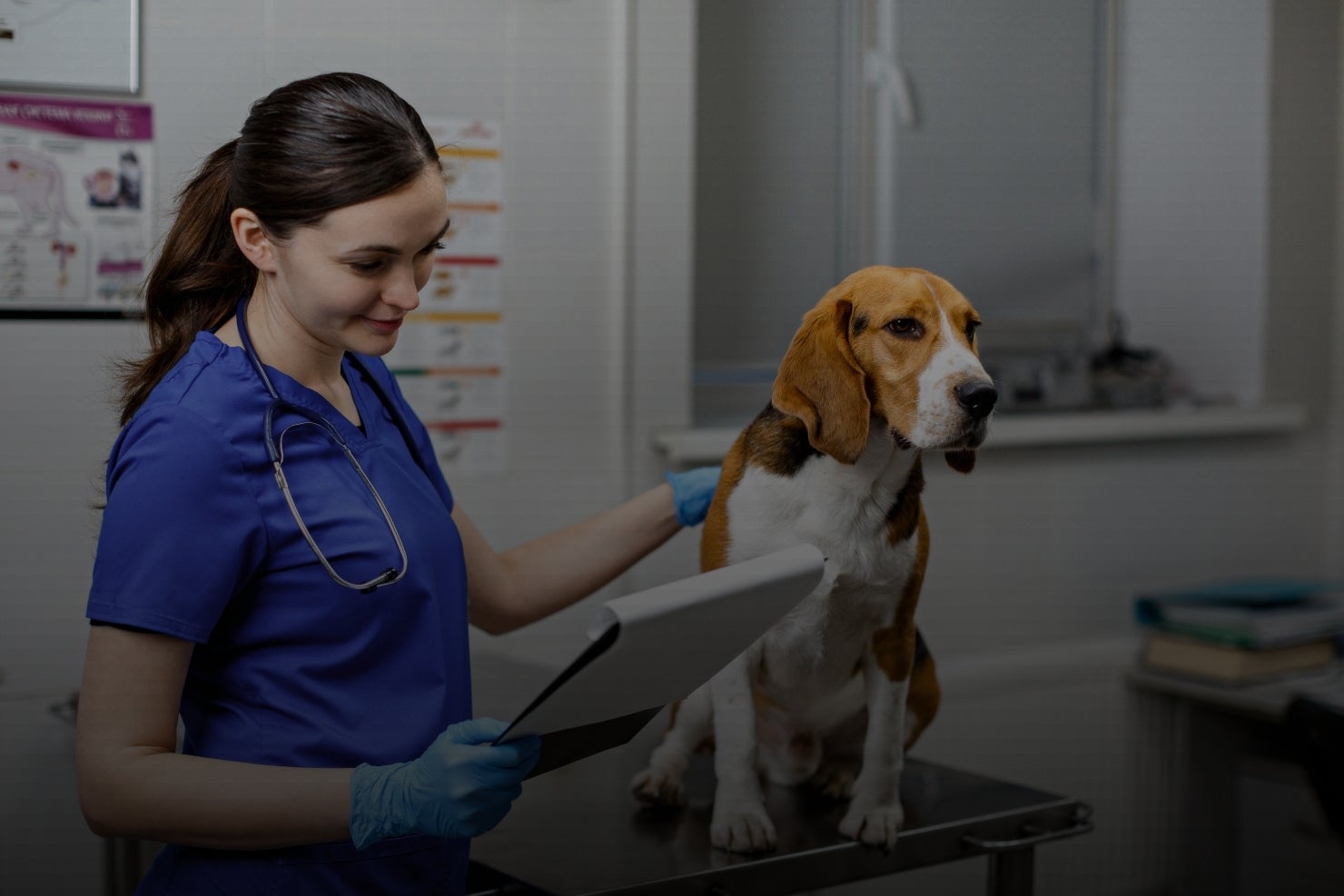
Private practice is a common choice for veterinary graduates. Working in veterinary clinics and hospitals gives you the opportunity to interact directly with pet owners, diagnose illnesses, perform surgery and provide intensive care. Furthermore, you could specialise in areas such as veterinary dentistry, ophthalmology or internal medicine, thereby broadening your skills and providing specialist solutions.
Veterinary research
Those with an interest in research may opt for careers in academic institutions, laboratories or pharmaceutical companies. Veterinary research contributes to the advancement of knowledge in veterinary medicine, the development of new treatments and the improvement of animal health. You could work on innovative projects, ranging from genetics applied to animal reproduction to the development of advanced therapies for specific diseases.
Work in agri-food sector companies
The agri-food sector offers opportunities for vets in food quality control, health inspections and advising on livestock farm management. Your expertise can be vital in ensuring food safety and animal welfare. Furthermore, you could be involved in implementing sustainable and ethical practices in food production, contributing to a more responsible approach within the sector.
Veterinary pharmaceutical sector
Pharmaceutical companies specialising in veterinary products require skilled professionals to develop, test and market medicines and products related to animal health. You could take part in clinical trials, ensuring that treatments are safe and effective, or work on developing new formulations that improve the administration of medicines to animals.
University teaching
Those who enjoy sharing their knowledge can pursue an academic career by becoming university lecturers. Teaching not only allows you to impart knowledge, but also to contribute to the training of future generations of vets. You could take part in research projects with students, guiding them towards significant discoveries and fostering academic excellence.
What to do after studying veterinary medicine
After obtaining your veterinary qualification, it is crucial to consider academic specialisations that will enable you to excel in your area of interest. A notable example is the Diploma of Expertise in Small Animal Emergency Medicine, offered by Alfonso X el Sabio University (UAX). This specialised programme provides comprehensive training in the management of critical situations, from rapid diagnosis to the effective administration of emergency treatments.
This diploma delves into the latest techniques and procedures, enabling you to tackle emergency situations involving small animals with confidence. The practical training and real-case-based approach will prepare you to respond effectively to unforeseen medical challenges, making you a highly skilled and sought-after professional in the field of emergency veterinary medicine.
In short, career prospects in veterinary medicine are varied and exciting. By exploring your options and considering specialisations, you’ll be better prepared to make the most of your career as a vet. Go ahead – let your love of animals guide you towards a rewarding professional future!