In this article, we’ll clear up any doubts you may have and show you why this degree is a safe bet. We’ll explain exactly what a hearing aid audiologist does, where they can work and, yes, how much they can earn.
Table of contents
What does a Higher-Level Technician in Prosthetic Audiology do?
The career opportunities in audiology will surprise you
Hearing aid technician in audiology clinics
Sales adviser at hearing aid companies
Hearing aid specialist in hospitals and clinics
Occupational health and safety technician
How much does a prosthetic audiology technician earn?
What does a Senior Audiology Technician do?
Firstly, let’s clarify what you need to study to become a hearing aid specialist. A Higher-Level Technician in Hearing Aid Fitting is a professional trained to assess hearing, select, fit and maintain hearing aids, and advise patients on how to improve their quality of life. It is not a course lasting just a couple of months; it is a two-year programme that combines solid theoretical knowledge with practical experience.
Studying the Vocational Training (FP) course in Hearing Aid Technology is not an impossible task, but it does require dedication. As with any career in the healthcare sector, you’ll need to memorise concepts, understand the anatomy of the ear, master hearing aid technology and develop communication skills to deal with patients of all ages.
The career prospects in audiology will surprise you
Career prospects in audiology are more varied than you might imagine. Upon completing the vocational training programme, you can work in more than just an audiology practice; the range of opportunities is very wide.
Hearing aid technician in audiology clinics
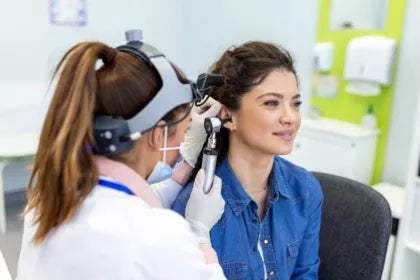
This is the most direct and common career path. Your main role will be to carry out hearing tests, mould customised hearing aids, fit them to each patient’s specific needs and monitor their progress. You’ll be the first point of contact for those with hearing problems.
Sales adviser for hearing aid companies
Major hearing aid brands such as Phonak, Oticon and Beltone need professionals with your technical expertise to advise other audiology centres. You’ll be responsible for explaining the latest technological developments, managing orders and resolving technical queries.
Hearing aid specialist in hospitals and clinics
In some healthcare centres, hearing aid specialists work closely with ENT doctors to support the diagnosis and treatment of hearing problems, particularly in patients with complex cases.
Home visits
There is a growing demand for hearing care professionals who can visit the homes of elderly people or those with reduced mobility to offer them a personalised and convenient service.
Cochlear implant companies
Although you won’t be performing the surgery yourself, you can work on the technical support and programming of the processors for these devices, working closely with the medical team.
Occupational health and safety technician
Noise in the workplace is a common cause of hearing loss. With your training, you can work in companies to carry out noise measurements, propose solutions to protect workers’ hearing and design prevention programmes.
As you can see, the career opportunities in hearing aid audiology go far beyond working in a hearing aid shop. You have the chance to specialise in different areas and find the one that best suits your interests.

How much does a prosthetic audiology technician earn?
One of the most frequently asked questions is about salaries in hearing aid technology. It’s normal to want to know whether your investment of time and effort will pay off. The salary of a hearing aid technician in Spain is quite competitive and, as in any sector, varies depending on experience, location and the type of company you work for.
According to data from job portals such as Glassdoor, the average salary for a newly qualified hearing aid technician is usually between €18,000 and €24,000 gross per year.
With a few years’ experience (3–5 years), this salary can rise to €25,000–30,000 per year. More experienced professionals with greater responsibilities may even exceed these figures, reaching €35,000 or more.
It is important to note that many hearing aid specialists receive sales commissions, which can significantly boost their earnings, particularly if they work in private practices.
The future of the audiology sector
The profession of hearing aid specialist is the role for which demand has risen the most within the private healthcare sector in Spain. Several factors are driving this growth:
- Ageing population: The growing number of older people is increasing the demand for audiological services.
- Greater health awareness: People are more aware of the importance of hearing health.
- Technological advances: Developments in cochlear implants and paediatric audiology have led to significant growth in audiology practices.
- Diversification of services: New areas such as occupational health and sports audiology offer additional opportunities.
Where should I study prosthetic audiology to secure my future?
Choosing the right institution is crucial to your professional success. At Alfonso X El Sabio University (UAX), we understand the needs of the labour market. Our Higher Vocational Training programme in Prosthetic Audiology , delivered online, is designed to enable you to become a highly qualified and well-prepared professional.
What sets us apart?
- 100% online learning: This gives you the freedom to study at your own pace, from anywhere and at any time – ideal for those who are already working or have other commitments.
- Expert lecturers: Our teaching staff consists of practising professionals and specialists who are up to date with the latest technologies and trends in the sector.
- Work placements at leading organisations: We collaborate with prestigious audiology practices so that you can undertake your work placements in real-world settings, applying what you have learnt and building a professional network.
If you’d like to find out more about our programme, you can visit the course page Online Vocational Training in Prosthetic Audiology at UAX. There you’ll find full details of the curriculum, modules and admission requirements.
Are you ready to take the next step and build a future in the hearing healthcare sector?
Do it at UAX!