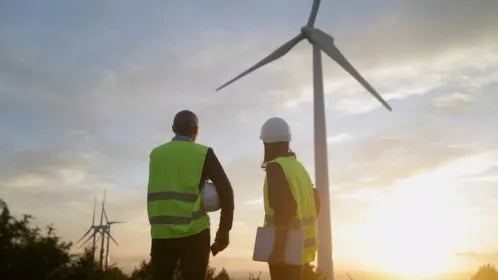
What is an energy manager?
An energy manager is a professional specialising in the planning, implementation and monitoring of strategies aimed at optimising energy use.
Their main objective is:
- To ensure energy efficiency,
- To reduce the consumption of non-renewable energy
- Promote sustainable practices.
This role combines technical, economic and environmental expertise to ensure the responsible use of energy resources.
Duties of an energy manager
The responsibilities and duties of an energy manager are varied and cover a range of areas. Below, we outline some of the key duties:
- Energy analysis and diagnosis. Carries out energy audits to assess current consumption and identify areas for improvement in the energy efficiency of buildings, industrial facilities and other systems.
- Development and implementation of energy efficiency strategies. Designs and implements bespoke plans to optimise energy use, including energy-saving measures, the use of renewable energy and improvements to the efficiency of energy systems.
- Optimisation of energy systems. Analyses and improves the performance of air-conditioning, lighting, machinery and other equipment that generates, distributes and consumes energy to maximise efficiency.
- Management of energy projects and contracts. Oversees energy-related projects, from planning through to execution, as well as negotiating contracts with energy suppliers and managing invoices.
- Compliance with energy standards and regulations. Ensures that practices and projects comply with current energy standards and regulations.
- Education and awareness-raising on energy efficiency. Promotes awareness, a culture of energy efficiency and education on its importance amongst employees, users and the community, through training and awareness campaigns.
- Real-time monitoring. Implements monitoring systems to continuously track energy consumption in real time and detect any potential anomalies.
- Bill validation. Reviews and verifies the accuracy of energy bills to avoid overcharging, ensuring they reflect actual consumption and contain no errors.
- Anomaly detection. Identify and correct any patterns of anomaly in energy consumption that may indicate a problem in the system, such as leaks or inappropriate use of energy.
- Implementation of energy-saving measures. Implements specific measures to reduce energy consumption, such as the use of LED lighting, the installation of smart control systems or the improvement of thermal insulation.
- Compliance with the SDGs. Contribute to meeting the UN’s Sustainable Development Goals (SDGs), particularly those related to energy and climate, such as SDG 7 on affordable and clean energy.
Differences between an energy efficiency manager and an energy auditor
Although both roles work in the field of energy efficiency, there are three key differences between an energy manager and an energy auditor:
Scope
The energy manager takes a broader and more ongoing approach, covering everything from analysis to the implementation and monitoring of energy-saving measures. The energy auditor focuses on carrying out one-off energy audits.
Responsibility
The energy manager takes responsibility for long-term energy management, whilst the energy auditor carries out an assessment and makes recommendations.
Implementation
The energy manager is responsible for implementing the proposed energy-saving measures, whilst the energy auditor does not usually participate in this phase.
Salary of an energy manager
An energy manager’s salary can vary depending on their experience, geographical location and the sector in which they work. In general, energy managers tend to earn competitive salaries, particularly those with advanced qualifications in areas such as environmental studies or energy management.
In Spain, the average salary ranges from 25,000 to 40,000 euros gross per annum.

The future of energy management
Energy management is a constantly evolving field, driven by technological advances and the growing demand for sustainable and efficient solutions. With increasing environmental awareness and government regulations promoting renewable energy, the future of energy management looks promising.
Demand for energy managers is expected to rise in the coming years, as businesses and institutions seek to optimise their energy consumption and contribute to sustainability.
As a result, professionals in this field will have the opportunity to work on innovative projects and contribute to the transition towards a more sustainable economy.
How do you become an energy manager?
To become an energy manager, it is important to have a solid educational background in areas related to energy and sustainability. Here are some key steps:
- University education. There are degree programmes in Biotechnology , Energy Engineering, Environmental Engineering or similar fields that provide you with a solid foundation.
- Specialised master’s degrees. Complement your education with a Master’s degree in Renewable Energy to gain the necessary knowledge about renewable energy sources and sustainable technologies.
Or a Master’s in Integrated Management Systems (IMS) to develop skills in environmental management, quality and safety – essential for an energy manager.
- Courses and certifications. Gain specialist knowledge through courses and certifications in energy efficiency, energy management or energy audits.
- Work experience. Experience in sectors related to energy, construction or sustainability will be of great benefit to you. Look for internship or job opportunities in companies specialising in energy management to gain experience.
In addition to training, a good energy manager needs:
- Technical knowledge. A thorough understanding of energy concepts and principles, energy efficiency, heating, ventilation and air-conditioning (HVAC) systems, lighting and sustainable technologies.
- Analytical skills. The ability to interpret data, identify patterns and detect inefficiencies.
- Planning and management skills. The ability to develop strategies, manage projects and optimise resources.
- Effective communication. The ability to convey technical information clearly and concisely.
- Teamwork. A willingness to collaborate with different departments and professionals, lead teams and manage projects.
- Commitment to sustainability. A passion for energy efficiency and environmental protection.
As you can see, the role of an energy manager is vital in the transition towards a more sustainable and efficient economy. With responsibilities ranging from energy analysis and diagnosis to the implementation of energy-saving measures and regulatory compliance, this professional plays a crucial role in reducing the consumption of non-renewable energy and promoting sustainable practices.
If you’re passionate about energy and efficiency, and want to contribute to a better world, this profession could be an excellent choice for you.
Explore the various training options, such as studying renewable energy , acquire the necessary skills and become an agent of change in the energy sector!