






















What is renewable energy?
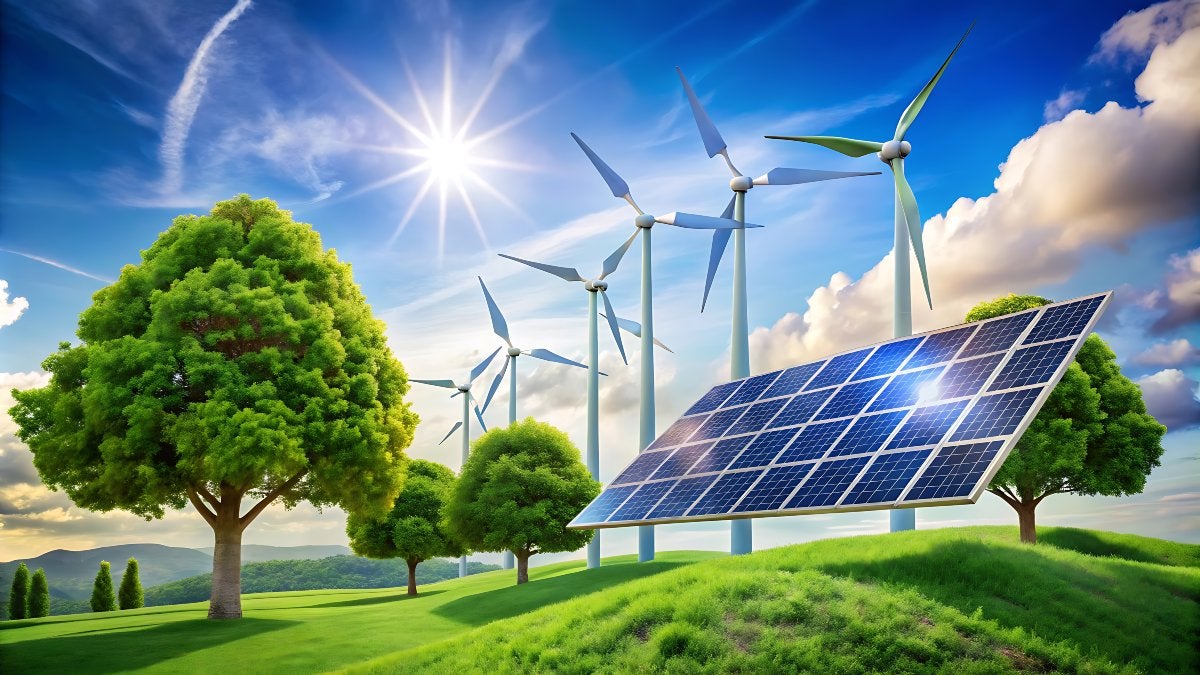
Renewable energy is defined as energy obtained from inexhaustible natural resources or those that are continuously replenished. These energy sources, such as the sun, wind and water, are essential for reducing dependence on fossil fuels and minimising the environmental impacts associated with energy generation.
On the other hand, renewable and non-renewable energy sources differ in that the latter, such as oil or coal, come from limited sources and generate higher levels of polluting emissions.
Characteristics of renewable energy sources
Renewable energy sources are characterised by a number of key, common features:
- Sustainability. They are naturally renewable and are virtually inexhaustible.
- Low environmental impact. They produce fewer polluting emissions compared with fossil fuels.
- Diversity. There are numerous sources of renewable energy, adaptable to different geographical areas and needs.
- Decentralisation. They enable energy generation in remote locations, enhancing energy independence.
- Constantly evolving technology. Ongoing research improves their efficiency and reduces costs.
What are the different types of renewable energy?
There are various types of renewable energy, each with its own specific characteristics and applications. Below, we will explore the main sources of renewable energy:
Hydropower
Hydropower harnesses the force of moving water to generate electricity. It is one of the oldest and most established forms of renewable energy.
Its main characteristics include:
- It utilises the flow of rivers or artificial reservoirs.
- High efficiency and storage capacity.
- It can have environmental impacts on aquatic ecosystems.
An example of hydroelectric power in Spain is the Cortes-La Muela hydroelectric complex, situated in the municipality of Cortes de Pallás in Valencia. This complex is located in the Júcar river basin and stands out as one of the largest pumped-storage hydroelectric systems in Europe.
Wind power
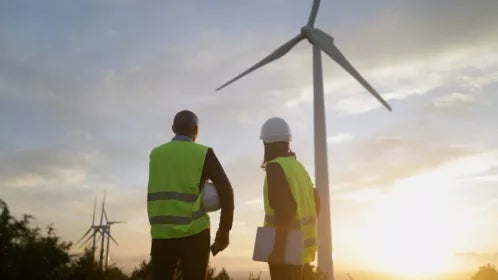
Converting the force of the wind into electricity using wind turbines is known as wind energy.
Wind turbines, with their large blades, transform the wind’s kinetic energy into mechanical energy, which is then converted into electricity. It is a renewable energy source that is constantly growing, with great potential in areas with strong and consistent winds.
This type of energy produces no emissions during the generation process; however, it requires specific wind conditions to be efficient. Furthermore, it can be installed both on land and at sea, making it a viable option for harnessing wind as a natural resource.
Solar energy
Harnessing the sun’s radiation to generate electricity or heat is known as solar energy. Among its key features are its wide availability, its adaptability to different scales, the fact that it produces no emissions during operation, and that output varies according to weather conditions and the time of day.
This type of energy is mainly divided into two categories:
- Photovoltaic solar energy. This directly converts sunlight into electricity using solar panels.
- Solar thermal energy. This uses the sun’s heat to heat water or generate steam, which is then used to produce electricity or in heating systems.
Its main advantage is its versatility, making it suitable for both large-scale installations and individual systems for homes or buildings.
Geothermal energy
Geothermal energy is a renewable source that uses the Earth’s internal heat to generate electricity or provide direct heating. It is available 24 hours a day, regardless of weather or seasonal conditions, ensuring a continuous and reliable energy supply.
To harness it, areas with certain geological features are required, such as hot springs or volcanic activity, which allow access to underground heat. It can be used in large power stations for electricity generation or in domestic systems for heating and cooling via geothermal heat pumps.
Biomass and biogas energy
Biomass is another type of renewable energy which, in this case, utilises organic matter to generate energy, either through direct combustion or via the production of biofuels. Its main characteristics include:
- Use of organic waste. A variety of waste materials, such as agricultural, forestry or urban waste, can be used to generate energy. This helps to reduce waste and provides a sustainable energy source.
- Carbon neutral. Considered carbon neutral when managed sustainably, biomass emits the same amount of carbon dioxide as the plant or organic material used in its production, thereby offsetting its environmental impact. It is essential that it is managed properly to maximise this environmental benefit.
Biomass has multiple applications, such as the production of heat, electricity and biofuels. This makes it a flexible option for a range of energy needs, both on a large scale and at a domestic level.
Ocean or marine energy (tidal and wave)
This type of energy utilises the movement of waves (wave energy) or tides (tidal energy) to generate electricity. In other words, it harnesses the power of bodies of water, utilising their natural movements to produce energy in a clean and sustainable manner.
These are developing technologies with great potential in coastal areas characterised by strong tides and waves, and they have a minimal visual impact as they are submerged.
An example of marine energy in Spain is the world’s first commercial tidal power plant, located in Motrico, Guipúzcoa. This innovative facility represents a milestone in renewable energy and the use of marine resources to generate electricity, underlining Spain’s leadership in the tidal energy sector.
Green hydrogen
Although technically not a primary energy source, green hydrogen is produced using renewable energies such as solar or wind power. By using renewable energy to produce it, this hydrogen helps to reduce emissions of polluting gases, offering an environmentally friendly alternative for sectors such as transport, industry and power generation.
Its main advantage lies in its ability to store and transport energy efficiently, making it an excellent option for the transition to a sustainable energy system.
It is also regarded as a key energy carrier for the decarbonisation of sectors that are difficult to electrify, such as heavy transport and industry. Although its development is still at an early stage, its potential is enormous.
Applications and examples of renewable energy
Renewable energy has a wide range of applications, from large-scale electricity generation to individual use in homes or businesses. Some specific examples include:
- Electricity generation. Hydroelectric, wind and solar power stations supply electricity to the grid, contributing to energy security and reducing dependence on fossil fuels.
- Heating and cooling. Solar thermal energy or biomass are used to heat water or spaces in homes, buildings or industrial processes. For example, geothermal heating systems and solar thermal collectors.
- Transport. Electric vehicles powered by renewable energy and biofuels, such as bioethanol or biodiesel. Furthermore, green hydrogen is emerging as an alternative for heavy goods and long-distance transport.
- Off-grid and self-sufficient buildings. Photovoltaic solar energy enables electricity to be generated in remote areas or to supplement the mains supply in homes or businesses, allowing users to save on their electricity bills at the end of the month.
- Industry. Industrial processes that utilise solar heat or biomass in their manufacturing improve energy efficiency and release fewer pollutants into the atmosphere.
- Agriculture. Renewable energy is used in solar irrigation systems or biogas digesters for agricultural waste, and these are just a few examples of its application in the primary sector.
Advantages of using renewable energy
The use of renewable energy offers numerous advantages – environmental, economic and social – compared with conventional sources:
- Sustainability. These resources are virtually inexhaustible.
- Reduced emissions. As they do not use fossil fuels, renewable energies help to mitigate climate change.
- Energy security and independence. Renewable energy diversifies energy sources, reducing dependence on imported fossil fuels.
- Job creation. The development of renewable energy creates new jobs in sectors such as manufacturing, installation, maintenance and management.
- Improved air quality. Reducing the burning of fossil fuels improves air quality, particularly in cities, by reducing air pollution in urban areas.
- Access to energy. Renewable energy installations can contribute to the economic development of rural areas, facilitating the supply of electricity to remote or isolated areas.
- Price stability. In the long term, they offer greater stability than fossil fuels.
Importance in the energy transition and sustainable development
Renewable energy is a cornerstone of the transition towards a sustainable energy model. Its development is essential for achieving decarbonisation targets and combating climate change. Furthermore, it contributes to energy security, job creation and sustainable economic development.
If you wish to be part of the transformation towards a more sustainable future, studying the Master’s in Renewable Energy will provide you with all the knowledge and skills necessary to build a career in this constantly growing sector. This programme specialises in renewable energy technologies through a combination of theoretical and practical learning.
Furthermore, there are courses and master’s programmes that will allow you to specialise in key areas within renewable energy, such as the installation of photovoltaic systems and the design of wind farms, enabling you to help protect our planet.
Conclusion
Renewable energies are energy sources that regenerate naturally and offer numerous environmental, economic and social benefits. These forms of renewable energy represent the future of our global energy system.
From solar and wind power to promising technologies such as green hydrogen, these clean sources are transforming the way we generate and consume energy. Their continued development and widespread adoption are crucial to tackling the challenges of climate change and building a more sustainable future. As a student or professional interested in this field, you have the opportunity to be part of this energy revolution and contribute to a cleaner, more sustainable world.
Get ready for the future of energy with renewable energy!
Sources:
- Ministry of Education, Vocational Training and Sport
- Ministry for Ecological Transition and the Demographic Challenge
- Recovery, Transformation and Resilience Plan