











In this article, we’ll take an in-depth look at what we call educational inclusion, its principles and objectives. We’ll also explore the different ways of implementing inclusion in schools and the various types of educational inclusion that exist. Read on!
Table of contents
What do we mean by educational inclusion?
Principles and objectives of inclusive education
Strategies for promoting inclusion in the classroom
The role of the teacher and the educational psychology team
Types of educational inclusion
Inclusion of people with disabilities
Social and cultural inclusion (migrants, minorities)
Inclusion based on gender and sexual orientation
Digital inclusion (digital divide)
What do we mean by educational inclusion?
When we talk about educational inclusion, we are referring to the process of ensuring that everyone, regardless of their characteristics, can access, participate in and progress through the education system. This involves breaking down physical, social, cultural and attitudinal barriers that prevent some pupils from realising their full potential.
Inclusive education does not simply mean integrating pupils with special educational needs; it also encompasses addressing diversity in all its dimensions: gender, culture, language, abilities, sexual orientation and socio-economic background.
According to UNESCO, inclusive education must be based on respect for differences , equality and the creation of environments where no one is discriminated against.
If you are interested in specialised training, at UAX you can study the Master’s in Supporting Diversity and Inclusive Education , designed to equip you with practical tools and up-to-date strategies.
Principles and objectives of inclusive education
Inclusive education has clear objectives:
- Equity: to ensure that all pupils receive the resources and support they need to reach their full potential.
- Full participation: to encourage interaction and collaborative work amongst all pupils.
- Pedagogical flexibility: adapting content, methods and assessments to meet individual needs.
- Respect for and appreciation of diversity: recognising that differences enrich the learning process.
As a future education professional, understanding these principles will enable you to create environments where inclusion in schools is not merely a goal, but an everyday practice.
School inclusion
Inclusive education refers to the implementation of policies, methodologies and strategies that ensure all pupils, regardless of their circumstances, can learn and participate on an equal footing within the school. This ranges from the removal of architectural barriers to the creation of adapted materials and the fostering of a positive school environment.
If you’d like to explore how technology can also drive this transformation, you can read our article on learning theories and ICT , where you’ll discover how digitalisation, when applied effectively, promotes inclusion.
Strategies for promoting inclusion in the classroom
To ensure that inclusion in schools is genuine and effective, you can implement strategies such as:
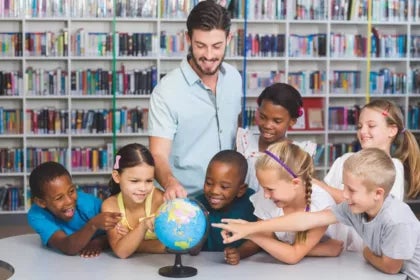
- Cooperative learning: encourages pupils to work together, valuing everyone’s contributions.
- Universal Design for Learning (UDL): adapts content and assessment methods so that everyone can access them.
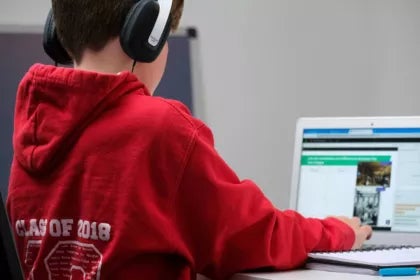
- Use of accessible technology: from screen readers to apps that facilitate communication.
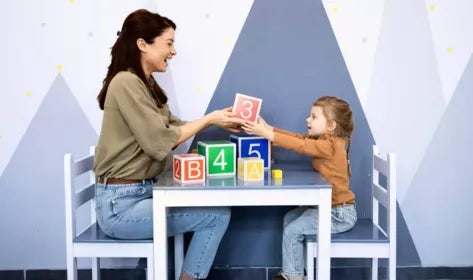
- Personalised tutoring: support sessions to reinforce subject content or social skills.
These strategies not only benefit students with specific needs, but also enrich the learning experience for the whole class.
The role of the teacher and the educational psychology team
The success of inclusive education depends largely on coordinated work between teachers, counsellors and educational psychology specialists. As an educator, your role is not limited to teaching the curriculum: you are also a facilitator of inclusive experiences. The educational psychology team, for its part, identifies needs, proposes curricular adaptations and advises on inclusive teaching methods.
Types of educational inclusion
To discuss types of educational inclusion is to recognise that barriers and needs can vary greatly. Below, we explore the most relevant ones:
Inclusion of people with disabilities
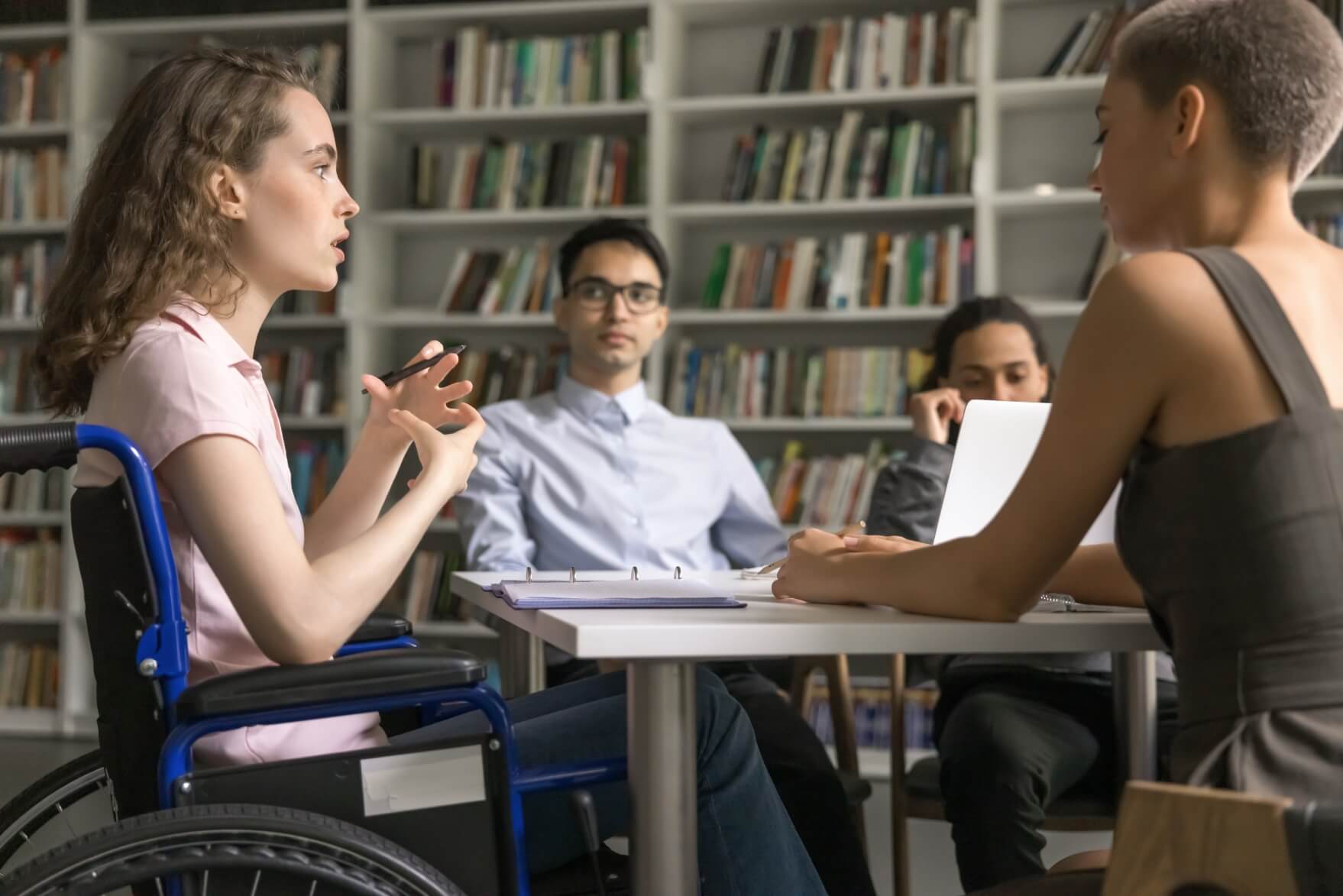
The education of people with disabilities requires the removal of physical, communicative and attitudinal barriers. This involves architectural accessibility, adapted teaching resources and specialised teacher training.
Social and cultural inclusion (migrants, minorities)
In multicultural contexts, inclusion in schools involves valuing linguistic and cultural diversity, adapting teaching content and fostering respect for other traditions.
Inclusion based on gender and sexual orientation
Gender equality and respect for affective and sexual diversity are essential to ensure that all pupils can thrive in a safe environment free from discrimination.
Digital inclusion (digital divide)
In the digital age, exclusion can result from a lack of access to devices or digital skills. Implementing digital literacy programmes and ensuring access to technological resources is key.
Inclusive physical education
Inclusive physical education dispels the myth that sport is only for a select few. Adapting activities, using accessible equipment and encouraging cooperation over competition are essential steps to ensure everyone can take part.
Resources for educational inclusion
There are numerous resources on educational inclusion that you can make use of:
- Guides and handbooks from the Department for Education.
- Materials adapted for easy reading.
- Accessible apps and platforms.
- Continuing professional development in inclusive teaching methods.
These resources not only support inclusion in schools, but also contribute to a cultural shift in the way we understand education. If you’d like to continue your professional development in teaching, you can explore the UAX educational catalogue.
Conclusion
Inclusive education is a commitment that begins with your willingness to understand, respect and adapt to diversity. Inclusion in schools reflects a society that believes in equal opportunities and values differences as a strength.
By applying inclusive strategies, understanding the different types of educational inclusion, making use of resources for educational inclusion and promoting inclusive physical education, you will be helping to build a fairer and more humane education system. Continuous professional development and collaborative work with other professionals are your best allies on this journey.
Remember that every small step towards inclusion makes a big difference in your pupils’ lives.
Are you ready to transform your classroom into a space where everyone can shine?
Do it at UAX!