What exactly is ICT in an educational context?
When we talk about ICT in education, we are referring to an integrated ecosystem of tools, resources and practices designed to enhance the teaching and learning process. Far from being merely ‘devices’, they represent the range of technologies that enable the creation, management, distribution and communication of information for educational purposes.
This ecosystem includes:
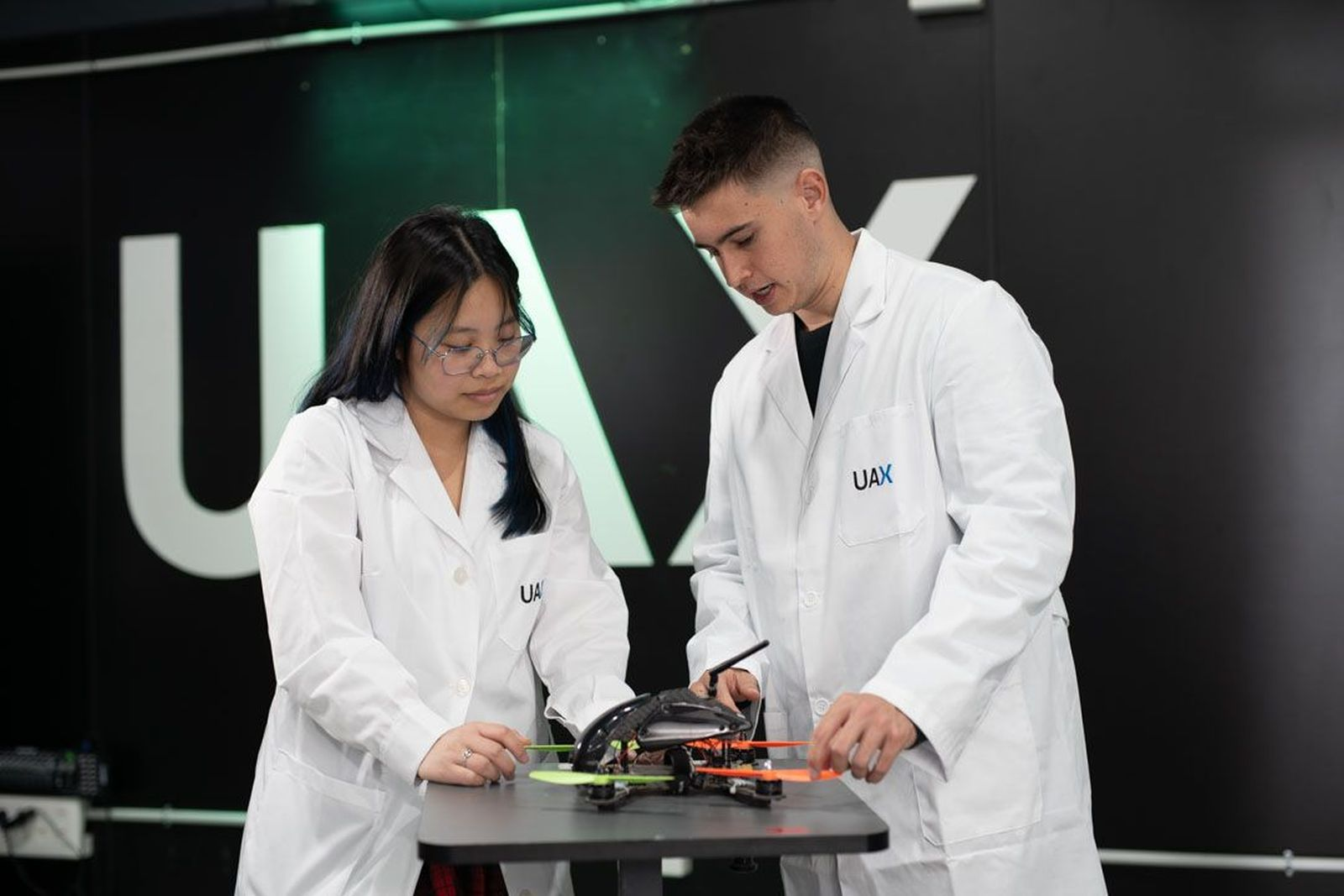
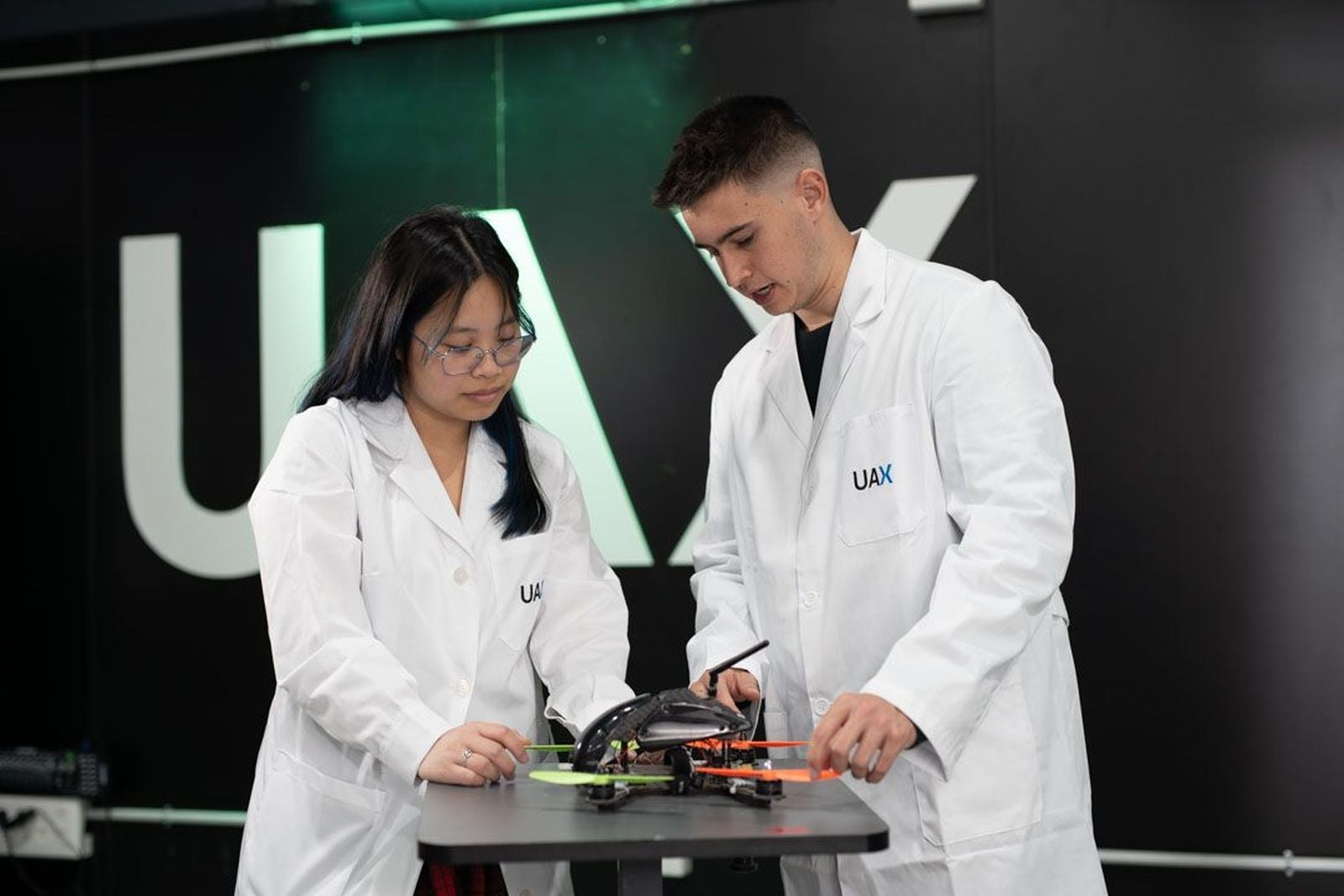
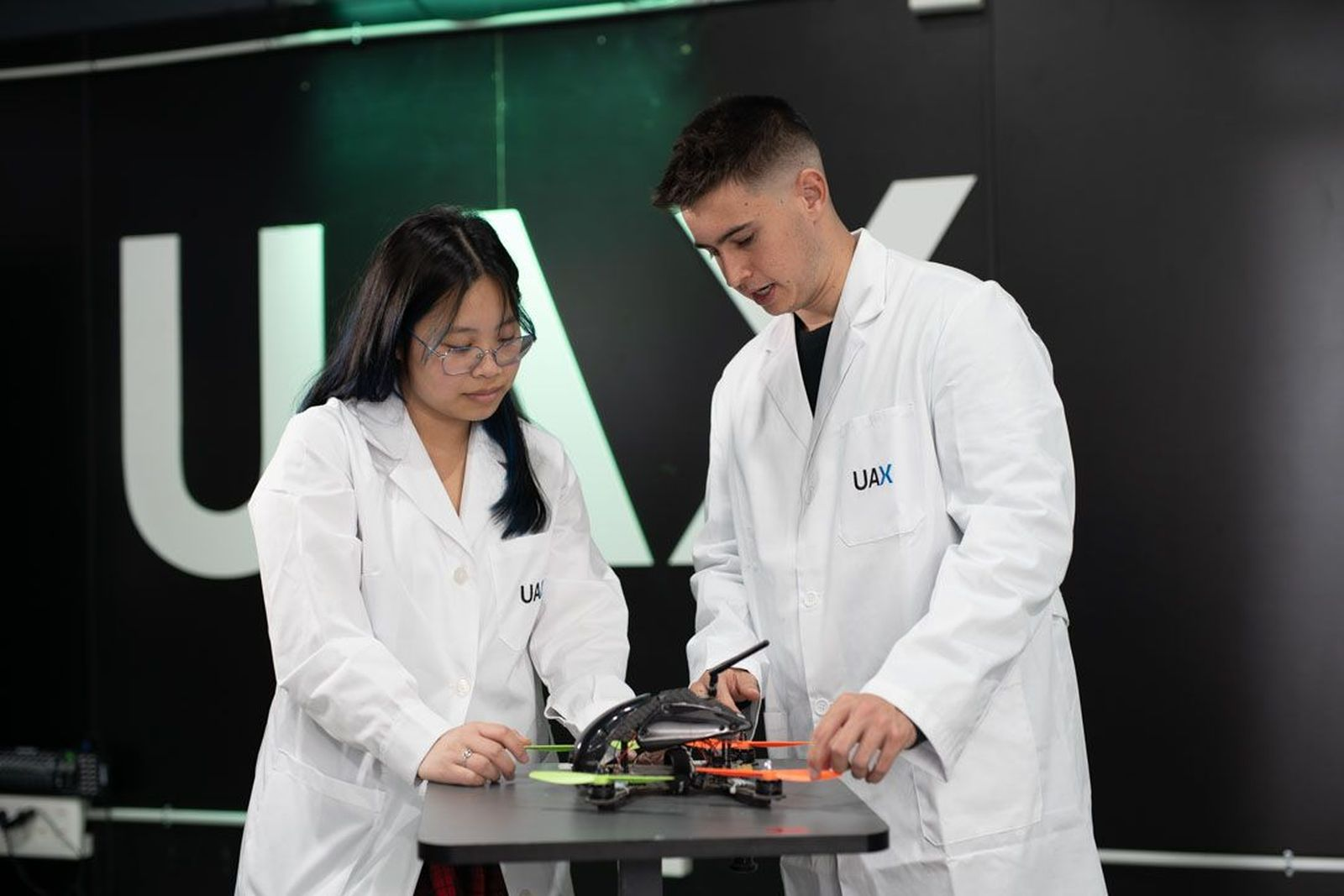
- Hardware: from computers, tablets and interactive whiteboards to virtual reality headsets and robotics kits.
- Software: applications, programmes and platforms designed specifically for education, such as Learning Management Systems (LMS), simulation software and gamification apps.
- Digital resources: content accessible via the internet, such as online encyclopaedias, educational videos, podcasts, research articles and image banks.
- Communication tools: platforms that enable real-time or asynchronous interaction and collaboration, such as forums, video conferencing, blogs and wikis.
The ultimate aim of integrating ICT is not the technology itself, but to use it ‘invisibly’ and strategically to enhance teaching, making learning more accessible, interactive and tailored to the needs of a diverse student body.
How is ICT applied to transform learning?
The true magic of ICT comes to the fore when it is integrated into innovative teaching methodologies that shift the student’s role from that of a passive recipient to an active protagonist in their own learning.
Some examples of their practical application are:
- Flipped Classroom: pupils access theoretical content at home via videos or online readings, and time in the classroom is devoted to clarifying doubts, carrying out practical projects and group discussions. Technology enables direct instruction to be moved outside the classroom, freeing up face-to-face time for activities of greater value.
- Project-Based Learning (PBL): students use online research tools, design software, video editors and collaborative platforms to develop complex projects that address real-world problems. ICT facilitates research, prototyping and the presentation of results.
- Gamification: elements typical of games (points, badges, leaderboards) are used in learning environments to boost motivation and engagement. Platforms such as Kahoot!, Classcraft and Genially allow for the creation of playful activities that make learning more enjoyable and memorable.
- Personalised and Adaptive Learning: through adaptive learning platforms, each student can progress at their own pace. The system analyses their responses and offers content and activities tailored to their level of knowledge, providing extra support where needed or additional challenges if they are more advanced.
What are the real benefits of integrating ICT into the classroom?
Beyond modernising classrooms, the effective integration of ICT brings tangible benefits for both pupils and teachers.
- Exponential Increase in Motivation: digital tools connect with the interests and language of digital natives. Interactive content, a well-produced video or a gamified challenge capture attention in a way that a purely lecture-based lesson rarely manages, activating the areas of the brain linked to pleasure and reward, and therefore to learning.
- Genuine Personalisation of Learning: ICT breaks away from the ‘one-size-fits-all’ model. It enables teachers to offer differentiated learning pathways, adapt materials for pupils with specific needs (such as dyslexia or ADHD) and accommodate different learning paces, thereby fostering truly inclusive education.
- Development of 21st-Century Skills: using ICT in the classroom not only teaches the subject matter in question but also, across the board, develops skills that are crucial for a future career: critical thinking (when evaluating online sources), creativity (when producing multimedia content), collaboration (when working on shared documents) and, of course, digital literacy.
- Fostering Collaboration and Communication: tools such as Google Workspace, Microsoft Teams and Padlet break down the physical barriers of the classroom, enabling real-time teamwork, even remotely. Furthermore, they open the door to inter-school projects at national or international level, broadening pupils’ perspectives.
- Access to a World of Resources: the internet is the world’s largest library. With the right guidance from their teacher, pupils can access primary sources, virtual museums, expert lectures and the latest scientific research, fostering independence and boundless curiosity.
Master’s Degree in Educational Technology and Digital Teaching Skills – ICT (online)
Further information
What challenges do we face when using ICT?
Adopting technology in education is not a path free of obstacles. It is essential to understand these obstacles in order to anticipate and manage them effectively.
- The Digital Divide: this is, perhaps, the most significant challenge. It is not just a matter of access to devices or a high-quality internet connection (which remains a problem in many homes), but also the ‘second digital divide’: the gap in skills required to use technology critically and effectively.
- Distractions and Classroom Management: a device connected to the internet opens the door to endless distractions. Teachers need new classroom management strategies and must teach pupils self-control and focus.
- Security Risks and Cyberbullying: online exposure carries risks. It is imperative to educate the educational community (pupils, teachers and families) in digital citizenship, teaching them about privacy, data protection, digital footprints and how to respond to cyberbullying.
- The Need for Ongoing Teacher Training: technology is advancing at a dizzying pace. Initial training is not enough; teachers need constant support and updates so they do not feel overwhelmed and can make the most of the tools. This is where a professional specialising in ICT becomes essential for any institution.
- The Danger of ‘Technodeterminism’: believing that technology is a magic solution to all educational problems is a mistake. The challenge lies in always keeping pedagogy at the forefront, selecting the right tool for a specific learning objective, and not the other way round.
Conclusion: the future belongs to professionals who bring together education and technology
The impact of ICT on education is profound, complex and two-way. On the one hand, it offers unprecedented potential to create learning that is more engaging, personalised and connected to the real world. On the other, it poses significant challenges that must be addressed with strategy, training and a critical eye.
In this context, the role of the educational technology expert is no longer a luxury, but a strategic necessity for any institution wishing to thrive. Professionals capable of designing, implementing and evaluating educational innovation projects, of training and supporting teaching staff, and of selecting the tools that truly make a difference.
Mastering this field, as taught on the Master’s in Educational Technology and Digital Teaching Skills, places you at the forefront of innovation, opening up a range of exciting career opportunities with a direct social impact. You will be equipped not only to adapt to change, but to lead it.
Frequently Asked Questions (FAQ) on the impact of ICT on education
1. Does incorporating ICT into the classroom simply mean using computers and tablets?
No. True ICT integration goes far beyond hardware. It is a pedagogical strategy in which technology is used with a clear purpose to transform a learning activity, making it more interactive, collaborative or personalised. The tool is the means, not the end.
2. Will ICT eventually replace the teacher’s role?
On the contrary, it transforms that role and makes it more important. The teacher ceases to be a mere conveyor of information and becomes a designer of learning experiences, a content curator, a guide and a mentor who supports the student throughout their learning journey. Technology enhances their ability to reach every pupil.
3. Do you need to be an IT expert to study a Master’s in Educational Technology?
No, it isn’t necessary. A Master’s degree such as the one offered by UAX is designed for education professionals who wish to acquire digital skills, not for programmers. It focuses on the pedagogical application of technology, so the foundation is your vocation as an educator, not your prior technical knowledge.
4. Is implementing ICT in an educational institution very expensive?
Not necessarily. Whilst there are highly advanced platforms that come at a high cost, there is also a vast ecosystem of very powerful free and open-source tools. The key lies in good planning and knowing how to choose the technologies that offer the best pedagogical return on investment.
5. How can we measure whether the use of ICT actually improves learning?
Through the analysis of learning data ( learning analytics). Digital platforms collect a vast amount of information on pupils’ interactions: time spent on a task, accuracy rates, error patterns, etc. Analysing this data enables teachers and the institution to make informed decisions to adjust and improve teaching processes.
Summary
This article provides an in-depth analysis of the impact of Information and Communication Technologies (ICT) on education, presenting them as an ecosystem that transforms learning. It explores their main benefits, such as increased motivation, personalisation and the development of digital skills, but also the crucial challenges they pose, such as the digital divide, the need for teacher training and the importance of keeping pedagogy at the heart of the process. In conclusion, it is argued that the successful integration of ICT depends on a well-founded strategy, which creates a high demand for specialised professionals capable of leading this educational revolution.
Sources
- Salinas, J., De Benito, B. (2020). Pedagogy, Technology and Design in Higher Education. RIED. Ibero-American Journal of Distance Education.
- Cabero, J., & Martínez, F. (Eds.). (2019). Technologies in the 21st-century educational ecosystem. In J. Cabero & F. Martínez (Eds.), Technologies in 21st-Century Classrooms (pp. 13–30). UCOPress.
- Area, M., & Adell, J. (2009). e-Learning: Teaching and Learning in Virtual Spaces. In J. De Pablos (Ed.), Educational Technology: Teacher Training in the Internet Age. Aljibe.
- INTEF (National Institute for Educational Technologies and Teacher Training). Common Framework for Teachers’ Digital Competence. Ministry of Education and Vocational Training, Government of Spain.