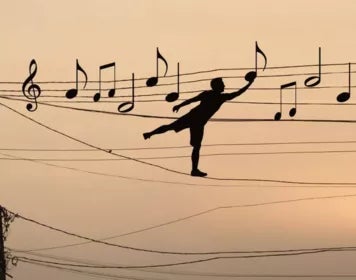


















Music, as a form of artistic expression, has been an integral part of the human experience throughout history. From ancient tribes to complex contemporary orchestras, music has evolved and adapted, becoming a powerful medium for communicating emotions, telling stories and shaping cultural identities.
Music education plays a crucial role in this process, and instrumental pedagogy emerges as an essential discipline for cultivating technical and artistic skills in students. In this regard, the Master’s Degree in Instrumental Pedagogy fr prepares you to acquire and develop the skills and competences associated with teaching your instrument.
In this article, we will explore instrumental pedagogy, its necessity and its importance in musical training.
What is instrumental education?
Instrumental pedagogy is a branch of music pedagogy that relates to the teaching and learning of musical instruments; it is responsible for effectively aligning the teacher’s skills with the student’s needs, equipping the latter with pedagogical tools for their future career in music teaching.
Although vocal music is also an important component of music education, instrumental pedagogy focuses specifically on the development of technical and expressive skills through the practice of musical instruments and can be taught in various educational contexts, such as primary and secondary education, music schools or private centres, using instruments that can vary widely, from the guitar and piano to wind and percussion instruments.
The primary aim of instrumental pedagogy is the holistic development of the pupil as a musician, encompassing technical, expressive, creative and cultural aspects. To this end, the instrument teacher must take into account a number of factors, such as each pupil’s level, pace, style, interests and motivations, and adapt their methodology and resources to the pupils’ individual and group characteristics.
What will you learn on the Instrumental Pedagogy course?
Playing a musical instrument requires a combination of technical and artistic skills. All of these are fundamental for musicians, including instrumental technique, reading music, rhythm and timing, a musical ear, theoretical knowledge and musical memory, amongst others.
Playing a musical instrument requires specific technical skills. Instrumental pedagogy provides a structured framework for teaching students how to play an instrument, developing their dexterity, coordination and control.
Beyond technique, music is a means of artistic expression. In this regard, instrumental pedagogy helps students understand how to use their instrument to convey emotions, interpret musical works and develop their own musical voice.
A fundamental aspect to bear in mind is discipline, in every sense of the word. Learning to play an instrument requires regular practice and dedication. Instrumental pedagogy instils discipline in students, teaching them the importance of commitment and perseverance in achieving musical excellence.
What is studied in Music Education and why is Instrumental Pedagogy important?
Music education should not be solely about acquiring theoretical knowledge, but also about developing practical skills. Instrumental pedagogy contributes to students’ holistic development, nurturing cognitive, emotional and physical aspects.
Playing an instrument is not just about reproducing notes on a score; it also involves the ability to improvise and create. Instrumental pedagogy fosters creativity by encouraging students to explore new interpretations and develop their own musical style.
Through instrumental practice, students hone their ability to listen critically. They analyse the quality of sound, interpretation and expression, which contributes to a deeper understanding of music.
For all these reasons, instrumental teaching is very important because it helps to train competent, critical and creative musicians who can enjoy music and share it with others. Furthermore, it fosters the development of other skills and values in pupils, such as attention, memory, coordination, expression, communication, cooperation, self-esteem, respect, tolerance and sensitivity – all of which are thoroughly addressed and incorporated into the general education curriculum.
What challenges and innovative practices does instrumental pedagogy face today?
Despite its importance, instrumental pedagogy faces challenges such as globalisation, a lack of resources and the need to adapt to changing educational technologies, amongst other issues.
However, innovative approaches, such as the use of online platforms for virtual lessons and the integration of interactive technologies, are opening up new possibilities for improving the teaching of musical instruments.
This type of pedagogy also involves constant reflection on one’s own teaching practice, as well as the ongoing updating of musical and pedagogical knowledge and skills.
What is the role of a music teacher?
A music teacher must be able to analyse, innovate, plan, deliver and evaluate their teaching, constantly taking into account the objectives, content, strategies, activities and assessment criteria established in each case, whilst considering the specific circumstances of the pupils they are working with.
Conclusion
In conclusion, instrumental pedagogy plays a crucial role in music education by providing a structured framework for the development of technical and artistic skills.
The need for this discipline lies in its ability to train skilled performers and qualified teachers who foster creativity and contribute to the holistic development of students.
As music education evolves, instrumental pedagogy adapts, tackling challenges and adopting innovative approaches to prepare future generations of musicians.
Ultimately, instrumental pedagogy remains a fundamental pillar in building a world enriched by the beauty and diversity of music.
Instrumental pedagogy is, therefore, a field that requires continuous study and reflection, on the part of both teachers and pupils, to improve the quality and effectiveness of teaching and learning music through instruments.
Instrumental pedagogy is a way of understanding and experiencing music, which involves a commitment to music education and to society as a whole.
If you’re passionate about the world of music and keen to find out more about this field, discover now the reasons to study musicology or what musical performance is all about.