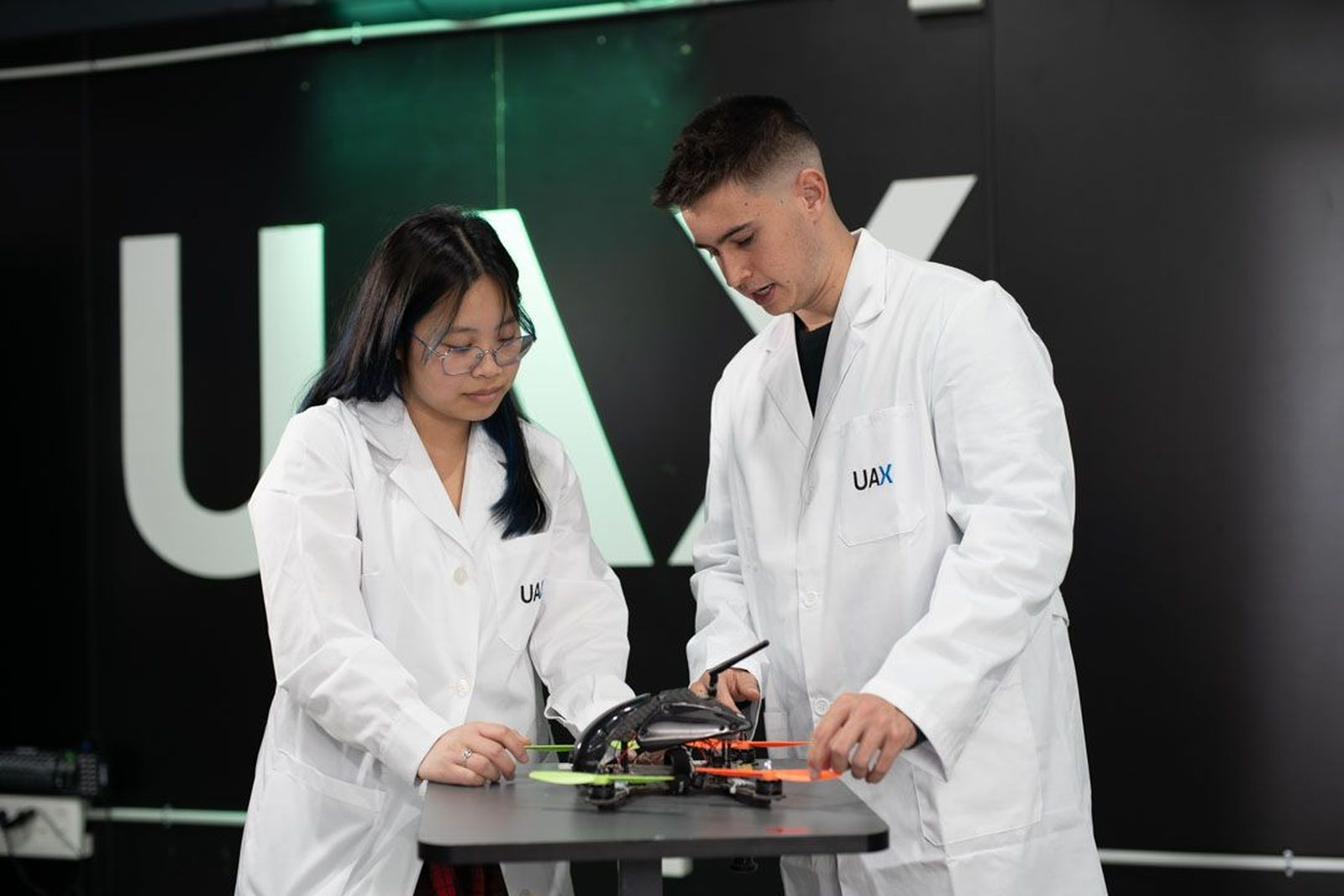
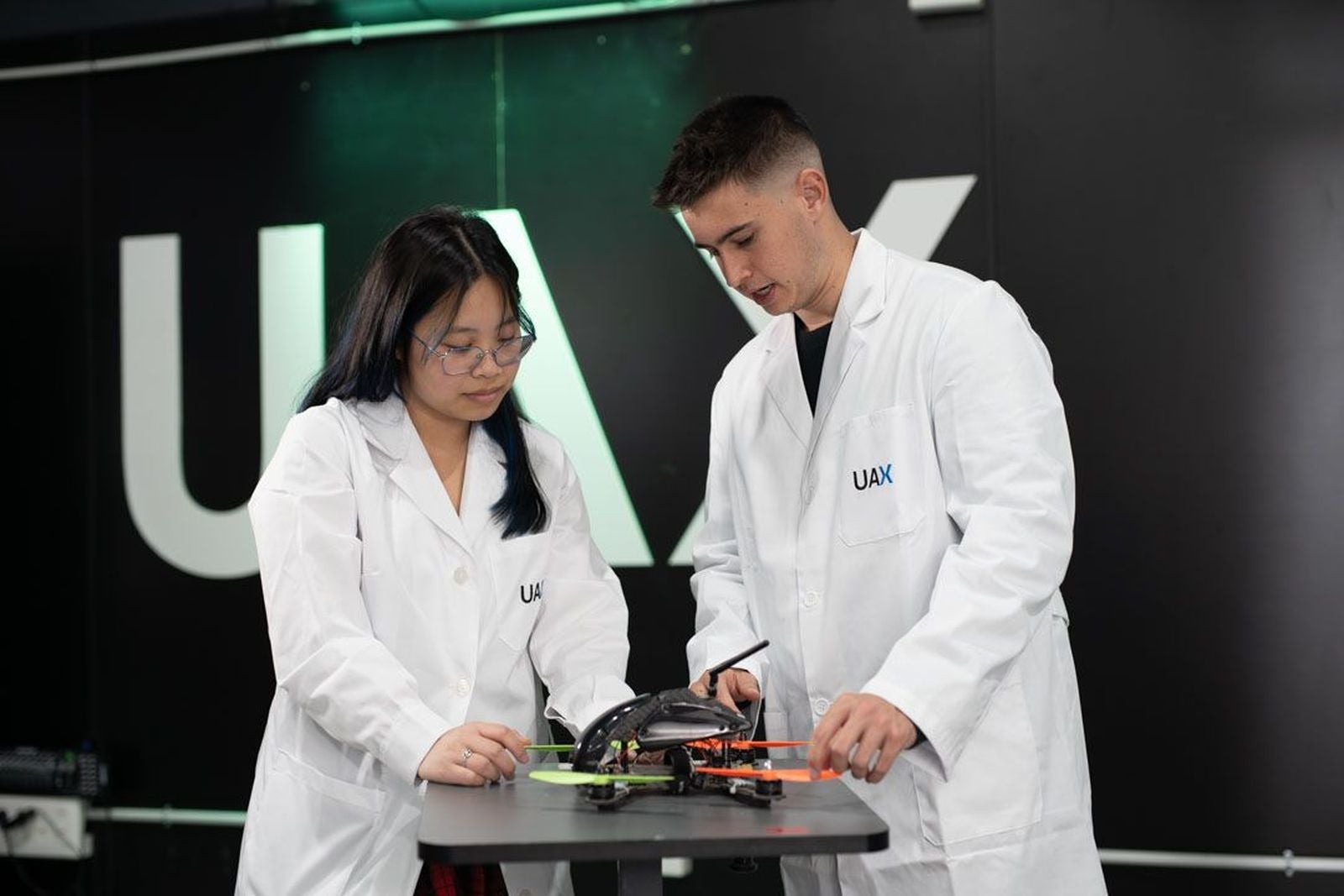
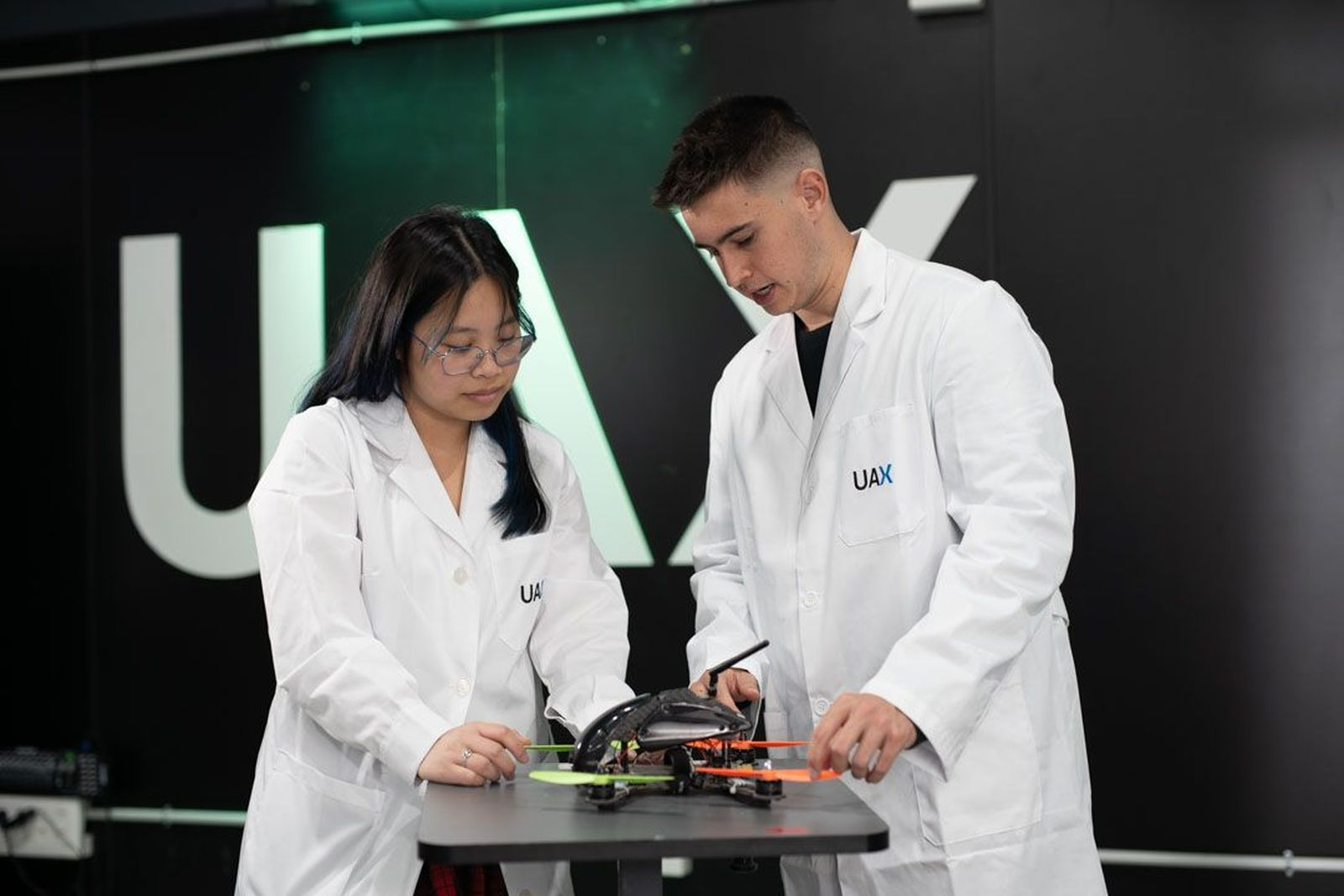
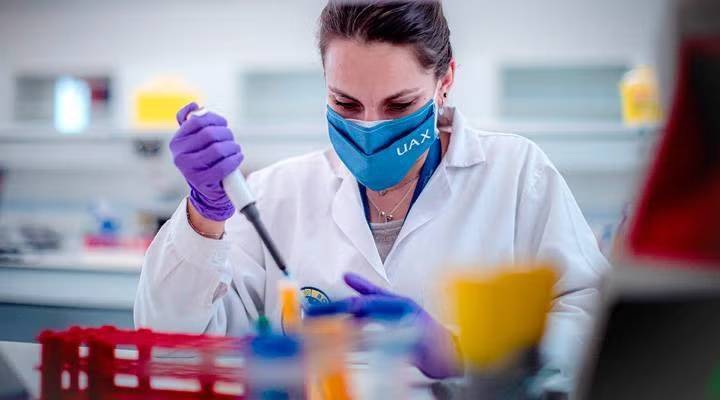
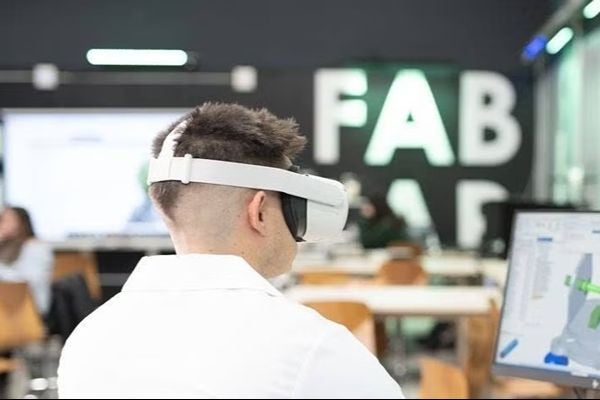
Studying engineering through a blended learning programme allows you to gain qualifications in the field of technology whilst combining flexibility with practical learning. At UAX, we offer a range of engineering-related programmes that combine the use of the virtual campus with face-to-face teaching sessions, helping you to develop technical skills linked to innovation, technological development and the application of solutions across various sectors.


Bridging Course for the Bachelor’s Degree in Mechanical Engineering for Industrial Technical Engineers
Start:
October
Length:
5 months
The blended learning approach combines the flexibility of digital learning with face-to-face training experiences designed to reinforce the practical application of technical knowledge. The main advantages of studying engineering through blended learning include:
This approach enables students to progress in their technological specialisation whilst reinforcing their learning through practical activities and the analysis of real-world engineering scenarios.
Blended-learning engineering programmes combine the use of the virtual campus with face-to-face teaching sessions that allow students to delve deeper into the practical application of their knowledge.
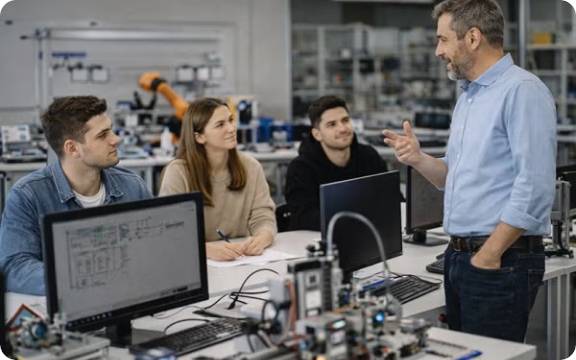
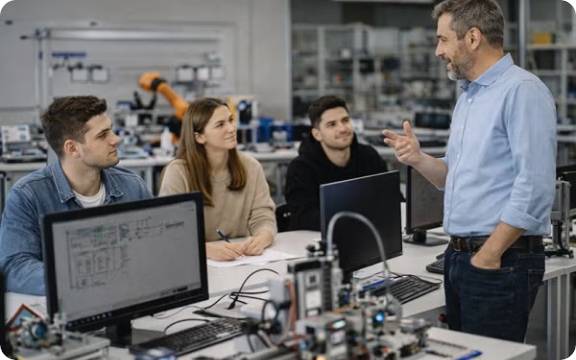
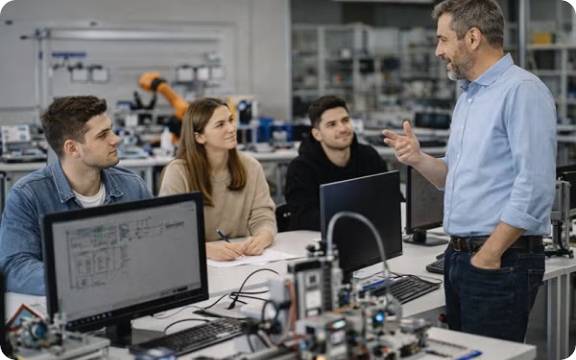
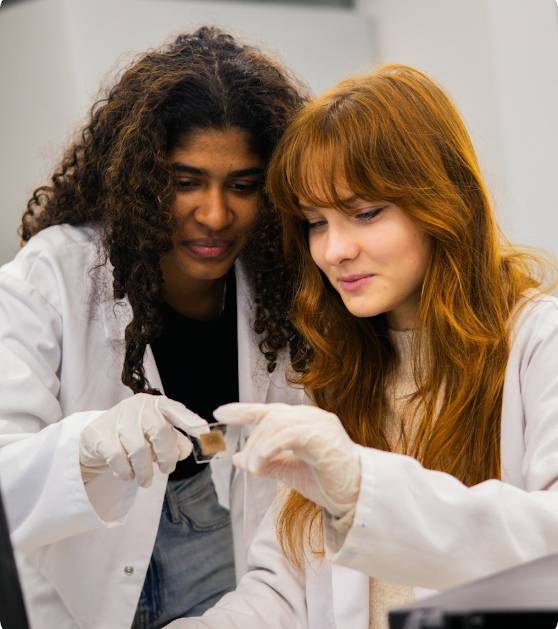
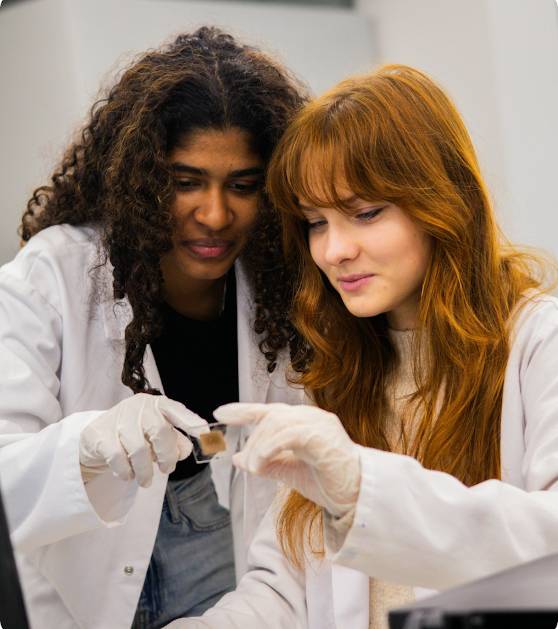
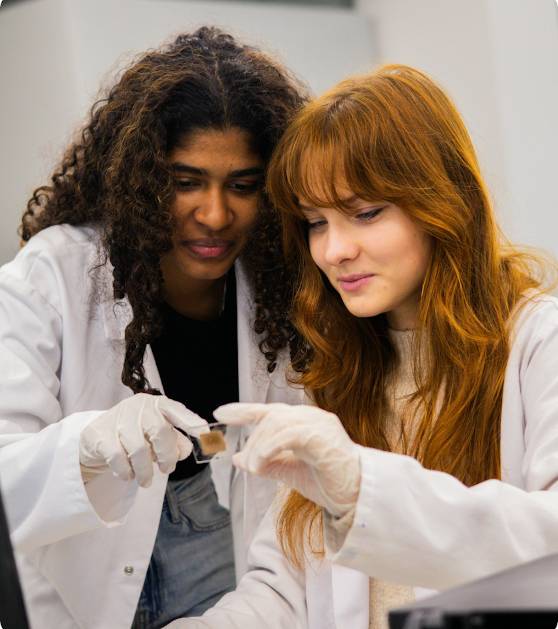
Through the digital environment, students access academic content, teaching materials and educational activities that allow them to progress through the programme with flexibility. Face-to-face sessions reinforce learning through workshops, case studies or group activities designed to help students understand how engineering knowledge is applied in real-world professional contexts.
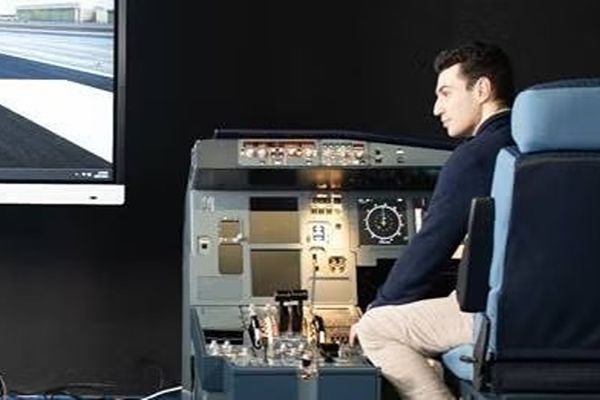
This model helps students develop an applied understanding of engineering and grasp how technological solutions are designed, developed and implemented across different sectors.
Our engineering degree programmes at UAX are designed to develop technical skills related to systems development, technological innovation and the application of engineering solutions.
The blended learning format allows digital learning to be integrated with face-to-face sessions aimed at reinforcing the practical application of knowledge. This model enables students to progress in their technological training with greater flexibility, whilst maintaining learning experiences that are relevant to the engineering environment.
The blended learning programme combines online learning with face-to-face sessions. The theoretical content is usually delivered via the virtual campus, whilst the face-to-face sessions enable students to consolidate their learning through workshops, case studies or practical engineering-related activities.
Within the field of engineering, there are various blended-learning programmes available, such as master’s degrees or bridging courses leading to a bachelor’s degree. These programmes enable students to specialise in specific areas of technology and develop applied technical skills.
Yes, this training model makes it easier to balance your studies with your professional commitments. The online component allows you to progress through the programme flexibly, whilst the face-to-face sessions reinforce the practical application of the knowledge.
Engineering degrees can open up career opportunities in fields such as technological development, programming, technology consultancy, technical project management and innovation across various industrial sectors.
This programme is suitable for people with an interest in technology who are looking for a course that combines flexibility with practical learning. It is also an attractive option for professionals wishing to expand their technical skills within the technology sector.
Can't find the degree you want to study in our educational offer?
There is nothing to worry about! Tell us what degree you are looking for and we will contact you as soon as possible. We want to help you choose an academic career that suits you and boost your future career.