














Sign up
Registration opens on 1 September
2 and 3 October 2026.
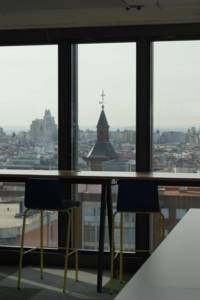
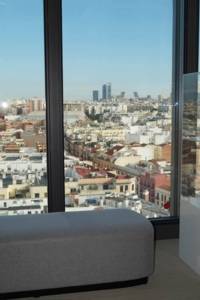
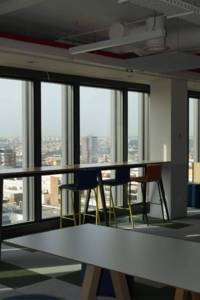
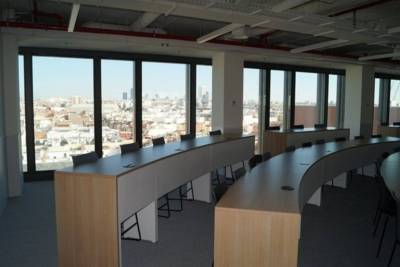
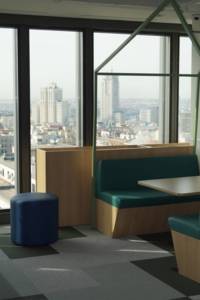
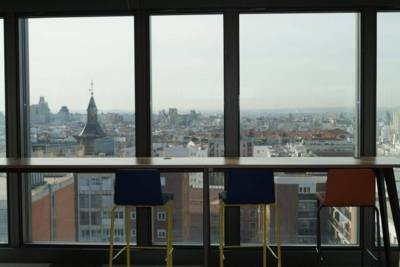
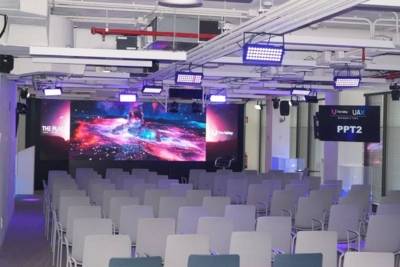
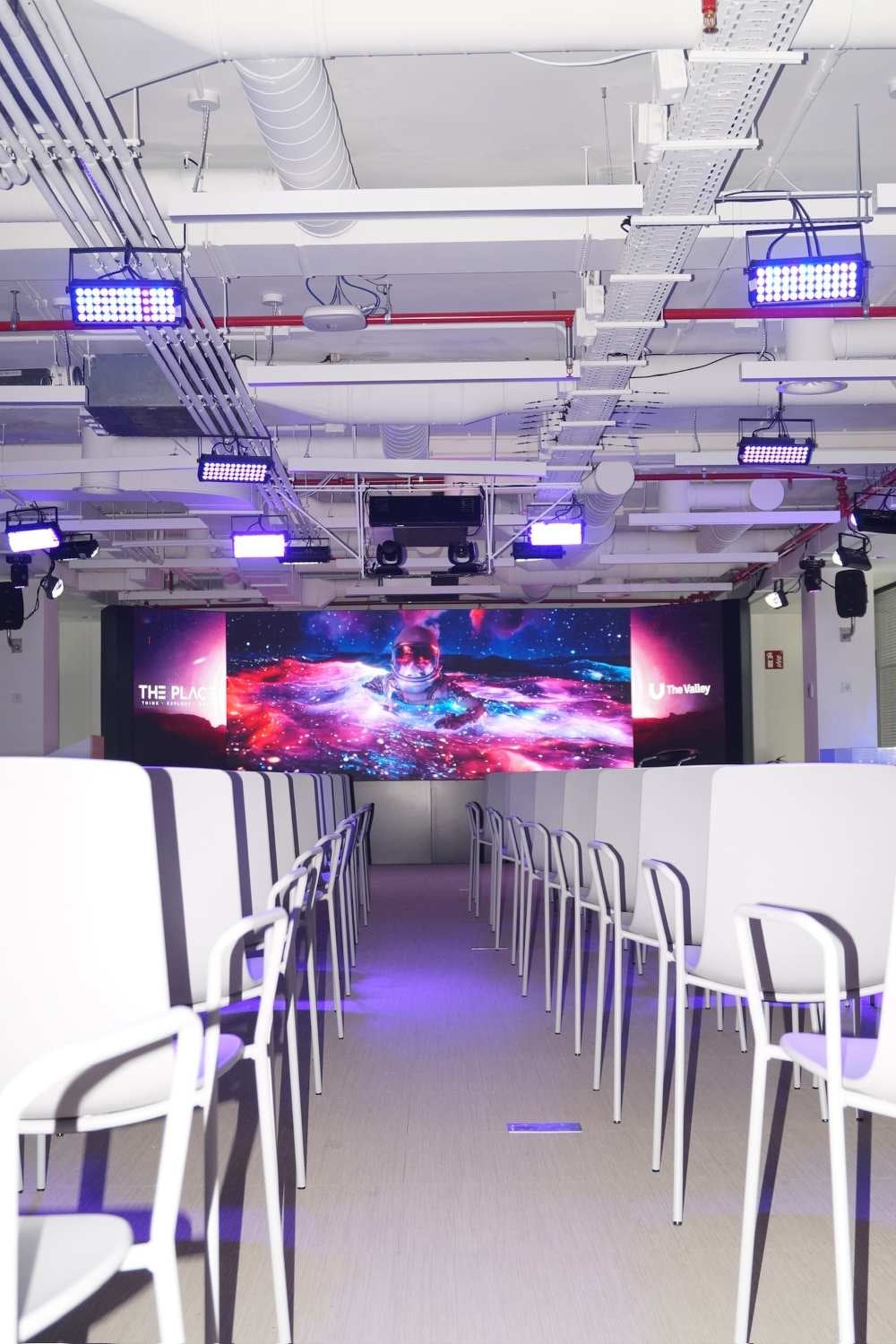
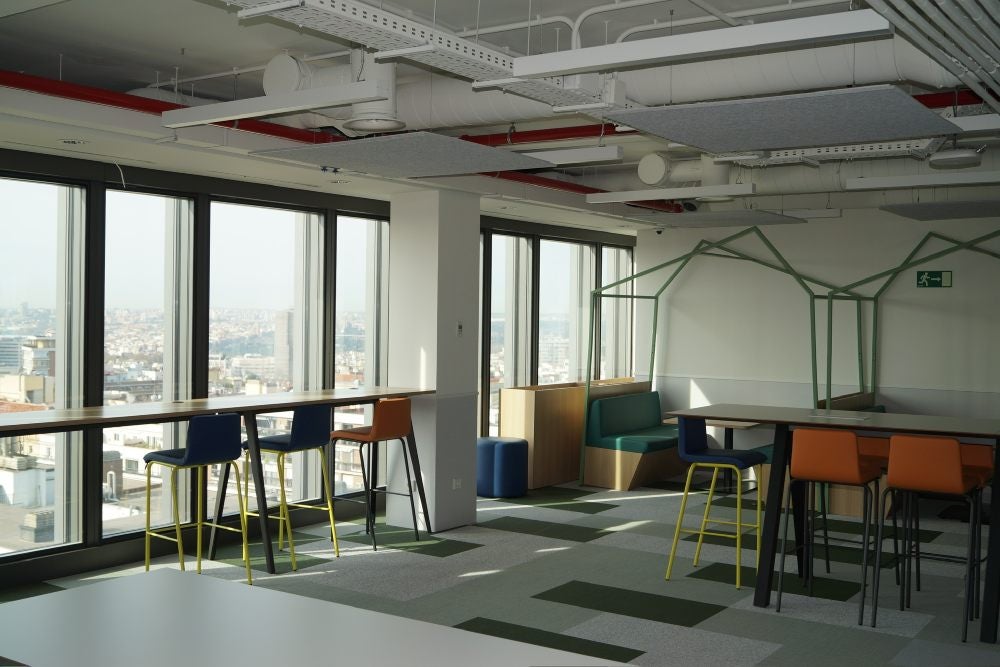
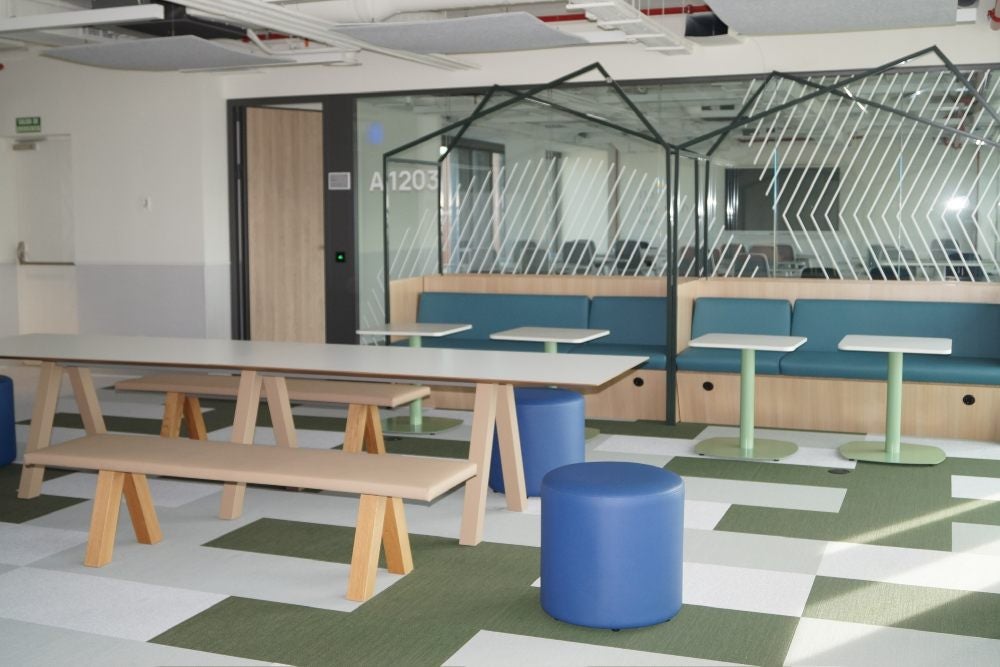
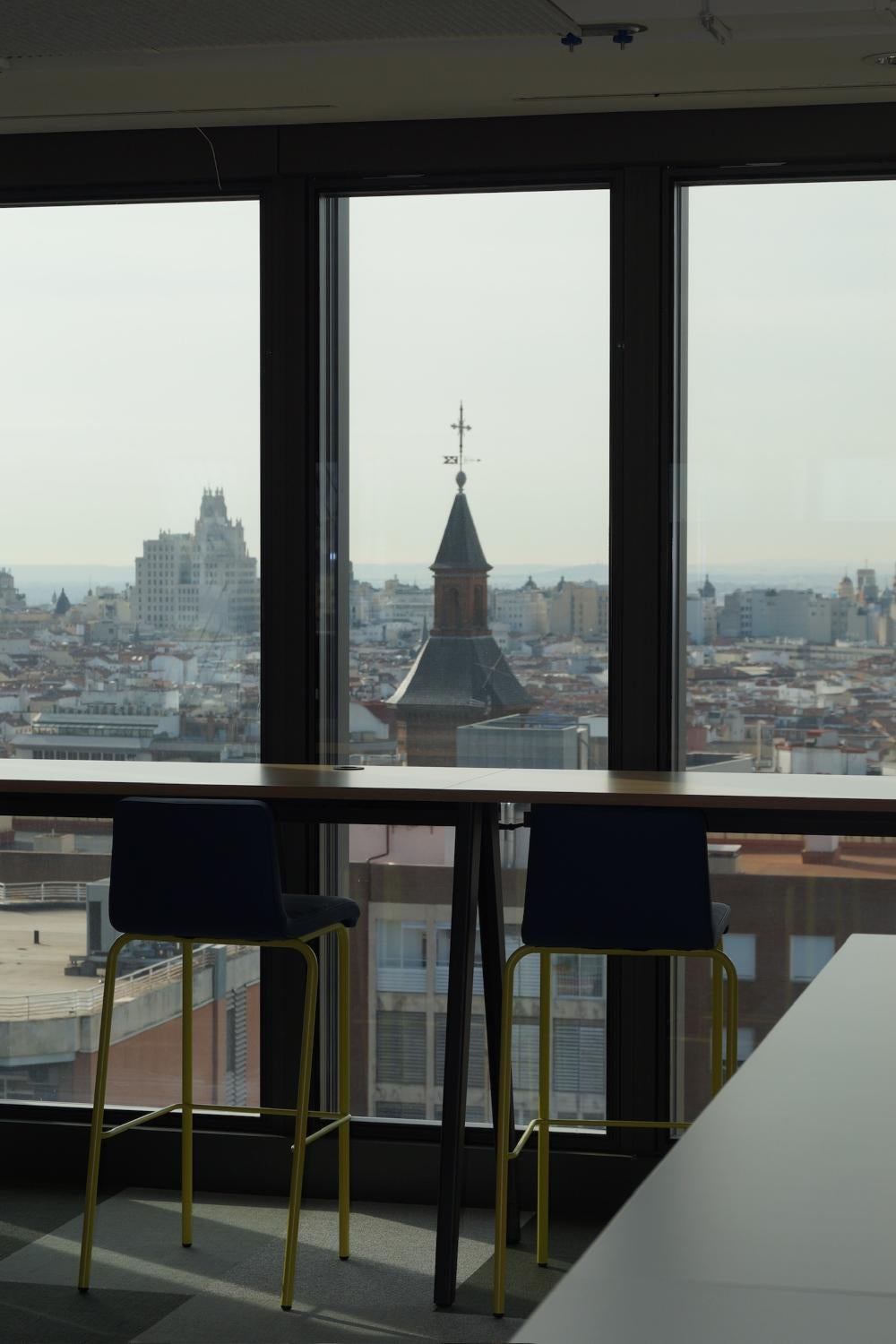
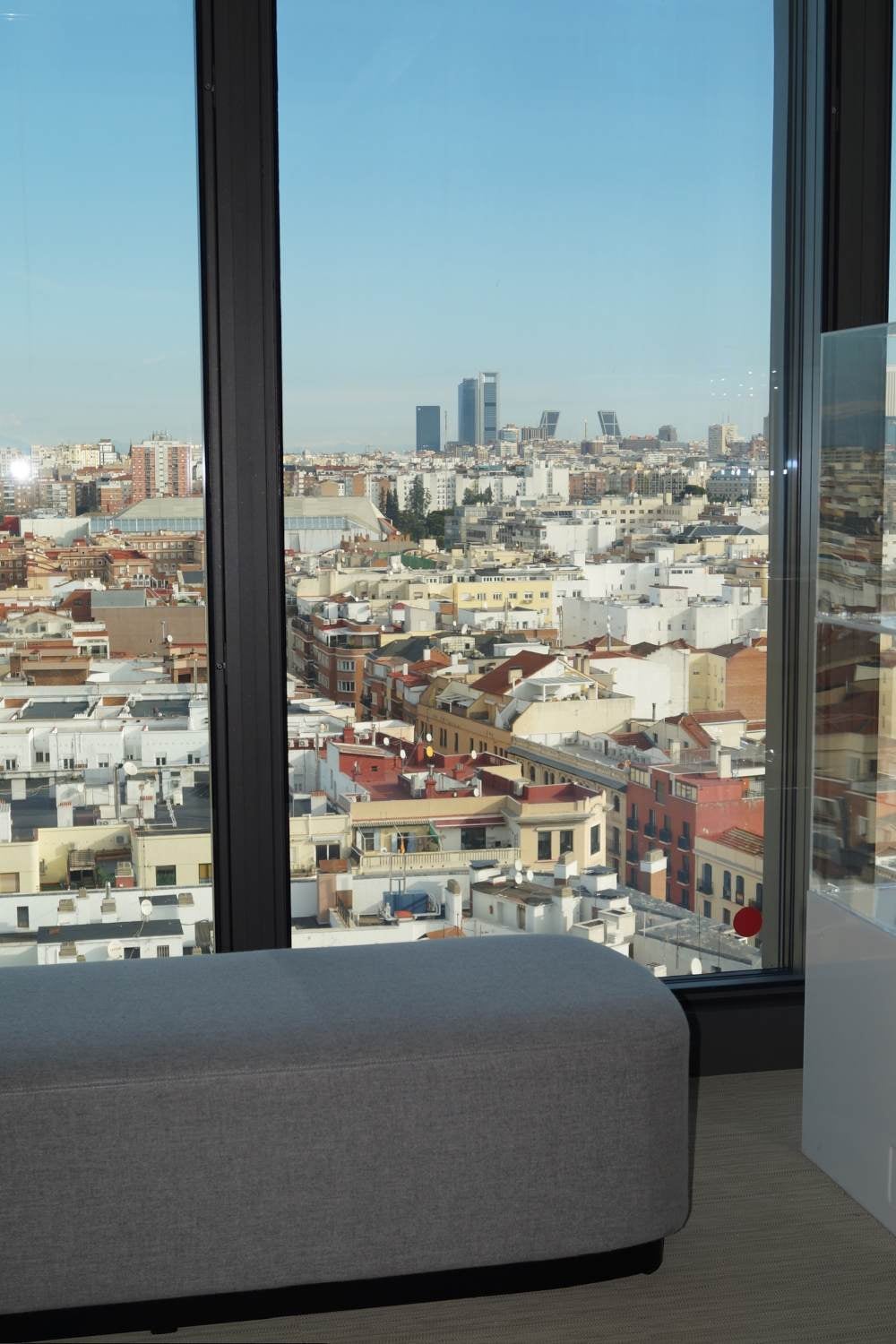
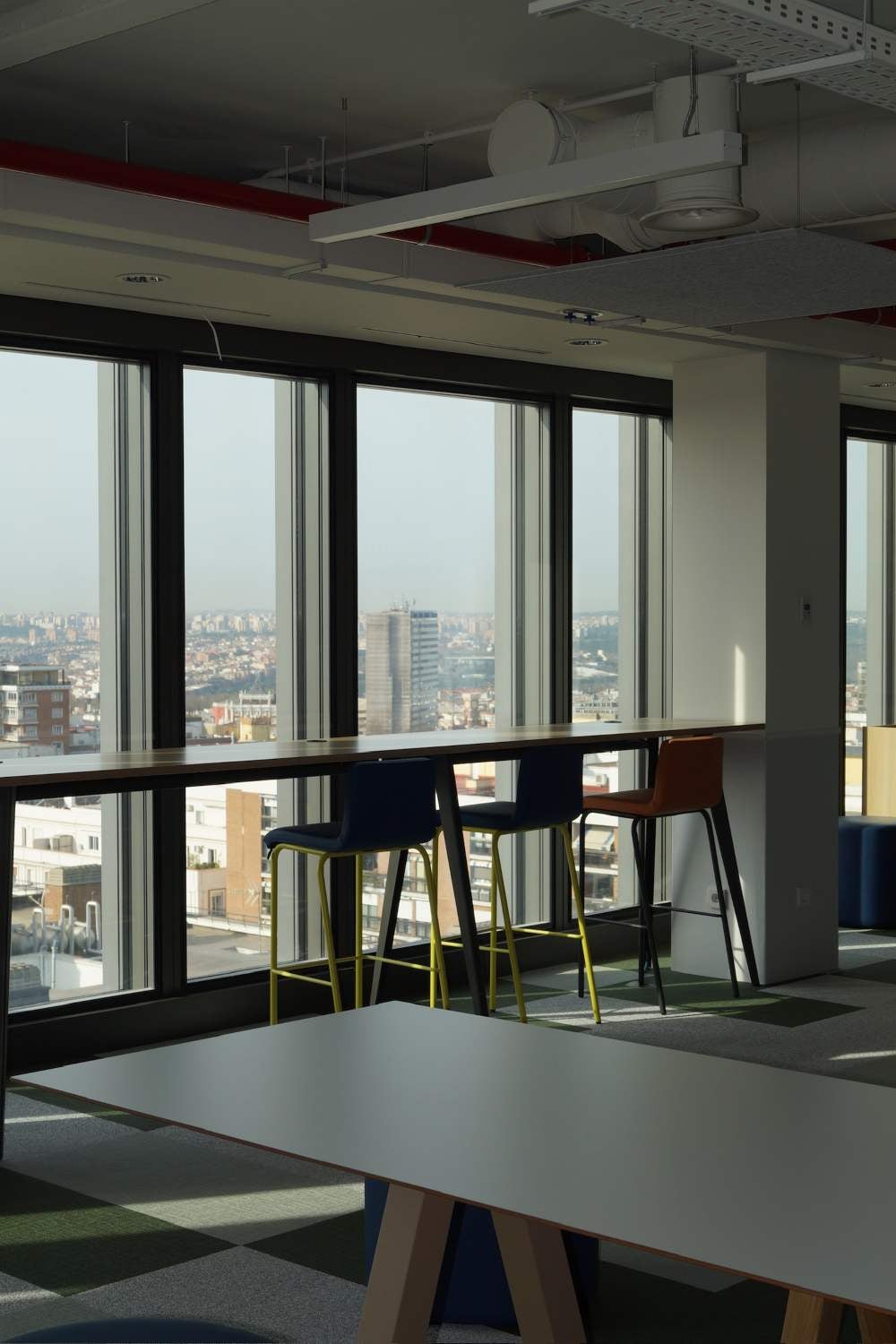
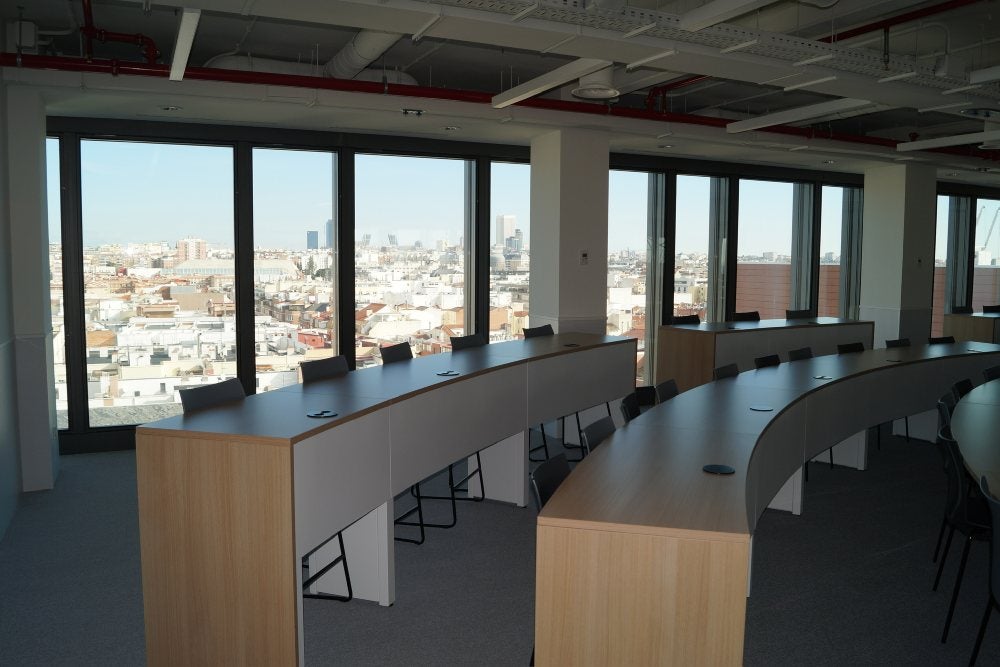
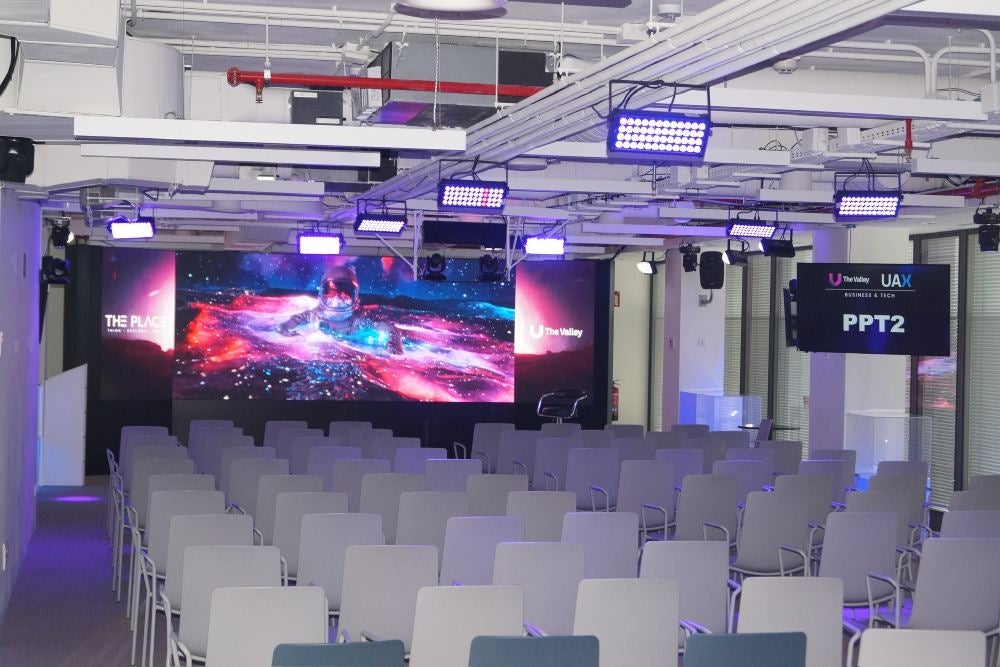
Venue: Madrid Chamberí Campus – UAX (Calle de Arapiles, 13, Chamberí, 28015, Madrid).
Registration opens on 1 September


DOWNLOAD THE RULES FOR THE AWARDS
1. CEBIOMAD ESCAPE ROOM:
Will you be able to stop a biological threat before it’s too late? In this biomedical escape room, participants will take on the role of a scientific team tasked with investigating a pathogen detected following a space mission. Through a series of challenges inspired by real-life biomedical research, teams must analyse clues, share information and work together to identify the pathogen and devise a strategy to halt its spread. A dynamic, collaborative and challenging experience, in which communication and scientific thinking will be key to solving the case before time runs out.
2. PRACTICAL WORKSHOP ON CAREER PATHWAYS:
Have you ever wondered what it’s really like to work in the various fields of biomedicine? In this practical workshop, you’ll be able to explore different career paths through an immersive and participatory experience. Participants will choose one of the four available areas — research, biomedical research (BIR), the pharmaceutical industry or start-up entrepreneurship — and take part in an activity designed to simulate some of the common challenges and decisions faced in these environments. Guided by practising professionals with direct experience in each sector, participants will discover first-hand the competencies, skills and ways of thinking that characterise each career path, gaining a clear and realistic insight into their day-to-day work.
3. AI AND BIOMEDICAL DATA ANALYSIS WORKSHOP:
Artificial intelligence is transforming biomedical research and the way we analyse health data. In this interactive workshop, participants will discover how these tools can be used to identify complex patterns, build predictive models and extract relevant information from biomedical data. Through a guided practical case study, they will learn to interpret results, evaluate a model’s performance and understand the role of the most influential variables in predictions. Beyond the technology itself, the workshop will focus on the importance of critical thinking and biomedical knowledge in correctly interpreting results, demonstrating how artificial intelligence can become a powerful ally for researchers, but can never replace their scientific judgement.
4. DEBATE:
Put your debating skills, critical thinking and teamwork to the test in the conference’s debating competition. On a topical biomedical issue chosen in advance by the participants, two teams will defend opposing positions in a dynamic and interactive format. Furthermore, the audience will not be mere spectators: they will play an active role by contributing questions, arguments and rebuttals to support their team. An activity designed to foster critical analysis, scientific communication and the exchange of ideas in a participatory and enriching environment.
5. MICRO-TALKS:
Three micro-talks will be held simultaneously, each on a different topic. Attendees will choose which one to attend when purchasing their ticket. Each session will last 30 minutes and will be led by healthcare professionals or researchers. They will cover current and topical issues, such as new techniques, innovative approaches or recent advances, in a dynamic, accessible and participatory format.
6. SCIENTIFIC PHOTOGRAPHY COMPETITION:
Science and art share something fundamental: the ability to discover beauty where others see only data. The CEBIOMAD Scientific Art Competition invites attendees to submit images, illustrations or screenshots that reflect the most visual and creative aspects of biomedicine. From biological samples observed under a microscope to artistic representations of biological processes or computational results, this competition aims to celebrate the creativity present in research and bring science closer to the public from a different perspective. The 12 highest-rated entries will feature in the CEBIOMAD Calendar, which will be distributed to all conference attendees.
DOWNLOAD THE SCIENTIFIC ART COMPETITION RULES
7. SCIENTIFIC TALK COMPETITION:
Scientific research does not end with obtaining results: knowing how to communicate them is a fundamental skill for any professional in biomedicine. The CEBIOMAD Scientific Talks Competition offers attendees the opportunity to present and share projects, ideas or topics of scientific interest with the conference community. Selected proposals will be presented orally during the event, whilst the remaining entries may be presented as scientific posters. This initiative is designed to promote the dissemination of knowledge, the exchange of ideas and the development of scientific communication skills.
DOWNLOAD THE RULES FOR THE SCIENTIFIC TALK COMPETITION
8. SCIENTIFIC POSTER COMPETITION:
An opportunity to present and share scientific work, projects or research in poster format. The selected proposals will be displayed during CEBIOMAD 2026, promoting the dissemination of knowledge, the exchange of ideas and scientific communication amongst students.
Check the timetable:
Cebiomad speakers
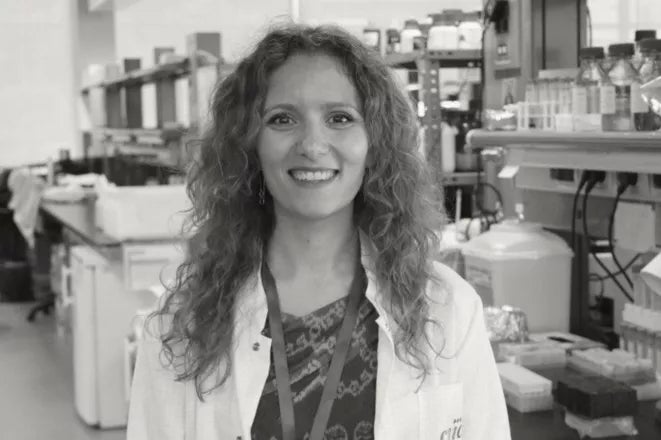
Researcher in metabolism and the microbiota as they relate to cardiovascular disease A researcher specialising in metabolism, the microbiota and cardiovascular disease. She uses omics technologies to identify biomarkers and new therapeutic targets.
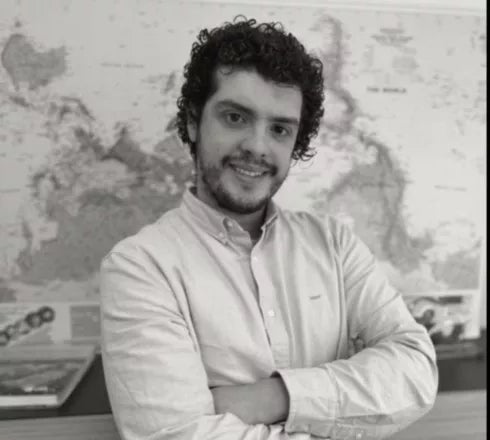
Pre-doctoral researcher and lecturer at the UAX. He holds a degree in biology from the UAH and a master’s degree in Genetics and Cell Biology. He is currently working on his doctoral thesis in Regenerative Biology and Advanced Therapies.
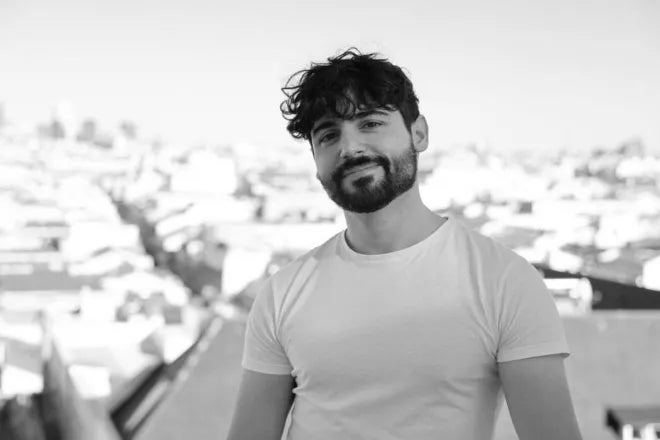
Ignacio Crespo, a doctor and science communicator, presents *Serendipias* (Cadena SER) and writes for *La Razón*, where he also hosts the *Noosfera* podcast.
The perfect storm: Unravelling the multifactorial aetiology of ALS
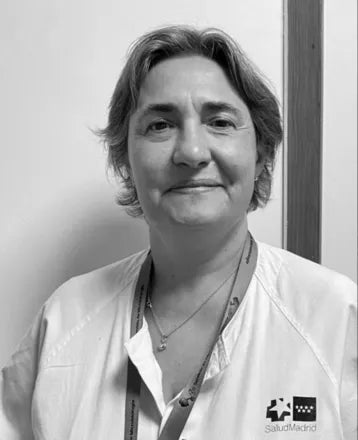
After nearly 30 years as a Miguel Servet Research Fellow in the Microbiology Department at Ramón y Cajal Hospital, I am now a researcher at the University of La Rioja. My research has focused on characterising the microbiota in various diseases, and on non-antibiotic-based techniques for modelling it.
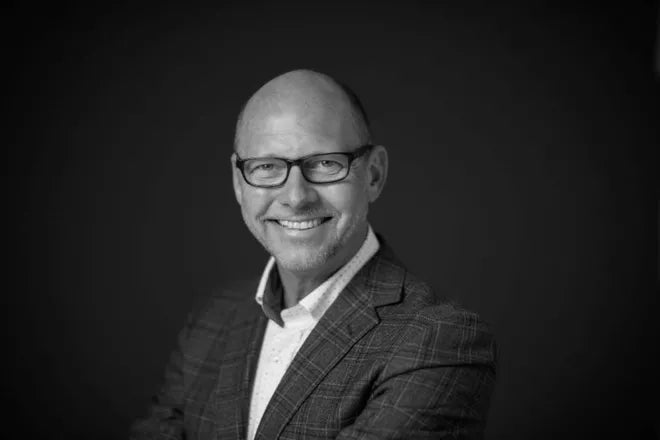
An Elsevier specialist with over 30 years’ experience, focusing on the impact of artificial intelligence on biomedical research and healthcare.
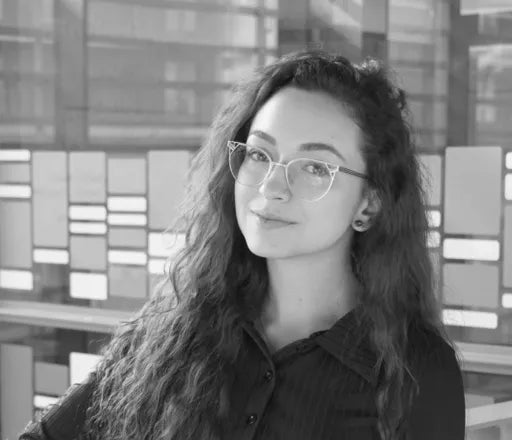
A degree in biomedicine and a master’s degree in advanced therapies. Currently a pre-doctoral researcher in the Xenomic Medicine Group.
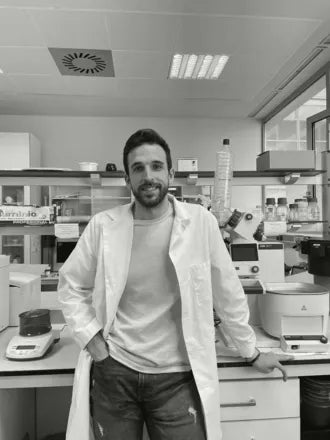
Dietitian-Nutritionist and Doctor of Food Science. Specialist in plant-based diets, cardiometabolic health, sports performance and sustainability. Science communicator via @nutreconciencia.
Students on health science degree programmes such as Biotechnology, Biomedicine, Biology, Pharmacy...
Yes, €27 per person.
Until 15 September
Yes, if you have NOT made the transfer.
At the UAX Madrid Chamberí Campus (Calle de Arapiles, 13, Madrid).
2 and 3 October 2026.
The programme will be available in the "Programme" section of the website and also in downloadable PDF format.
Yes, places are limited and will be allocated on a first-come, first-served basis.

