



















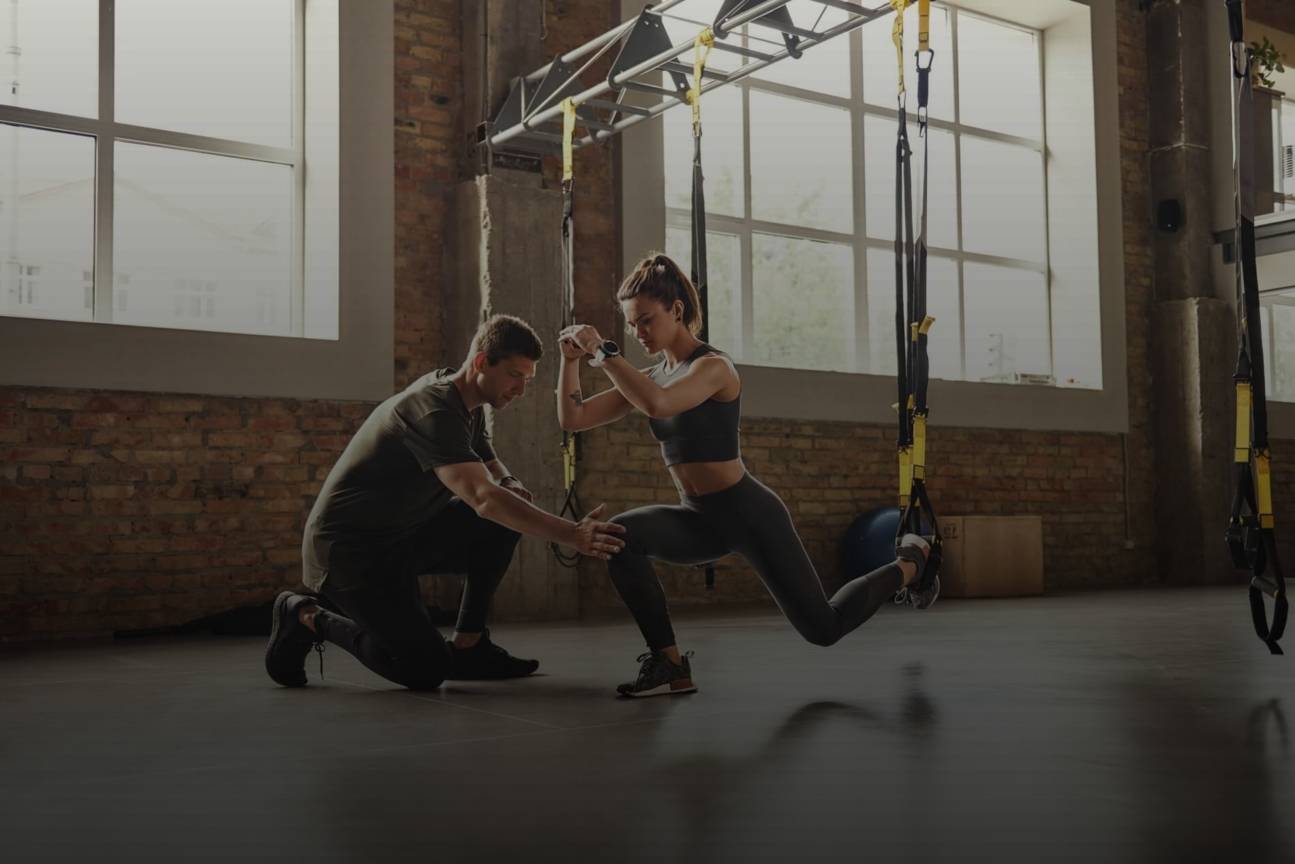
Have you ever considered becoming a personal trainer? Would you like to help others get into top shape? Do you want to guide people and design training programmes that are best suited to each individual? If you share any of these aspirations, it suggests you have a particular calling to become a personal trainer.
In this post, we’ll focus on the requirements for becoming a personal trainer and what you need to study to achieve this. By working in this profession, you’ll be able to help each client improve their health through exercises tailored to their goals, body type and fitness level.
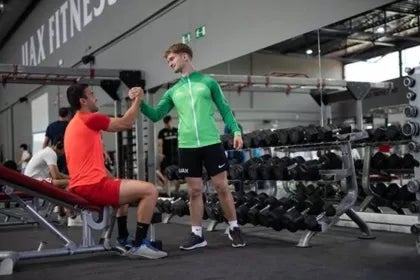
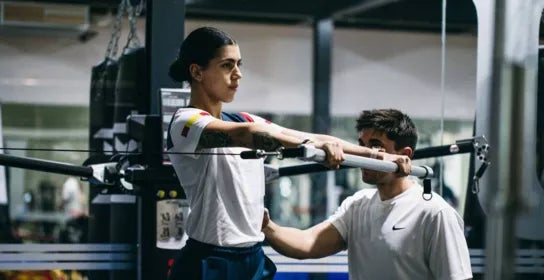
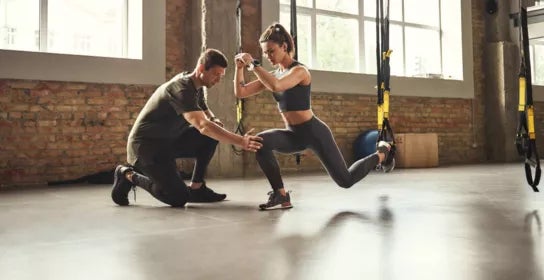
A personal trainer is a fitness professional, qualified in physical activity, who prescribes exercises, motivates and sets personalised goals, taking into account the physical condition and objectives of each of their clients.
How do you become a personal trainer? To become a personal trainer, if you opt for a university degree, you need to study the degree in Physical Activity and Sport Sciences (CAFYD) and then specialise in the subject by taking a Master’s in Sports Nutrition and Online Training .
However, there is another interesting option for those who do not pursue a university degree , which involves undertaking an advanced vocational training course. We are referring to the TSAF , which stands for‘Advanced Physical Fitness Technician ’. This is a specialisation focused on the field of fitness , sports training, physical activity and health. Those who obtain this qualification will be able to work in sports centres, training boxes, wellness centres, aquatic facilities or personal training centres, amongst others. These centres are increasingly in need of specialists in this field who are capable of managing physical conditioning. Graduates of this course will be responsible for coordinating, assessing, monitoring and developing the various physical conditioning programmes, training sessions and physical preparation programmes offered at any of the venues mentioned above.

Requirements to become a personal trainer
One of the main requirements for becoming a personal trainer is, naturally, to have the appropriate academic qualifications in the field of training. Furthermore, you must demonstrate good communication skills in order to explain to each client the exercise routines designed to improve their physical fitness and health. This aspect is vital, as the client who places themselves in the personal trainer’s care must fully understand each of the exercises prescribed for them, so that they can perform them correctly and avoid unnecessary injuries.
Furthermore, a personal trainer must be empathetic towards every person who requires their services, in order to support them throughout the process and ensure they feel supported during their training.
Commitment and consistency are other key aspects for a personal trainer to bear in mind. To set an example for each client and emphasise the importance of sticking to the training routine, you have to ‘practise what you preach’ and be consistent yourself, don’t you? Otherwise, we won’t be setting a good example for clients and, consequently, we won’t be able to expect them to stick to their training sessions whenever they need to. Therefore, we must lead by example and project a positive image in order to instil that necessary confidence in everyone who requires our services as a personal trainer.
One of the key pieces of advice that will be extremely useful to you, if you become a personal trainer in the future, is to regularly update your knowledge through specific training courses or specialist programmes , with the aim of specialising in a particular sport or in nutrition, for example.
Specialising in nutrition or studying for a degree in this subject is undoubtedly a promising career path for a professional trainer, as it provides the knowledge needed to complement each client’s training plan and make it more effective. You can also acquire these skills by completing an advanced vocational training course that qualifies you as a Dietetics and Nutrition Technician. After all, a healthy diet and regular exercise are two fundamental pillars for enjoying good health and being in peak physical condition. Isn’t that a good idea?