
















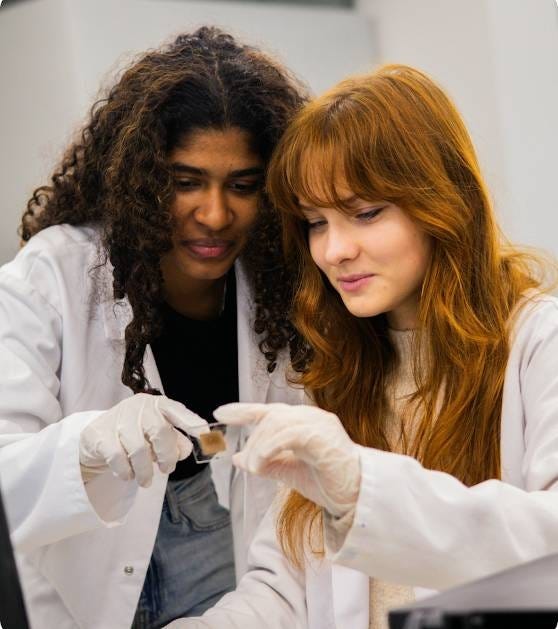
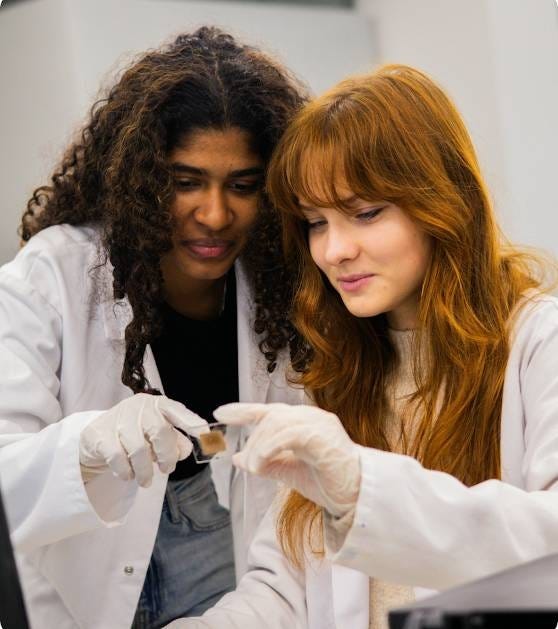
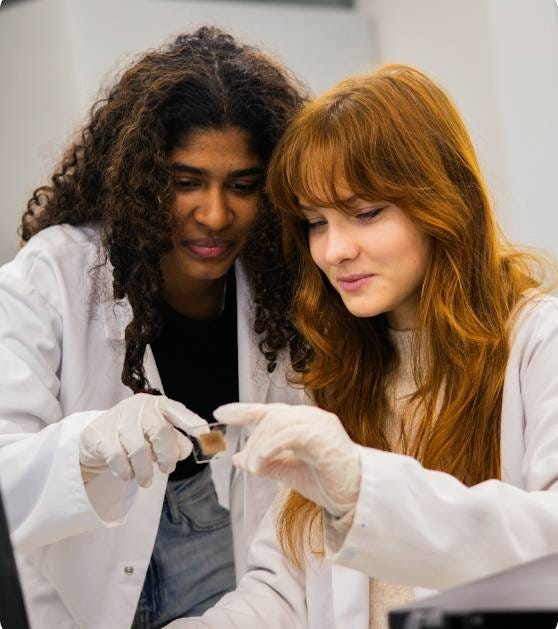

The clinical laboratory is at the heart of medical diagnosis. Biological samples are analysed to detect diseases, assess patients’ health and monitor the effectiveness of treatments. But have you ever wondered how this complex environment is organised? What specific functions are carried out in each area of a clinical laboratory?
In this article, we’ll take a comprehensive look at the different areas of the clinical laboratory and their functions, from haematology to genetics, via clinical chemistry and microbiology. You’ll discover the importance of each one and how they contribute to patients’ wellbeing.
And if, after learning about all these areas, you’re wondering where to study clinical and biomedical laboratory science , we’ll give you all the details. Read on to find out everything!
What are the areas of clinical and biomedical laboratory science?
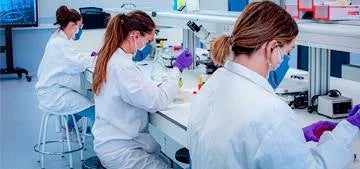
A modern clinical laboratory is divided into several specialised areas, each focused on a specific type of analysis. This structure helps to optimise processes, ensure the accuracy of results and make the professionals’ work easier.
Haematology
In the haematology department, the components of blood are studied : red blood cells, white blood cells and platelets.
Professionals in this area are responsible for carrying out tests such as the complete blood count, which provides valuable information on the quantity and characteristics of these cells. Did you know that a complete blood count can help detect anaemia, infections, clotting disorders and other diseases?
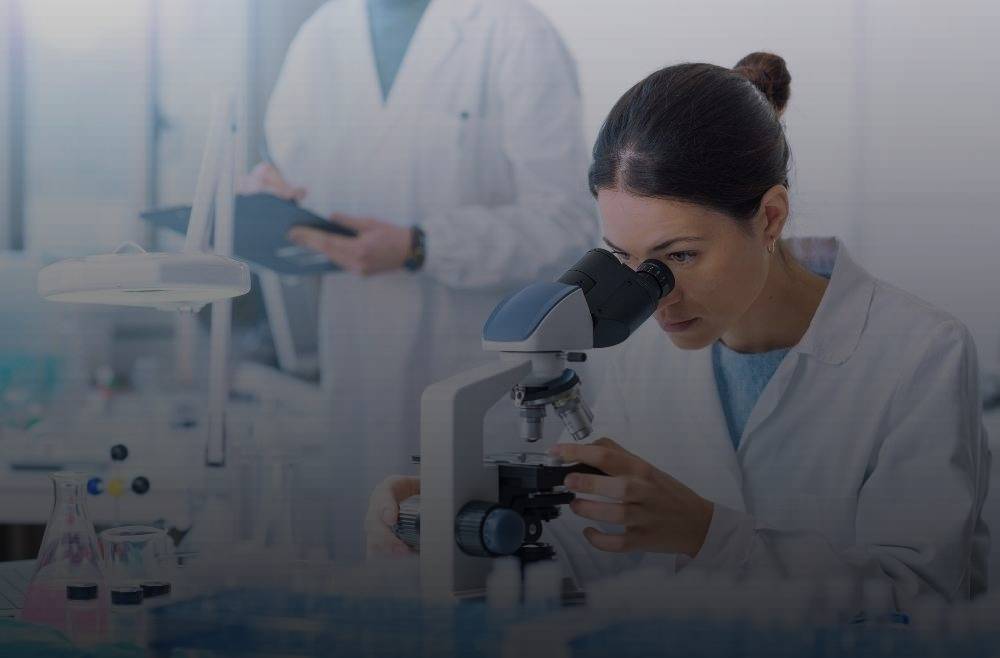
Haematology laboratory technicians use sophisticated equipment to automate tests and ensure the accuracy of results. They are also responsible for preparing blood smears, which allow the cells to be observed under a microscope and any abnormalities to be detected.
If you can see yourself carrying out these tasks, consider studying for the Higher National Diploma in Clinical and Biomedical Laboratory Science.
Clinical chemistry
Clinical chemistry focuses on analysing the chemical components of blood and other bodily fluids, such as urine and cerebrospinal fluid. To do this, parameters such as glucose, cholesterol, liver enzymes and electrolytes are measured. These tests are essential for diagnosing and monitoring metabolic, cardiovascular, renal and liver diseases.
In this field, automated analysers are used which carry out multiple tests simultaneously, enabling rapid and accurate results.
The clinical chemistry laboratory technicians in clinical chemistry must have a thorough understanding of biochemical principles and analytical techniques.
Microbiology
The field of microbiology is dedicated to the study of microorganisms, such as bacteria, viruses, fungi and parasites. Here, cultures, staining procedures and antibiotic susceptibility tests are carried out to identify infectious agents and determine the most appropriate treatment.
It is one of the most important areas in the diagnosis of infections such as pneumonia, meningitis or urinary tract infections. Laboratory technicians specialising in microbiology must follow strict biosafety protocols to prevent contamination and the spread of disease. They must also be skilled in identifying microorganisms and interpreting test results.
Immunology
Immunology is the field concerned with the study of the immune system and related diseases. Tests are carried out to measure antibody levels, detect autoimmune diseases and assess the function of immune cells. These tests are crucial for diagnosing and monitoring conditions such as lupus, rheumatoid arthritis and HIV.
Techniques such as ELISA, immunofluorescence and flow cytometry are used in this field, so immunology technicians must have a thorough understanding of the immune system as well as immunological techniques.
Urinalysis
Urinalysis focuses on the analysis of urine. Parameters such as colour, appearance, pH, specific gravity and the presence of protein, glucose, blood and cells are assessed. These tests are useful for diagnosing and monitoring kidney diseases, urinary tract infections and other medical conditions.
In this field, amongst many other tasks, test strips are used which change colour depending on the concentration of the various components in the urine. A microscopic examination of the urinary sediment is also carried out to detect cells, crystals and casts.
However, this field goes much further than that. If it piques your interest, you might consider the Online Vocational Training Programme in Clinical Laboratory Technology and discover everything this qualification has to offer.
Genetics
The field of genetics is dedicated to the study of genes and hereditary diseases. Tests are carried out to detect genetic mutations, determine the risk of developing certain diseases and diagnose genetic disorders. These tests are becoming increasingly important in modern medicine, as they enable personalised treatment and help prevent diseases.
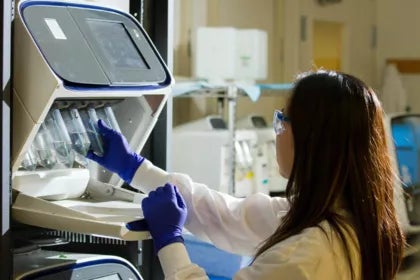
In this field, techniques such as PCR, DNA sequencing and fluorescent in situ hybridisation (FISH) are used. Genetics laboratory technicians must have a thorough understanding of molecular genetics and genetic analysis techniques – a fascinating field in which you will never cease to explore cellular behaviour.
Toxicology
The field of toxicology focuses on the detection and quantification of toxic substances in the body.
Tests are therefore carried out to detect the abuse of drugs, medicines, heavy metals and other toxic substances. These tests are important in forensic medicine, in the workplace and in the diagnosis of poisoning. Techniques such as gas chromatography and mass spectrometry are used in this field.
Clinical Pathology
Although pathological anatomy is sometimes confused with clinical laboratory work. Clinical pathology focuses on the diagnosis of diseases through the analysis of bodily fluids and tissues. Unlike pathological anatomy, which centres on the macroscopic and microscopic examination of tissues, clinical pathology uses laboratory tests to detect abnormalities and confirm diagnoses.
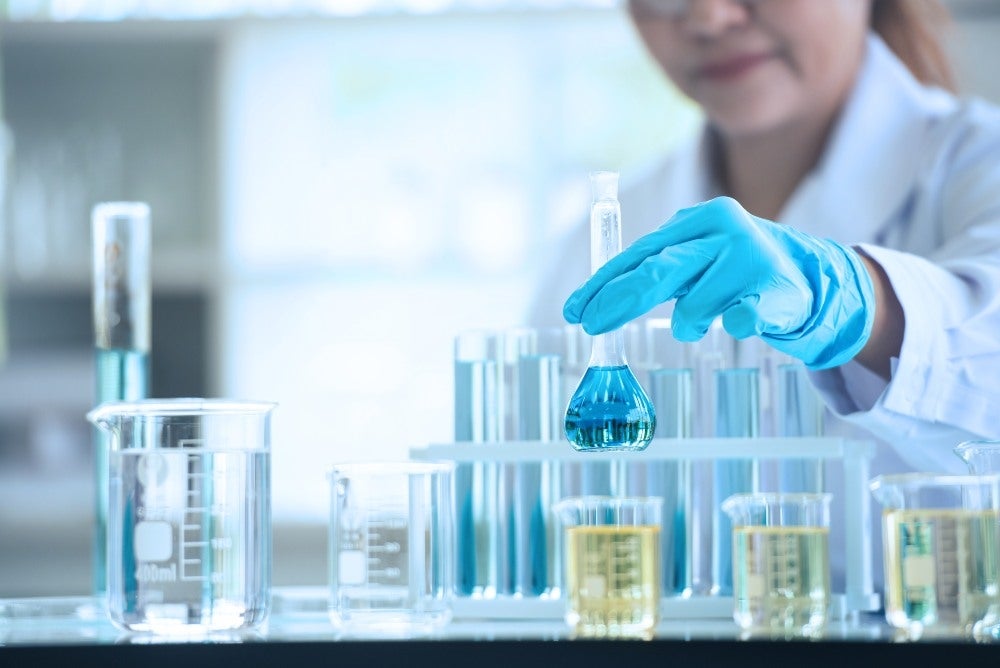
The importance of organisation and efficiency in the various areas of a clinical laboratory
Organisation and efficiency are essential in a clinical laboratory to ensure the quality of results and patient safety. Good organisation enables processes to be optimised, errors to be reduced and communication between different professionals to be improved.
Some key aspects of organising a clinical laboratory are:
- Layout of the space. The laboratory must be designed to facilitate workflow and minimise the risk of contamination.
- Sample management. Samples must be correctly identified, processed and stored to prevent errors and ensure traceability.
- Quality control. Quality control programmes must be implemented to ensure the accuracy and reliability of results. There are specialised training courses in this field, such as the Vocational Training (FP) course in Laboratory Analysis and Quality Control.
Study Clinical and Biomedical Laboratory Science at UAX
At UAX, we offer you the opportunity to study the Higher Vocational Qualification in Clinical and Biomedical Laboratory Science in both face-to-face and online formats.
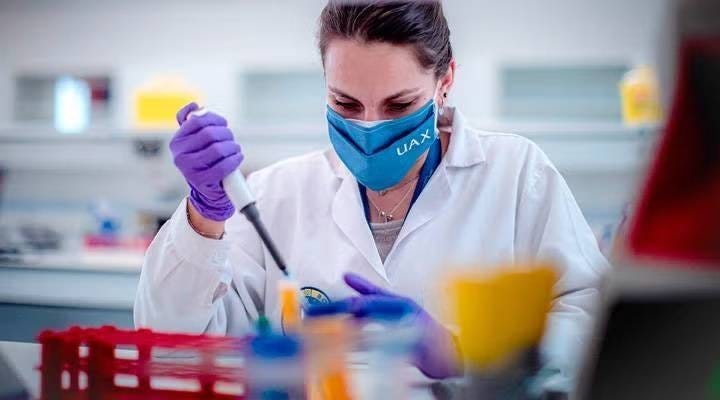
With us, you’ll learn from expert professionals, use state-of-the-art equipment and undertake work placements in real laboratories where you can put everything you’ve learnt into practice. You’ll also have the opportunity to take part in research projects and develop your communication and teamwork skills.
And if you need flexible options, the Vocational Training course in Online Clinical Laboratory Technician Vocational Training Programme provides you with all the tools you need and adapts to your needs, so you can balance your studies with your career and/or personal life.
These areas are fundamental to the diagnosis and treatment of diseases and open the door to a wide range of career opportunities in clinical laboratory work .
As you have seen, the world of clinical laboratory specialisms is vast and complex, but also fascinating.
From haematology to genetics, each area plays a crucial role in the diagnosis and treatment of diseases. Organisation, efficiency and staff training are essential to ensuring the quality of results and patient safety.
Why not explore this field and discover everything it has to offer!
Sources:
- Spanish Society of Clinical Biochemistry and Molecular Pathology (SEQCML )
- Spanish Association of Laboratory Technicians (AETEL).